

Nuclear Launch Detection Systems and Early Warning
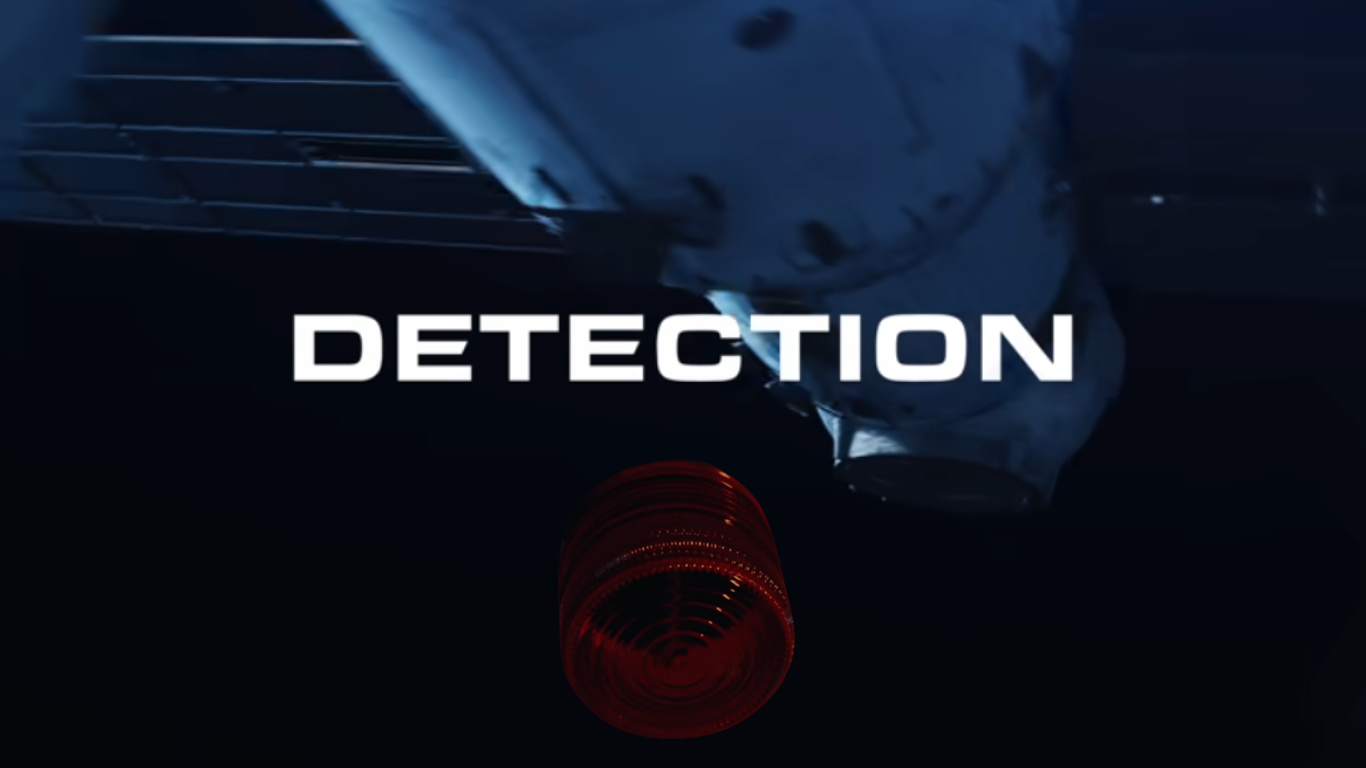
Nuclear launch detection systems are the silent guardians in the sky, constantly watching for signs of danger and giving nations the critical time they need to respond before a threat becomes a disaster.
Nuclear Launch Detection Systems and Why They Matter
Let me explain this in the clearest, simplest terms. Imagine having only a few minutes to react to a life-threatening situation. That is exactly the reality countries face when dealing with nuclear threats. Nuclear launch detection systems exist to give decision-makers those precious minutes.
These systems are not just machines floating in space. They are part of a deeply connected network designed to protect millions of lives. From my perspective, what makes them remarkable is not just their technology, but the responsibility they carry. One false signal or one missed detection could change history.
In real-world defense strategy, timing is everything. During tense geopolitical moments, early warning can mean the difference between escalation and de-escalation. These systems create a buffer, allowing leaders to verify information before taking action.
Space Based Infrared Sensors and How They Work
At the heart of modern nuclear launch detection systems are space based infrared sensors. These sensors are designed to detect heat signatures, specifically the intense heat produced when a missile is launched.
Think about a rocket engine igniting. It produces an enormous amount of heat that stands out even from space. Infrared satellites capture this heat instantly. They do not rely on visual images alone. Instead, they track temperature differences, which makes them effective even in darkness or cloudy conditions.
From a practical standpoint, this is one of the most reliable detection methods available today. Unlike ground radar, which can be limited by distance and curvature of the Earth, infrared satellites have a global view.
I have always believed that this ability to see beyond physical limitations is what makes space-based systems so powerful. They remove blind spots and provide continuous monitoring without interruption.
Early Warning Protocols and Decision Making
Detection alone is not enough. What follows detection is equally critical.
Early warning protocols are structured processes that ensure information is verified and communicated quickly.
Once a missile launch is detected, the data goes through multiple layers of analysis. It is checked, cross-referenced, and confirmed before any action is taken. This reduces the risk of false alarms.
A well-known real-world example is the Cold War era, where false alarms nearly triggered catastrophic decisions. Those moments taught the world a hard lesson. Systems must not only be fast, but also accurate.
From my point of view, early warning protocols reflect a balance between urgency and caution. Acting too quickly can be dangerous, but acting too slowly can be even worse. The system must find the middle ground.
The Role of Satellite Surveillance Systems in Global Security
Satellite surveillance systems play a central role in modern defense. They do more than detect launches. They monitor activities, track movements, and provide intelligence that shapes national security decisions.
These systems operate continuously, scanning vast areas of the Earth. They create a constant stream of data that helps analysts understand patterns and predict potential threats.
One practical advantage is global coverage. No matter where a launch occurs, satellites can detect it. This removes dependence on location-based systems and ensures no region is left unmonitored.
In my opinion, this global reach is one of the greatest strengths of nuclear launch detection systems. It creates a sense of awareness that was not possible in earlier decades.
Real Time Threat Detection and Its Challenges
Real time threat detection sounds perfect in theory, but it comes with challenges. Processing massive amounts of data in seconds requires advanced algorithms and powerful computing systems.
False positives remain a concern. Natural events like wildfires or industrial heat sources can sometimes mimic missile signatures. This is why multiple verification layers are essential.
From a practical solution standpoint, integrating artificial intelligence has improved accuracy. AI systems can learn patterns and distinguish between real threats and harmless events more effectively over time.
I personally see this as a major step forward. Technology is evolving to reduce human error while still keeping humans in control of final decisions.
Missile Detection Technology and Future Advancements
Missile detection technology is constantly evolving. New generations of satellites are being developed with higher sensitivity and better resolution.
Future systems aim to detect threats even earlier, possibly during the preparation phase before launch. This would provide even more time for decision-making.
Another interesting development is the integration of multiple sensor types. Combining infrared, radar, and optical systems creates a more comprehensive detection network.
From my perspective, the future of nuclear launch detection systems lies in integration. No single technology is enough on its own. The strength comes from combining different capabilities into one unified system.
Satellite Hacking and Space Cyber Threats 2026
Strategic Importance of Early Warning Systems
Early warning systems are not just about defense. They play a key role in maintaining global stability. When countries know that threats can be detected quickly, it reduces the likelihood of surprise attacks.
This creates a form of deterrence. It sends a clear message that any aggressive action will be noticed immediately.
In real-world terms, this contributes to a balance of power. It encourages caution and reduces the chances of miscalculation.
I believe this is one of the most underrated aspects of these systems. They do not just react to threats. They actively prevent them by shaping behavior.
Practical Benefits and Real World Impact
The benefits of nuclear launch detection systems extend beyond military use. They contribute to global safety and crisis management.
For example, early detection allows governments to activate emergency response plans. It provides time to warn populations and take protective measures.
Another benefit is transparency. Shared detection data between allied nations builds trust and cooperation.
From a practical standpoint, these systems are not just tools of defense. They are tools of prevention and coordination.
My Perspective on the Balance Between Technology and Responsibility
Technology alone cannot guarantee safety. It must be paired with responsible use. Nuclear launch detection systems are powerful, but they require careful management.
Human judgment remains critical. Machines can detect and analyze, but decisions must consider broader consequences.
In my view, the true strength of these systems lies in how they are used. Responsible leadership, combined with advanced technology, creates a safer world.
This is exactly where Worldstan stands apart. The platform focuses not just on explaining technology, but on understanding its real-world impact and responsibility.
Conclusion
Nuclear launch detection systems are one of the most important yet least understood technologies in modern defense. They operate quietly in the background, constantly watching and analyzing.
Their value lies in their ability to provide time. Time to think, time to verify, and time to act wisely.
As technology continues to evolve, these systems will become even more advanced. But their core purpose will remain the same. Protecting lives and preventing conflict.
From my perspective, understanding these systems is essential in today’s world. They are not just about war. They are about preventing it.
Worldstan brings this conversation to you with clarity, depth, and a human touch that goes beyond ordinary explanations.