
Table of Contents
ToggleSpace militarization is no longer a distant theory; it is shaping the way nations think about security beyond Earth, and this article walks you through the real tension between global space treaties and what is actually happening in orbit today.
Global Space Treaties and Their Original Purpose:
When humanity first stepped into space, the goal was simple. Exploration, discovery, and shared progress. Agreements like the Outer Space Treaty were designed to keep space peaceful. Countries agreed not to place weapons of mass destruction in orbit and to use space for the benefit of all.
At that time, it made perfect sense. There were only a few spacefaring nations, and the risks felt manageable. The idea was to prevent Earth’s conflicts from expanding into space.
But here is the issue. These treaties were written for a world that no longer exists.
The Rise of Space Militarization:
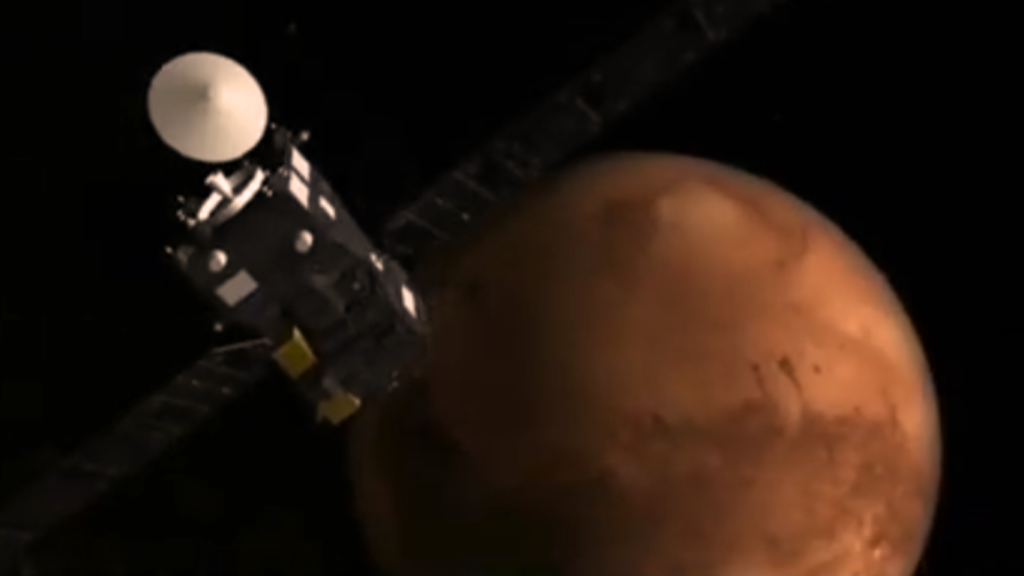
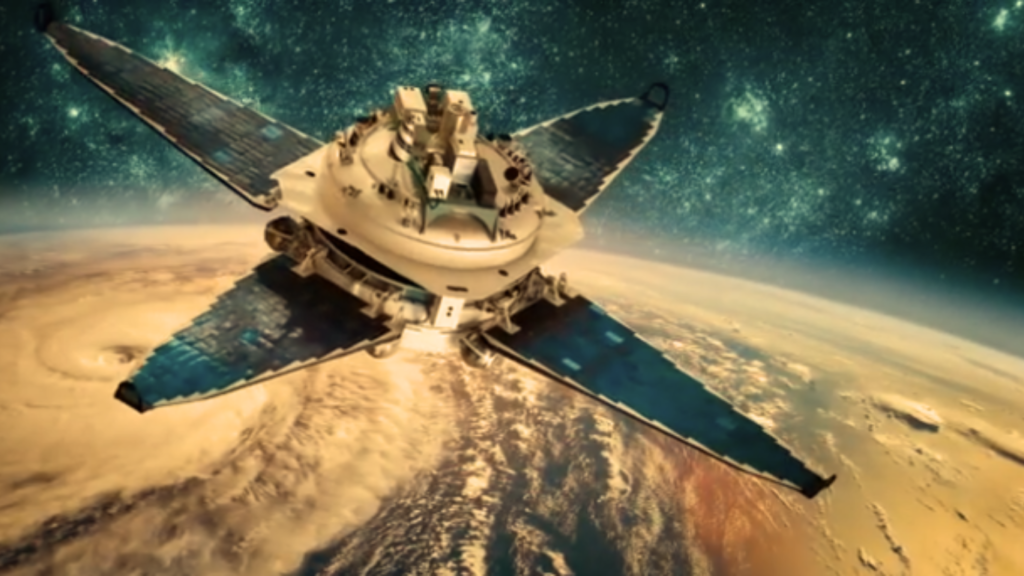
Today, space militarization has quietly become part of global defense strategy. Satellites are no longer just tools for communication or weather tracking. They guide missiles, monitor borders, and support military operations in real time.
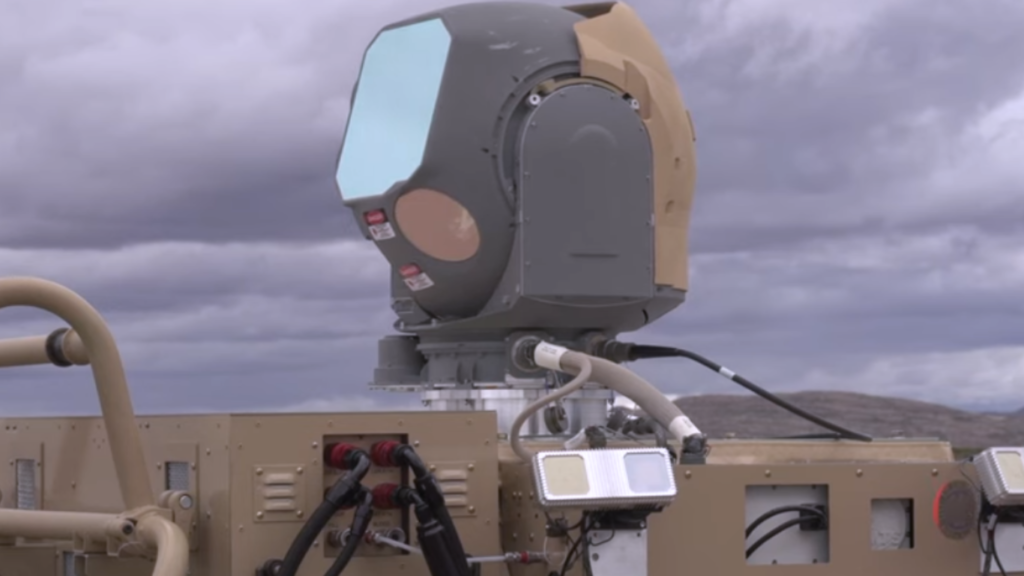
Countries like the United States, China, and Russia have already tested anti-satellite systems. These are not theories. These are real capabilities.
Let me explain this in the clearest, simplest terms. If a country can disable another nation’s satellites, it can disrupt communication, navigation, and even defense systems. That is a powerful advantage.
From my perspective, this shift was inevitable. Technology always moves faster than policy.
Legal Gaps Between Treaties and Reality:
Here is where things become complicated. The Outer Space Treaty bans nuclear weapons in space, but it does not clearly address modern weapons like cyber attacks on satellites or kinetic anti-satellite missiles.
This creates a legal grey area.
Countries can develop and test advanced space weapons while still technically following international law. That is not a loophole by accident. It is a limitation of outdated agreements.
In practical terms, the law is struggling to keep up with innovation.
Ethical Dilemmas of Weaponizing Space:
The ethical questions here are just as serious as the legal ones. Should space, which belongs to all humanity, become another battlefield?
When a satellite is destroyed, it creates debris. This debris does not disappear. It stays in orbit and can damage other satellites. Over time, this could make entire regions of space unusable.
This is not just a military issue. It affects global communication, weather forecasting, and disaster management.
I believe this is where the conversation needs to shift. It is not just about national security. It is about protecting shared infrastructure.
Real-World Examples That Changed the Debate:
In recent years, anti-satellite tests have created massive clouds of debris. One example involved a test that forced astronauts on the International Space Station to take shelter.
That moment made something very clear. Space conflict does not stay in space. It directly impacts human life.
These incidents have pushed experts to rethink how serious the risks really are.
Dual-Use Technology and Hidden Risks:
One of the most complex challenges is dual-use technology. Many space systems serve both civilian and military purposes.
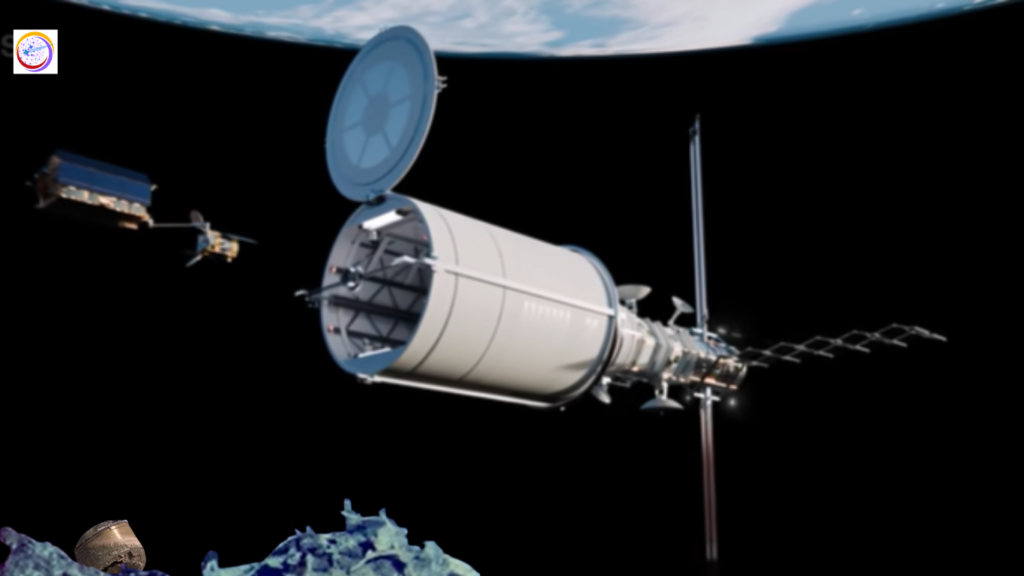
A satellite designed for repairs can also be used to interfere with another satellite. A communication system can support both public services and military operations.
This makes regulation extremely difficult. You cannot simply ban the technology because it has legitimate uses.
This is where smart policy becomes essential.
Why Current Space Laws Are Falling Behind:
The speed of technological advancement is one reason. Another is the lack of enforcement.
International space law relies heavily on cooperation. There is no global authority that can enforce rules in orbit the way laws are enforced on Earth.
This creates a situation where compliance depends on trust. And in geopolitics, trust is often limited.
From a realistic standpoint, this system is fragile.
Practical Solutions for a Safer Space Environment:
Now, instead of just pointing out problems, let us focus on solutions.
First, treaties need to be updated. Not replaced, but modernized. They should include clear definitions of prohibited actions, especially regarding anti-satellite weapons and cyber attacks.
Second, transparency is key. Countries should openly share information about their space activities. This reduces suspicion and prevents misunderstandings.
Third, there should be stronger guidelines for debris management. Any action that creates long-lasting debris should face strict consequences.
Finally, collaboration must increase. Space is one domain where cooperation benefits everyone.
The Role of Private Companies in Space Security:
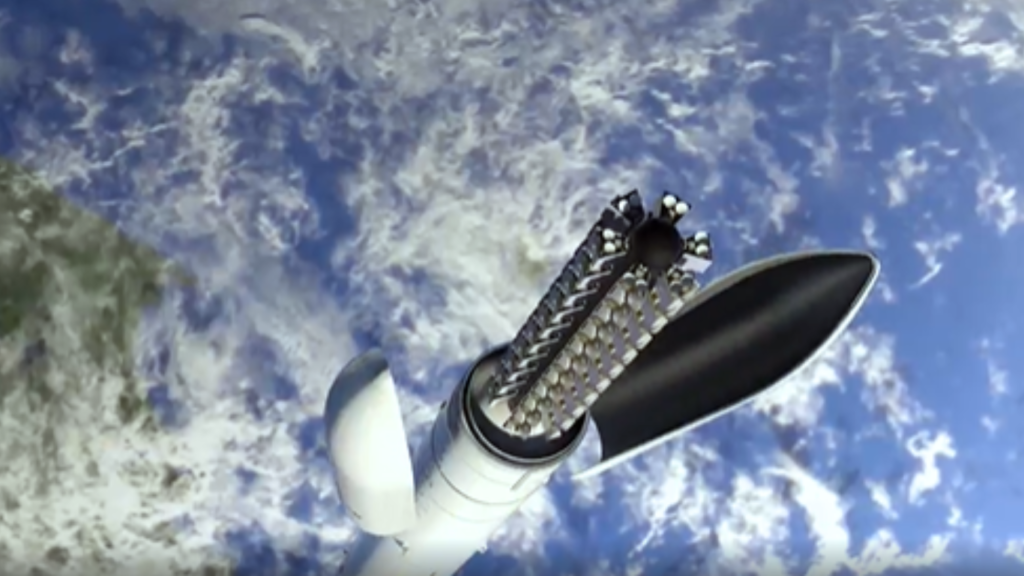
Companies like SpaceX are now major players in orbit. They launch satellites, provide internet services, and shape the future of space infrastructure.
This adds another layer of complexity. Private companies are not bound by treaties in the same way countries are.
This means regulations must evolve to include commercial actors as well.
Ignoring this reality would be a serious mistake.
The Future of Space Militarization:
Looking ahead, space militarization is likely to increase. The strategic value of space is simply too high.
However, this does not mean conflict is inevitable. With the right policies, cooperation can still win over competition.
The decisions made today will shape whether space remains usable for future generations or becomes a contested and dangerous environment.
Conclusion:
Space militarization is not just a technical issue. It is a global responsibility that demands careful balance between security and sustainability. The gap between global space treaties and orbital reality is growing, but it is not beyond repair. With updated laws, stronger cooperation, and a clear ethical vision, humanity still has the opportunity to protect space as a shared domain. This is not just about preventing conflict. It is about ensuring that space remains a place of opportunity, not danger, for generations to come.
FAQs:
- What is space militarization?
Space militarization refers to the use of space technologies and infrastructure for military purposes. - Is space militarization legal?
It is partially legal due to gaps in current treaties, especially regarding modern weapons. - What is the Outer Space Treaty?
It is an international agreement that regulates the use of space for peaceful purposes. - Why are satellites important in warfare?
They provide communication, navigation, and intelligence support. - What are anti-satellite weapons?
These are systems designed to disable or destroy satellites. - How does space debris affect Earth?
It can disrupt services like GPS, communication, and weather forecasting. - Can private companies contribute to space militarization?
Yes, due to dual-use technologies and growing involvement in space infrastructure. - Why are current space laws outdated?
They were created before modern space technologies and threats existed. - What are ethical concerns in space militarization?
The risk of turning a shared environment into a battlefield.