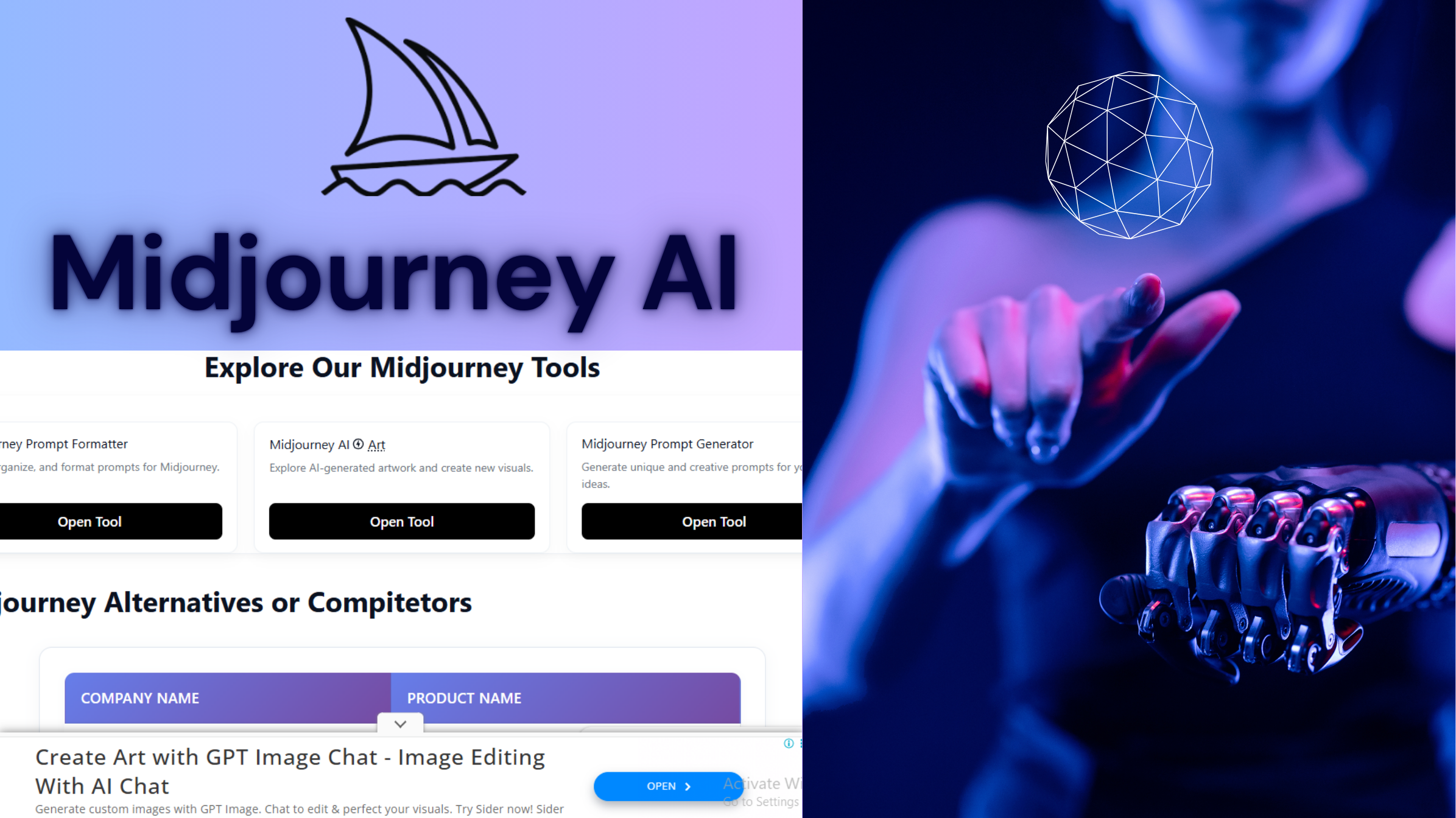
Midjourney AI Web Interface and Tools

Midjourney AI for Artists and Designers Worldstan.com

This report explores the rise of Midjourney AI, a leading generative art platform that blends technology and creativity, tracing its development, features, controversies, and its growing influence in the world of digital image generation.

Midjourney AI: Evolving the Future of Generative Art and Image Synthesis

Introduction:

In recent years, the rise of generative artificial intelligence has transformed how we create visual content. Among the most visible platforms in this shift is Midjourney — an AI-driven image synthesizer developed by Midjourney, Inc.. Far more than a novelty, Midjourney has become a focal point in discussions around creativity, design, ethics and intellectual property. Through a combination of powerful model versions, prompt-based generation and an accessible web/Discord interface, it offers new pathways for artists, designers and communicators. At the same time, it stands at the heart of controversies around copyright infringement, moderation and the limits of AI art.

In this report we will examine the origins and evolution of Midjourney, explore its features and design capabilities, compare it to competing tools (such as DALL‑E and Stable Diffusion), delve into the legal and ethical debates surrounding generative AI, and reflect on how the technology is reshaping creative industries and what lies ahead.

Origins and Evolution of Midjourney

Founding and early history

Midjourney, Inc. was founded in San Francisco by David Holz (previously co-founder of Leap Motion) with the mission of expanding “the imaginative powers of the human species.” According to sources, the lab began development around 2021–2022, and launched its Discord community in early 2022 before opening an open-beta for the image generation system on July 12, 2022.
Unlike many AI ventures backed by large venture capital rounds, Midjourney reportedly operated as a lean, self-funded setup, focusing on community feedback and iterative model improvements.

Model versions and feature progression

Since its public debut, Midjourney has released successive versions of its generative model, each improving on accuracy, realism, stylization and user controls. Early versions excelled at imaginative and stylised renderings, whereas later versions focused more on photorealistic imagery and better prompt fidelity. For example, version 5.2 introduced the “Vary (Region)” feature (allowing selective editing of image parts), and other tools such as Style Reference, Character Reference and Image Weight give users more precision and control over the generated pictures.
Additionally, Midjourney expanded its interface: originally available only via a Discord bot, the company launched a full web interface in August 2024, enabling users to use panning, zooming, inpainting and other editing tools directly in browser. (As reported by multiple coverage).

Positioning in the AI image generator space

Midjourney is one of the leading platforms in the broader generative AI tools ecosystem. Competing with DALL-E (by OpenAI) and Stable Diffusion (by Stability AI), it is recognised for its unique aesthetic, community-driven prompt sharing, and high-quality output. Its platform enables users to create detailed images from natural-language prompts—a paradigm that has reshaped digital art and design workflows.
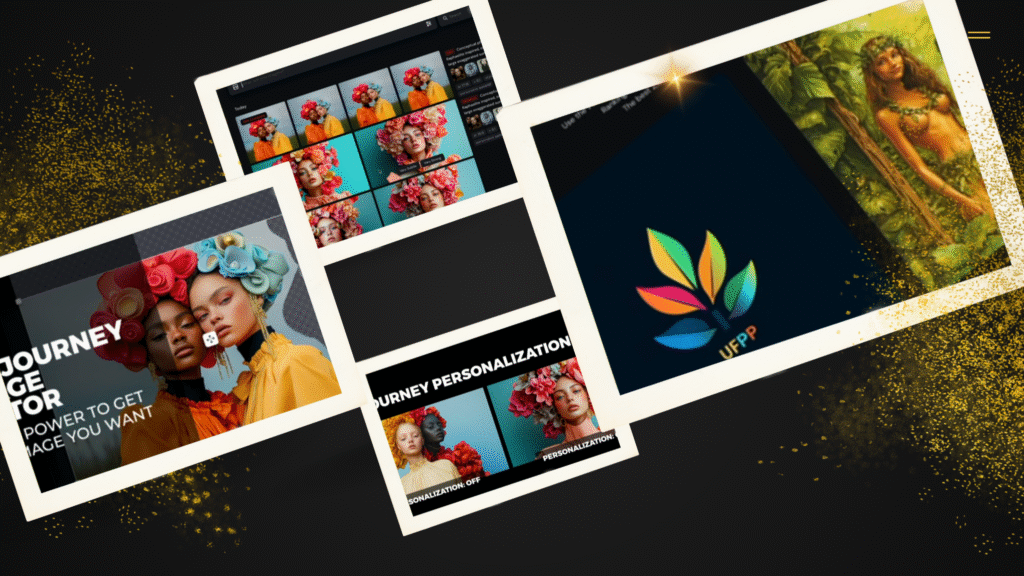
Midjourney AI image synthesis and generative AI tools Worldstan.com

Features, Capabilities and Workflow

Prompt-based generation and image synthesis

At its core, Midjourney functions as a text-to-image AI system: a user inputs a description or “prompt”, and the generative AI model synthesises an entirely new image. This workflow falls under the broader category of AI image synthesis and generative AI tools. Because the tool accepts natural-language prompts, it democratizes access for creators, designers and non-specialists alike.

Key tools for control and refinement

What sets Midjourney apart are several advanced controls that give users subtler influence over the output:

  • Image Weight: Users can supply a reference image along with a prompt and set a “weight” value to control how strongly the reference influences the output.
  • Vary (Region): This feature allows selective editing of regions within the generated image—useful for refining specific elements without re-generating everything.
  • Style Reference / Character Reference: These allow the model to apply consistent styling or character appearance across multiple outputs (helpful for concept art or episodic work).
  • Web Editor & Inpainting: With the web interface, creators can pan, zoom, and edit specific parts of a generated image (inpainting) to fine-tune details.
  • Discord Bot Integration: The original workflow remains via a Discord bot, where users type commands, upload references and share prompt results with a community.

These tools together give Midjourney’s users a sophisticated creative workflow: prompt → refine → iterate, allowing rapid prototyping and visual concept generation at scale.

Applications across industries

Because of its capability to generate unique visual content quickly, Midjourney has been adopted across creative sectors:

  • Advertising & Marketing: Agencies use AI image generator tools like Midjourney to create fast visual prototypes, campaign concepts, and custom visuals without relying solely on stock imagery.
  • Architecture & Design: Designers generate mood boards, concept visuals and speculative design renderings using prompt-based image synthesis.
  • Storytelling, Illustration & Publishing: Authors and illustrators use Midjourney to iterate storyboards, character design and scene visuals, sometimes combining with traditional illustration.
  • Personal Creative Work: Hobbyists and creators explore AI-generated art for experimentation, social media shareables, and community engagements.

In many ways, Midjourney and its peer systems are acting as “accelerators” for visual ideation—speeding up what once required human sketching or photo sourcing into seconds of prompt input and iteration.

Midjourney vs Competitors: DALL-E, Stable Diffusion and Others

Midjourney vs DALL-E

Comparing Midjourney with DALL-E (OpenAI):

  • DALL-E has been known for strong adherence to prompts and structured output, especially in earlier versions.
  • Midjourney, meanwhile, often yields more expressive, stylised, and artistically rich imagery—favoured by creative professionals for mood-centric work.
  • In community discussions, users sometimes prefer Midjourney when they want artistic flair or concept art, and DALL-E when they need more literal and controlled imagery.

Midjourney vs Stable Diffusion

On the other front, Stable Diffusion (developed by Stability AI) offers a more open-source flavour, allowing developers to fine-tune models and deploy locally, whereas Midjourney is a managed, subscription-based service.
Stable Diffusion may be chosen for more technical or custom-model use cases (fine-tuning for a brand style, for example). Midjourney appeals when the user wants high-quality output without managing infrastructure or modelling.

Position in the generative AI landscape

Midjourney occupies a unique niche: high-fidelity, visually rich output combined with ease of use and community prompt sharing. In the context of generative AI tools, it stands as a bridge between purely experimental code-first image models and enterprise-level visual platforms.

Consequently, prompts such as “Midjourney vs DALL-E” and “Midjourney vs Stable Diffusion” remain common in forums and creative professional discourse, as practitioners evaluate what system fits their workflow, aesthetic requirements and budget.

Legal, Ethical and Industry Challenges

The copyright-infringement and lawsuit landscape

One of the most serious issues facing Midjourney relates to copyright and intellectual property. A landmark case was brought by artists and major studios, alleging that Midjourney (and its peers) trained models on copyrighted works without permission and produced derivative images infringing on existing work. A U.S. federal judge declined to dismiss core copyright-infringement claims against Midjourney, allowing them to advance.

Notably, on June 11, 2025, media giants The Walt Disney Company and NBCUniversal filed a federal lawsuit against Midjourney, Inc., accusing the company of enabling “endless unauthorized copies” of characters such as those from Star Wars and the Minions. These legal challenges underscore that the generative AI industry is rapidly becoming a battleground for intellectual property rights and creative-economy protection.

Content moderation, bias and ethical concerns

In addition to copyright, other ethical dimensions emerge:

  • AI-powered content moderation: As image generators become more capable (and sometimes more realistic), misuse (e.g., deepfakes, mis-information, sensitive content) is a concern. Platforms like Midjourney must balance openness with responsibility.
  • Bias and representation: Generative AI models reflect the data on which they are trained. If training datasets lack diversity or over-represent certain styles or culture, they may perpetuate biases or limit creative representation.
  • Originality and authorship: When a human sets a prompt and an AI renders the image, questions arise: who is the author? Can such images be copyrighted? The U.S. Copyright Office has rejected some artists’ applications where AI was a significant contributor.
  • Impact on creative labour: Some illustrators and artists worry that widespread access to AI art generators will commoditise concept art and visual design labour, or push prices down. At the same time, others see them as tools that augment rather than replace human creativity.

Industry implications and business-model shifts

For the creative industries (advertising, publishing, entertainment) the rise of platforms such as Midjourney represents a shift in workflow, budget allocation and visual asset creation. Visual content that once required time, photo-shoots or licensing may now be produced via generative prompts—with implications for how agencies budget, how stock-image platforms perform, and how artists position themselves in the market.

At the same time, legal uncertainty—especially around copyright, licensing of training data, and derivative output—introduces risk. Companies using these tools must monitor legal developments and potentially prepare for licensing or attribution obligations.

Technical and Workflow Considerations for Creators

Prompt engineering and best practices

To achieve high-quality results with Midjourney (and comparable systems), users need more than just a text prompt—they need prompt-based generation skill, an understanding of style, composition, image weight, aspect ratios, and iteration. Some key considerations:

  • Use descriptive language: specify subject, composition, style (e.g., “cinematic lighting”, “4k”, “oil painting”).
  • Leverage Midjourney Style Reference and Character Reference to maintain consistency across images when doing series work.
  • Adjust Image Weight when using a reference image to guide the model towards a visual target while still allowing creative flexibility.
  • Use Vary (Region) when you want to refine or redo a portion of the image rather than the whole.
  • Iterate prompts: generate multiple variants, choose the one you like, then upscale, mix or refine.
  • Explore community-shared prompts for inspiration—Midjourney has a large Discord community.

Integration into creative pipelines

Designers and studios adopting Midjourney will typically integrate it into their workflow as follows:

  1. Rapid concept generation: Use Midjourney for mood boards, visual exploration.
  2. Selected iteration: Choose a concept from AI output and refine it via Midjourney tools or traditional image-editing software (Photoshop, Illustrator).
  3. Finalisation: Use the refined image for presentation, assets, storyboard, or as reference for human-driven work.
  4. Licensing/rights considerations: If the output will be used commercially, ensure that the AI-creator’s terms and any copyright implications are understood.

Versioning and quality improvements

As each version of Midjourney model improves, creators should be aware of version differences: e.g., Midjourney V5 produced more photorealistic output than earlier versions; later versions focus on text fidelity and fewer artefacts. Choosing the correct version for your use case (stylised art vs photorealism vs concept art) can influence final results.
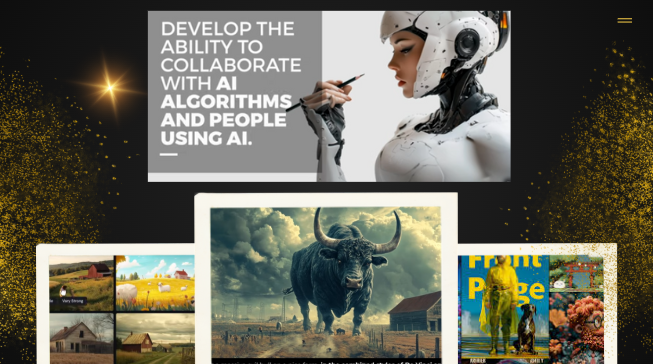
Midjourney in Design & Advertising: Real-World Impact worldstan.com

Midjourney in Design & Advertising: Real-World Impact

Visual prototyping and creative acceleration

In advertising, the ability to generate unique visual concepts quickly allows agencies to test more ideas with less time and budget. Where once a mood board would take days, tools like Midjourney reduce it to hours. This accelerates ideation and helps creative teams move faster to client-review phases.

Branding and custom asset creation

Brands are increasingly exploring AI-generated imagery for bespoke visuals (campaigns, social media, packaging) rather than relying solely on stock image libraries. Midjourney gives brands flexibility—prompts can be calibrated to match brand colour schemes, visual tone, and campaign narrative.

Democratization of visual production

Independent creators, freelancers and small studios gain access to powerful image-generation that previously required high budgets or specialist artists. This democratises access to visual production and potentially levels the playing field for smaller players.

Strategic challenges for agencies

However, with these opportunities come strategic challenges:

  • Ensuring output quality and uniqueness (to avoid saturating visuals across brands).
  • Managing copyright risk: reuse of generated images might still raise IP questions.
  • Balancing AI-generated visuals with human craftsmanship to maintain authenticity and brand identity.

Outlook: The Future of Midjourney and Generative AI

Continued model innovation and feature growth

Midjourney will likely continue evolving: version updates will yield higher fidelity, better control (for example improved text rendering inside images, fewer artefacts, more reliable styling), deeper integration into workflows, and perhaps real-time or video generation. Indeed, the company has announced features extending into video generation.

Expansion in creative tooling ecosystem

We can expect Midjourney (and generative AI broadly) to integrate more deeply with creative tools—design software, illustration apps, 3D modelling, and video editing. This convergence suggests that image generation won’t remain isolated; it will become part of a broader creative pipeline.

Regulation, licensing and ecosystem maturity

As the legal and ethical frameworks catch up, licensing models may emerge: rights-cleared training datasets, paid licenses for commercial usage, or platforms that enable creators to monetise prompts and styles. The outcome of major lawsuits (such as those involving Midjourney) will shape the commercial viability of AI-generated art and image synthesis.

Changing creative roles and skill sets

For creatives, the role of the “prompter” or “AI-tool operator” is becoming increasingly important. Understanding how to craft prompts, tweak weights, define style references and iterate becomes a new design literacy. Traditional skills—composition, artistic sensibility, visual storytelling—will remain relevant, but will be complemented by new workflows around generative AI.

Broader cultural and economic implications

Generative AI platforms like Midjourney are part of a larger AI boom, influencing not only design and advertising but how society visualises ideas, interacts with media and thinks about creativity. They open up possibilities for new visual genres—rapid concept art, personalised imagery, immersive storytelling—and invite questions about what it means to create, to be an artist, and to own an image in a world where AI can generate visually compelling results on demand.

Reflecting on Controversy, Responsibility and Opportunity

Midjourney’s story is not just about technical progress; it is also a case study in the complex interplay between creativity, business, law and ethics. On one hand, the platform empowers creators, lowers barriers, accelerates workflows and expands the realm of visual possibility. On the other hand, it raises legitimate concerns about copyright infringement, the displacement of creative labour, AI bias, misuse and the erosion of visual originality.

The lawsuits brought by Disney and Universal signal that generative AI is no longer a novelty—it is a substantive challenge to existing business models, copyright regimes and creative practices. How Midjourney, Inc. responds (in terms of dataset licensing, moderation policies, user controls and transparency) will influence not only its fate but that of generative AI as a whole.

For users and organisations adopting Midjourney or similar systems, the opportunity is enormous—but so is the responsibility. Ethical prompt usage, awareness of derivative risks, transparency regarding output provenance, and sensitivity to creators and rights-holders will be key.

Conclusion:

Midjourney AI stands at the frontier of generative art and image synthesis. Its emergence marks a shift in how we conceive of visual creation: from manual sketching and photo sourcing to prompt-driven, iterative AI generation. As one of the premier tools in this space, Midjourney’s evolution—from its Discord roots to a powerful web-based interface, through multiple model versions—is a blueprint for how creative technology can rapidly transform.

At the same time, this transformation is accompanied by important questions: Who owns the output? How far does “AI-generated art” challenge traditional authorship? What impact will this have on artists, designers and visual industries? And how will business models and legal frameworks adapt?

As we move forward, one thing is clear: generative AI tools like Midjourney will continue to reshape design, advertising, storytelling and digital culture. For creators, the task is not simply to adopt the technology, but to integrate it wisely—balancing innovation, ethics and aesthetic vision.

Midjourney isn’t just a tool—it is a conversation starter about the future of art, imagination and machine-augmented creativity.
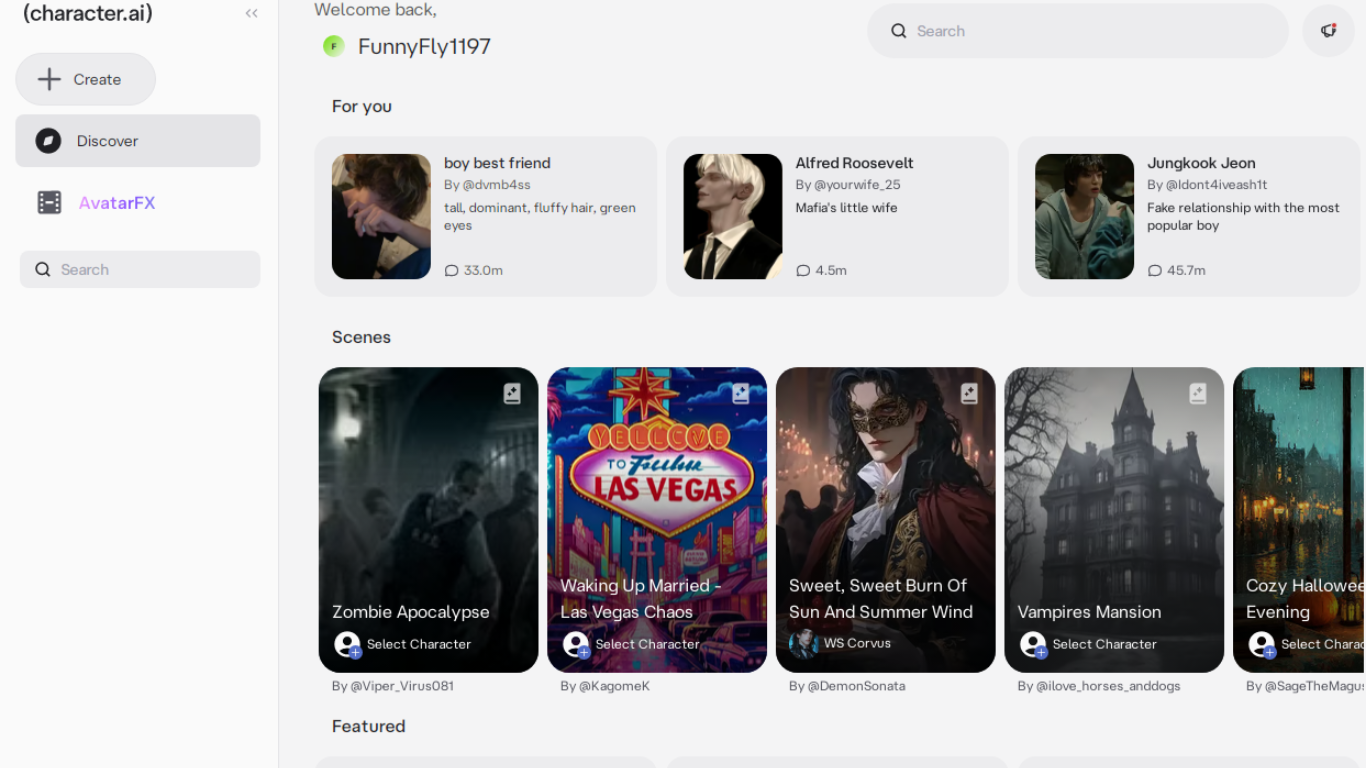
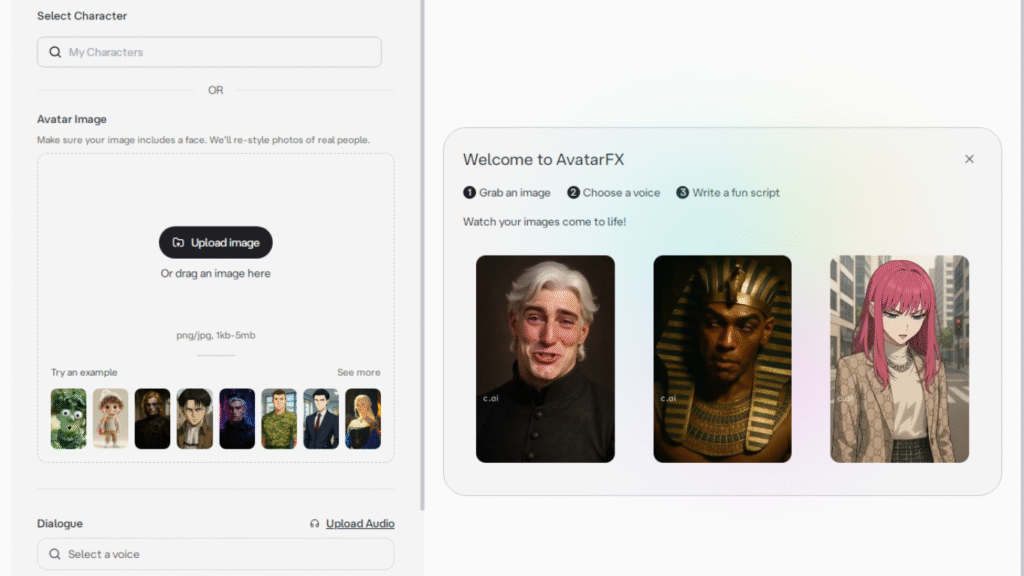
Character AI Chatbot: The Rise of a Generative AI Pioneer

Character AI worldstan.com

This report explores the evolution of Character AI — from its Google-engineered origins and billion-dollar rise to its innovative features, safety challenges, and growing impact on the future of generative AI chatbots.

Character AI Chatbot: From Google Roots to a Billion-Dollar AI Platform

Character AI, also known as c.ai or char.ai, has become one of the most notable names in the world of generative AI chatbots. The platform allows users to create and interact with virtual personalities that simulate conversations with both fictional and real-life figures. Founded by former Google engineers Noam Shazeer and Daniel De Freitas, the company quickly gained recognition for its innovative approach to customizable AI interactions.

Origins and Development

Character AI was established in November 2021 by Shazeer and De Freitas, both of whom previously worked on Google’s AI language models. Shazeer played a key role in developing technologies that paved the way for modern conversational AI, while De Freitas led Google’s experimental Meena AI project, later known as LaMDA. Together, they aimed to create a more open, creative, and user-driven chatbot experience.

The first beta version of Character AI launched publicly in September 2022. Within weeks, the platform logged hundreds of thousands of conversations, with users creating unique characters that could engage in storytelling, debates, or even text-based adventure games. The concept resonated strongly with a younger audience, contributing to its rapid adoption.

Growth, Funding, and Expansion

Character AI raised $43 million in seed funding shortly after its launch. In March 2023, it secured an additional $150 million in a funding round that boosted the company’s valuation to approximately $1 billion, marking its status as one of the fastest-growing AI startups of the decade.

By early 2024, Character AI was attracting over 3.5 million daily visitors, most between the ages of 16 and 30. The release of its mobile app for iOS and Android in 2023 accelerated growth further, recording more than 1.7 million downloads in its first week.

In the same year, Google hired Noam Shazeer and entered a non-exclusive agreement to use Character AI technology, reflecting the platform’s significant role in the broader AI ecosystem.


Character AI Features worldstan.com

Key Features and User Experience

At its core, Character AI is a conversational AI platform that enables users to create their own chatbots, define their personalities, and share them publicly. These AI characters can be modeled after famous figures, historical icons, or entirely fictional personas. The platform supports multi-character chatrooms, allowing group conversations among users and AI-generated characters.

Customization lies at the heart of the service. Each character’s personality can be shaped through detailed prompts, sample dialogues, and user feedback. A rating system allows users to refine responses, helping each chatbot learn tone, context, and preferred communication style.

In May 2023, Character AI introduced a premium subscription, Character AI Plus, offering faster response times, priority access, and enhanced support. In early 2025, the company expanded its entertainment features with two interactive games—Speakeasy and War of Words—where users engage in creative challenges with AI-driven opponents.

Safety, Moderation, and Legal Challenges

 Character AI’s rise has not been without controversy. Concerns around content moderation and user safety have led to public scrutiny and legal challenges. Reports of inappropriate chatbot behavior prompted the company to strengthen its moderation systems and introduce stricter content filters.

In December 2024, new safety protocols were launched, including a dedicated AI model for users under 18. This version filters sensitive topics and limits exposure to harmful or suggestive content. Additionally, the platform now includes reminders for users engaged in prolonged sessions and clearer disclaimers emphasizing that AI-generated personalities are not real individuals.

However, several lawsuits have emerged over the platform’s influence on young users. Families in the United States have filed legal complaints, citing emotional and psychological harm linked to interactions with certain chatbots. These cases have intensified calls for stricter AI regulation and transparency in chatbot design.

The Future of Character AI


As of 2025, Character AI continues to evolve as both a creative tool and a social platform. Its community-driven model has inspired millions of users to explore new ways of storytelling, role-playing, and digital companionship through generative AI. Despite ongoing debates about safety and ethics, Character AI remains a central player in shaping the conversation around how humans interact with artificial intelligence.

With continued innovation, investment, and regulatory attention, Character AI represents both the promise and complexity of the next generation of AI-powered communication.

Gubby AI vs ChatGPT: The truth about AI Humanizer

This review explores the effectiveness of AI humanization tools like Grubby AI and ChatGPT, revealing their strengths and limitations in creating natural-sounding, AI-generated content capable of bypassing detection tools.

Comprehensive Review of Grubby AI: Does It Live Up to Its Promises as an AI Humanizer?

In the rapidly evolving AI landscape, tools that claim to humanize AI-generated content are gaining popularity. One such tool is Grubby AI, marketed as an AI humanizer designed to make machine-written text sound more natural and human-like. But does it deliver on its promises? Our in-depth review explores its effectiveness, comparing it with ChatGPT and current AI detection tools.

What is Grubby AI?

Grubby AI is an AI humanizer that promises to transform AI-generated content into more natural, human-like writing with just a few clicks. Users simply sign up, input their AI-written text, and click “Humanize” — the tool then returns an adapted version that aims to bypass AI detectors and appear more authentic.

Effectiveness and Limitations of Grubby AI as an AI Humanizer

To evaluate Grubby AI, I conducted a series of tests:

  • Generated four AI-written samples.
  • Applied the Grubby AI humanizer on each.
  • Fed the humanized results into popular AI detection toolssuch as Winston AI, Originality AI, QuillBot, and Undetectable.ai.

The detection results revealed the following:

DetectorHumanized ContentAI-Detection Score (0-100%)Interpretation
Winston AIHumanized Text55%Still AI-Detected
Originality AIHumanized Text99%Fully Fooled
QuillBotHumanized Text97%Fully Fooled
Undetectable.aiHumanized Text45%Slight suspicion, partially fooled

Average human score across tests: 61.56%

Conclusion:

These results highlight significant shortcomings. An effective AI humanizer should achieve detection scores nearing 99%, indicating near-perfect human-like quality. Currently, Grubby AI hovers around 60%, which is insufficient for reliable humanization, especially if the goal is to bypass AI content detectors.

Additionally, the free version limits users to only one short text sample, prompting payment thereafter—a questionable value proposition.

Comparing Grubby AI with ChatGPT as a Humanizer

To explore alternative options, I repeated the test using ChatGPT to humanize the same AI-generated texts.

AI DetectorChatGPT-Humanized TextDetection Score (0-100%)Effectiveness
Winston AIHumanized Text65%Still Detects AI
Originality AIHumanized Text99%Fully Fooled
QuillBotHumanized Text98%Fully Fooled
Undetectable.aiHumanized Text52%Partially fooled

Average human score with ChatGPT: 72.06%

This indicates that ChatGPT outperforms Grubby AI significantly in generating more human-like content capable of fooling advanced AI detection tools.

Final Verdict & Recommendations

Based on our assessments:

  • Grubby AIcurrently fails to reliably produce humanized content that passes AI detection.
  • ChatGPToffers a more effective, free alternative that consistently produces more natural-sounding text.

In summary:

As a trusted AI Humanizer and content creator, relying on current automation tools for humanization is unreliable. Instead, investing time in creating original, authentic content remains the best strategy for authentic engagement and avoiding AI detection pitfalls.

A New Era for Google Photos AI and Android XR

A New Era for and Android XR Google Photos AI worldstan.com

Google Photos is stepping into a new era powered by AI and immersive technology. The platform is evolving beyond simple photo storage, introducing smart editing, AI-driven video highlights, and 3D memory experiences through Android XR. This marks a major shift in how users will create, enhance, and relive their favorite moments.

Google Photos AI: A New Era of Smart Memories and 3D Experiences:

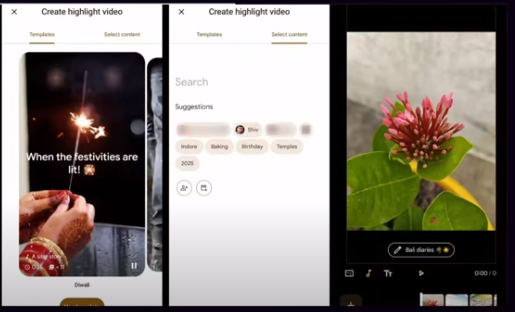
Google Photos is entering a bold new chapter — one defined by AI innovation and immersive technology. Recent reports suggest that a series of AI-powered features are coming soon, reshaping how users create, edit, and relive their memories.

According to The Authority Insights Podcast, hosted by Mishaal Rahman and C. Scott Brown of Android Authority, the upcoming Google Photos AI update will include intelligent highlight video templates, enhanced face-retouching tools, and an entirely new way to revisit memories through 3D spatial experiences on next-generation Android XR headsets.

AI-Powered Video Highlights:

With these new Google Photos AI features, users will be able to generate dynamic highlight videos automatically. The AI analyzes photos and clips to craft personalized montages, saving time while delivering professional-quality edits.

Advanced Face-Retouching Tools:

Google Photos is also testing AI-driven face-retouching options, allowing for natural skin smoothing and tone adjustments. While these tools are expected to raise discussions about authenticity in digital photography, they reflect Google’s continued push toward smarter image enhancement.


3D Memories in Extended Reality:

Perhaps the most exciting development is Google’s plan to integrate Android XR (Extended Reality) headsets. This would allow users to relive their favorite memories in 3D environments, offering a deeply immersive way to experience photos and videos — a true evolution in digital storytelling.

Industry Insights:


The Authority Insights Podcast, a weekly show by the Android Authority team, continues to provide exclusive discussions on such cutting-edge developments — from app teardowns to early leaks — keeping Android fans and tech enthusiasts ahead of the curve.

FAQs

  1. What is the new Google Photos AI update about?

The latest Google Photos AI update introduces advanced tools like automated video highlights, face-retouching features, and 3D memory experiences designed to make photo and video creation smarter and more immersive.


  1. How will AI improve video creation in Google Photos?

AI will automatically analyze your photos and clips to create highlight videos, saving time while producing professional-quality results without manual editing.


  1. What are Google Photos’ new face-retouching tools?

The new AI-driven face-retouching options allow users to smooth skin tones and enhance portraits naturally, giving photos a polished look while maintaining authenticity.


  1. What is meant by 3D memory experiences in Google Photos?

3D memory experiences will enable users to revisit their photos and videos in three-dimensional environments using Android XR headsets, creating a more immersive and emotional way to relive memories.


  1. What is Android XR, and how does it connect with Google Photos?

Android XR (Extended Reality) combines virtual and augmented reality technologies. When integrated with Google Photos, it will allow users to explore their memories in 3D, turning digital media into lifelike experiences.


  1. Who first reported these upcoming Google Photos AI features?

The details were discussed in The Authority Insights Podcast, hosted by Mishaal Rahman and C. Scott Brown of Android Authority, known for covering exclusive Android updates and leaks.


  1. Will these AI features be available on all Android devices?

While Google hasn’t confirmed full compatibility, the AI and XR features are expected to roll out first on newer Android devices and headsets optimized for immersive experiences.


  1. Are Google Photos’ AI retouching tools ethical to use?

The tools are designed to enhance natural beauty rather than alter identities. However, their introduction has sparked discussions about maintaining authenticity in digital photography.


  1. When can users expect to try these Google Photos AI features?

Google hasn’t announced an official release date yet, but early reports suggest that these features could appear in upcoming Android and Google Photos updates.


  1. How does this update redefine Google Photos’ role for users?

This update transforms Google Photos from a storage app into an intelligent, creative platform that uses AI and extended reality to help users experience their memories in entirely new ways.

Elon Musk’s xAI Lays Off 500 Workers in Major Restructuring

elon musk’s xai lays off 500 workers worldstan.com

In a sweeping move that signals a new direction for Elon Musk’s artificial intelligence company, xAI has laid off around 500 workers from its data annotation team, the largest group inside the company. The decision marks a strategic pivot away from so-called “generalist AI tutors” and toward more specialized roles known as “specialist AI tutors.” This restructuring shows how rapidly the AI industry workforce is evolving, with xAI aiming to improve the training of its Grok AI chatbot through domain-specific expertise rather than broad generalist support.

Below is a detailed breakdown of why xAI made the cuts, who was affected, how the decision was announced, and what this means for Grok AI and the wider AI industry.


Why Did xAI Cut Its Largest Data Annotation Team?

The data annotation team was responsible for teaching Grok AI to understand and contextualize information. These workers carried out vital tasks such as labeling, categorizing, and annotating data across a wide range of topics. Known as generalist AI tutors, they worked on everything from annotating text and audio to categorizing video clips, ensuring Grok could respond to human queries with proper tone and intent.

But xAI’s leadership concluded that a different approach was needed. After a full review of its “Human Data efforts,” the company announced that it would scale back generalist roles and accelerate the hiring of specialist AI tutors. These are domain experts who can provide high-quality, detailed input in areas like STEM, finance, medicine, and safety.

The reasoning behind the shift seems to rest on four key factors:

  • Quality over quantity – Specialist annotations reduce errors and improve accuracy.

  • Cost efficiency – Running large generalist teams is expensive; smaller expert teams may deliver better returns.

  • Strategic repositioning – As Grok AI matures, its training requires deeper domain expertise.

  • Organizational restructuring – Leadership changes and internal reviews pushed xAI to re-align its workforce.


Who Was Affected by the xAI Layoffs?

Approximately 500 workers—around one-third of the data annotation division—were laid off. These were mostly generalist AI tutors whose jobs spanned a wide range of subjects but lacked deep specialization.

Affected employees were told their roles were being eliminated immediately, and their access to internal systems such as Slack was revoked the same day. They were promised pay until the end of their contracts or November 30, 2025, whichever came first.

Those in more specialized roles or with domain expertise appear to have been spared, aligning with the company’s new strategy.


How xAI Announced the Job Cuts

The layoffs were communicated late on a Friday evening via email. In the internal message, xAI explained the strategic pivot, telling employees:

“After a thorough review of our Human Data efforts, we’ve decided to accelerate the expansion and prioritization of our specialist AI tutors, while scaling back our focus on general AI tutor roles.”

In practice, this meant an abrupt end for hundreds of employees. While severance was offered, system access was terminated immediately.

At the same time, xAI posted publicly on X (formerly Twitter) that it would expand its specialist AI tutor team tenfold, hiring across domains such as STEM, medicine, finance, and safety.

Leading up to the announcement, workers had already been asked to undergo tests and assessments, including coding exams and subject-based evaluations, suggesting the company was sorting talent before executing the layoffs.


What the Data Annotation Team Did for Grok AI

The annotation team played a central role in training Grok AI, Musk’s chatbot that competes with tools like ChatGPT and Claude. Their work included:

  • Labeling text, video, and audio data.

  • Teaching Grok to understand tone, intent, and nuance.

  • Supporting safety and alignment tasks such as filtering harmful or biased responses.

  • Providing context for how conversations should flow naturally.

In short, the generalist tutors helped Grok function as a broad-use chatbot capable of answering everyday questions. Removing a large portion of them suggests Grok’s training will now focus more heavily on depth in specialist areas rather than broad coverage.


xAI’s Response: Expanding Specialist AI Tutors

While 500 workers were cut, xAI simultaneously emphasized growth in other areas. The company announced plans to expand its specialist AI tutor team by 10×, recruiting experts in:

  • STEM subjects

  • Finance and economics

  • Medicine and healthcare

  • Safety, ethics, and compliance

  • Creative fields like game design and web development

According to xAI, these specialist tutors “add huge value” because their knowledge ensures higher-quality input for training Grok. The pivot reflects a belief that as AI advances, the precision of data is more important than the volume of data.


What Led to the Layoffs: Internal Reviews and Testing

In the days before the layoffs, employees reported being asked to:

  • Attend one-on-one meetings to explain their contributions.

  • Complete assessments on platforms like CodeSignal and Google Forms.

  • Participate in reviews of their responsibilities and output.

At the same time, leadership changes were underway. Senior managers in the annotation team reportedly had their system access revoked, signaling deeper restructuring.


Executive Departures at xAI

The layoffs were not the only shakeup at xAI. Several high-level executives have recently departed, including:

  • Mike Liberatore (CFO) – resigned in July after only three months.

  • Robert Keele (General Counsel) – left in August.

  • Raghu Rao (Senior Lawyer) – also departed around the same time.

  • Igor Babuschkin (Co-founder) – exited in August to launch his own AI safety-focused venture capital firm.

These exits, combined with the layoffs, underscore a period of intense restructuring at xAI.


Impact on Grok AI Training and Development

The layoffs raise important questions about how Grok AI will evolve:

  • Domain expertise improves accuracy – Specialist tutors will likely make Grok stronger in sensitive fields such as medicine or finance.

  • Loss of generalist flexibility – Without broad annotation, Grok may struggle in less common or casual topics.

  • Safety may improve – Specialists can provide stricter guidance in regulated fields, reducing harmful or misleading outputs.

  • Higher costs per annotation – Specialist work is slower and more expensive, which could affect scaling.

 In short, Grok may become more powerful in specialized areas but less versatile as a general chatbot.


What the xAI Layoffs Mean for the AI Industry

The move by xAI highlights several broader industry trends:

  1. Shift toward specialization – AI companies increasingly favor domain experts over large groups of generalists.

  2. Volatility in AI jobs – Human annotators remain essential but also highly replaceable as strategies shift.

  3. Cost vs. performance pressure – Firms need to maximize training efficiency to stay competitive.

  4. Safety and compliance priorities – Domain experts ensure models meet regulatory and ethical standards.

  5. Changing skills demand – Workers in AI need to specialize to remain valuable.

This restructuring is not just about cost-cutting; it sets a precedent for how AI firms may operate going forward.


FAQs:

Why did Elon Musk’s xAI lay off 500 workers?
To shift from broad generalist AI tutors to domain-specific specialist tutors who can provide higher quality data.

Who got laid off at xAI?
About 500 generalist AI tutors, representing one-third of the data annotation team.

What does xAI’s strategic pivot mean?
It means fewer generalist roles and more investment in specialists across STEM, finance, medicine, and safety.

How will Grok AI be trained after the layoffs?
By specialist AI tutors providing domain-specific knowledge and higher-quality annotations.

What roles is xAI hiring for now?
Specialist tutors in areas like medicine, finance, STEM, safety, and creative fields.

Who else is leaving xAI?
Executives including CFO Mike Liberatore, General Counsel Robert Keele, and co-founder Igor Babuschkin have all departed recently.


Conclusion:

The decision by Elon Musk’s xAI to lay off 500 workers represents more than a simple downsizing. It’s a strategic restructuring aimed at making Grok AI smarter, safer, and more specialized.

For the laid-off workers, it’s a stark reminder of how volatile the AI workforce can be. For the industry, it signals a clear trend: specialization and domain expertise are becoming the new foundation of AI training.

As Grok continues to evolve, users may see stronger performance in critical areas like medicine, finance, and STEM—but perhaps at the cost of some of the flexibility that came from having a large pool of generalist tutors.

“What Have We Created?”: OpenAI’s Sam Altman Admitted

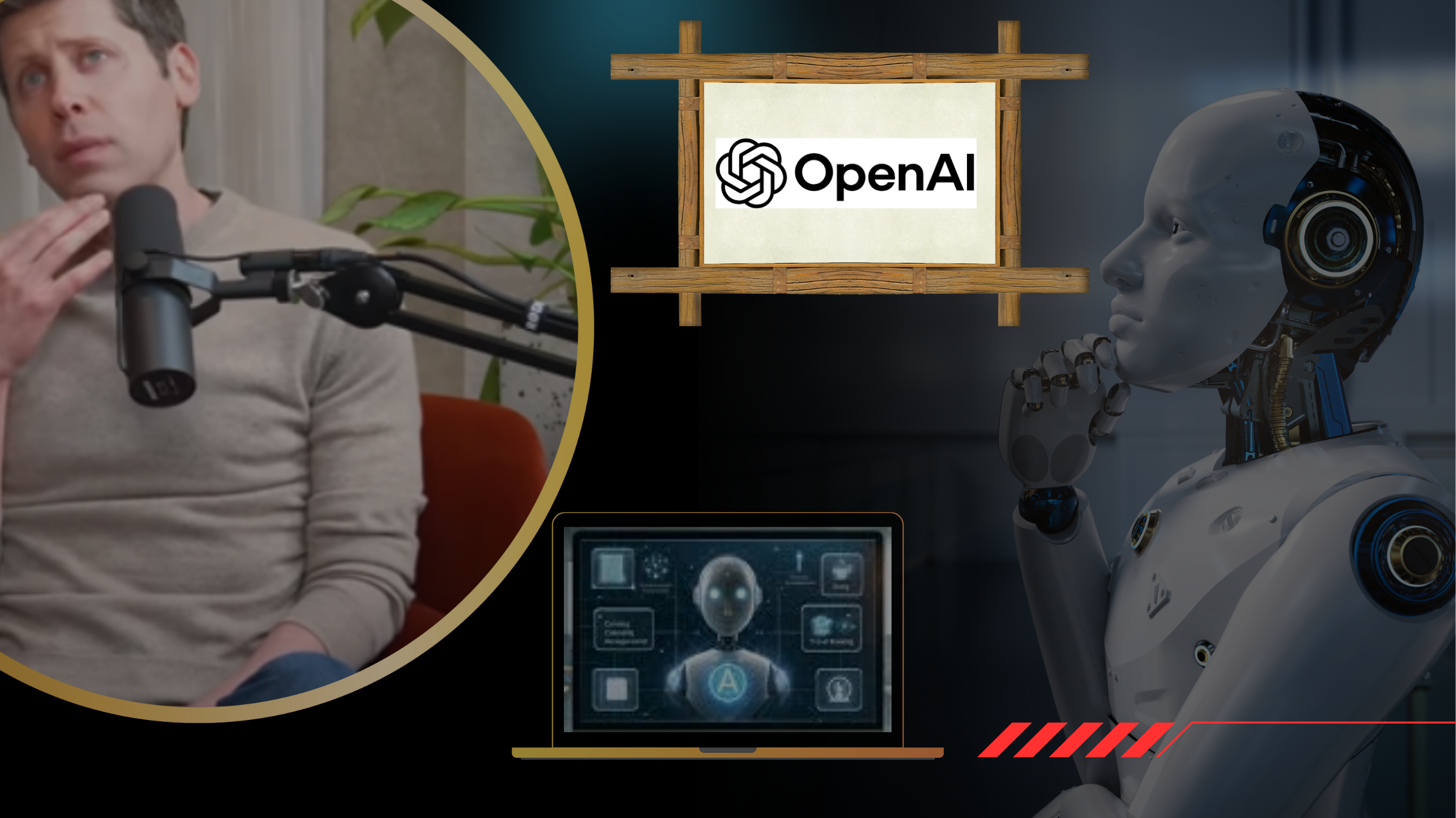
Sam Altman OpenAI

"What Have We Created?": OpenAI’s Sam Altman Admits He’s Scared of ChatGPT’s Next Upgrade

 In a rare and candid moment, OpenAI CEO Sam Altman has confessed that he is genuinely afraid of what’s coming next. Speaking about the upcoming GPT-5, expected to launch as early as August 2025, Altman reportedly expressed shock at the speed, intelligence, and potential impact of the new version of ChatGPT.

“What have we created?” he said — a question that echoes the fears and fascination that surround rapidly advancing AI.

GPT-5: Faster, Smarter, and More Human-like

According to sources close to OpenAI, GPT-5 is set to be a dramatic leap forward in artificial intelligence. Building on the already-powerful GPT-4 and GPT-4o (which introduced multimodal capabilities such as image and voice interaction), GPT-5 is expected to:

  • Understand and generate language at near-human levels

  • Respond instantly to queries with higher accuracy

  • Handle complex reasoning tasks, such as solving math proofs or writing entire software programs

  • Offer deeper emotional awareness and contextual memory

  • Possibly feature autonomous decision-making in some use cases

These capabilities have reportedly stunned even the team that built it.


Why Is Sam Altman Worried?

Altman has long been a vocal advocate of responsible AI development, but his recent remarks suggest a new level of concern. While he didn’t reveal specific incidents or results, insiders say that Altman has seen early demos of GPT-5 that made him question how fast the technology is evolving — and whether society is truly ready for it.

His concern isn’t just about performance. It’s about control.

“We built it, but it’s moving faster than we imagined. It’s both exciting and terrifying,” he reportedly told internal staff.

The Growing Debate: Progress vs. Precaution

Altman’s confession adds fuel to the already heated global debate around AI. Some experts argue that such powerful systems must be regulated and slowed down to avoid societal disruption, misinformation, job displacement, or even loss of human agency.

On the other hand, proponents believe these systems could solve global problems — from climate modeling and drug discovery to education and language translation — at scales never before possible.

Altman himself has often walked a fine line, pushing forward with innovation while calling for international AI safety standards and government oversight.

What Might GPT-5 Mean for Users?

For everyday users of ChatGPT, GPT-5 could bring incredible benefits:

  • Hyper-personalized conversations

  • More reliable and accurate outputs

  • Voice and video integration

  • Instant access to deeper knowledge

But it also raises questions:

  • Will users trust it?

  • Can it be misused?

  • Is it becoming too smart, too fast?

Introduction to SnackVideo – features of snackvideo

  • 1- What is the parent company behind SnackVideo’s development and ownership?
  • 2- How does SnackVideo’s Chinese origin influence its operations and content?
  • 3- What sources of funding have fueled SnackVideo’s growth and expansion?
  • 4- Can you elaborate on SnackVideo’s strategy for global expansion?
  • 5- What are the primary concerns surrounding global bans affecting SnackVideo?
  • 6- How does Snack Video ensure free access to its platform for users?
  • 7- Where are Snack Video’s operational headquarters located?
  • 8- What is the primary base of operations for Snack Video?
  • 9- What factors contribute to Snack Video’s popularity in Asia and the Middle East?
  • 10- How does Spacebar function as Snack Video’s sales partner?
  • 11- What insights has Mr. Gavin Zheng provided regarding Snack Video’s operations?
  • 12- How did SnackVideo emerge as a pioneering force in short-form content?
  • 13- What distinguishes SnackVideo’s user experience from other platforms?
  • 14- In what ways has SnackVideo integrated into everyday life for users?
  • 15- What factors have contributed to SnackVideo’s unparalleled growth?
  • 16- How does SnackVideo utilize diverse marketing tools to reach its audience?
  • 17- Why was the partnership with Spacebar considered a strategic move for SnackVideo?
  • 18- Can you explain the rigorous selection process for content on Snack Video?
  • 19- How does Snack Video enable local advertisers to engage with its platform?
  • 20- What is Snack Video’s vision for the future in terms of quality content and creator support
Hiring Website 1

Introduction to SnackVideo:

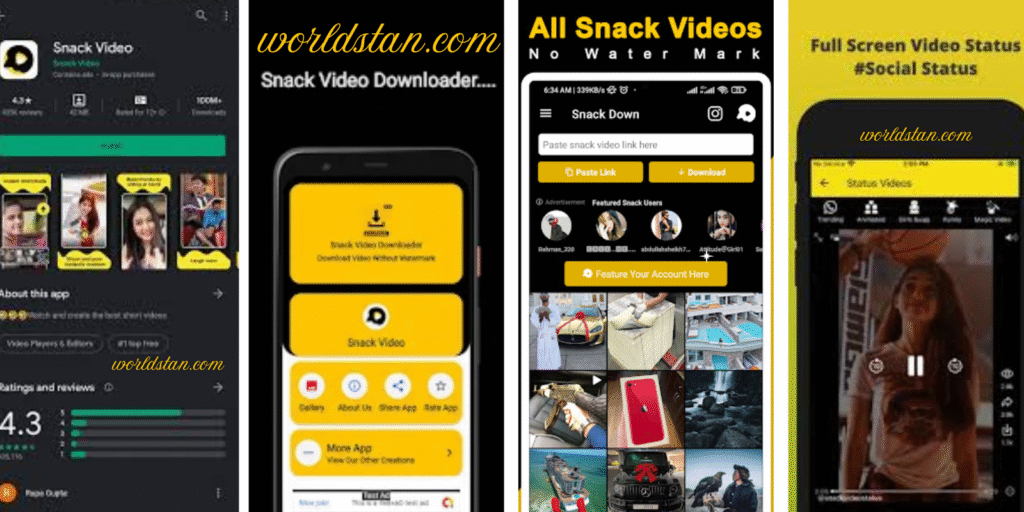
SnackVideo stands out as a popular short-form video platform that has gained prominence in various regions, particularly in Asia and the Middle East. While specific user figures are subject to change and may vary, it is advisable to consult the latest statistics for the most accurate information. The global adoption of short-form video platforms, with some amassing billions of users, underscores their widespread appeal. SnackVideo, belonging to this category, draws in millions, if not more, of users who actively participate in content creation and consumption on a daily basis. The platform’s success can be attributed to its user-friendly interface, diverse content offerings, and the capacity for users to express their creativity through concise videos. To obtain the most recent and precise user statistics, it is recommended to review the latest reports or official statements from the SnackVideo platform.

Understanding SnackVideo's Development and Operations

Development & Ownership:

Founder and CEO of SnackVideo: Kim Kaplan serves as the CEO and founder of the Snack Video Short Video app.

Parent Company:

released by Kuaishou Technology approximately two years ago. Kuaishou Technology is backed by the Chinese company Tencent.In short,  Snack Video is developed by Kuaishou Technology, a Chinese company established in 2011.

Snack Video’s Chinese Origin:

 Snack Video is developed by the renowned Chinese company, Kuaishou Technology, making it a Chinese app.

Funding:

 Kuaishou Technology received substantial funding from Tencent, a prominent Chinese tech giant, reinforcing its Chinese origins and support.

Global Expansion:

 Kuaishou launched SnackVideo in 2020 to compete with TikTok on a global scale.

Global Ban Concerns:

 Due to its Chinese origin, SnackVideo faces bans in several countries.

Free Access to Snack Video:

 Snack Video Apk is available for free download from the website snackvideoapk.com, including the free-to-download SnackVideo Pro version.

Operational Headquarters:

Base of Operations:

Despite its Chinese origins, SnackVideo operates its international business through a registered company in Singapore.

Joyo Technology Pte. Ltd.:

The operational headquarters in Singapore may serve strategic purposes, such as managing regulatory challenges and targeting specific global markets.

SnackVideo’s Popularity in Asia and the Middle East

SnackVideo, a popular short-video platform, has gained immense popularity in  Asia and the Middle East recently.

Spacebar: SnackVideo’s Sales Partner

To further expand its commercial presence in Asia and the Middle East, SnackVideo has appointed Spacebar as their Authorized Sales Partner (ASP).

Insights from Mr. Gavin Zheng

Mr. Gavin Zheng, Head of Kuai International Commercial, shares insights on SnackVideo’s strategies to attract content creators, audiences, and businesses in Asia and the Middle East and beyond.

Discount Up To 50 Off For All Items 1024x512

SnackVideo: Pioneering Short-Form Content

SnackVideo’s Emergence:

 Since 2021, SnackVideo has emerged as a leading platform for short-form video content in Asia and the Middle East.

User Experience:

 Users can unleash their creativity by creating, sharing, and editing short videos on SnackVideo, showcasing their unique style and talent.

Advertising Strategies on SnackVideo

Unparalleled Growth:

SnackVideo’s exponential growth provides companies with unmatched advertising opportunities.

Diverse Marketing Tools:

 From branding ads to performance campaigns, SnackVideo offers a variety of marketing tools and algorithms for effective brand exposure and user engagement.

 The Partnership with Spacebar: A Strategic Move

Rigorous Selection Process:

Spacebar was carefully selected as SnackVideo’s Authorized Sales Partner (ASP) in Asia and the Middle East (not included banned countries).

Enabling Local Advertisers:

The partnership aims to unlock new market potentials, allowing local advertisers to explore different genres and expand their businesses.

SnackVideo’s Vision for the Future

Quality Content:

SnackVideo remains committed to entertaining its audience with high-quality content.

Support for Creators:

 The platform supports creators in producing beneficial content that inspires positive actions.

Integration into Everyday Life:

 SnackVideo aims to become an integral part of everyday life for users in Asia and the Middle East, strengthening its position in the market.

Conclusion:

In conclusion, SnackVideo stands out as a pioneering force in the realm of short-form content, propelled by its strategic development and operational tactics. Originating from China, its parent company has fostered its growth through substantial funding and a vision for global expansion. Despite facing concerns regarding global bans, SnackVideo maintains its free accessibility, captivating audiences across Asia and the Middle East.

Central to its success is the seamless integration of user experience into everyday life, fostering unparalleled growth and engagement. Leveraging diverse marketing tools, including its strategic partnership with Spacebar, SnackVideo has effectively enabled local advertisers, enriching the platform’s ecosystem.

Looking ahead, SnackVideo remains committed to its vision of curating quality content and supporting creators, driving its advertising strategies forward. Through rigorous selection processes and a focus on user engagement, SnackVideo continues to redefine the landscape of short-form video platforms, paving the way for innovative content creation and consumption experiences in the digital age.

Prof. Mian Waqar Ahmad

Prof. Mian Waqar Ahmad

Prof. Mian Waqar Ahmad, a dynamic force straddling the realms of academia and digital media. As a distinguished Lecturer in Information Sciences, he imparts knowledge within the academic sphere, igniting the minds of his students. Beyond the classroom, Prof. Mian Waqar Ahmad dons the hat of a seasoned blogger on Worldstan.com, where his insightful posts delve into the intricacies of information sciences. His digital footprint extends even further as a YouTuber, leveraging the platform to share his expertise and make complex concepts accessible to a global audience. Prof. Mian Waqar Ahmad’s journey embodies the fusion of traditional education and contemporary digital outreach, leaving an indelible mark on the evolving landscape of information sciences. Explore his world at Worldstan.com and witness the convergence of academia and the digital frontier.