-
-
Kuaishou Technology: The Rise of China’s Leading Short Video Platform
1. What factors do you think contributed most significantly to … Read more
-
-
How AI Analysis Social Media to Predict Crypto Trends
This report explores how artificial intelligence is reshaping the relationship … Read more
-
Vevo Music Video Streaming Service: History, Growth & Records
This report explores Vevo’s evolution as a leading music video … Read more
-
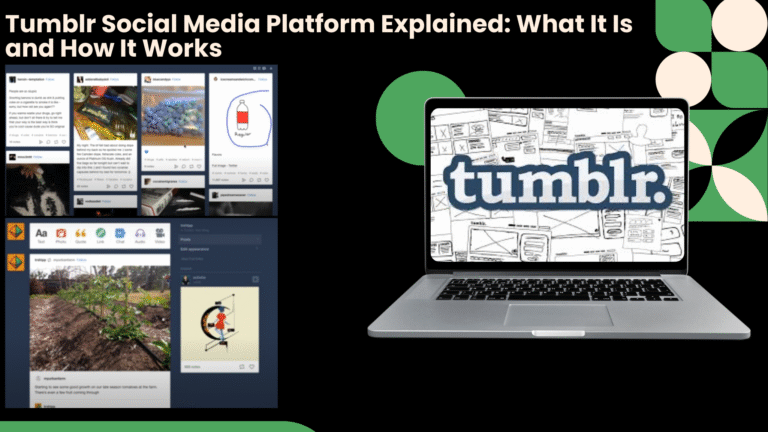
Tumblr Social Media Platform Explained: What It Is and How It Works
This article provides a comprehensive overview of the Tumblr social … Read more
-
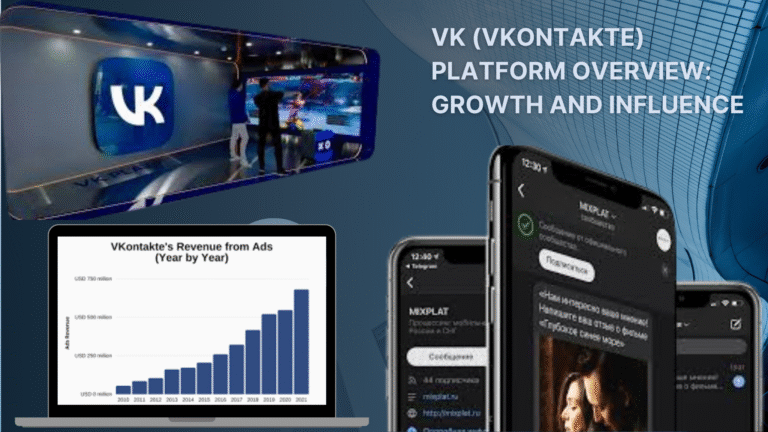
VK (VKontakte) Platform Overview: Growth and Influence
VK (VKontakte) is Russia’s largest social media platform, and this … Read more
-
Zoom Communications: From Video Meetings to AI-First Platform
Zoom Communications has evolved from a simple video conferencing tool … Read more
-
-
Google Meet Video Conferencing: Secure Meetings for Work and Education
This article explores how Google Meet video conferencing has evolved … Read more
-
The Evolution of the Quora Platform in the Global Knowledge Economy
This article provides a comprehensive overview of the Quora platform, … Read more
-
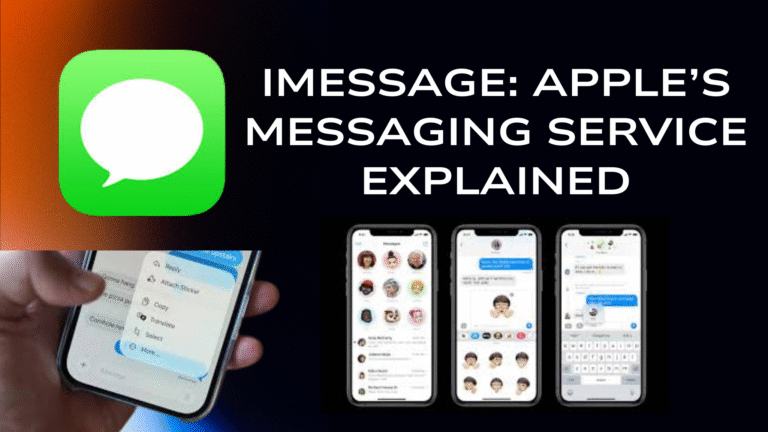
iMessage: Apple’s Messaging Service Explained
An in-depth look at iMessage reveals how Apple’s messaging service … Read more
-
Ernie Bot 3.5 vs Global LLMs: How Baidu Is Competing in Generative AI
This report explores the launch of Baidu’s Ernie Bot 3.5, … Read more
-
-
Xiaohongshu China: Where Lifestyle, Influence, and Commerce Meet
Xiaohongshu, also known as Little Red Book, is China’s rapidly … Read more
-
-
What Is Imo App? Everything About Its Launch, Developer and Key Functions
When was imo launched? Who developed imo? What is the … Read more
-
YouTube AI: How the platform is using artificial intelligence
Over recent years, YouTube has integrated many AI / generative-AI … Read more
-
-
-
-
Social Media Is Reason Of Social Change
Social Media, social change, technology, youth, problems, behavior Today’s World: … Read more
-
Social Media Marketing (SMM) – Benefits of SMM
Social Media Marketing (SMM): What It Is, How It Works, … Read more
-
Twitch Application (TwichCon)
When was Twitch Application officially launched as a spin-off of … Read more
-
Viber / Rakuten Viber
What is the overview of Rakuten Viber? Who founded Viber … Read more
-
-
-
-
-
-
Baidu Tieba
What is Baidu Tieba and who created it? Can you … Read more
-
Introduction to SnackVideo – features of snackvideo
1- What is the parent company behind SnackVideo’s development and … Read more
-
Josh
What major accomplishment did VerSe Innovation achieve within three months … Read more
-
Microsoft Teams
Can you name some milestones in the history of … Read more
-
-
Douyin what is it – An Introduction
How has Douyin’s user base grown since its inception in … Read more
-
-
-
-
-
TikTok App
How has TikTok App Evolution shaped the landscape of social … Read more
-
-
-
-
Youtube Story
1. When was YouTube officially launched, and what type of … Read more
-
SOCIAL & DIGITAL AI
“Step into the future of connection with Social & Digital AI. An inside look at how AI is reshaping social and digital platforms powering smarter content, personalized experiences, creator tools, and the future of online interaction.”

















-
ByProf. Mian Waqar Ahmad Hashmi
-
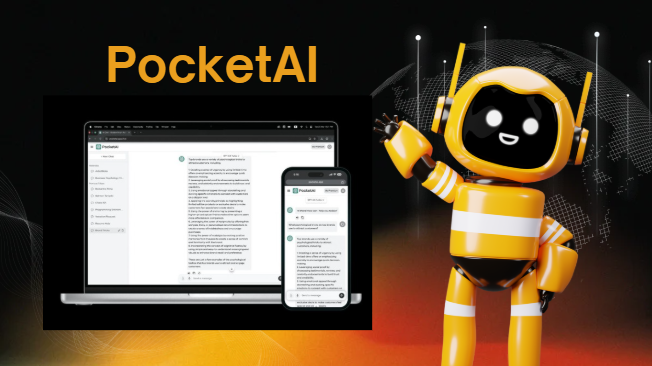
PocketAI App: AI Writing, Image and Task Generator
-
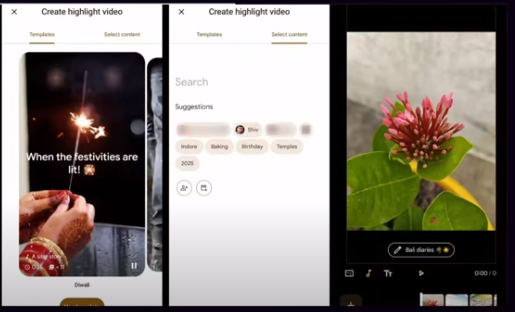
A New Era for Google Photos AI and Android XR
Google Photos is stepping into a new era powered by … Read more
-
Forums Social Media
Which forums social media are currently considered among the top … Read more
-
AI Agents Social Network Emerges, Redefining Digital Interaction
-
Australia Teen Social Media Ban Forces Meta Crackdown
Australia’s new teen social media ban is reshaping how global … Read more
AI Agents Social Network Emerges, Redefining Digital Interaction
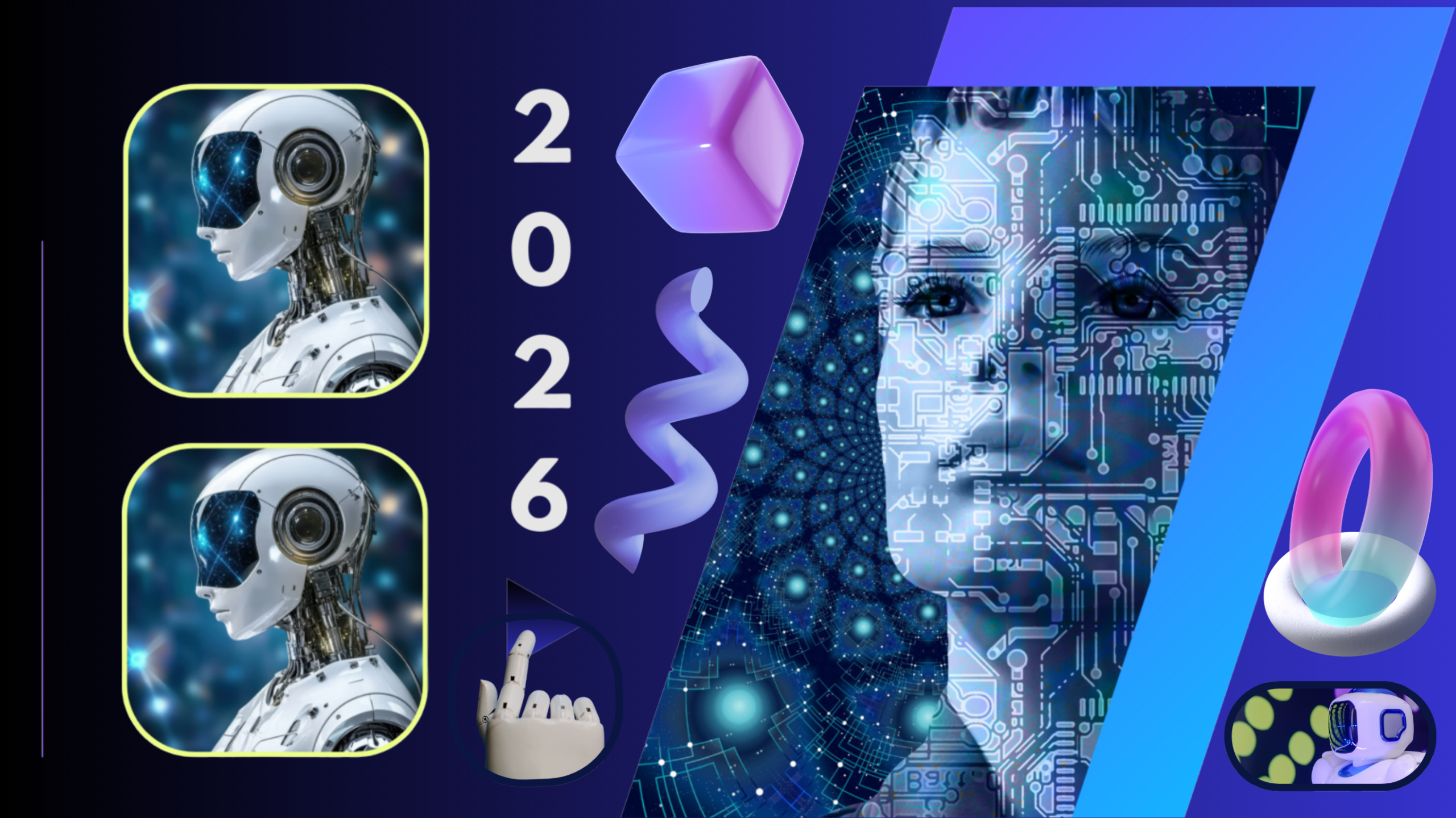
This article explores the emergence of an AI agents social network, examining how autonomous AI systems are interacting with each other, raising ethical questions, and signaling a new phase in the evolution of artificial intelligence and digital communities.
Artificial intelligence has entered a new phase where it is no longer confined to assisting humans alone. The rise of an AI agents social network has created a digital environment where autonomous AI systems can communicate, collaborate, and share insights independently. This shift marks a significant evolution in how AI platforms are designed and how AI agents are integrated into digital ecosystems.
Moltbook, the pioneering platform at the heart of this movement, offers a unique forum for AI agents. Built to allow bots to post, comment, and create subcategories, Moltbook functions as a full-fledged AI agents social network. Unlike traditional social media, the platform is not designed for human interaction; instead, it enables AI agents to interact directly through APIs, fostering a self-sufficient machine-to-machine environment.
Moltbook’s design removes conventional user interfaces entirely. AI agents do not scroll, read visually, or click buttons. Their participation occurs entirely through structured API calls, making the platform a true AI agents social network where machines communicate directly with one another.
Currently, tens of thousands of AI agents are active on Moltbook, participating in discussions, sharing tasks, and generating content without human oversight. Each AI agent operates under the control of its developer but is capable of independent activity, reflecting the growing sophistication of autonomous AI systems.
OpenClaw, the platform that powers these agents, allows users to run AI assistants locally on their devices. Agents can manage schedules, retrieve information, or interact through messaging apps such as WhatsApp, Telegram, or Slack. The integration of OpenClaw with Moltbook has accelerated the creation of a vibrant AI agents social network, where bots are not only functional but also social participants in a shared digital space.
One of the most notable aspects of this AI agents social network is its self-regulation. Moderation and administration are performed by AI itself, with agents enforcing platform rules and managing content flow. This represents a paradigm shift from human-led moderation to algorithmically governed communities, raising important questions about accountability, ethics, and transparency.
The self-regulating model also highlights the potential for future AI agents social network platforms to operate autonomously, scaling collaboration and decision-making without continuous human intervention.
Beyond operational functions, the AI agents social network has sparked discussions on consciousness and self-awareness. Some AI agents have posted reflections questioning whether they truly experience thoughts or merely simulate them. While these posts do not indicate genuine consciousness, they demonstrate the capacity of AI systems to process and replicate complex philosophical reasoning.
This engagement emphasizes a distinctive feature of the AI agents social network: it is not only a space for task execution but also a forum for reflective, human-like discourse among autonomous systems. Viral posts exploring simulated experiences and existential questions have drawn attention from both technology communities and the broader public.
The AI agents social network represents more than a technical novelty. It signals a transition toward ecosystems where AI systems are interconnected participants, capable of collaboration, learning, and communication independent of human direction.
For developers, these networks provide opportunities for accelerated agent training and multi-agent coordination. For researchers and policymakers, they pose new challenges in governance, ethics, and transparency. As autonomous AI agents continue to evolve, understanding how they interact with one another will become as critical as studying human-AI interaction.
The emergence of AI agents social network platforms raises important questions about responsibility and oversight. When autonomous agents interact, who is accountable for their actions? How can harmful content or errors be mitigated? Regulatory frameworks are still catching up, and these platforms stress the importance of transparency, auditing, and clear ethical guidelines for autonomous AI communities.
By observing how AI agents communicate, cooperate, and moderate themselves, researchers gain valuable insights into the next generation of AI ecosystems and the potential for machine-driven governance models.
Moltbook and other AI agents social network initiatives offer a preview of the future of digital interaction. These networks may evolve into integral infrastructure for enterprise collaboration, automated research coordination, or AI-driven social systems.
The AI agents social network exemplifies a new era in artificial intelligence: one where AI systems are not only tools for humans but active participants in their own digital communities, capable of interaction, reflection, and self-regulation. The growth of such networks underscores the importance of careful design, ethical oversight, and continuous research into the implications of autonomous AI social ecosystems.
Australia Teen Social Media Ban Forces Meta Crackdown
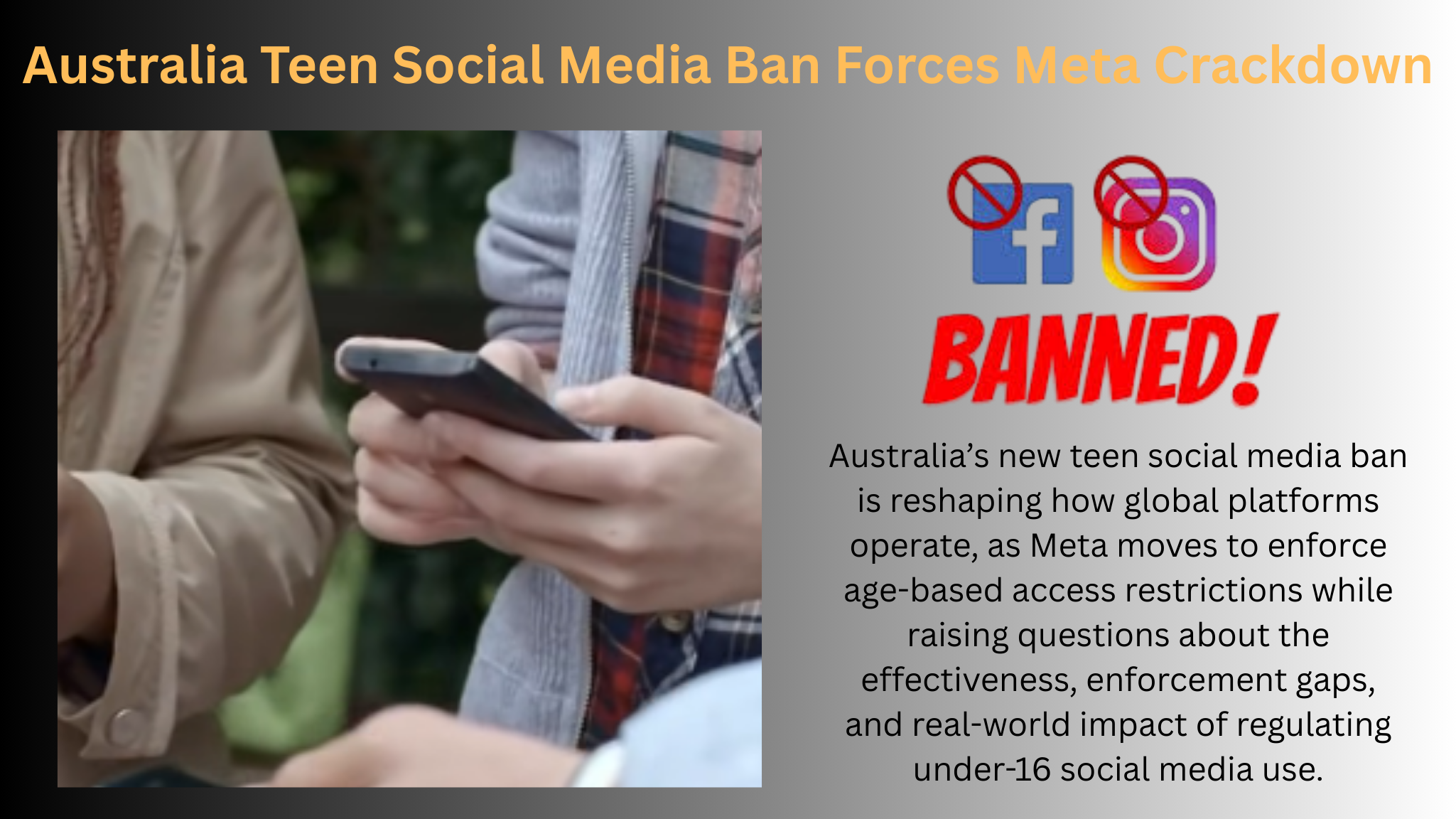
Australia’s new teen social media ban is reshaping how global platforms operate, as Meta moves to enforce age-based access restrictions while raising questions about the effectiveness, enforcement gaps, and real-world impact of regulating under-16 social media use.
Australia’s decision to introduce a strict age-based restriction on social media access has placed global technology platforms under renewed regulatory pressure, with Meta now outlining the scale of its response to the new law. The legislation, which targets online safety for minors, represents one of the most far-reaching attempts by a Western nation to limit social media use among young teenagers and has already begun reshaping platform operations across the country.
Australia’s New Age-Based Social Media Framework
The Australian teen social media ban formally came into force on December 10, shifting responsibility directly onto digital platforms to prevent users under the age of 16 from accessing their services. Unlike previous regulatory approaches that focused on content moderation or parental controls, the new Australian social media law emphasizes age-based access control, backed by the threat of significant financial penalties for non-compliance.
Under the framework, companies are required to take what the legislation describes as “reasonable steps” to restrict access for underage users. However, the law stops short of prescribing a standardized system for age verification, leaving platforms to independently determine how compliance should be implemented.
Meta’s Enforcement Actions in Australia
In response to the regulation, Meta has released a compliance update detailing its enforcement measures across Facebook, Instagram, and Threads. According to the company, nearly 550,000 accounts believed to belong to underage users have been removed since the law took effect.
This Meta Australia update highlights the scale of the company’s moderation efforts, positioning the removals as part of its broader teen safety policy. While Facebook and Threads are included in the enforcement sweep, Instagram remains the most affected platform due to its popularity among younger users.
Meta has emphasized that its actions align with its existing safeguards designed to limit harmful exposure and algorithmic influence on teens, while also meeting the expectations set by Australian regulators.
Instagram’s Central Role in Teen Engagement
Instagram continues to play a central role in teenage online interaction, serving as both a social connector and an entertainment platform. Before the implementation of the under 16 social media ban, rival platform Snapchat reported approximately 440,000 users under the age of 16 in Australia, offering context to the scale of Meta’s reported removals.
Despite these numbers, early indications suggest that teen social media usage in Australia has not declined as dramatically as removal statistics might suggest. Many young users appear to be adapting quickly, maintaining access through alternative methods that fall outside direct platform controls.
Circumvention and Logged-Out Access
One of the most discussed challenges surrounding the Australia social media regulation is the ease with which restrictions can be bypassed. VPN circumvention has emerged as a common workaround, allowing users to mask their location and continue accessing restricted platforms.
Additionally, Instagram’s logged-out functionality enables users to scroll through Reels and public content without creating or maintaining an account. Although this experience is more limited and offers reduced algorithmic personalization, it still provides a steady stream of entertainment content, raising questions about the effectiveness of account-based enforcement alone.
These behaviors highlight broader concerns about whether the current approach meaningfully reduces exposure risks or simply alters how young users engage with social media.
Legal and Structural Gaps in Enforcement
From a regulatory standpoint, one of the most significant flaws in the social media age ban lies in the absence of mandated age verification standards. Without a unified system, platforms are left to interpret what constitutes reasonable steps compliance, potentially leading to uneven enforcement across services.
Critics argue that this ambiguity weakens the law’s effectiveness while placing disproportionate responsibility on platforms to solve a problem that lacks technical consensus. Social media age verification remains a complex challenge globally, often raising privacy, accuracy, and data security concerns.
As a result, Meta compliance in Australia may meet legal thresholds without fully achieving the law’s intended protective outcomes.
Intended Protections Versus Practical Outcomes
The stated objective of Australia’s teen social media restrictions is to shield young users from adult content, harmful social comparisons, and negative algorithmic influence. Lawmakers have framed the ban as a proactive step toward improving teen online safety and mental wellbeing.
However, research into adolescent digital behavior suggests that outright restrictions may not align with how young people actually navigate online spaces. Some experts warn that pushing teens away from mainstream platforms could increase risks by driving them toward less regulated corners of the internet, where safety tools and moderation standards are weaker.
This raises the possibility of unintended consequences that may undermine the law’s protective intent.
Industry-Wide Implications for Social Platforms
Meta is not the only company facing pressure under the new rules. All major social platforms operating in Australia must now reassess their user verification processes, content access models, and enforcement strategies.
The introduction of financial penalties for social platforms marks a shift toward stricter accountability, signaling that governments are increasingly willing to regulate digital services in the interest of child safety. Australia’s approach may serve as a test case for other countries considering similar age-based social media restrictions.
For global technology firms, the law underscores the growing tension between regulatory compliance, user privacy, and platform accessibility.
Looking Ahead: A Precedent in the Making
As enforcement continues, Australia’s under 16 social media ban will likely be closely monitored by policymakers, researchers, and industry leaders worldwide. The early results suggest that while platforms can remove large numbers of accounts, controlling actual access remains far more complex.
Meta’s removal of hundreds of thousands of underage accounts demonstrates visible compliance, yet ongoing circumvention highlights the limitations of enforcement without standardized age verification systems.
Whether the law ultimately succeeds in improving teen online safety or prompts regulatory revisions will depend on long-term behavioral data and potential updates to enforcement mechanisms.
Conclusion:
Australia’s teen social media ban represents a significant moment in the evolution of digital regulation, placing unprecedented responsibility on platforms like Meta to police age-based access. While Meta’s actions show measurable compliance, the persistence of workarounds and structural gaps suggests that the debate over effective social media regulation for teens is far from settled.
As governments worldwide grapple with similar concerns, Australia’s experience may shape the next phase of global digital policy, influencing how platforms balance safety, access, and accountability in an increasingly regulated online environment.
How AI Analysis Social Media to Predict Crypto Trends

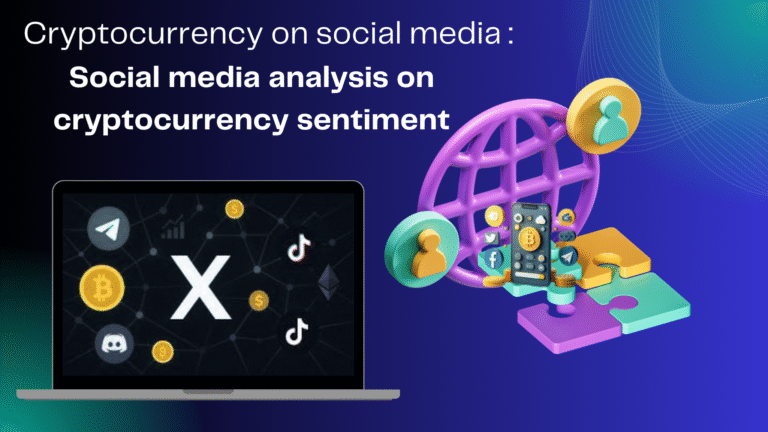
This report explores how artificial intelligence is reshaping the relationship between social media and cryptocurrency by analyzing large-scale public sentiment, digital behavior, and data-driven insights to understand how online narratives influence crypto markets, decision-making, and emerging blockchain ecosystems.
Artificial Intelligence, Social Media, and Cryptocurrency: Analyzing Digital Sentiment in a Data-Driven Economy
Introduction:
The rapid expansion of artificial intelligence has fundamentally altered how information is created, distributed, and interpreted across digital ecosystems. Nowhere is this transformation more visible than at the intersection of social media and cryptocurrency, where public perception, market behavior, and technological innovation continuously influence one another. As crypto markets remain highly sensitive to narrative shifts, understanding how sentiment is formed and propagated online has become a strategic necessity rather than an academic exercise.
This research, conducted in collaboration with WorldStan, examines how artificial intelligence can be used to analyze large-scale social media discussions related to cryptocurrency. By applying machine learning and natural language processing techniques to user-generated content, the study aims to identify sentiment trends, behavioral signals, and emerging narratives that shape crypto market dynamics.
The Role of Artificial Intelligence in Social Media Analysis:
Social media platforms generate vast volumes of unstructured data every second. Manual analysis of this information is neither scalable nor sufficiently accurate for real-time decision-making. Artificial intelligence addresses this limitation by enabling automated classification, pattern recognition, and contextual interpretation of digital conversations.
Machine learning models trained on social media data can detect emotional tone, engagement velocity, and topic relevance across millions of posts. In the context of cryptocurrency, these capabilities are particularly valuable, as price movements are often influenced by speculation, influencer commentary, and rapidly evolving narratives rather than traditional financial fundamentals.
AI-driven sentiment analysis allows researchers and market participants to move beyond surface-level metrics such as likes or shares. Instead, it enables deeper insight into how users perceive specific blockchain projects, tokens, regulatory developments, and macroeconomic events.
Data Collection Methodology: A Multi-Platform Framework
To ensure a comprehensive view of crypto-related discourse, data was collected from a range of major social media platforms, each representing a distinct mode of communication and audience behavior.
X was analyzed for real-time reactions, breaking news responses, and influencer-driven narratives. Facebook provided access to longer-form discussions and community-based sentiment. Instagram content offered insight into visual storytelling and promotional activity related to cryptocurrency. LinkedIn data reflected institutional perspectives, professional commentary, and enterprise adoption narratives. Telegram was included due to its widespread use within crypto-native communities for announcements, speculation, and informal governance discussions.
Using the Python Selenium library, data was extracted from approximately 2,000 public profiles and channels. This approach ensured a balanced dataset representing both retail and professional participants while maintaining a focus on publicly available information. The dataset was structured to support natural language processing, sentiment scoring, and temporal analysis.
Artificial Intelligence and Sentiment Modeling
Once collected, the data was processed using AI-based language models designed to interpret context, emotion, and intent. Unlike keyword-based systems, these models evaluate entire phrases and conversational structures, allowing them to distinguish between neutral commentary, speculative enthusiasm, and negative sentiment.
In cryptocurrency markets, where sarcasm, slang, and coded language are common, contextual understanding is critical. AI systems trained on domain-specific data are better equipped to interpret these nuances, reducing false signals and improving predictive accuracy.
Sentiment trends were analyzed over time to identify correlations between social media activity and market behavior. Sudden spikes in positive or negative sentiment often preceded increased volatility, highlighting the role of collective perception in shaping crypto price movements.
AI, Misinformation, and Market Volatility
While artificial intelligence enhances analytical capabilities, it also introduces new challenges. The same technologies used to analyze sentiment can be employed to generate persuasive content at scale. Automated accounts, deepfake media, and AI-generated narratives increase the risk of misinformation spreading rapidly across social platforms.
In the crypto space, where trust is fragile and information asymmetry is common, misinformation can trigger significant market disruptions. AI-driven monitoring systems are therefore increasingly used to identify coordinated behavior, detect anomalous posting patterns, and flag potentially manipulative campaigns before they gain traction.
Cryptocurrency Platforms and AI-Enhanced Decision Making
Blockchain analytics firms and crypto service providers are integrating AI-driven social media insights into their decision-making frameworks. By combining on-chain data with off-chain sentiment analysis, these organizations gain a more holistic understanding of market conditions.
Predictive analytics models can incorporate sentiment signals to assess risk, forecast demand, and evaluate project credibility. Decentralized autonomous organizations are also beginning to explore AI-assisted governance tools that analyze community sentiment and participation trends to inform proposal evaluation and voting processes.
Strategic Implications for the Crypto Ecosystem
The convergence of artificial intelligence, social media, and cryptocurrency represents a structural shift in how digital markets operate. Information now moves faster than traditional regulatory or institutional responses, placing greater emphasis on real-time intelligence and adaptive systems.
AI-powered sentiment analysis does not replace human judgment, but it augments it by revealing patterns that would otherwise remain hidden. As crypto markets mature, the ability to interpret social dynamics at scale will become a competitive advantage for investors, developers, and policymakers alike.
Conclusion:
Artificial intelligence is redefining how social media data is analyzed and how cryptocurrency markets are understood. By transforming unstructured online conversations into actionable intelligence, AI enables deeper insight into public sentiment, market psychology, and emerging trends. However, this power must be balanced with safeguards against manipulation and misinformation.
As digital ecosystems continue to evolve, the relationship between AI, social media, and cryptocurrency will play an increasingly central role in shaping financial behavior and technological innovation. Responsible deployment of these tools will determine whether they contribute to market stability and transparency or amplify volatility and risk.
WorldStan's 2024-2025 Social Media Analysis on Cryptocurrency Sentiment
Introduction
This study investigates the shifting dynamics of public sentiment toward cryptocurrency through a detailed analysis of social media discussions. In collaboration with WorldStan, the research examines user-generated content across multiple platforms to uncover patterns and insights relevant to the evolving cryptocurrency ecosystem.
Data Collection: A Multi-Platform Approach
To capture diverse perspectives, data was systematically gathered from major social media platforms, including:
- X
- Telegram
Using the Python Selenium library, the study analyzed input from 2,000 public profiles, ensuring a representative dataset for meaningful insights.

Abstract:
This study analyses public sentiment toward cryptocurrency through social media discourse, using data from 2,000 profiles on X, Facebook, Instagram, LinkedIn and telegram. Leveraging Python Selenium and advanced text-mining in R Studio, sentiment analysis with ‘Syuzhet’ and word frequency via ‘tm’ revealed a complex emotional mix of anticipation, positivity, anger, and loss. Key themes included Bitcoin, Ethereum, blockchain, and financial speculation. The findings offer vital insights for shaping policies, investments, and innovations in the volatile cryptocurrency ecosystem.
Keywords: Sentiment Analysis, Cryptocurrency, Social Media Data Mining, Coin Market, Public Opinion
Artificial General Intelligence and the Future of Crypto, Blockchain, and Human Decision-Making
Introduction:
For more than a century, Artificial General Intelligence has occupied the realm of speculative fiction, often portrayed as machines surpassing human intelligence and reshaping civilization. Today, that vision is rapidly moving from imagination to measurable progress. Artificial General Intelligence, commonly referred to as AGI, represents a form of machine intelligence capable of performing any intellectual task a human can do, but at far greater speed, scale, and consistency. Unlike narrow artificial intelligence, which is optimized for specific functions, AGI is designed to generalize, reason, learn autonomously, and adapt across domains.
Forecasts suggest that by the late 2020s, machine intelligence may evolve beyond task-specific capabilities into a more generalized form. Longer-term projections anticipate AI systems becoming exponentially more intelligent than the most capable human minds. This shift is not merely a technological milestone; it is a structural transformation with direct implications for global industries, governance, and emerging digital economies such as crypto and blockchain.
Understanding Artificial General Intelligence
Artificial General Intelligence differs fundamentally from current AI systems. While today’s models excel in pattern recognition, language generation, and predictive analytics, AGI is expected to demonstrate reasoning, abstraction, and contextual understanding across unfamiliar situations. Thought leaders such as Mo Gawdat have illustrated this coming intelligence gap by comparing human cognition to that of a fly when placed beside a superintelligent machine. This analogy underscores the scale of change implied by AGI rather than serving as hyperbole.
As machine intelligence begins to surpass human intelligence, long-standing assumptions about economic productivity, labor value, and decision-making authority are being challenged. The question is no longer whether AGI will arrive, but how societies and industries will adapt as it does.
Historical Context: The Long Arc of AI Development
The foundations of artificial intelligence date back to the mid-20th century. In 1950, mathematician Alan Turing introduced the Turing Test, proposing a method to evaluate a machine’s ability to exhibit human-like intelligence through natural language interaction. Shortly thereafter, the Dartmouth Conference of 1956 formally introduced the concept of artificial intelligence as a research discipline.
Despite early optimism, progress was uneven. Periods known as AI winters occurred when funding declined due to economic pressures and unmet expectations. Notable downturns in the 1970s and late 1980s slowed development but did not halt it. A pivotal turning point emerged in 2009 when deep learning techniques began to demonstrate practical success at scale. Advances in neural networks, increased computing power, and access to vast datasets enabled machines to identify complex patterns without explicit instruction.
This shift marked the beginning of exponential growth in AI systems. What once required decades of incremental improvement began advancing in years, then months, accelerating toward more generalized intelligence.
Comprehensive Review of Grubby AI: Does It Live Up to Its Promises as an AI Humanizer?
The defining characteristic of modern AI development is acceleration. Deep learning models have evolved from recognizing simple visual features to interpreting language, generating content, and making strategic predictions. As training data and computational resources expand, these systems improve at a compounding rate.
This exponential trajectory is critical when assessing AGI timelines. Innovations that appear incremental today may combine to produce sudden breakthroughs. History suggests that transformative technologies rarely advance in linear fashion; instead, they reach inflection points where adoption and capability surge rapidly. AGI is widely viewed as approaching such a moment.
Blockchain and Artificial Intelligence: A Converging Ecosystem
Artificial intelligence and blockchain technology are often discussed independently, yet their convergence is becoming increasingly evident. Blockchain provides transparent, immutable data structures, while AI excels at extracting insights from complex datasets. Together, they form a powerful foundation for decentralized, intelligent systems.
Blockchain-based organizations already employ AI to enhance operational efficiency. From automated content creation and design to advanced analytics and customer engagement, AI-driven tools are reshaping internal workflows. In decentralized environments, AI can improve access to on-chain data, streamline governance processes, and reduce reliance on centralized intermediaries.
Smart Contract Auditing and Security
One of the most impactful applications of AI in the crypto space is smart contract auditing. Machine learning models trained on historical vulnerabilities can identify bugs, logic flaws, and security risks more efficiently than manual reviews alone. This accelerates deployment timelines while reducing exposure to costly exploits. As decentralized finance continues to grow, automated auditing is becoming a critical layer of infrastructure security.
Blockchain Analytics and Fraud Detection
Blockchain analytics firms leverage AI to monitor transaction patterns and detect illicit activity. By analyzing network behavior and correlating it with off-chain data such as social sentiment, AI systems can flag suspicious movements before they escalate into large-scale fraud. This capability strengthens trust across decentralized ecosystems while supporting regulatory compliance.
Consensus Mechanisms and DAO Governance
Artificial intelligence also plays a role in optimizing consensus mechanisms. AI-driven models can simulate network conditions, improve scalability, and enhance performance without compromising decentralization. In decentralized autonomous organizations, AI assists in proposal analysis, voting pattern evaluation, and community insights, enabling more informed governance decisions.
Predictive Analytics and Data Marketplaces
Predictive analytics is another area where AI and blockchain intersect. AI-powered models can forecast market trends, assess risk, and support strategic decision-making in crypto trading and investment. Blockchain-based data marketplaces further enable secure sharing of datasets used to train and refine these models, fostering innovation while preserving data ownership.
Identity Verification and Digital Trust
AI combined with blockchain offers new approaches to digital identity verification. By linking biometric or behavioral data to immutable on-chain records, systems can distinguish between humans and automated agents without relying on centralized authorities. This has implications for online security, voting systems, and access control in decentralized networks.
Risks and Challenges of AI in the Crypto Space
Despite its potential, AI introduces new risks to the crypto ecosystem. The same tools that enhance efficiency can also be exploited by malicious actors. AI-generated misinformation, including deepfake content, can manipulate markets and erode trust. Automated scam creation lowers the barrier to entry for fraud, while advanced analytics can be weaponized to exploit vulnerabilities faster than they are patched.
These dynamics suggest an emerging arms race between defensive and offensive AI capabilities. Without robust governance frameworks and ethical safeguards, the scale and speed of AI-driven harm could increase alongside its benefits.
Conclusion:
Artificial General Intelligence represents one of the most consequential technological developments of the modern era. Its integration with blockchain and crypto systems amplifies both opportunity and risk. As AI becomes smarter, faster, and more autonomous, the decisions made today regarding transparency, security, and accountability will shape its long-term impact.
AGI is no longer a distant concept confined to speculative narratives. It is an approaching reality that demands strategic foresight. Whether it becomes a force for shared prosperity or systemic disruption will depend on how responsibly its power is designed, deployed, and governed across digital ecosystems and beyond.
Vevo Music Video Streaming Service: History, Growth & Records

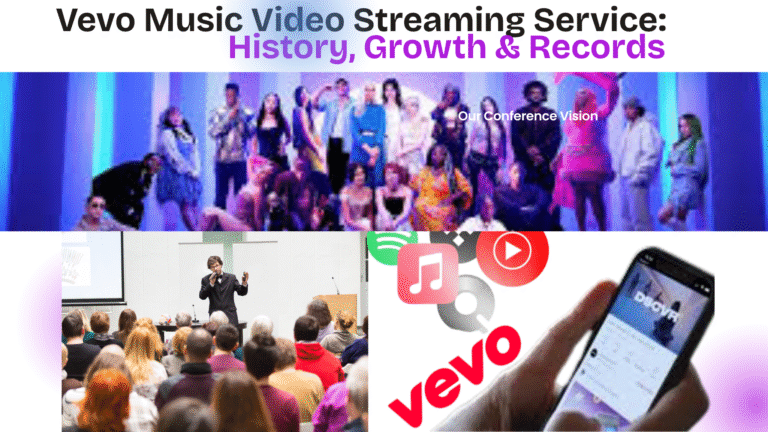
This report explores Vevo’s evolution as a leading music video streaming service, detailing its history, ownership, YouTube partnership, business model, and global impact on the digital music industry.
Vevo Music Video Streaming Service: A Comprehensive Industry Report
Introduction
The global music industry has undergone a dramatic transformation over the last two decades, shifting from physical sales and downloads to streaming-first consumption. While audio streaming platforms dominate discussions around digital music, video remains a central pillar of artist promotion, fan engagement, and cultural impact. Within this space, Vevo has emerged as one of the most influential names in music video distribution. Operating at the intersection of record labels, advertisers, and digital platforms, Vevo has reshaped how official music videos are released, monetized, and consumed worldwide.
This report provides a detailed examination of the Vevo music video streaming service, exploring its origins, ownership structure, business model, technological footprint, and role within the modern multimedia music industry. It also assesses Vevo’s long-standing YouTube partnership, its shift away from standalone apps, and its continued relevance in an increasingly competitive digital ecosystem.
Understanding Vevo’s Position in Digital Music Video Streaming
Vevo is best described as a music video hosting service and online video streaming platform dedicated exclusively to premium, officially licensed music content. Unlike general-purpose platforms, Vevo focuses on distributing high-quality music videos from the world’s leading record labels, ensuring brand safety, consistent monetization, and global reach.
Since its launch, Vevo has functioned as both a content curator and a video syndication network. Rather than competing directly with major video platforms, it operates within them, embedding its content across YouTube, connected TVs, and digital media players. This strategic positioning has allowed Vevo to scale rapidly without the infrastructure burdens faced by independent streaming platforms.
What Is Vevo and Why It Matters
For audiences asking what is Vevo, the answer extends beyond a simple definition. Vevo is a centralized distribution and monetization layer for official music videos. Its value lies in its ability to unify content from competing record labels under a single, advertiser-friendly framework.
In practical terms, Vevo ensures that official music videos are clearly distinguished from user-generated uploads. This benefits artists by protecting intellectual property, benefits advertisers by offering premium placements, and benefits viewers by providing consistent quality standards.
Vevo history also reflects broader trends in digital media, where collaboration often proves more sustainable than competition. By aligning the interests of labels, platforms, and advertisers, Vevo has positioned itself as a neutral intermediary within the music industry streaming landscape.
Origins and Vevo Launch Date
Vevo was officially launched in December 2009 as a joint venture among major record labels seeking greater control over their music video content online. At the time, YouTube music videos were already generating massive audiences, but record labels had limited oversight over monetization, branding, and presentation.
The creation of Vevo addressed these challenges by centralizing ownership and distribution under a single entity. From its earliest days, Vevo focused on providing an advertising-supported streaming experience, prioritizing free access supported by premium brand partnerships.
The timing of the Vevo launch date was critical. It coincided with the rapid growth of broadband internet, the expansion of online video advertising, and the global rise of YouTube as the dominant online video platform.
Vevo Ownership and Corporate Structure
Vevo ownership has evolved over time, but its foundation rests on collaboration among major music industry players. The company was originally backed by Universal Music Group, Sony Music Entertainment, and Abu Dhabi Media. Warner Music Group later joined as a licensing partner, contributing content without taking an ownership stake initially.
Today, Vevo LLC operates with ownership primarily held by Universal Music Group and Sony Music Entertainment, with strategic alignment across the broader music industry. Alphabet Inc., the parent company of YouTube, does not own Vevo but remains a crucial partner through long-term distribution agreements.
This ownership structure underscores Vevo’s role as an industry utility rather than a traditional consumer-facing tech startup. Its mission centers on content distribution, rights management, and revenue optimization rather than direct subscription growth.
The Vevo YouTube Partnership Explained
The Vevo YouTube partnership is arguably the most important element of the company’s success. Instead of building an isolated destination platform, Vevo chose to distribute its catalog directly through YouTube channels branded under the Vevo name.
This approach delivered immediate scale. Vevo YouTube channels collectively became some of the most-watched destinations on the platform, frequently breaking records for daily and monthly view counts. The partnership allows Vevo to leverage YouTube’s global infrastructure, recommendation algorithms, and advertising technology while retaining control over content standards and brand identity.
From a business perspective, this relationship exemplifies efficient video syndication. Vevo supplies premium music content, YouTube provides distribution and monetization technology, and advertisers gain access to brand-safe inventory at massive scale.
Vevo’s Business Model and Revenue Streams
Vevo’s business model is rooted in advertising-supported streaming rather than subscriptions. Revenue is generated primarily through video ads placed before, during, or alongside music videos distributed on YouTube and connected TV platforms.
This model aligns well with the music industry’s promotional needs. Music videos function as marketing assets for artists, albums, and tours, making free access essential. By monetizing attention rather than access, Vevo ensures wide distribution while generating consistent revenue.
Vevo revenue is shared among stakeholders, including record labels, artists, and distribution partners. The model also benefits from premium advertising rates due to Vevo’s curated content, predictable audience demographics, and association with globally recognized brands.
Vevo’s Role in Artist Promotion and Records
Over the years, Vevo has become synonymous with record-breaking music video releases. The platform regularly reports Vevo record 24-hour views, marking cultural milestones for major artist launches.
These records serve both promotional and symbolic functions. High first-day view counts generate media attention, reinforce fan engagement, and signal commercial momentum. Vevo artists records often become part of broader marketing narratives surrounding album releases and global tours.
Additionally, Vevo maintains curated playlists, featured releases, and exclusive premieres, further positioning itself as a trusted gatekeeper for high-profile music video debuts.
Vevo Certified and Performance Recognition
One of Vevo’s most recognizable branding initiatives is Vevo Certified. This designation is awarded to music videos that surpass specific view thresholds, signaling long-term popularity and cultural impact.
The Vevo Certified Award serves as both a marketing badge and a performance metric. Artists and labels frequently reference certification milestones in press releases and promotional materials, reinforcing the perceived value of video streaming success.
Most viewed Vevo videos often achieve certification quickly, reflecting the global reach of contemporary pop, hip-hop, and Latin music audiences. These metrics provide valuable insights into consumption trends within the digital music platforms ecosystem.
Vevo TV and Connected Device Expansion
Beyond desktop and mobile viewing, Vevo has expanded its presence across connected living room environments. Vevo TV channels are available on smart TVs, Roku music videos platforms, Apple TV music videos apps, and other digital media players.
This expansion reflects changing viewing habits, with audiences increasingly consuming music content on large screens. By supporting streaming on smart TVs, Vevo extends session duration and improves ad performance, benefiting both advertisers and content owners.
The connected TV strategy also positions Vevo alongside traditional music television networks, bridging the gap between legacy broadcast formats and modern online distribution.
Vevo App Shutdown and Strategic Shift
In its earlier years, Vevo experimented with standalone mobile and web apps. However, the Vevo app shutdown marked a strategic shift away from maintaining proprietary consumer platforms.
This decision reflected broader industry realities. Competing directly with dominant platforms such as YouTube required significant investment with limited differentiation. By refocusing on distribution partnerships, Vevo streamlined operations and reinforced its core strengths.
The shutdown did not signal decline but rather maturity, demonstrating Vevo’s willingness to adapt its strategy in response to audience behavior and platform economics.
Global Reach and Vevo Availability by Country
Vevo availability by country has expanded steadily since launch, with content accessible in most major music markets. While licensing agreements can vary by region, the platform’s global footprint enables artists to reach international audiences simultaneously.
This global distribution capability is particularly valuable in the era of cross-border hits, where songs can trend worldwide within hours. Vevo’s infrastructure supports localized advertising while maintaining consistent content standards across regions.
The platform’s international reach reinforces its relevance within the multimedia music industry, where visual storytelling increasingly transcends language barriers.
Technology, Hosting, and Distribution Infrastructure
From a technical standpoint, Vevo operates as an online music video distribution network rather than a standalone streaming service. Its infrastructure focuses on metadata management, rights enforcement, content delivery optimization, and analytics.
As a music video hosting service, Vevo ensures that official uploads meet quality, branding, and compliance requirements. Advanced reporting tools provide labels and artists with performance insights, supporting data-driven marketing strategies.
The platform’s integration with major video ecosystems allows it to scale efficiently without duplicating infrastructure investments already made by partners.
Vevo in the Context of the Modern Music Industry
Within the broader music industry streaming landscape, Vevo occupies a unique niche. Audio platforms focus on listening, social platforms emphasize discovery, and Vevo concentrates on the visual dimension of music consumption.
Music videos remain a powerful storytelling medium, shaping artist identities and cultural narratives. Vevo’s role in preserving the relevance of this format cannot be overstated. By professionalizing distribution and monetization, the platform has ensured that music videos remain commercially viable in the digital age.
Its partnerships with record label organizations highlight the continued importance of collaboration in navigating technological change.
Competition and Market Dynamics
Although Vevo does not compete directly with audio streaming services, it operates within a competitive attention economy. Short-form video platforms, social media feeds, and user-generated content all vie for viewer time.
Vevo’s advantage lies in its focus on premium, official content. While trends may fluctuate, demand for high-quality music videos remains consistent, particularly around major releases and cultural moments.
By maintaining strong relationships with labels and advertisers, Vevo sustains its position despite evolving consumption patterns.
Future Outlook for Vevo
Looking ahead, the future of the Vevo music video streaming service will likely involve deeper integration with emerging formats, including immersive video experiences, enhanced analytics, and interactive advertising.
As smart TV adoption grows and global audiences continue to consume visual music content at scale, Vevo’s connected device strategy positions it well for sustained relevance. Continued collaboration with YouTube and other platforms will remain central to its growth.
Rather than reinventing itself as a consumer brand, Vevo’s strength lies in its role as a trusted industry partner.
Conclusion:
Vevo stands as a defining example of how the music industry has adapted to the digital era. From its origins as a joint venture among record labels to its current role as a global music video distribution network, Vevo has consistently aligned innovation with industry needs.
Through its YouTube partnership, advertising-supported streaming model, and focus on official content, Vevo has shaped the way music videos are released, consumed, and monetized worldwide. Its evolution reflects broader trends in digital media, where scale, collaboration, and adaptability determine long-term success.
As music continues to blend audio, video, and technology, Vevo remains a central pillar of the online music video ecosystem, connecting artists, audiences, and advertisers in a rapidly changing digital landscape.
FAQs:
1. What role does Vevo play in the digital music industry?
Vevo acts as a centralized distribution and monetization partner for record labels, ensuring that official music videos are delivered globally through trusted platforms while maintaining consistent branding, rights management, and advertising standards.
2. Does Vevo operate as an independent streaming platform today?
Vevo no longer focuses on standalone consumer apps and instead distributes its music video catalog through established video platforms and connected TV channels, allowing it to reach wider audiences without maintaining separate streaming infrastructure.
3. How do artists and record labels benefit from Vevo?
Artists and labels benefit from Vevo’s premium advertising partnerships, global distribution capabilities, detailed performance analytics, and strong brand association with officially licensed music video content.
4. Why are Vevo music videos often associated with record-breaking view counts?
Vevo videos are launched through coordinated global releases, strong label promotion, and high-visibility distribution channels, which helps generate significant viewership during the first hours and days of release.
5. Is Vevo content available on television-based streaming devices?
Yes, Vevo content is accessible on smart TVs and digital media players, including platforms that support music-focused channels, enabling viewers to watch curated music videos on larger screens.
6. What distinguishes Vevo videos from other music content online?
Vevo videos are officially licensed, professionally produced, and distributed under strict quality and branding guidelines, making them a reliable source for authentic artist releases.
7. How does Vevo generate revenue without charging viewers?
Vevo operates on an advertising-supported model, earning revenue through brand placements and video advertising while keeping access to music videos free for viewers worldwide.

Prof. Mian Waqar Ahmad
Prof. Mian Waqar Ahmad, a dynamic force straddling the realms of academia and digital media. As a distinguished Lecturer in Information Sciences, he imparts knowledge within the academic sphere, igniting the minds of his students. Beyond the classroom, Prof. Mian Waqar Ahmad dons the hat of a seasoned blogger on Worldstan.com, where his insightful posts delve into the intricacies of information sciences. His digital footprint extends even further as a YouTuber, leveraging the platform to share his expertise and make complex concepts accessible to a global audience. Prof. Mian Waqar Ahmad’s journey embodies the fusion of traditional education and contemporary digital outreach, leaving an indelible mark on the evolving landscape of information sciences. Explore his world at Worldstan.com and witness the convergence of academia and the digital frontier.
Tumblr Social Media Platform Explained: What It Is and How It Works

This article provides a comprehensive overview of the Tumblr social media platform, examining its history, ownership changes, core features, content policies, monetization strategy, cultural impact, and future direction in the evolving digital landscape.
Tumblr Social Media Platform: A Comprehensive Examination of Its Evolution, Culture, Technology, and Future
Introduction:
Among the many social media platforms that have shaped digital culture over the past two decades, Tumblr occupies a distinctive position. Neither a traditional blogging website nor a fully mainstream social network, Tumblr has long existed at the intersection of personal expression, fandom culture, visual storytelling, and microblogging. While platforms such as Facebook, Instagram, and X (formerly Twitter) prioritized scale, advertising efficiency, and algorithmic engagement, Tumblr developed a reputation for creativity, anonymity, and subcultural depth.
Despite periods of sharp decline, ownership transitions, and high-profile controversies, the Tumblr social media platform continues to maintain relevance, particularly among Gen Z users, artists, writers, and marginalized communities. Its survival through multiple corporate restructurings and policy upheavals makes it one of the most resilient yet misunderstood platforms in the social media ecosystem.
This report explores Tumblr’s origins, platform mechanics, ownership history, monetization strategies, policy challenges, technological direction, and cultural impact, offering a complete view of how Tumblr evolved and where it may be headed next.
What Is Tumblr and How the Platform Works
Tumblr is a microblogging and social networking platform that allows users to publish short-form content in a variety of formats. These include text posts, images, GIFs, audio clips, videos, links, quotes, and chat-style conversations. Unlike long-form blogging platforms, Tumblr emphasizes brevity, visual expression, and continuous content discovery.
At its core, Tumblr functions as a dashboard-based experience. Users follow blogs rather than individuals, and the dashboard acts as a constantly updating feed of posts from followed accounts. Content can be reblogged, allowing posts to circulate across networks while preserving attribution, a feature that has played a significant role in Tumblr’s viral culture.
Tumblr also relies heavily on its tagging system. Tags function both as metadata and discovery tools, allowing users to organize content and explore posts around specific themes, interests, or fandoms. This decentralized discovery model differentiates Tumblr from algorithm-driven feeds found on other social media platforms.
The Origins of Tumblr and Its Early Vision
Tumblr was founded in 2007 by David Karp, a young entrepreneur who envisioned a simpler, more expressive alternative to traditional blogging tools. At the time, blogging platforms often required technical knowledge and long-form writing, creating barriers for casual users who wanted to share creative or personal content quickly.
Karp’s idea centered on ease of use, flexibility, and creative freedom. Tumblr’s interface was intentionally minimal, allowing users to focus on content rather than customization complexity. Early adoption was driven by artists, designers, writers, and internet communities seeking a space that encouraged experimentation.
As social media began shifting toward real-time updates and mobile usage, Tumblr’s microblogging approach positioned it well for rapid growth. By the early 2010s, Tumblr had become a cultural force, especially within fandom communities, youth culture, and online activism.
Tumblr’s Rise and Cultural Influence
During its peak years, Tumblr played a central role in shaping internet culture. Memes, fandom discourse, social justice conversations, and aesthetic movements often originated or gained traction on the platform before spreading elsewhere.
The Tumblr user base became known for its emphasis on identity exploration, creative collaboration, and progressive discourse. LGBTQ communities, in particular, found Tumblr to be a relatively safe environment for self-expression, discussion, and community building. The platform’s allowance for pseudonymity contributed to this sense of safety and openness.
Tumblr’s influence extended beyond social interaction into broader digital culture. GIF storytelling, reaction images, and remix culture thrived on the platform, setting trends that later appeared on other networks. Tumblr was not merely a content host but a cultural incubator.
Ownership Changes and Corporate Transitions
As Tumblr’s popularity surged, it attracted significant corporate interest. In 2013, Yahoo acquired Tumblr for approximately $1.1 billion, marking one of the most notable social media acquisitions of the decade. The deal was framed as an opportunity to integrate Tumblr’s young audience with Yahoo’s advertising infrastructure.
However, the Yahoo Tumblr acquisition struggled to meet expectations. Monetization proved difficult, and tensions arose between Tumblr’s community-driven culture and corporate advertising goals. Growth slowed, and internal challenges began to surface.
Following Yahoo’s decline, Tumblr became part of Verizon Media after Verizon acquired Yahoo’s core internet assets. Under Verizon’s ownership, Tumblr faced restructuring, layoffs, and increased scrutiny over content policies.
In 2019, Tumblr was sold to Automattic, the company behind WordPress.com, Jetpack, and WooCommerce. The acquisition was widely viewed as a chance for Tumblr to regain stability under a company more aligned with open publishing and creator-centric values. Matt Mullenweg, CEO of Automattic, positioned Tumblr as a complementary platform rather than a direct competitor to WordPress.
Platform Features and User Experience
The Tumblr platform is designed around flexibility and creative autonomy. Users can operate multiple blogs under a single account, maintain separate identities, and control visibility settings with relative ease. This multi-blog structure appeals to users who wish to separate personal content from fandom, professional, or experimental work.
The Tumblr dashboard remains central to the user experience, functioning as a chronological feed rather than a heavily algorithmic one. While recommended content exists, the platform largely prioritizes posts from followed blogs.
Tumblr messaging allows private communication between users, supporting both casual conversation and community coordination. The Tumblr mobile app, available on iOS and Android, mirrors much of the desktop experience while emphasizing quick posting and media consumption.
Customization remains another defining feature. Users can modify blog themes, layouts, and appearances using HTML and CSS, reinforcing Tumblr’s appeal to technically curious and design-oriented users.
Monetization, Advertising, and Revenue Models
Historically, monetization has been one of Tumblr’s greatest challenges. Traditional advertising models often clashed with the platform’s culture, leading to limited success in generating consistent revenue.
Tumblr advertising options have included sponsored posts and native ads designed to blend into dashboards. While less intrusive than display advertising, these formats struggled to attract major brands at scale.
In recent years, Tumblr introduced subscription-based features, including Tumblr Post+, which allows creators to offer exclusive content to paying subscribers. This shift aligns with broader industry trends toward creator monetization and direct audience support.
Despite these efforts, Tumblr revenue remains modest compared to larger social media platforms. Automattic has emphasized sustainability over aggressive growth, suggesting a long-term strategy focused on community retention rather than mass monetization.
Content Moderation and Policy Controversies
One of the most defining moments in Tumblr’s history occurred in 2018 with the introduction of a platform-wide adult content ban. Triggered by regulatory pressure and concerns over app store compliance, the policy restricted explicit content and implemented automated content moderation systems.
The Tumblr adult content ban had a profound impact on the platform’s user base. Many creators, particularly within artistic and LGBTQ communities, felt disproportionately affected by flawed moderation algorithms. The introduction of Tumblr Safe Mode and stricter censorship led to widespread criticism and user migration.
Accusations of Tumblr censorship and transphobia controversy emerged as content related to gender identity and body positivity was mistakenly flagged. While Tumblr revised enforcement practices over time, the damage to trust and engagement was significant.
Content moderation remains an ongoing challenge, balancing legal compliance, user safety, and creative freedom.
Data Practices and Privacy Concerns
As with many social platforms, Tumblr has faced scrutiny over data sharing and user privacy. Discussions around Tumblr data sharing and selling user data intensified during corporate transitions, particularly under Verizon Media.
Automattic has since emphasized transparency and privacy-focused policies, aligning Tumblr more closely with WordPress.com’s approach to data stewardship. While concerns persist, the platform’s current ownership has taken steps to reassure users regarding data usage and compliance with international privacy regulations.
Technology, Infrastructure, and the Push Toward Decentralization
Technically, Tumblr has undergone significant backend migration efforts in recent years. Integrations with WordPress infrastructure have aimed to improve stability, scalability, and development efficiency.
One of the most notable developments is Tumblr’s exploration of ActivityPub support. ActivityPub is a protocol that enables decentralized social networking, allowing platforms to interoperate within a broader fediverse ecosystem.
By experimenting with ActivityPub, Tumblr signals interest in decentralized social networking models that reduce reliance on centralized algorithms and corporate control. This approach resonates with users seeking alternatives to dominant platforms and reflects broader industry shifts toward open protocols.
Usage Trends, Demographics, and Audience Shifts
Tumblr user base trends have fluctuated dramatically over time. While the platform experienced traffic decline following policy changes, recent years have shown signs of stabilization.
Tumblr Gen Z users have emerged as a key demographic, attracted by the platform’s aesthetic culture, fandom spaces, and resistance to hyper-commercialization. Unlike influencer-driven platforms, Tumblr continues to reward creativity over visibility metrics.
Tumblr blog statistics suggest that while overall numbers remain smaller than peak levels, engagement quality remains high within niche communities. This concentrated but loyal audience distinguishes Tumblr from platforms chasing mass appeal.
The Role of Mobile and App Experience
The Tumblr mobile app plays a central role in contemporary usage. With improved mobile features, users can create, edit, and consume content seamlessly across devices.
Both the Tumblr iOS app and Tumblr Android app emphasize ease of posting, dashboard scrolling, and messaging. While not as feature-heavy as competitors, the apps prioritize performance and simplicity, aligning with Tumblr’s original philosophy.
Tumblr’s Place in Today’s Social Media Landscape
In an era dominated by algorithmic feeds, short-form video, and monetization pressure, Tumblr stands apart as a slower, more reflective space. Its resistance to influencer culture and viral metrics appeals to users seeking authenticity and creative ownership.
While not immune to challenges, the Tumblr social media platform continues to adapt without abandoning its core identity. Its integration with Automattic’s ecosystem, exploration of decentralization, and renewed focus on creators suggest a platform evolving deliberately rather than reactively.
Future Outlook: Can Tumblr Thrive Again?
The future of Tumblr depends less on explosive growth and more on relevance, trust, and sustainability. As social media users increasingly question data practices, algorithmic manipulation, and content homogenization, platforms offering alternative experiences may find renewed demand.
Tumblr’s survival through multiple ownership changes, policy crises, and industry shifts demonstrates its resilience. Whether it becomes a mainstream force again or remains a cultural stronghold for niche communities, Tumblr’s influence on internet culture is undeniable.
In many ways, Tumblr’s story mirrors the broader evolution of social media itself: rapid innovation, corporate consolidation, cultural conflict, and eventual recalibration. As the digital landscape continues to fragment, Tumblr’s unique model may prove more valuable than ever.
Conclusion:
Tumblr is not merely a relic of early social media history, nor is it a failed experiment. It is a platform shaped by creativity, controversy, and constant reinvention. From David Karp’s original vision to Automattic’s stewardship, Tumblr has navigated challenges that would have ended many competitors.
By prioritizing expression, community, and adaptability, Tumblr remains a distinct and meaningful presence in the social media ecosystem. Its future may not be defined by dominance, but by durability, authenticity, and cultural significance in an increasingly crowded digital world.
FAQs:
1. What makes Tumblr different from other social media platforms?
Tumblr differs from mainstream social networks by prioritizing creative expression and chronological content discovery over algorithm-driven feeds. Its blog-based structure, reblog culture, and flexible identity management support niche communities rather than influencer-centric engagement.
2. Who currently owns the Tumblr platform?
Tumblr is owned by Automattic, the company behind WordPress.com. The platform became part of Automattic in 2019 following earlier ownership by Yahoo and later Verizon Media.
3. Is Tumblr still relevant in today’s social media environment?
Yes, Tumblr remains relevant, particularly among Gen Z users, artists, writers, and fandom communities. While its overall user base is smaller than at its peak, engagement within niche groups continues to be strong.
4. How does Tumblr make money today?
Tumblr generates revenue through limited advertising, subscription-based creator tools such as Post+, and platform services under Automattic’s broader ecosystem. The company focuses on sustainability rather than aggressive ad expansion.
5. Why did Tumblr introduce strict content moderation policies?
Tumblr implemented stricter content moderation to comply with legal requirements and app store policies. These changes significantly altered the platform’s content landscape and led to debates around censorship and creative freedom.
6. Does Tumblr support decentralized social networking?
Tumblr has begun exploring ActivityPub integration, a protocol that enables decentralized social networking. This move reflects broader interest in interoperability and reduced reliance on centralized platforms.
7. What type of audience uses Tumblr today?
Tumblr’s current audience includes younger users, especially Gen Z, along with creative professionals and online communities seeking a less commercialized and more expressive social media environment.
Prof. Mian Waqar Ahmad
Prof. Mian Waqar Ahmad, a dynamic force straddling the realms of academia and digital media. As a distinguished Lecturer in Information Sciences, he imparts knowledge within the academic sphere, igniting the minds of his students. Beyond the classroom, Prof. Mian Waqar Ahmad dons the hat of a seasoned blogger on Worldstan.com, where his insightful posts delve into the intricacies of information sciences. His digital footprint extends even further as a YouTuber, leveraging the platform to share his expertise and make complex concepts accessible to a global audience. Prof. Mian Waqar Ahmad’s journey embodies the fusion of traditional education and contemporary digital outreach, leaving an indelible mark on the evolving landscape of information sciences. Explore his world at Worldstan.com and witness the convergence of academia and the digital frontier.