

AI Video Upscaling 720p to 4K Guide
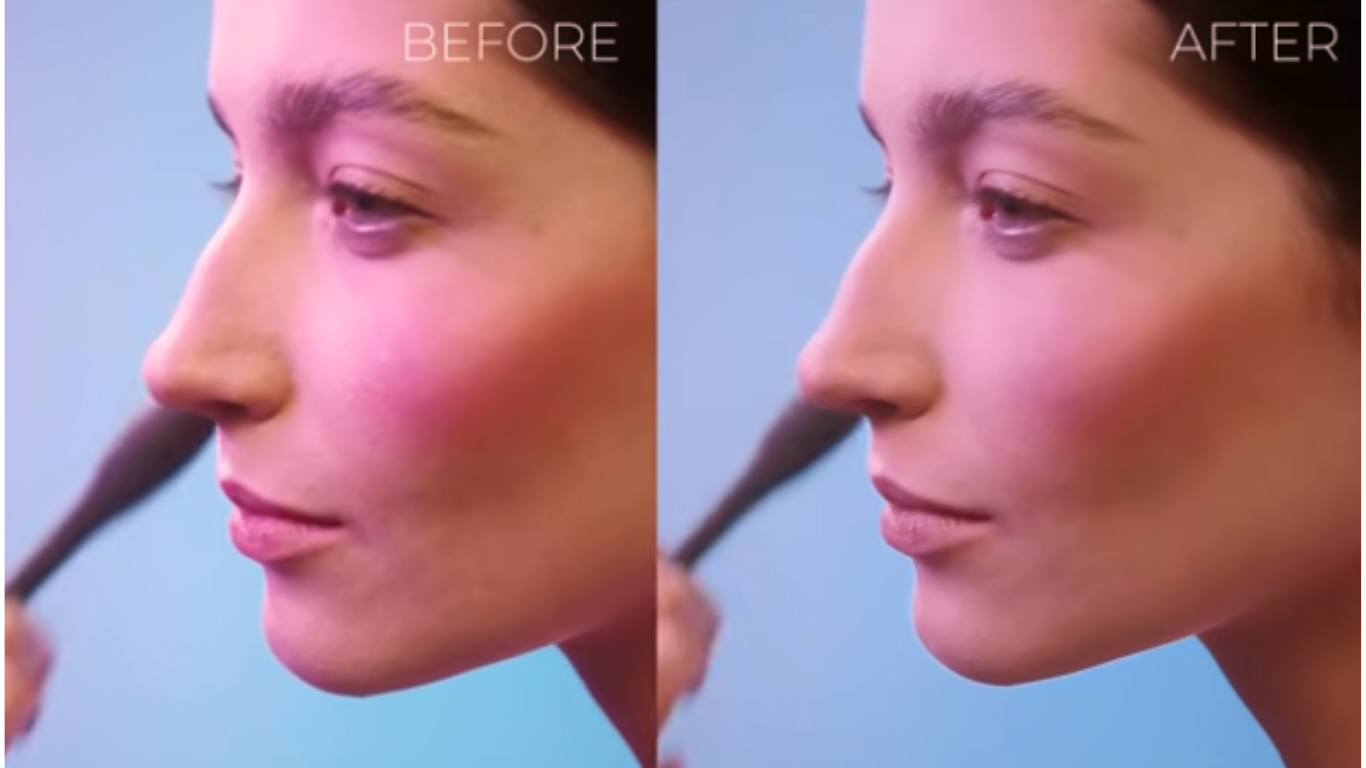
Low-quality footage no longer has to stay blurry or outdated. In this guide, you will discover how AI video upscaling 720p to 4K is helping creators transform ordinary videos into sharp, cinematic visuals with smarter enhancement techniques, better clarity, and professional-level results without expensive equipment.
Introduction
AI video upscaling from 720p to 4K is no longer a high-end feature limited to professional studios; it has become a practical solution that everyday creators use to transform standard footage into sharp, cinematic visuals with a polished and lifelike appearance.
When I first started working with low-resolution footage, I remember thinking there was no way to fix softness or pixel blur without reshooting everything. But over time, AI changed that reality completely. What used to take expensive equipment and hours of manual editing now happens in minutes with intelligent algorithms that understand detail, motion, and texture far better than traditional software ever could.
Understanding AI Video Upscaling
AI video upscaling is not just about stretching pixels; it is about rebuilding missing information intelligently. When you convert 720p to 4K using AI systems, the technology studies each frame and predicts what details should exist in higher resolution.
In my experience, the biggest difference is how natural the result feels. Old upscaling tools often created blurry edges or artificial sharpness, but modern AI enhancement tools analyze patterns in hair, skin, textures, and backgrounds to reconstruct realism instead of guessing blindly.
This is where AI video upscaling 720p to 4K becomes powerful for content creators, filmmakers, and even marketers who want polished visuals without expensive reshoots.
Why Resolution Matters More Than Ever
We live in a visual-first world where clarity defines trust. A viewer might forgive average content, but they rarely forgive poor resolution.
From YouTube videos to social media ads, everything competes in a crowded space. When I compare 720p footage with AI-enhanced 4K output, the difference is not just technical—it changes how people emotionally respond to the content.
Sharper visuals feel more credible. Cleaner edges feel more professional. And overall, enhanced video quality directly improves engagement rates, especially on platforms like YouTube and Instagram.
How AI Transforms Low Quality Footage
The real magic behind AI video upscaling 720p to 4K lies in deep learning models trained on millions of frames. These models do not simply enlarge pixels; they reconstruct them.
In real-world usage, I have seen tools recover facial details in old recordings that were once considered unusable. Textures in clothing, reflections in eyes, and even background depth become clearer.
This is not guesswork anymore. It is pattern recognition at scale.
And that is why modern AI video enhancement tools are now replacing traditional manual sharpening workflows entirely.
Practical Workflow for Better Results
From my hands-on experience, the workflow matters just as much as the tool itself.
Start with clean source footage whenever possible. Even AI cannot fully fix extremely compressed or heavily distorted videos. Then apply stabilization before upscaling because motion clarity improves AI interpretation.
After that, AI upscaling engines analyze the frames and rebuild resolution into 4K output. Finally, subtle color correction enhances the cinematic feel without overprocessing.
This process is simple, but it consistently delivers professional-grade results.
Real-World Use Cases
One of the most interesting uses I have seen is in old YouTube content restoration. Creators are now reviving early videos and presenting them in 4K clarity, which significantly boosts audience retention.
Marketing agencies are also using AI video upscaling 720p to 4K to refresh outdated ads without reshooting entire campaigns.,
Even independent filmmakers are upgrading low-budget footage into cinematic quality that can compete with modern productions.
This shift is not theoretical anymore; it is happening right now across the industry.
Tools That Shape This Space
Modern tools like AI video enhancers and super-resolution models have changed the game. While each tool has its strengths, the core idea remains the same: reconstruct detail, not just enlarge resolution.
Some platforms focus on speed, others on precision, but the direction of the industry is clear—AI-driven enhancement is becoming standard.
In my opinion, the real value is not just in upgrading video quality, but in saving time, reducing costs, and expanding creative freedom.
The Future of Video Enhancement
We are moving toward a stage where resolution will no longer be a limitation. Soon, even mobile-shot footage will automatically adapt into cinematic formats with minimal input.
AI video upscaling 720p to 4K is just the beginning. The next phase will likely include real-time enhancement during recording, where footage is instantly optimized as it is captured.
For creators, this means less technical friction and more focus on storytelling.
And honestly, that is the direction the industry should take.
Personal Perspective
From my own experience working with video content, the biggest transformation is not just visual quality it is confidence.
When you know your footage can be improved significantly after shooting, you stop worrying about limitations and start focusing on ideas.
That mindset shift is powerful, especially for new creators who do not have access to expensive gear.
This is exactly where AI video upscaling 720p to 4K becomes more than a tool; it becomes a creative equalizer.
Conclusion
AI video upscaling has completely reshaped how we think about video quality. What once required high-end cameras and professional studios can now be achieved with intelligent software that understands visual depth and reconstructs it with precision.
For creators, marketers, and filmmakers, this is not just an upgrade in resolution; it is an upgrade in possibility. It allows older content to be reborn and new content to be produced without fear of technical limits.
The Worldstan platform delivers these insights to help you stay ahead in this fast-moving digital landscape, where video quality is no longer optional but essential.