

Mastering Lighting and Composition in AI Prompts
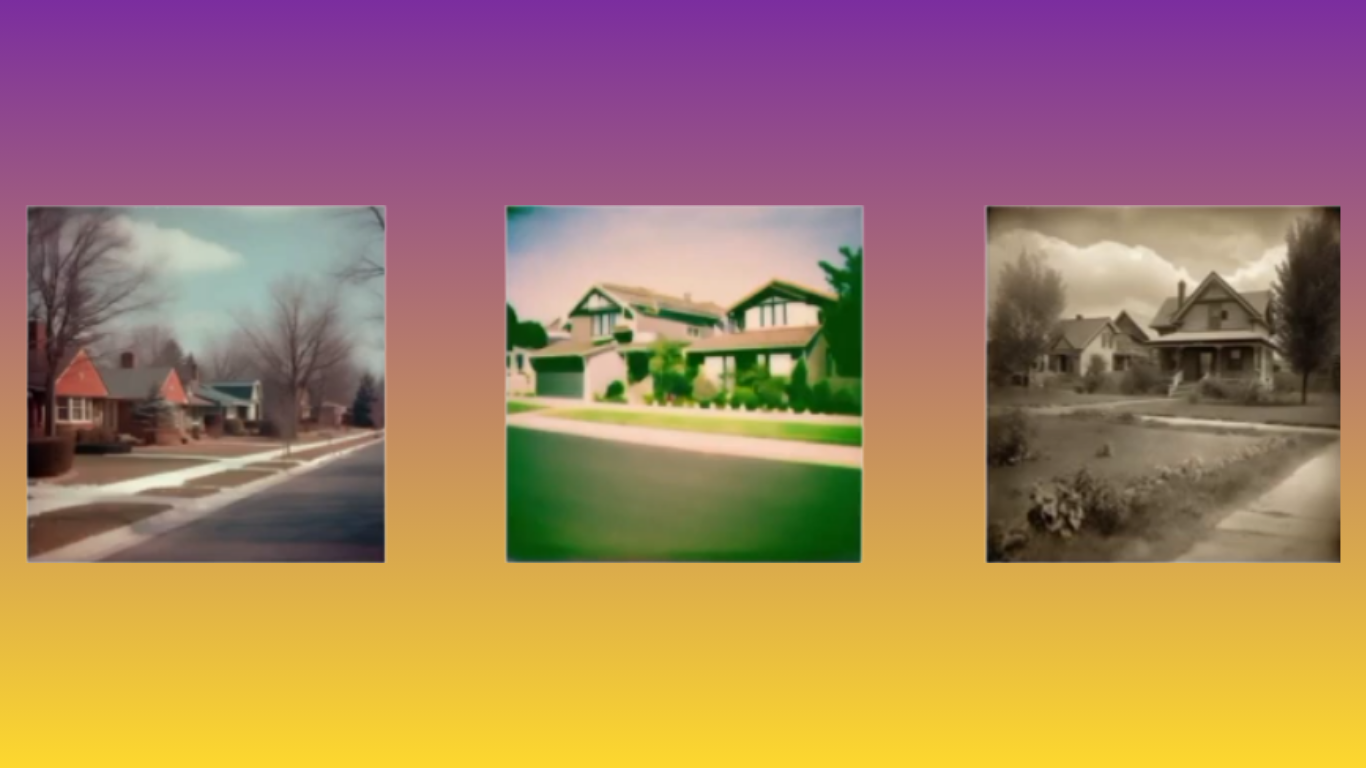
Mastering lighting and composition in AI prompts is one of the most important skills for anyone who wants to create professional AI-generated images. In this guide, you will discover how light, camera angles, framing, depth, and visual balance work together to transform ordinary prompts into eye-catching visuals that look realistic, artistic, and highly engaging.
Mastering Lighting and Composition in AI Prompts
Artificial intelligence is reshaping the process of creating images, making it faster and more accessible. A few years ago, producing a high-quality visual often required expensive software, professional photography equipment, and years of experience. Today, AI image generators can transform a simple text prompt into a stunning piece of artwork within seconds. Yet many users still struggle to achieve consistent and professional results.
The difference rarely comes from the AI tool itself. More often, the difference comes from how the prompt is written. Among all prompt-writing techniques, lighting and composition have become two of the most powerful elements that separate average images from extraordinary ones.
Whether you use AI for marketing, blogging, social media, digital art, advertising, education, or product design, understanding these principles can dramatically improve your results. This guide from worldstan.com explains the topic in a practical and easy-to-follow way.
Why Lighting Matters in AI Prompts
Lighting controls mood, emotion, realism, and visual focus. It directs the eye toward key elements while influencing the overall mood and perception. Professional photographers spend years mastering light because it influences every aspect of an image.
When writing AI prompts, describing lighting accurately helps the AI understand the atmosphere you want to create.
For example, compare these two prompts:
“A woman standing in a garden.”
“A woman standing in a garden during golden hour, soft warm sunlight, natural shadows, cinematic lighting.”
The second prompt immediately provides more visual direction and usually produces a more attractive image.
Understanding Different Types of Lighting
Different lighting styles create different emotional effects.
Golden Hour Lighting creates warm and inviting scenes. It is popular for portraits, travel images, and lifestyle photography.
Soft Lighting produces smooth shadows and natural skin tones. It works well for professional portraits and commercial visuals.
Dramatic Lighting creates strong contrast between light and shadow. It is commonly used in cinematic scenes.
Studio Lighting provides controlled illumination and sharp details. It is ideal for product photography.
Backlighting places the light source behind the subject, creating depth and artistic silhouettes.
Natural Daylight delivers realistic outdoor images and authentic visual appeal.
Understanding these styles helps you guide AI image generators toward your intended outcome.
How Composition Influences AI Image Quality
Composition refers to how visual elements are arranged within a frame. Even with excellent lighting, poor composition can make an image look confusing.
Good composition directs the viewer’s attention naturally and creates balance throughout the image.
Many professional photographers follow established composition principles because they improve visual storytelling and engagement.
Rule of Thirds in AI Prompts
The rule of thirds is one of the simplest composition techniques.
Imagine dividing an image into nine equal sections using two horizontal and two vertical lines.
Important subjects are placed near the intersection points instead of directly in the center.
When writing prompts, phrases such as:
“rule of thirds composition”
or
“subject positioned on the left third”
can encourage AI systems to create more visually appealing layouts.
Leading Lines and Visual Direction
Leading lines help guide the viewer’s eyes toward the main subject.
Roads, rivers, pathways, fences, and architectural structures often serve this purpose naturally.
A prompt such as:
“city street with leading lines directing attention toward the skyline”
creates stronger visual flow than a basic city description.
Framing Techniques for Better AI Images
Framing uses surrounding objects to highlight the main subject.
Windows, doorways, trees, arches, and natural elements can all act as frames.
For example:
“portrait framed by flowering branches, soft sunlight”
creates depth while drawing attention toward the subject.
What Is Depth and Why Is It Important
One common problem with AI-generated images is that they appear flat.
Depth helps create a realistic three-dimensional feeling.
Several prompt elements can increase depth:
Foreground details
Middle-ground subjects
Background scenery
Atmospheric perspective
Depth of field effects
A prompt such as:
“mountain landscape with flowers in the foreground, lake in the middle ground, distant mountains in the background”
often produces a richer and more immersive result.
Using Camera Angles Effectively
Camera perspective significantly changes how viewers perceive an image.
Low-angle shots make subjects appear powerful and dominant.
High-angle shots can make subjects appear smaller or more vulnerable.
Eye-level views create natural and relatable images.
Bird’s-eye perspectives offer dramatic visual storytelling opportunities.
Including camera angles in prompts helps AI generate more intentional compositions.
Cinematic Lighting for Professional Results
Many users want images that resemble scenes from major films.
Cinematic lighting can help achieve that look.
Useful prompt phrases include:
Cinematic lighting
Movie-style lighting
Volumetric light
Moody atmosphere
Dramatic shadows
Soft light diffusion
These elements often create images that feel more polished and emotionally engaging.
How Color Works Alongside Lighting
Color and lighting work together to influence mood.
Warm colors often communicate comfort, energy, and positivity.
Cool colors can create calmness, mystery, or sophistication.
When creating prompts, combining color direction with lighting instructions often improves consistency.
For example:
“cool blue lighting with soft shadows and modern futuristic atmosphere”
provides stronger guidance than describing color alone.
Common Prompt Mistakes to Avoid
Many users unknowingly weaken their prompts.
One common mistake is using very broad descriptions.
Another mistake is ignoring composition entirely.
Some users overload prompts with unrelated instructions, creating confusion for the AI.
Others forget to specify lighting conditions, leaving the AI to make random decisions.
The most successful prompts typically remain clear, focused, and visually descriptive.
Can Lighting and Composition Improve Marketing Images
Absolutely.
Businesses increasingly rely on AI-generated visuals for websites, advertising campaigns, product showcases, and social media content.
Strong lighting creates professionalism.
Strong composition improves audience engagement.
When both elements work together, marketing images become more persuasive and visually memorable.
Many brands now treat prompt engineering as an essential creative skill.
Real-World Example of Prompt Improvement
Basic Prompt:
“A luxury watch on a table.”
Improved Prompt:
“Luxury wristwatch on a polished wooden table, studio lighting, soft reflections, shallow depth of field, rule of thirds composition, ultra-detailed product photography.”
The second prompt provides much more visual information and generally produces superior results.
How Professionals Build Advanced AI Prompts
Experienced prompt creators rarely focus only on the subject.
Instead, they think about:
Lighting style
Composition technique
Camera angle
Color palette
Visual mood
Depth
Environment
Storytelling elements
This layered approach creates images that feel intentional rather than random.
The Future of AI Prompt Design
AI image generation continues to evolve rapidly.
Future systems will likely understand visual language even more accurately.
However, lighting and composition will remain foundational creative skills because they mirror the principles used by photographers, filmmakers, artists, and designers.
People who master these concepts today will continue producing stronger visual content regardless of which AI platform becomes popular tomorrow.
Why Worldstan.com Recommends Learning These Skills
At worldstan.com, we believe successful AI image creation is not about writing longer prompts. It is about writing smarter prompts.
A solid understanding of lighting and composition gives creators greater control, improves consistency, enhances realism, and helps transform creative ideas into professional-quality visuals.
When combined with practice and experimentation, these skills can significantly improve the quality of AI-generated content across every industry.
Conclusion
Creating impressive AI-generated images is not simply about describing a subject. The real magic happens when lighting, composition, perspective, depth, and visual storytelling work together inside a prompt. Mastering lighting and composition in AI prompts gives creators the ability to guide AI with greater precision, resulting in images that feel professional, realistic, and emotionally engaging. As AI technology continues to advance, these timeless visual principles will remain valuable. The team at worldstan.com believes that creators who invest time in learning these techniques today will enjoy better results, stronger visual communication, and greater creative confidence in the future.