

AI Music Production Trends Changing Music Fast
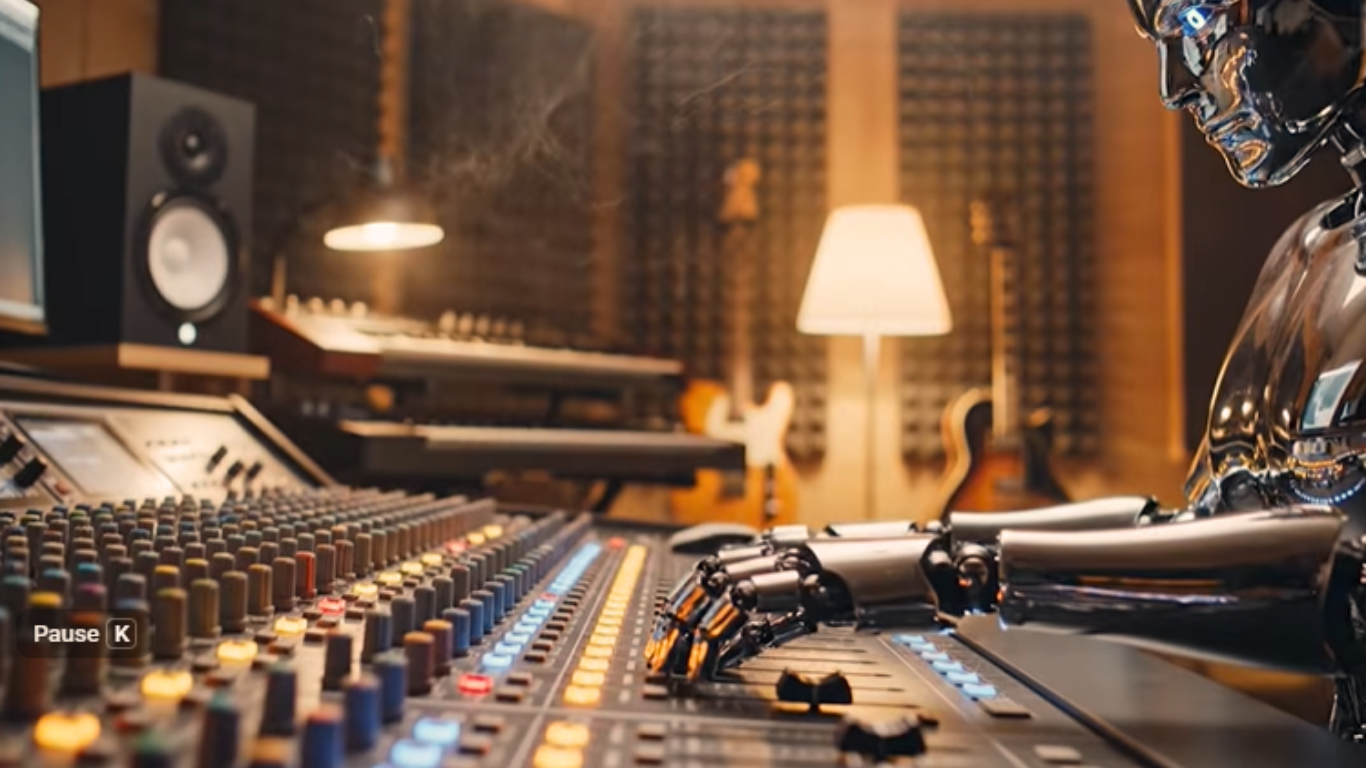
AI Music Production is no longer a futuristic experiment because it is now helping creators turn simple ideas into complete songs within minutes, and in this Worldstan exclusive guide, you will discover how AI is changing songwriting, music creation, and digital creativity in ways most people never imagined.
AI Music Production Generating Songs from Descriptions
Creating music once required years of training, costly studio equipment, and technical expertise that was mainly available to professionals.
Today, the landscape looks completely different. AI Music Production is opening doors for ordinary people, independent artists, filmmakers, content creators, and businesses that want music without complicated production barriers.
A person can now type a simple sentence like “create a cinematic piano melody with emotional vocals and soft rain sounds,” and an AI system can transform that idea into a complete musical composition. This shift is not just impressive technology. It is reshaping creativity itself.
What makes this transformation especially powerful is its accessibility.
Someone with no formal musical training can create background music for YouTube videos, podcasts, advertisements, short films, or even personal storytelling projects. At the same time, experienced producers are using AI tools to speed up workflows and experiment with ideas they may never have explored manually.
Worldstan believes this technology is not replacing creativity. Instead, it is expanding human imagination in ways that were impossible only a few years ago.
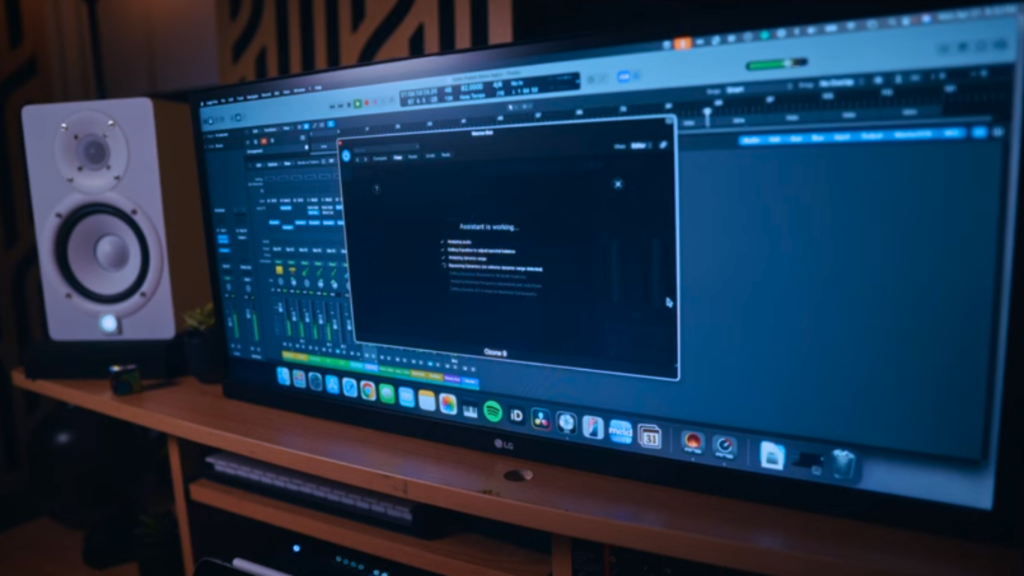
Understanding AI Music Production
AI Music Production works by training advanced machine learning systems on enormous collections of musical patterns, rhythms, harmonies, vocals, and sound structures. These systems learn how songs are built. After training, they can generate entirely new music based on written prompts, emotional instructions, or style references.
Think about it this way. Traditional music production requires several steps including writing lyrics, composing melodies, recording instruments, mixing audio, and mastering the final track. AI compresses many of these stages into a faster creative process.
For example, a creator can request:
“Generate an energetic electronic track with deep bass and futuristic vibes.”
Within moments, AI music tools may create instrumental arrangements, beats, transitions, and even synthetic vocals that match the requested atmosphere.
The fascinating part is that these systems are becoming smarter every year. Earlier AI music generators sounded robotic and repetitive. Modern systems produce tracks that many listeners struggle to distinguish from human made compositions.
Why AI Song Generators Are Becoming Popular
One major reason behind the growth of AI song generators is speed. Music production traditionally consumes enormous time. Recording sessions, revisions, and studio work may take days or weeks. AI dramatically reduces this timeline.
Content creators especially benefit from this advantage. A YouTuber who uploads videos daily often needs background music that is affordable and copyright safe. AI generated music solves both problems quickly.
Another reason is cost reduction. Independent creators usually cannot afford expensive composers or studio equipment. AI tools provide low cost alternatives while still maintaining professional quality.
I also believe curiosity plays a huge role. People naturally enjoy experimenting with creativity. AI allows users to explore genres they may never attempt themselves. Someone who has never touched a guitar can suddenly create rock music. A business owner with no music background can develop branded audio themes.
This democratization of creativity is one of the strongest merits of AI Music Production.
How Text To Music AI Actually Works
Text to music AI systems rely on neural networks and deep learning algorithms that analyze relationships between words and sounds. The system tries to understand emotional tone, tempo, instrumentation, and structure from user descriptions.
For instance, if someone writes:
“Create a relaxing jazz melody for a rainy evening café.”
The AI identifies important concepts such as:
Relaxing mood
Jazz instrumentation
Slow rhythm
Warm atmosphere
Soft acoustic textures
It then assembles musical elements that align with those instructions.
Some advanced AI music platforms also allow customization options including:
Tempo adjustments
Instrument selection
Vocal style control
Song length
Genre blending
Mood settings
This level of flexibility is making AI music creation more sophisticated than ever before.
Real World Examples Of AI Music Production
AI music is already being used in many industries, even if people do not notice it immediately.
Social media creators use AI generated songs for short videos and branded content. Podcast creators rely on AI tools for intro music and transitions. Game developers generate adaptive background scores. Marketing agencies create fast promotional tracks without hiring full production teams.
Even independent musicians are embracing AI assistance. Some artists use AI for brainstorming melodies when they experience creative blocks. Others generate demo versions before recording live instruments.
One particularly interesting example comes from small businesses. Restaurants and retail stores are now experimenting with AI generated ambient music tailored to customer moods and brand identity.
This shows that AI Music Production is no longer limited to technology enthusiasts. It is entering practical everyday business operations.
The Human Side Of AI Creativity
Many people worry that AI will destroy artistic authenticity. I understand that concern because music is deeply emotional and personal. However, I see AI more as a collaborative assistant than a replacement for human creativity.
A camera did not eliminate photography artists. Digital editing did not destroy filmmaking. Similarly, AI music tools will not erase human musicians.
In fact, the most successful AI generated songs usually involve strong human direction. The user still shapes the mood, vision, emotion, and final refinement.
The real power lies in collaboration between human imagination and AI efficiency.
A songwriter may use AI to generate instrumental foundations but later rewrite lyrics manually. A producer might experiment with AI beats before recording real instruments. This hybrid workflow often creates faster innovation.
AI Music Tools Changing The Industry
Several AI music platforms are rapidly transforming the creative landscape. Tools now offer features such as automatic mastering, AI vocals, instant beat generation, and genre conversion.
Some systems can even convert humming into polished compositions. Others allow users to create full orchestral arrangements using only written descriptions.
This evolution matters because modern audiences consume enormous amounts of digital content every day. Businesses, creators, and media companies constantly need fresh audio material.
AI Music Production answers this demand efficiently.
I personally think one of the biggest advantages is idea exploration. Traditional production sometimes limits experimentation because recording sessions cost money and time. AI removes much of that pressure, encouraging creators to test unusual concepts freely.
Challenges And Ethical Questions
Despite its benefits, AI generated music also raises important concerns.
Copyright discussions remain complex. If an AI system trains on existing music, questions emerge regarding ownership and originality. Governments and legal experts are still debating how AI generated content should be regulated.
Another challenge is oversaturation. As AI tools become widely available, the internet may become flooded with low quality music generated without real artistic purpose.
There is also the emotional factor. Some listeners value the human story behind music. They connect with the struggles, experiences, and emotions of real artists. AI generated songs sometimes lack that deeper emotional authenticity.
Worldstan believes responsible use is essential. AI should enhance creativity rather than encourage lazy content production.
AI Music Production For Beginners
Many beginners feel intimidated by music production because they assume technical expertise is required. AI tools are changing that perception completely.
Most modern AI music platforms offer simple interfaces where users only need to:
Describe the desired music
Select a genre
Adjust mood settings
Generate the track
Download the final result
This simplicity allows beginners to start creating immediately.
However, understanding basic music concepts still improves results. Learning about tempo, rhythm, mood, and song structure helps users provide more accurate prompts.
For example, instead of writing:
“Create good music.”
A stronger prompt would be:
“Produce an emotional cinematic soundtrack featuring soft piano, gradual strings, and an inspiring atmosphere.”
Clear descriptions usually produce higher quality results.
The Future Of AI Generated Songs
The future of AI generated music looks incredibly dynamic. Upcoming systems may create highly personalized songs tailored to individual listener preferences.
Imagine streaming platforms generating unique background music based on your mood, weather, location, or activity. Fitness applications could create adaptive workout tracks that match your energy level in real time.
Virtual reality and gaming industries will likely integrate AI music deeply into immersive experiences. Interactive environments may generate evolving soundtracks automatically.
I also expect multilingual AI vocals to improve significantly. Creators could soon generate songs in multiple languages without hiring separate vocalists.
At the same time, human creativity will remain central. Technology changes tools, but emotional storytelling still comes from people.
Why Businesses Are Investing In AI Music
Businesses are rapidly investing in AI Music Production because audio branding has become more important in digital marketing.
Brands want recognizable sound identities across advertisements, apps, podcasts, and videos. AI allows companies to generate customized music faster and cheaper than traditional methods.
E commerce stores use AI generated music for promotional campaigns. Mobile apps create branded audio experiences. Marketing agencies produce social media soundtracks at scale.
This growing commercial demand is pushing AI music innovation even further.
Companies also appreciate the flexibility. Instead of licensing expensive commercial tracks, businesses can generate unique music tailored to their exact needs.
Creativity Will Always Matter Most
Technology often changes creative industries, but originality always stands out. AI can generate melodies quickly, yet meaningful storytelling still depends on human insight.
A powerful song is not only about rhythm or production quality. It is about emotion, memory, connection, and authenticity.
The smartest creators will not fight AI blindly. They will learn how to combine human imagination with intelligent tools.
That balance is where the future of music creation truly exists.
Worldstan sees AI Music Production not as the end of artistry, but as the beginning of a completely new creative era where ideas move faster from imagination to reality.
Conclusion
AI Music Production is transforming the way songs are created, shared, and experienced across the world. What once required professional studios and years of training can now begin with a simple written description. This shift is giving creators more freedom, faster workflows, and new opportunities to experiment with sound in ways that were previously impossible.
Still, the heart of music remains human emotion. AI can generate beats, melodies, and vocals, but meaningful creativity comes from people who understand stories, feelings, and experiences. The future will belong to creators who combine technology with originality instead of depending entirely on automation.
Worldstan believes this revolution is only getting started. As AI music tools continue improving, they will become powerful creative partners for musicians, businesses, filmmakers, and digital creators everywhere. The real opportunity is not replacing artists. It is helping more people bring their ideas to life through music.