

Hyper Realistic Human Generation Explained
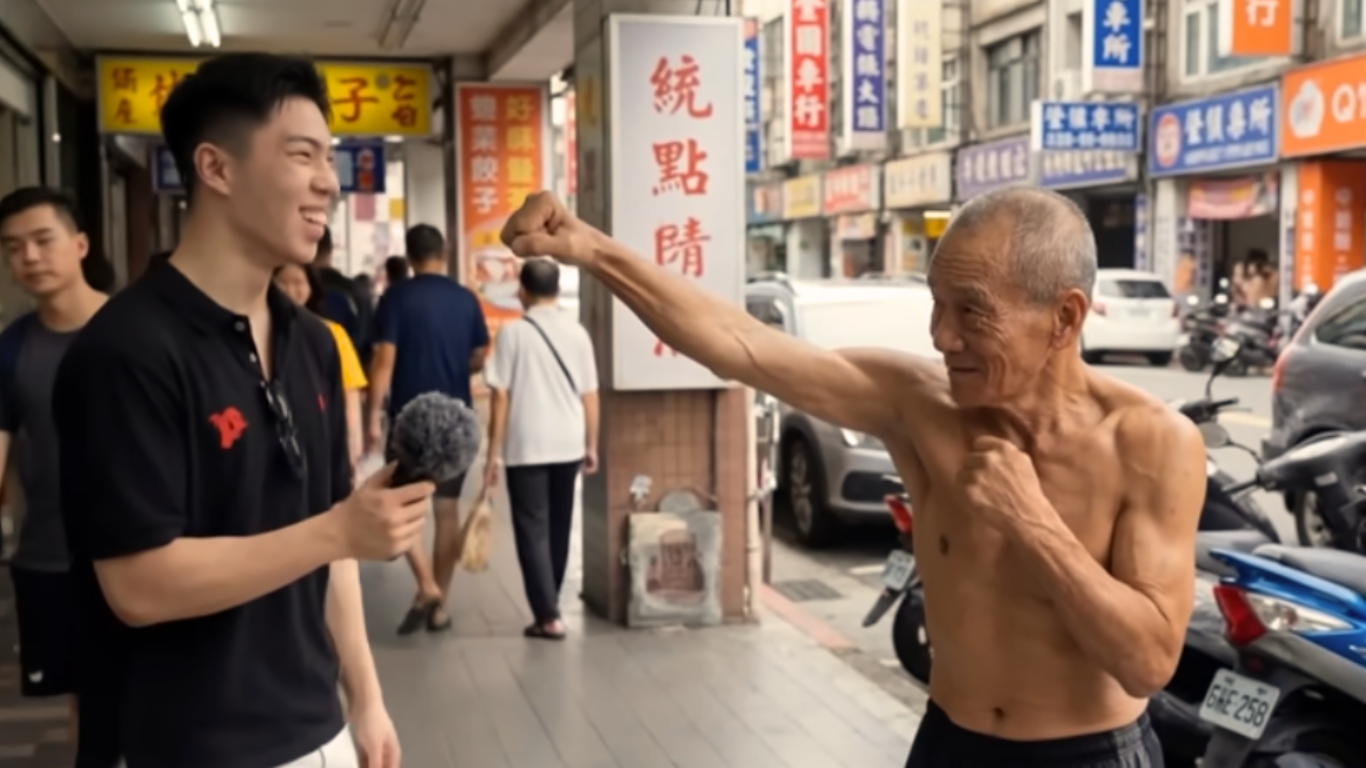
Hyper realistic human generation is changing the way people experience creativity, photography, branding, and digital storytelling because AI can now create portraits that look almost identical to real human beings while opening entirely new opportunities for creators, businesses, and modern visual communication.
Portrait Perfection Generating Hyper-Realistic Humans
The digital world has entered a stage where artificial intelligence can produce human portraits that appear astonishingly real. A few years ago, AI generated images often looked artificial, distorted, or emotionally empty. Today, things have completely changed. Modern systems can now create facial expressions, skin textures, lighting effects, eye reflections, and emotional depth that feel natural enough to confuse even experienced viewers.
Hyper realistic human generation is no longer a futuristic concept reserved for research labs. It is becoming part of daily business operations, creative industries, advertising campaigns, social media branding, filmmaking, gaming, and online marketing. What fascinates me most is how quickly this technology has evolved from rough experiments into an advanced creative force.
Many people first react with disbelief when they see an AI generated portrait. They zoom into the eyes, study the hair strands, and search for visual flaws because the image feels too realistic to be artificial. That reaction itself explains the power of this innovation. AI portrait generation has reached a point where realism is no longer the challenge. The real challenge now is how responsibly and creatively people use it.
Why Hyper Realistic Human Generation Matters
The importance of realistic AI portraits goes far beyond entertainment. Businesses today need visual content at a massive scale. Brands require models, photographers, editors, stylists, and production teams to create campaigns. AI dramatically reduces these barriers by generating professional quality portraits within minutes.
I have personally noticed how startups and independent creators benefit from this technology. Small businesses that could never afford expensive photo shoots can now produce visually impressive branding materials. This creates a more level playing field where creativity matters more than budget.
The gaming industry is another major example. Modern games increasingly depend on emotional storytelling. Realistic digital humans help developers build stronger emotional connections between players and characters. When facial expressions look believable, storytelling becomes far more immersive.
Healthcare training, education, virtual reality, customer support avatars, and even online learning systems are also adopting realistic human generation. These portraits are not simply images anymore. They are becoming communication tools.
The Technology Behind Realistic AI Portraits
Many people assume AI simply copies existing photos from the internet. In reality, advanced systems learn visual patterns through deep learning models trained on massive datasets. These systems study facial anatomy, lighting conditions, skin texture, shadows, symmetry, emotions, and camera behavior.
The process is incredibly detailed. AI learns how pores appear under sunlight, how reflections form in human eyes, and how emotions slightly alter facial muscles. This learning allows the system to create entirely new human faces that do not belong to real individuals.
One of the biggest breakthroughs came through generative adversarial networks, commonly known as GANs. These systems work through competition. One AI model creates images while another evaluates whether the image looks realistic. Over time, both systems improve together until the results become highly convincing.
Modern AI portrait tools now integrate diffusion models as well. These systems refine images step by step, adding realism layer after layer. The outcome is sharper detail, more natural lighting, and better consistency across facial structures.
Let me explain this in the clearest, simplest terms.
AI learns human appearance the same way an artist studies thousands of faces before painting a masterpiece. The more patterns it understands, the more realistic the final portrait becomes.
The Creative Revolution Driven by AI Portrait Technology
The rise of AI generated humans has created a completely new creative economy. Designers are no longer limited by physical constraints. A creator can now generate portraits with specific emotions, ethnic diversity, cinematic lighting, futuristic fashion, or historical styling within seconds.
Marketing agencies increasingly use AI portraits because they allow faster experimentation. Instead of organizing repeated photo shoots, teams can instantly test different visual styles and campaign concepts.
I believe this flexibility is one of the greatest strengths of AI portrait generation. Creativity becomes faster without necessarily sacrificing quality. Businesses can focus more on storytelling and strategy rather than expensive production logistics.
Social media influencers are also experimenting with synthetic humans. Virtual influencers now attract millions of followers online. Some audiences fully understand these personalities are artificial, yet they still engage because the visual experience feels entertaining and emotionally appealing.
This shift reveals something important about modern communication. People are becoming more interested in compelling storytelling and visual identity than traditional definitions of authenticity.
Real World Examples Changing Industries
Fashion brands are already using AI generated models to display clothing variations without organizing physical shoots for every product. This saves time, reduces production costs, and accelerates marketing campaigns.
Film production companies use realistic AI humans for concept visualization before filming begins. Directors can preview scenes, lighting, character expressions, and costume ideas long before actors step onto a set.
Educational platforms use AI avatars to create engaging learning experiences. Students often respond better to visually expressive digital instructors compared to static text materials.
The customer service sector is also evolving rapidly. AI powered digital humans now interact with customers through realistic facial expressions and natural communication styles. This improves engagement while maintaining operational efficiency.
I recently observed how smaller e commerce businesses started using realistic AI portraits for advertisements. Previously, professional campaigns required enormous investment. Now creative quality has become accessible even for modest brands.
Ethical Questions Surrounding AI Generated Humans
Despite the excitement, this technology also raises serious ethical concerns. Deepfakes, misinformation, identity misuse, and deceptive media manipulation are genuine risks.
The ability to create realistic human faces means society must become more careful about verifying digital content. Trust is becoming one of the most valuable assets in the digital world.
I strongly believe responsible AI development is essential. Transparency matters. Audiences should understand when content is AI generated, especially in journalism, politics, advertising, and public communication.
There is also an emotional dimension to consider. Some photographers and artists worry AI may reduce demand for traditional creative professions. While this concern is understandable, I see AI more as a creative assistant than a total replacement.
History repeatedly shows that technology changes industries rather than completely destroying creativity. Human imagination still remains the driving force behind meaningful artistic work.
Why People Are Fascinated by AI Humans
Human beings naturally connect with faces. Our brains are wired to interpret emotions, expressions, and eye contact. That psychological connection explains why hyper realistic portraits generate such strong reactions online.
There is also curiosity involved. People enjoy seeing how close machines can come to replicating human reality. Every improvement in realism sparks new discussions across social media platforms and technology communities.
Interestingly, audiences often become emotionally attached to AI generated characters. Virtual influencers, digital presenters, and synthetic personalities now build loyal fan communities. This would have sounded impossible only a decade ago.
I think this fascination partly reflects our relationship with technology itself. Humans continuously create tools that mirror aspects of our own identity. AI portrait generation is another chapter in that long historical pattern.
The Business Potential of AI Portrait Generation
The commercial opportunities connected to realistic AI humans are enormous. Advertising agencies, entertainment studios, app developers, online educators, healthcare providers, and gaming companies are investing heavily in this space.
Brands increasingly seek personalized content. AI makes it possible to generate culturally diverse visuals tailored for different markets without repeating expensive production cycles.
Freelancers and content creators also gain advantages. Designers can rapidly produce portfolio concepts, mockups, visual campaigns, and storytelling materials with professional quality.
The speed factor alone changes productivity. Projects that once required weeks can now be completed within hours.
This efficiency does not eliminate human expertise. Instead, it allows creative professionals to focus more on strategy, storytelling, emotional depth, and audience engagement.
Challenges That Still Exist
Although AI portrait generation has improved dramatically, perfection still remains difficult in certain situations. Hands, unusual facial angles, emotional consistency, and environmental interactions can sometimes reveal imperfections.
Another challenge involves originality. As AI content becomes more common, audiences may eventually become overwhelmed by visually similar material. Creativity will matter more than ever.
Legal frameworks also remain uncertain in many countries. Questions surrounding copyright, ownership, consent, and identity protection continue to evolve.
Businesses adopting this technology should therefore balance innovation with ethical responsibility. Trust and transparency will ultimately determine long term success.
The Future of Hyper Realistic Humans
The future looks remarkably advanced. AI generated humans will likely become interactive, emotionally responsive, and capable of real time communication across digital environments.
Virtual shopping assistants may guide customers through online stores with realistic expressions and conversational behavior. Educational tutors may adapt emotional responses based on student engagement. Entertainment experiences could become deeply personalized through AI driven characters.
I also expect the line between physical and digital identity to become increasingly blurred. Digital humans may eventually represent brands, organizations, influencers, and even individuals in virtual spaces.
At the same time, society will need stronger ethical guidelines to maintain trust. Technology evolves rapidly, but public confidence depends on responsible implementation.
One thing remains clear. Hyper realistic human generation is not a temporary trend. It represents a major transformation in how visual communication will operate in the coming years.
Worldstan’s Perspective on AI Portrait Innovation
At Worldstan, the focus is not simply on discussing technology trends. The goal is to explore how these innovations genuinely reshape creativity, business communication, and human interaction.
What makes AI portrait generation fascinating is not only its realism but also its ability to democratize creativity. Independent creators now possess tools once available only to large production companies.
I personally see this as one of the most transformative developments in modern digital storytelling. The technology continues improving at extraordinary speed, yet the true value still depends on human imagination, ethics, and purpose.
The future will belong to creators who combine technological capability with authentic emotional storytelling. AI may generate faces, but humans still create meaning behind those faces.
Conclusion
Hyper realistic human generation is rapidly transforming the digital landscape by merging artificial intelligence with visual creativity in ways that once seemed impossible. From business branding and cinematic storytelling to gaming, education, and online marketing, realistic AI portraits are becoming central to modern communication. The technology offers incredible efficiency, accessibility, and creative freedom while also introducing important ethical responsibilities that society must carefully manage.
What stands out most is that AI portrait generation is no longer about replacing creativity. Instead, it expands what creators can achieve. Businesses can communicate more effectively, artists can experiment more boldly, and audiences can experience richer visual storytelling than ever before.
Worldstan believes the future of AI generated humans will continue evolving far beyond static images. The next generation of digital interaction will likely involve emotionally intelligent virtual humans capable of transforming how people learn, shop, communicate, and entertain themselves online. Those who understand this shift early will be better prepared for the future of digital innovation.