

Emotional Voice Synthesis and the Future of AI Voices
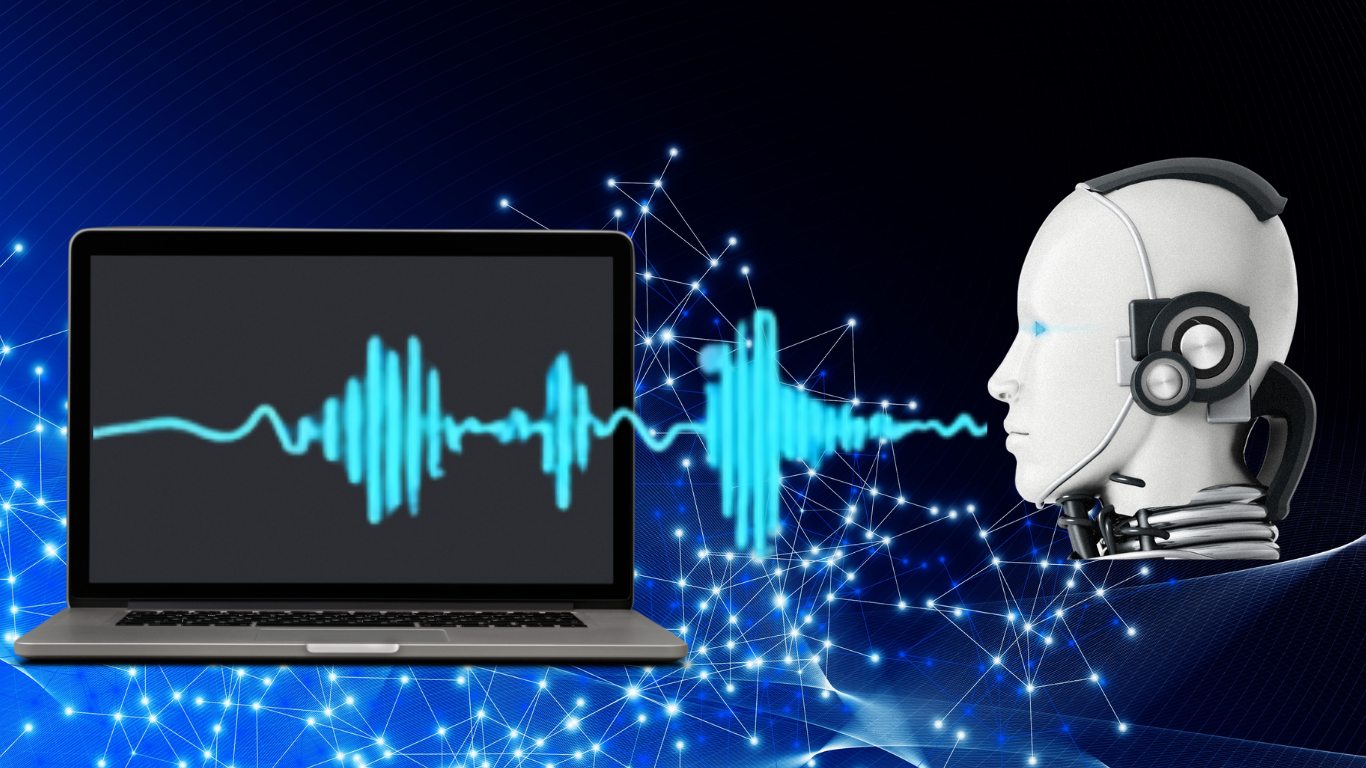
Emotional voice synthesis is changing the way people experience AI communication by making digital voices sound more human, expressive, and emotionally connected, and in this article you will discover how this technology works, why it matters, and how it is shaping the future of content creation, business communication, and digital interaction.
Emotional Voice Synthesis Adjusting Tone and Inflection
Artificial intelligence has already changed the way people write, search, create videos, and communicate online. Yet one area is growing faster than many expected. That area is emotional voice synthesis. A few years ago, most AI generated voices sounded robotic, flat, and emotionally disconnected. They could read words, but they could not truly communicate feelings. Today, things are changing rapidly.
Modern AI voice systems are becoming surprisingly realistic. They can sound excited, calm, serious, empathetic, energetic, or even emotionally persuasive. This improvement is not only impressive from a technical perspective, but it is also changing how people interact with technology every day.
I personally believe emotional expression is what separates ordinary communication from memorable communication. Human beings naturally connect through tone, pauses, rhythm, and emotional delivery. Without emotion, even the smartest words can feel empty. Emotional voice synthesis is attempting to solve exactly that problem.
At Worldstan, we see this technology as more than just another AI trend. It represents a major shift in digital communication where machines are learning how humans emotionally connect with one another.
Why Emotional Voice Synthesis Matters Today
Most people underestimate how important vocal emotion is during communication. Think about a teacher speaking to students, a podcast host telling a story, or a customer support representative helping an angry customer. The emotional tone completely changes the impact of the message.
Traditional text to speech systems focused mainly on pronunciation accuracy. Their goal was simple. Convert text into understandable speech. However, understandable speech is not always engaging speech.
Emotional voice synthesis goes much deeper. It studies vocal behavior such as:
Pitch movement
Speech pacing
Voice intensity
Pause placement
Breathing rhythm
Emotional stress patterns
Inflection changes
These elements work together to create speech that feels alive rather than mechanical.
For example, imagine listening to an audiobook where the narrator sounds emotionally connected to the story. The listener stays engaged longer because the voice creates emotional immersion. The same audiobook read in a flat robotic tone would quickly become exhausting.
This is why many businesses, creators, and technology companies are investing heavily in realistic AI voice technology.
How Emotional Voice Synthesis Actually Works
Many people think AI voices simply record human speech and replay it. The reality is much more advanced.
Modern emotional AI voice systems rely on deep learning models trained on enormous speech datasets. These systems analyze how humans naturally express emotions during conversations.
The AI studies patterns such as:
How sadness lowers vocal energy
How excitement increases speech speed
How confidence affects vocal strength
How fear changes breathing rhythm
How empathy softens pronunciation
After learning these patterns, the AI can generate speech with emotional qualities that match the intended context.
For instance, a healthcare assistant AI may use a calm and reassuring tone when speaking to patients. A gaming character may use energetic and dramatic speech during action scenes. A meditation app may rely on slow and peaceful vocal pacing.
In my view, this is where the technology becomes truly fascinating. The AI is no longer just reading language. It is learning emotional delivery.
The Difference Between Tone and Inflection
People often confuse tone and inflection, but they are not identical.
Tone refers to the emotional quality behind speech. It reflects feelings such as happiness, seriousness, frustration, or confidence.
Inflection refers to how the voice changes pitch during speaking. It helps listeners understand emphasis, meaning, and emotional intention.
A simple sentence can completely change meaning depending on inflection.
For example:
“You finished the project.”
This sentence can sound proud, angry, surprised, doubtful, or sarcastic depending on vocal delivery.
Emotional voice synthesis systems attempt to recreate these subtle vocal variations naturally. This is extremely difficult because human communication depends heavily on nuance.
I have noticed that the most successful AI voice systems are not necessarily the ones with the most features. The best systems are those that sound emotionally believable without sounding exaggerated.
Industries Benefiting from Emotional AI Voices
This technology is no longer limited to experimental laboratories. It is already influencing multiple industries.
Content creation is one of the biggest examples. Many YouTubers, podcasters, and audiobook creators now use AI voice synthesis tools to produce high quality narration quickly.
Customer support is another major area. Emotionally aware AI voices can help reduce frustration during support interactions by sounding calm and empathetic.
Education platforms are also benefiting. Students often respond better to emotionally expressive lessons compared to flat robotic narration.
Gaming companies are exploring emotional AI speech for dynamic character interaction. Instead of repeating identical voice lines, game characters may eventually react emotionally in real time.
Healthcare technology may also see major improvements. AI assistants designed for elderly care or mental health support could use emotionally sensitive communication to create more comfortable interactions.
In my opinion, entertainment and digital storytelling may experience the largest transformation of all. Emotion is the heart of storytelling, and emotional voice synthesis is rapidly improving digital storytelling quality.
The Role of Voice Cloning in Emotional Speech Technology
Voice cloning technology is closely connected with emotional voice synthesis. Voice cloning allows AI systems to replicate a person’s unique speaking style, pronunciation, and vocal identity.
When emotional layers are added, the cloned voice can express different moods and emotions realistically.
This creates exciting opportunities for creators and businesses. For example, a brand may maintain a consistent voice identity across videos, advertisements, podcasts, and virtual assistants.
However, ethical concerns are equally important.
I strongly believe responsible AI usage must remain a priority. Voice cloning should never be used to impersonate public figures, manipulate audiences, or spread misinformation. Ethical boundaries are essential if this technology is going to remain beneficial for society.
At Worldstan, we consistently support innovation that respects authenticity, transparency, and responsible digital practices.
Challenges Emotional Voice Synthesis Still Faces
Although the technology has improved dramatically, it still faces several challenges.
One major problem is emotional accuracy. Humans naturally understand complex emotional combinations. AI often struggles with mixed emotions such as nervous excitement or emotionally controlled sadness.
Cultural communication differences also create challenges. Emotional expression varies across languages and cultures. A speaking style considered warm in one culture may sound overly dramatic in another.
Another issue is emotional overproduction. Some AI voices attempt to sound emotional but become unnatural because the delivery feels exaggerated.
There is also the issue of listener trust. Many audiences still prefer real human voices because emotional authenticity matters deeply in communication.
From my perspective, emotional realism will determine whether AI voices become fully accepted in mainstream communication.
Ethical Questions Around Emotional AI Voices
Every powerful technology introduces ethical concerns, and emotional voice synthesis is no exception.
One growing concern involves emotional manipulation. Highly realistic AI voices could potentially influence people emotionally in ways they do not recognize.
Voice cloning technology also raises identity protection concerns. Unauthorized voice replication could damage trust and create misinformation risks.
This is why responsible AI development matters deeply.
I strongly believe companies developing emotional AI voice systems should follow transparent ethical policies. Users deserve to know when they are interacting with synthetic voices.
Technology should enhance communication, not deceive people.
Why Content Creators Are Embracing Emotional AI Narration
Content creators are always looking for new ways to increase audience engagement.
Emotional AI narration helps solve several major problems.
It reduces production costs.
It saves recording time.
It supports multilingual content creation.
It allows scalable narration production.
Most importantly, it improves listener retention because emotionally expressive narration feels more alive.
For YouTube creators, podcast producers, educators, and marketers, realistic AI voice technology is becoming a valuable creative tool rather than just an automation feature.
However, I still believe human creativity remains essential. AI voices work best when guided by thoughtful storytelling and authentic content strategy.
The Future of Emotional Voice Synthesis
The future looks incredibly advanced.
In the near future, AI systems may adapt emotional delivery in real time according to listener responses.
Virtual assistants could eventually recognize frustration, confusion, excitement, or stress through conversational signals.
We may also see highly personalized AI voices tailored to individual listener preferences.
Imagine educational platforms adapting speaking tone depending on student learning behavior. Imagine customer support systems automatically responding with calmer emotional delivery during stressful situations.
The possibilities are enormous.
At the same time, society needs to balance technological innovation with ethical responsibility.
Emotional realism should strengthen communication quality while preserving honesty and transparency.
Why Worldstan Views This Technology Differently
Many technology discussions focus only on automation efficiency. Worldstan approaches Emotional Voice Synthesis from a more human centered perspective.
Technology becomes meaningful only when it improves genuine communication experiences.
The real success of emotional AI voices is not about sounding impressive. It is about making digital interaction feel more understandable, accessible, and emotionally intelligent.
This field is not simply changing speech software. It is redefining how humans and machines interact every single day.
Conclusion
Emotional Voice Synthesis is rapidly transforming modern communication by making AI generated speech feel more natural, expressive, and emotionally aware. Tone and inflection are no longer optional enhancements. They are becoming central to how people experience digital conversations.
As AI speech technology continues evolving, businesses, creators, educators, and developers will increasingly rely on emotionally intelligent voice systems to build stronger audience connections.
Still, responsible innovation remains critical. Emotional realism should support trust, clarity, and better communication rather than manipulation.
At Worldstan, I believe the future of AI voices will not be defined by how robotic machines become human. Instead, it will be defined by how effectively technology learns to communicate with genuine emotional understanding.