

How Neural Text-to-Speech Technology Works
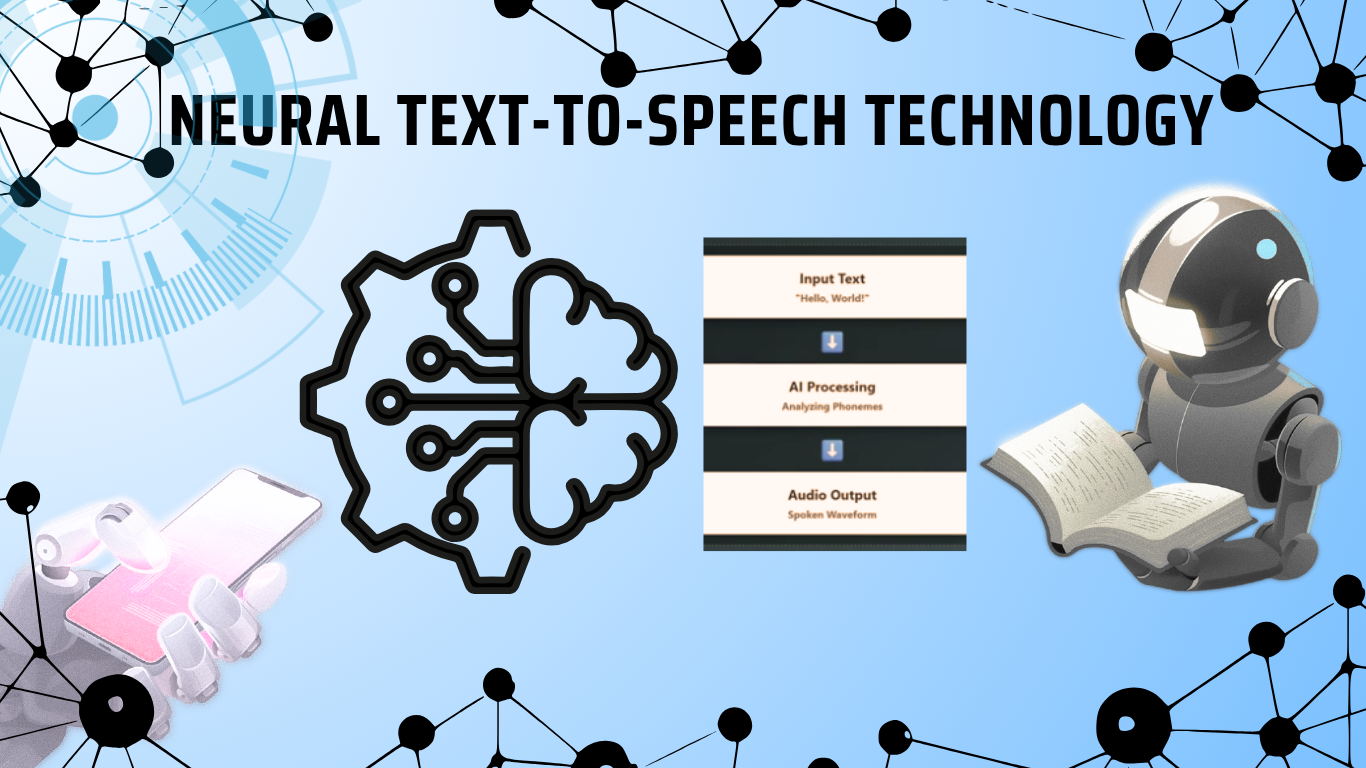
Neural Text-to-Speech Technology is changing the way people create voices, audio content, and digital communication by making AI generated speech sound more natural, emotional, and human than ever before.
Understanding Neural Text-to-Speech Technology
The way machines speak today is completely different from what we experienced only a few years ago. Older robotic voices sounded cold, flat, and unnatural. Most people could instantly identify that a machine was speaking. Today, Neural Text-to-Speech Technology has changed that reality in a dramatic way. Modern AI voices can express emotion, adjust tone, and even imitate the speaking style of real humans with surprising accuracy.
I believe this technology represents one of the biggest changes in digital communication because voice is deeply connected to human trust. People react differently when they hear a smooth and natural voice compared to a robotic system. Businesses, educators, content creators, and entertainment companies are now investing heavily in AI voice synthesis because it creates a better user experience.
At Worldstan, we see Neural TTS not simply as a technical innovation but as a transformation in how humans and machines interact every day. From audiobooks to virtual assistants, the impact is becoming impossible to ignore.
What Neural Text-to-Speech Technology Really Means
Neural Text-to-Speech Technology is an advanced AI system that converts written text into realistic spoken audio. Unlike traditional systems that relied on pre recorded sound fragments, neural systems use deep learning models to understand language patterns, pronunciation, rhythm, and emotional tone.
The remarkable part is how these systems learn. They study thousands of hours of human speech and identify patterns in pronunciation and expression. Over time, the AI becomes capable of producing speech that sounds smooth and natural instead of mechanical.
Let me explain this in the clearest, simplest terms.
Imagine teaching a child how to speak by allowing them to hear millions of conversations. Eventually, that child learns emotions, pauses, accents, and pronunciation naturally. Neural TTS systems work in a somewhat similar way through machine learning models.
This is why modern AI generated voices can now sound warm, professional, friendly, or even emotional depending on the context.
The Difference Between Traditional Text-to-Speech and Neural TTS
Older text to speech systems often stitched together tiny pieces of recorded audio. The result sounded awkward because the machine could not fully understand emotional flow or sentence structure.
Neural Text-to-Speech Technology changed the process entirely. Instead of combining sound fragments, neural systems generate speech dynamically through AI models.
In my opinion, this is where the biggest quality leap happened. The newer systems understand language context much better. For example, the same sentence can sound excited, serious, or emotional depending on the situation.
Traditional systems struggled with:
Poor pronunciation
Flat emotional tone
Unnatural pauses
Robotic voice delivery
Limited language flexibility
Neural TTS systems improved these areas by using deep learning voice generation models that simulate human speech patterns more effectively.
How AI Voice Synthesis Works
Behind every realistic AI voice is a powerful combination of data, neural networks, and sound modeling. The process usually starts with massive speech datasets collected from real human recordings.
The AI studies:
Pronunciation patterns
Voice pitch
Sentence rhythm
Speaking speed
Emotional expression
Accent variations
Once trained, the model predicts how words should sound when spoken naturally.
One fascinating aspect of vocal synthesis is how modern systems handle emotional delivery. A sentence in a customer support system should sound calm and reassuring, while an audiobook narration may require dramatic expression.
I personally think emotional intelligence is what separates advanced AI voice synthesis from earlier technologies.
Why Businesses Are Rapidly Adopting Neural TTS
Companies today want faster communication, lower production costs, and better customer interaction. Neural Text-to-Speech Technology solves many of these challenges at once.
Businesses are using AI generated voices for:
Customer service systems
E learning platforms
YouTube narration
Podcast production
Navigation systems
Marketing videos
Accessibility tools
Audiobook publishing
One major advantage is scalability. A company can generate thousands of voice lines in multiple languages without hiring large recording teams.
I have noticed that many startups now rely on AI narration software because it saves both time and budget while maintaining impressive audio quality.
The Growing Role of Voice Cloning Technology
Voice cloning technology is one of the most discussed parts of AI audio innovation today. These systems can replicate a real person’s voice after analyzing recorded speech samples.
Some applications are genuinely useful. For example, individuals who lose their natural voice due to medical conditions can preserve their speaking identity using AI voice cloning tools.
At the same time, ethical concerns are becoming more serious. Fake audio recordings can spread misinformation or impersonate individuals.
In my view, the future of sound manipulation technology depends heavily on responsible regulation and transparency. The technology itself is powerful, but how humans use it will define its reputation.
Sound Manipulation Is Reshaping Entertainment
The entertainment industry may experience the biggest transformation from Neural Text-to-Speech Technology.
Film studios can localize content into multiple languages more efficiently. Game developers can create dynamic character voices. Audiobook creators can produce content faster than ever before.
Music production is also evolving through AI sound manipulation tools. Producers can experiment with vocal effects, pitch modifications, and synthetic harmonies using advanced AI systems.
Some creators fear that AI voices may replace human talent completely. I do not fully agree with that idea. Human creativity, emotional depth, and storytelling still matter enormously. However, AI tools are definitely becoming powerful creative assistants.
Accessibility Benefits of Neural TTS
One of the most valuable advantages of Neural Text-to-Speech Technology is accessibility.
People with visual impairments rely on speech systems for reading digital content. Students with learning difficulties often understand information better through audio explanations. Elderly users benefit from voice enabled devices that simplify communication.
I strongly believe accessibility is one of the most positive outcomes of AI voice technology because it helps make digital information available to more people worldwide.
Modern digital voice assistants are now capable of delivering speech that feels less robotic and more conversational, improving comfort for users who depend on voice interaction daily.
Challenges That Still Exist
Despite major progress, Neural TTS systems still face limitations.
Some AI voices occasionally mispronounce uncommon names or technical terms. Emotional delivery may sometimes sound exaggerated or unnatural. Regional accents remain difficult for many systems to replicate accurately.
Another challenge is data privacy. Voice recordings are highly personal, and companies must protect them carefully.
There is also the issue of misinformation. Deepfake audio technology can create fake conversations that sound authentic.
At Worldstan, we believe ethical standards must grow alongside AI audio technology. Innovation without responsibility creates unnecessary risk.
The Future of Neural Text-to-Speech Technology
The future looks incredibly advanced.
AI voices are becoming more personalized and emotionally intelligent. Real time multilingual speech translation is improving rapidly. Interactive AI assistants may soon communicate almost exactly like humans.
I expect future Neural TTS systems to understand emotional context even better. For instance, AI could adjust tone based on a listener’s mood or environment.
Education, healthcare, customer support, and entertainment will likely see even deeper integration with AI voice systems during the coming years.
One thing is clear. Human communication with machines is becoming increasingly natural.
Why Content Creators Love AI Voice Technology
Content creators constantly search for ways to save time while maintaining quality. Neural TTS tools now allow creators to produce professional narration without expensive studio setups.
YouTubers use AI voiceovers for tutorials. Bloggers convert articles into audio versions. Businesses create multilingual advertisements quickly through synthetic voice software.
I personally think the biggest benefit is flexibility. Creators can edit scripts instantly without re recording entire sessions.
This speed is helping independent creators compete with larger production companies more effectively than before.
How Neural TTS Is Changing Education
Educational platforms are rapidly adopting AI narration systems because students learn differently. Some people absorb information better through listening rather than reading.
Neural Text-to-Speech Technology supports:
Language learning
Interactive lessons
Audio textbooks
Accessibility learning tools
Personalized tutoring systems
Teachers can also create educational material more efficiently using AI generated voices.
In many ways, AI voice systems are making digital education more flexible and inclusive.
Security and Ethical Concerns Around AI Voices
As realistic AI voices become more common, security concerns continue to grow.
Voice authentication systems may become vulnerable if criminals use cloned audio. Fake celebrity recordings can spread online quickly. Fraud attempts using synthetic voices are also increasing.
This is why regulations, watermarking systems, and AI detection tools are becoming extremely important.
I believe society must balance innovation with accountability. Powerful technology should improve human life rather than create fear or manipulation.
Why Worldstan Covers Neural TTS Technology Closely
At Worldstan, we focus on technologies that genuinely influence the future of communication and creativity. Neural Text-to-Speech Technology is not just another trend. It is becoming a foundational part of digital interaction worldwide.
Our goal is to explain advanced AI innovations in simple human language so readers can understand real opportunities, risks, and practical uses without technical confusion.
The future of AI voice synthesis will continue evolving rapidly, and staying informed is becoming more important every year.
Conclusion
Neural Text-to-Speech Technology has moved far beyond robotic speech systems and entered a new era of realistic human communication. AI generated voices are now transforming customer service, entertainment, accessibility, education, and digital content creation in ways that once sounded impossible.
In my opinion, the true power of this technology lies in its ability to make digital experiences feel more human. At the same time, ethical responsibility will play a major role in shaping public trust around AI voice systems.
As vocal synthesis and sound manipulation continue advancing, businesses and creators who understand this technology early will likely gain a major advantage in the future digital economy.
Worldstan remains committed to delivering clear, practical, and deeply human explanations of emerging AI technologies that are reshaping modern communication.