

Space Debris as a Defensive Barrier Explained
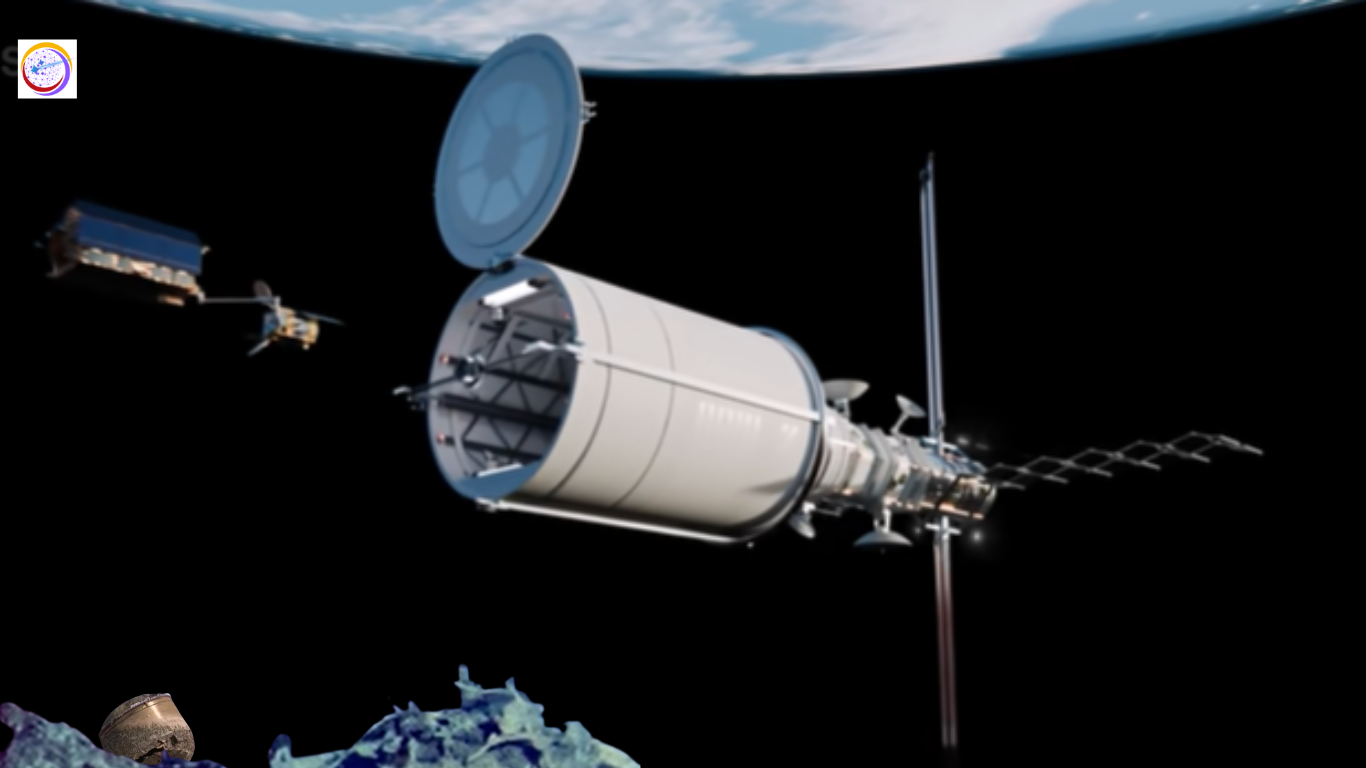
Space debris as a defensive barrier may sound like science fiction, but it is quietly becoming a serious topic in modern space strategy, where the same objects that threaten satellites could also be used to protect them.
Understanding Space Debris as a Defensive Barrier
When people hear about space debris, they usually imagine danger, chaos, and uncontrollable risks. That image is not wrong. Thousands of fragments move at extreme speeds above Earth, and even a small piece can destroy a satellite instantly. Now imagine turning that danger into a tool.
Let me explain this in the clearest, simplest terms.
The idea is surprisingly direct. If debris can destroy satellites, then controlled or strategically placed debris could act as a protective layer. It becomes less of a random threat and more of a deliberate barrier.
From my perspective, this is one of the most controversial ideas in modern space strategy. It feels clever at first, but the deeper you think about it, the more complicated it becomes.
Why Space Debris Is Already a Growing Problem
Before we talk about using debris as a defense, we need to understand the scale of the problem. Space is not empty anymore. Low Earth orbit is crowded with inactive satellites, broken fragments, and leftover rocket parts.
In 2009, a real collision between two satellites created thousands of debris pieces. That single event showed how fragile the orbital environment is. Since then, the number has only increased.
Every satellite operator today must constantly track debris to avoid collisions. This is not theory. It is daily reality.
Turning such a chaotic system into a defensive tool means working with something that is already hard to control.
The Concept of Using Debris as a Shield
The concept is simple in theory. A cloud or field of debris could be positioned in a way that discourages or prevents enemy satellites from approaching a certain region.
Think of it like a minefield, but in space.
If an adversary knows that entering a certain orbit increases the risk of damage, they might avoid it entirely. That hesitation becomes a form of defense.
However, unlike land-based systems, debris does not stay still. It moves at speeds faster than bullets and follows orbital paths that are difficult to adjust quickly.
That is where the idea begins to face serious challenges.
Tactical Advantages of Orbital Debris Defense
There are some clear advantages that make this idea attractive to military planners.
First, it is cost-effective. Creating debris is unfortunately easier than launching advanced defense systems.
Second, it creates uncertainty. Opponents cannot easily predict how debris will behave, which makes planning attacks more difficult.
Third, it acts as a passive defense. Once debris is in place, it does not require constant operation or energy.
From a strategic viewpoint, these points make sense. In an environment where every satellite is valuable, even a small advantage matters.
Space Militarization vs Global Treaties Reality
The Hidden Risks That Cannot Be Ignored
Now comes the part that cannot be overlooked.
Using space debris as a defensive barrier is extremely risky. Not just for one country, but for everyone.
Debris does not recognize ownership. It does not stay within borders. Once released, it becomes part of a shared environment.
A defensive debris field could easily spread and damage friendly satellites or even neutral ones. This could trigger international disputes or escalate conflicts.
There is also the risk of something known as a cascading effect. One collision creates more debris, which leads to more collisions. Over time, entire orbital regions could become unusable.
From my point of view, this is where the idea becomes dangerous. Defense should not create a bigger problem than the threat itself.
Real World Examples That Show the Danger
There have already been incidents that hint at what could go wrong.
Anti-satellite tests conducted by different countries have created large debris clouds. These tests were not meant as defensive barriers, but they showed how quickly debris can spread and remain in orbit for years.
Even space stations have had to perform emergency maneuvers to avoid debris. That alone tells you how serious the situation is.
These are not controlled environments. They are warnings.
Ethical and Legal Challenges in Space
Space is governed by international agreements that aim to keep it safe and accessible for all.
Using debris as a weapon or defensive tool raises serious legal questions. Who is responsible if debris causes damage? How do you control something that cannot be easily tracked once it spreads?
There is also an ethical dimension. Space is not just a military domain. It supports communication, weather forecasting, navigation, and scientific research.
Turning it into a battlefield filled with debris risks harming essential services that billions of people rely on.
Practical Alternatives to Debris-Based Defense
Instead of using debris, there are safer and more controlled methods being developed.
Satellite shielding technologies are improving. Maneuverable satellites can avoid threats more effectively. Electronic countermeasures can protect systems without creating physical hazards.
There is also growing investment in debris removal technologies. Some companies are working on capturing and deorbiting space junk to make space safer.
In my opinion, these approaches represent a smarter direction. They solve problems instead of creating new ones.
Orbital Maneuverability and Satellite Stealth Secrets
The Future of Space Defense Strategy
Space is becoming more important every year. Communication networks, global positioning systems, and even financial systems depend on satellites.
As a result, countries are exploring new ways to protect their assets.
The idea of space debris as a defensive barrier will likely remain a topic of debate. It is innovative, but also unpredictable.
The future will probably favor solutions that balance security with sustainability. Space cannot afford reckless strategies.
Why This Issue Is More Significant Than You Realize
This is not just about military strategy. It is about the future of space itself.
If debris continues to grow, it could limit our ability to launch new satellites. It could increase costs and risks for everyone.
At the same time, how we choose to use or control debris will shape international relationships in space.
From my perspective, this is a turning point. The decisions made today will define whether space remains a shared resource or becomes a contested and dangerous environment.
Conclusion
The idea of space debris as a defensive barrier sits at the intersection of creativity and risk. It shows how far human thinking can go when facing new challenges in space. At the same time, it highlights the dangers of turning a shared environment into a strategic battlefield.
From a practical standpoint, the risks outweigh the benefits. Space is already under pressure from increasing debris, and adding more for defense could push it toward instability.
A smarter path lies in innovation that protects without destroying. Solutions that preserve the orbital environment will define the next era of space security.
This perspective, carefully examined and uniquely presented, reflects the commitment of Worldstan to deliver insights that go beyond the obvious and challenge the way we think about the future.