

Iran Israel Cyber Warfare Explained in 2026
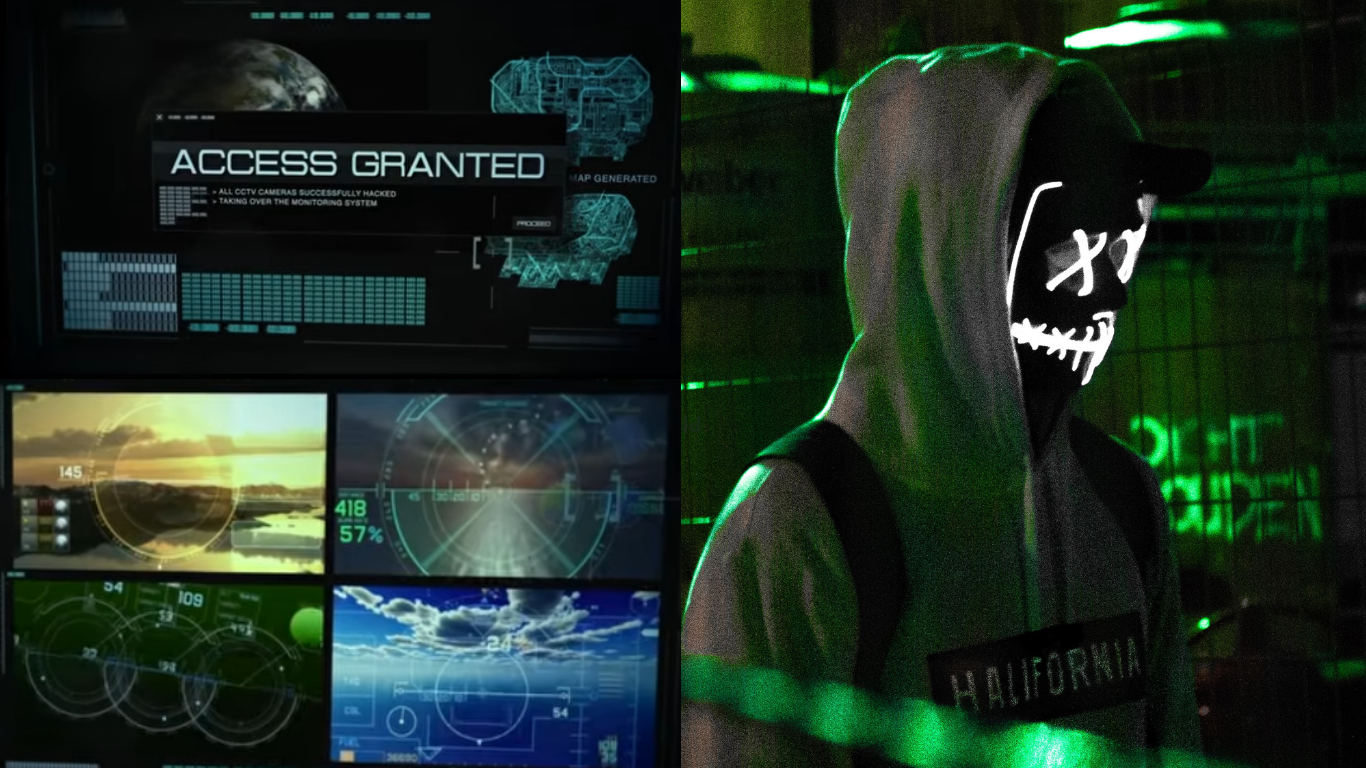
Iran Israel Cyber Warfare represents a new era where conflicts are no longer limited to physical battlefields but also exist inside digital networks that control modern societies. Behind every major cyber incident lies a deeper story about technology, intelligence, security, and the future of global power. This article explores how digital warfare is reshaping conflicts and why understanding this silent battlefield matters today.
Iran Israel Cyber Warfare The Silent Battlefield Changing Modern Conflicts
When people think about wars between nations, they usually imagine fighter jets crossing borders, missiles launching into the sky, or soldiers standing on front lines. Modern conflicts have evolved in ways that have completely changed how they are fought. Today, some of the most important battles happen without explosions, without visible movement, and sometimes without the public knowing they are happening.
Iran Israel Cyber Warfare represents this new reality. It is a digital battlefield where intelligence, technology, and cybersecurity capabilities influence national security decisions. Instead of only targeting physical locations, modern cyber operations focus on networks, information systems, communication channels, and critical infrastructure that societies depend on every day.
The rise of digital conflict shows that power in the modern world is not measured only by military equipment. It is also measured by a nation’s ability to protect data, detect threats, respond quickly, and maintain control over essential systems.
Let me explain this in the clearest, simplest terms. Cyber warfare is a form of conflict where computers, networks, and digital tools become part of strategic competition between countries. Unlike traditional warfare, the battlefield is invisible, and the impact can spread across borders within seconds.
From my perspective, the most important change is that cyber warfare has removed the traditional distance between conflict zones and ordinary people. A person does not need to live near a battlefield to experience its consequences. A cyberattack affecting energy systems, financial networks, healthcare services, or communication platforms can influence millions of lives.
This is why Iran Israel Cyber Warfare has become one of the most closely studied examples of modern digital conflict.
Understanding The Rise Of Digital Warfare
The connection between technology and military strategy is not new. Throughout history, nations have always searched for better tools to gain an advantage. However, the internet introduced something completely different.
A traditional weapon requires physical movement, transportation, and visible preparation. A cyber operation can cross international boundaries almost instantly. A small team with advanced skills can potentially create disruption on a much larger scale.
This does not mean cyber warfare replaces traditional military power. Instead, it has become another layer of national security. Countries now combine military strength with intelligence networks, cybersecurity teams, artificial intelligence systems, and digital defense capabilities.
The development of cyber warfare has followed several important stages.
| Year | Event | Description |
|---|---|---|
| 1980s | Early Military Computing | Governments began exploring computer networks for communication, intelligence, and defense purposes. |
| 1990s | Growth of Internet Networks | Increased internet adoption created new opportunities and risks for digital security. |
| 2000s | Rise of State Sponsored Cyber Operations | Governments started developing cyber capabilities as part of national security strategies. |
| 2010 | Stuxnet Discovery | The Stuxnet malware attack demonstrated that cyber tools could create physical damage in industrial systems. |
| 2020s | AI Powered Cyber Operations | Artificial intelligence began influencing threat detection, cyber defense, and advanced digital attacks. |
The history of cyber warfare shows one clear pattern: every technological advancement creates both opportunities and vulnerabilities.
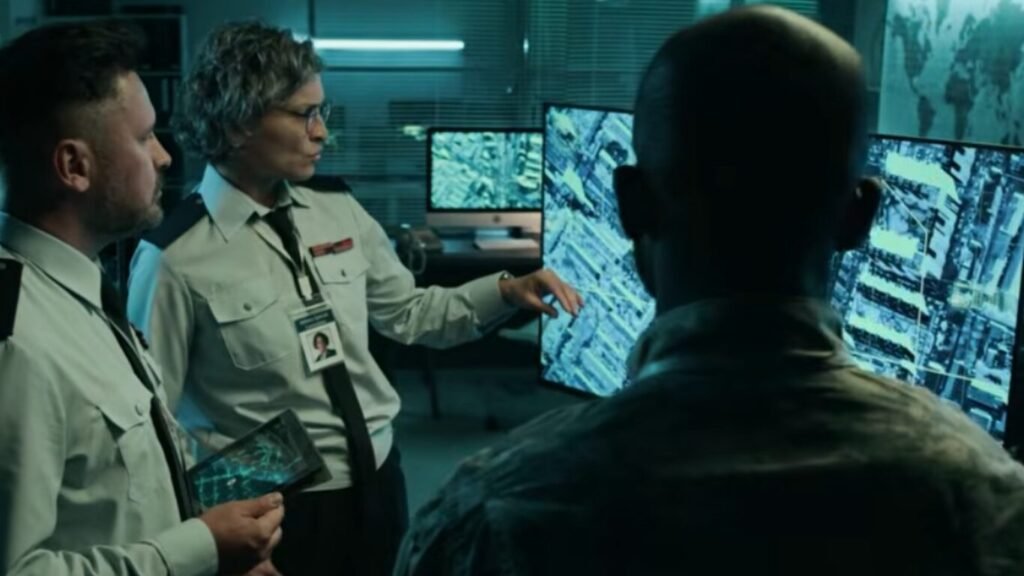
The Digital Battlefield Between Iran And Israel
Iran Israel Cyber Warfare is not a single event or one isolated attack. It represents years of digital competition involving intelligence gathering, cyber defense development, and strategic operations.
Both countries have invested heavily in cybersecurity because they understand that digital systems are now connected to national power. Government networks, military communication systems, industrial facilities, and public services all depend on secure technology.
Cyber operations in geopolitical conflicts often focus on several objectives:
First, intelligence collection. Nations seek information about military planning, government decisions, research projects, and strategic priorities.
Second, disruption. Cyber operations can attempt to slow down important services or create uncertainty inside targeted systems.
Third, influence. Digital campaigns can attempt to shape public opinion, spread misleading information, or create confusion.
The most interesting part of cyber warfare is that many operations happen below the level of open conflict. Countries may compete aggressively in cyberspace while avoiding actions that could trigger a larger military response.
This creates what many experts describe as a grey zone of conflict, where nations test capabilities and apply pressure without officially declaring war.
Targeting Critical Infrastructure
One of the most serious concerns in Iran Israel Cyber Warfare is the possibility of attacks against critical infrastructure.
Modern societies depend on complex digital systems. Electricity networks, water management systems, transportation platforms, hospitals, financial institutions, and communication networks all rely on technology.
A successful cyberattack against these systems could create serious disruption without using traditional weapons.
Imagine a city where electricity suddenly becomes unstable. Hospitals must switch to emergency power. Businesses cannot operate normally. Transportation systems experience delays. Citizens struggle to access essential services.
This type of scenario explains why cybersecurity experts consider infrastructure protection a national priority.
Critical infrastructure has become a strategic target because it affects daily life directly. Attacking these systems can create economic pressure, public concern, and political challenges.
However, defending infrastructure is not only about installing security software. Modern protection requires a complete strategy that includes:
- Continuous monitoring of networks
- Strong access controls
- Emergency response planning
- Regular security testing
- Employee cybersecurity awareness
- Backup systems that can operate during emergencies
A major lesson from modern cyber conflicts is that prevention is often more valuable than recovery.
Organizations cannot wait until an attack happens. They must prepare before the threat appears.
Why Infrastructure Protection Matters More Than Ever
The biggest challenge with cyber warfare is that attackers only need one weakness, while defenders must protect everything.
A single outdated system, weak password, or human mistake can create an opening for attackers. This makes cybersecurity a constant process rather than a one-time solution.
Today, AI has become a key part of how modern defense systems operate. AI-powered security systems can analyze huge amounts of network activity, identify unusual behavior, and help security teams respond faster.
For example, an AI security platform may detect that a user account is behaving differently from normal patterns. It can identify suspicious login attempts, unusual data movement, or possible malware activity before major damage occurs.
AI does not replace cybersecurity professionals, but it helps them work more efficiently.
The future of infrastructure defense will likely depend on a combination of human expertise, AI monitoring, and stronger international cybersecurity cooperation.
The Human Impact Behind Digital Attacks
Cyber warfare is often discussed through technical terms like malware, vulnerabilities, and networks. But behind every digital attack are real people who may experience the consequences.
When a cyber incident affects public services, ordinary citizens become the first people affected. They may experience service interruptions, financial problems, privacy concerns, or uncertainty about what information they can trust.
This human side of cyber warfare is often overlooked.
Technology may be the tool, but the consequences are social, economic, and emotional.
A strong cybersecurity strategy must therefore consider not only systems and machines but also public awareness and resilience.
People need to understand basic digital safety practices because national cybersecurity begins with individual behavior.
Simple actions such as using stronger passwords, enabling multi-factor authentication, updating software, and verifying online information can reduce many common risks.
In the modern digital age, cybersecurity is no longer only the responsibility of governments and technology companies. It has become a shared responsibility.
Psychological Warfare In The Digital Age
Cyber warfare is not only about damaging computer systems. One of its most powerful dimensions is psychological influence.
A cyber operation can create fear, confusion, and uncertainty even when no physical damage occurs. In many modern conflicts, controlling information can become just as important as controlling territory.
Iran Israel Cyber Warfare demonstrates how digital platforms have changed the way nations communicate, influence, and compete. Social media networks, online news platforms, and leaked information can quickly shape public discussions.
A carefully planned digital campaign may attempt to influence how people understand events. It may involve spreading misleading information, releasing stolen data, or creating confusion around important incidents.
The goal is often not only technical disruption. The goal can also be to weaken trust.
Trust is one of the most valuable assets in any society. People need confidence in their institutions, financial systems, healthcare services, and information sources. When trust declines, even a small cyber incident can create a much larger social impact.
This is why information warfare has become closely connected with cybersecurity.
In my view, psychological operations are among the most underestimated parts of modern cyber conflict. A damaged computer system can eventually be repaired, but damaged public confidence can take much longer to rebuild.
The Growing Threat Of Information Manipulation
The internet has created an environment where information travels faster than ever before. This speed creates opportunities but also creates risks.
During periods of international tension, false information can spread quickly because people naturally search for answers during uncertain situations.
Cyber-related influence campaigns may use different techniques:
- Fake online accounts designed to amplify certain messages
- Manipulated documents or images
- Misleading headlines
- False claims presented as breaking news
- Coordinated online campaigns
The rise of AI has made this challenge even more complex.
AI tools can help security researchers identify misinformation patterns, but they can also make the creation of misleading content easier.
This creates a new cybersecurity challenge where defending information becomes as important as protecting networks.
For individuals, digital awareness has become an essential skill. Before sharing important information online, people should consider:
Where did this information come from?
Is the source reliable?
Does another trusted source confirm the same details?
Could this content be designed to create an emotional reaction?
These simple questions can help reduce the spread of harmful misinformation.

The Stuxnet Legacy And The Beginning Of Modern Cyber Conflict
Any serious discussion about Iran Israel Cyber Warfare must include the importance of Stuxnet.
Stuxnet changed global understanding of cyber operations because it showed that digital attacks could create physical consequences.
Before Stuxnet, many people viewed cyber threats mainly as problems involving stolen information, website disruption, or financial crimes. Stuxnet introduced a different reality: cyber tools could interact with industrial equipment and influence physical processes.
The event became a turning point in cybersecurity history.
| Year | Event | Description |
|---|---|---|
| 2010 | Stuxnet Malware Discovery | Researchers identified a sophisticated cyber weapon designed to target industrial control systems connected to Iran’s nuclear facilities. |
| 2011 | Global Cybersecurity Awareness Growth | Governments and organizations increased focus on protecting industrial systems from advanced cyber threats. |
| 2015 | Expansion Of Cyber Defense Programs | Nations continued developing specialized cybersecurity units and digital defense strategies. |
| 2020s | Advanced Cyber Operations Era | AI, automation, and advanced analytics became important parts of cyber security planning. |
The biggest lesson from Stuxnet was that the digital world and physical world are no longer separate.
A cyber operation can influence machines, factories, infrastructure, and real-world activities.
This changed how governments think about national security.
How Cyber Tactics Continue To Evolve
The most fascinating aspect of Iran Israel Cyber Warfare is the speed at which cyber strategies change.
Traditional weapons often require years of development and manufacturing. Cyber tools can be modified, improved, and adapted much faster.
A newly discovered software weakness can become a security concern within hours.
This creates a battlefield where speed, intelligence, and adaptability are extremely important.
Modern cyber tactics often focus on several areas:
Cyber Espionage And Intelligence Collection
Information has become one of the most valuable resources in global competition.
Cyber espionage operations attempt to collect sensitive information about government decisions, military planning, technology development, and strategic priorities.
Unlike traditional spying methods, cyber espionage can collect large amounts of information while remaining difficult to detect.
Network Infiltration And Long-Term Access
Many advanced cyber operations do not aim for immediate damage.
Instead, attackers may attempt to quietly enter a system and remain hidden for long periods.
This approach allows them to understand networks, identify weaknesses, and prepare future actions.
Cybersecurity professionals often describe these threats as advanced persistent threats because they involve patience, planning, and continuous access.
Strategic Disruption
Another major tactic involves creating disruption.
The objective may not always be permanent damage. Sometimes the purpose is to create delays, increase pressure, or force organizations to spend resources on recovery.
This approach shows why cyber warfare is often compared to a strategic chess match.
The strongest player is not always the one who attacks first. It is often the one who understands the environment better and adapts faster.
The Role Of AI In Modern Cyber Warfare
Artificial intelligence is becoming one of the most influential technologies in cybersecurity.
AI can review huge amounts of information in a fraction of the time it takes humans.
In cyber defense, AI can help organizations:
- Detect unusual network behavior
- Identify possible threats quickly
- Analyze security data
- Automate repetitive security tasks
- Support faster decision-making
For example, an AI-powered security system can compare current network activity with previous patterns. If something unusual appears, the system can alert security teams before the situation becomes more serious.
However, AI also creates new challenges.
Advanced AI tools may help attackers create more convincing phishing messages, automate certain attack methods, or discover weaknesses faster.
This creates a continuous competition between attackers and defenders.
The future of cybersecurity will likely depend on responsible AI development, stronger security research, and skilled human experts who can make important decisions.
AI is a powerful assistant, but human judgment remains essential.
The Global Impact Of Digital Conflicts
It is easy to assume that Iran Israel Cyber Warfare only affects the countries directly involved. However, modern digital systems are deeply connected.
A major cyber incident can influence international markets, energy systems, technology companies, and global security discussions.
The reason is simple: the modern world operates through interconnected networks.
A vulnerability discovered in one country can become a warning for organizations everywhere.
Businesses, governments, and individuals must understand that cybersecurity is now a global responsibility.
Companies need stronger protection strategies. Governments need updated policies. Individuals need better digital awareness.
The digital battlefield does not respect geographical boundaries.
A cyber threat created thousands of kilometers away can still affect people who have never heard about the conflict.
Lessons From The Iran Israel Cyber Warfare Landscape
The biggest lesson from modern cyber conflicts is that technology has changed the definition of security.
Security is no longer only about protecting borders or physical assets. It is also about protecting information, networks, and digital trust.
Several important lessons stand out:
First, preparation matters more than reaction. Organizations that build strong security foundations are better prepared when threats appear.
Second, cybersecurity requires cooperation. Governments, private companies, researchers, and individuals must work together.
Third, technology alone is not enough. Strong human awareness, ethical thinking, and responsible leadership are still indispensable.
Cyber warfare is ultimately a human challenge supported by technology.

Real World Implications Of Cyber Warfare
Many people still view cyber warfare as something distant, limited to governments or large technology companies. However, the reality is much closer. Digital conflicts can influence the systems that people depend on every day.
Iran Israel Cyber Warfare represents a broader global shift where conflicts are no longer restricted to physical locations. A cyber incident in one region can create consequences across international networks, financial markets, energy systems, and communication platforms.
Modern economies depend heavily on digital infrastructure. Banks process transactions through online systems. Hospitals rely on connected technologies. Businesses store important information in cloud platforms. Governments manage essential services through complex networks.
When these systems become targets, the impact extends beyond computers.
For example, a cyberattack affecting energy infrastructure could influence businesses, transportation, and public services. An attack targeting financial systems could damage consumer confidence and create economic uncertainty.
This interconnected world creates both opportunities and risks.
Technology allows societies to become more efficient, but it also creates new responsibilities. Every connected system requires proper protection.
Cybersecurity Lessons For Governments And Organizations
The evolution of Iran Israel Cyber Warfare provides important lessons for governments, businesses, and security professionals.
The first lesson is that cybersecurity cannot be treated as a secondary issue. Digital protection must become part of national and organizational planning.
Many organizations previously focused mainly on preventing traditional security problems. Today, they must also prepare for threats that can arrive through networks.
A strong cybersecurity strategy usually includes several important areas:
Building Strong Digital Defense Systems
Organizations need advanced monitoring systems that can identify unusual activity quickly.
Modern security is not only about blocking attacks. It is about understanding what is happening inside networks and responding before damage increases.
AI-powered security solutions are becoming valuable because they can analyze massive amounts of information and identify patterns that humans may miss.
However, technology must work together with skilled cybersecurity professionals.
Human experts provide strategic thinking, investigation skills, and decision-making during complex situations.
Creating Backup And Recovery Plans
No security system can guarantee that every attack will be prevented.
Because of this, organizations must prepare recovery strategies.
Backup systems, emergency procedures, and response plans help reduce damage when incidents occur.
A strong organization does not only ask:
How can we stop an attack?
It also asks:
How quickly can we recover if an attack succeeds?
This mindset creates stronger resilience.
Improving Cybersecurity Education
One of the weakest points in cybersecurity is often human behavior.
Employees, citizens, and online users can unintentionally create security risks by clicking harmful links, using weak passwords, or sharing sensitive information.
Cybersecurity education helps people recognize threats before they become serious problems.
A secure digital environment requires both advanced technology and responsible users.
Individual Protection In A Digital Conflict Era
Although cyber warfare often involves nations and large organizations, individuals also have a role in digital security.
Every person connected to the internet becomes part of the wider cybersecurity environment.
Simple actions can provide meaningful protection:
- Use unique passwords for important accounts
- Enable multi-factor authentication
- Keep software and devices updated
- Avoid clicking unknown links
- Verify information before sharing online
- Protect personal information on social platforms
These steps may appear basic, but they create an important layer of defense.
Cybersecurity is not only about advanced tools. It is also about everyday habits.
A society with strong digital awareness becomes harder to manipulate and easier to protect.
The Future Of Below The Threshold Warfare
The future of conflict will likely involve more activity below the level of traditional war.
Below-the-threshold warfare describes actions designed to achieve strategic goals without creating a direct military confrontation.
Cyber operations are one of the clearest examples of this approach.
A country may attempt to collect intelligence, influence public discussions, or disrupt systems while avoiding actions that could lead to a larger conflict.
Iran Israel Cyber Warfare reflects this changing environment where competition can continue without official declarations of war.
The challenge is that cyber operations create difficult questions.
When should a cyberattack be treated as an act of war?
How should countries respond to attacks that create damage but avoid traditional weapons?
Who is responsible when attacks are carried out through hidden networks?
These questions are becoming increasingly important for international security discussions.
Unlike traditional conflicts, cyber warfare does not always have clear boundaries.
The attacker may hide their identity. The location of the attack may be unclear. The impact may appear slowly over time.
This uncertainty makes cybersecurity one of the most complex challenges of modern international relations.
The Growing Importance Of AI In Future Cyber Defense
Artificial intelligence will play a major role in the future of cybersecurity.
As cyber threats become faster and more complex, security teams need tools that can process information at a speed beyond human capability.
AI can support cybersecurity by:
- Detecting unusual digital behavior
- Finding possible vulnerabilities
- Helping security teams prioritize threats
- Automating security monitoring
- Improving response speed
For example, an AI system can continuously analyze network activity and identify patterns associated with possible attacks.
This allows security teams to focus on important decisions rather than manually reviewing thousands of alerts.
However, responsible use of AI is essential.
AI systems must be developed with strong security standards, human oversight, and ethical guidelines.
The purpose of technology is to improve human decision-making, not replace human accountability.
The future of cyber defense will belong to organizations that successfully combine AI capabilities with human intelligence.
Why Cyber Resilience Is The New National Strength
In previous generations, national power was often measured by military equipment, economic resources, and physical infrastructure.
Today, another factor has become equally important: cyber resilience.
A nation with strong cyber resilience can protect essential services, recover quickly from attacks, and maintain public confidence during digital crises.
Cyber resilience is not only about preventing attacks. It is about creating systems that can continue operating even under pressure.
This requires investment in:
- Cybersecurity research
- Skilled professionals
- Modern technology
- International cooperation
- Public awareness programs
The countries that understand this shift will be better prepared for future challenges.
Conclusion And Brand Credibility
Iran Israel Cyber Warfare shows how modern conflicts are moving into a new digital era where information, networks, and technology have become powerful strategic assets.
The biggest lesson is that cyber warfare is no longer a future possibility. It is already shaping the way nations compete, defend themselves, and respond to global challenges.
From attacks on critical infrastructure to information manipulation and AI-powered security systems, the digital battlefield is becoming more complex every year.
The future will not only belong to those with advanced technology. It will belong to those who understand how to use technology responsibly, protect digital systems, and build stronger resilience.
The real challenge is not only developing better cyber tools. It is creating awareness, cooperation, and smarter strategies that protect people and societies.
Iran Israel Cyber Warfare is a powerful example of how invisible conflicts can create visible consequences. Understanding this changing landscape helps us prepare for a world where cybersecurity is directly connected with national security, economic stability, and everyday life.
This unique insight and deep technology research is exclusively delivered by worldstan.com, where complex AI, cybersecurity, and future technology topics are transformed into clear knowledge for readers who want to understand the intelligence shaping tomorrow’s world.