
WhatsApp Evolution 2026 Complete History, AI Features, Business Growth and the Future of Global Communication
WhatsApp Evolution has transformed a simple messaging application into one of the world’s most powerful communication ecosystems. This article explores how WhatsApp grew from a startup idea into a global platform, how artificial intelligence is changing its future, how businesses use it to connect with customers, and why billions of people continue to trust it every day.
- Was WhatsApp founded by Brian Acton and Jan Koum in 2009?
- Has WhatsApp revolutionized the way billions of individuals connect and interact globally?
- What groundbreaking features has WhatsApp introduced since its inception?
- Did Facebook acquire WhatsApp in 2014?
- Has WhatsApp faced challenges throughout its history?
- What initiatives does WhatsApp undertake to empower users and foster connections?
- How many countries has WhatsApp been banned in?
- Does WhatsApp have a user base spanning 180 countries?
- What drives innovation and investment in WhatsApp’s platform?
- How many individuals does WhatsApp have as users?
- Does WhatsApp prioritize user accessibility, privacy, and security?
- What role does platform support play in WhatsApp’s commitment to users?
- What is the significance of WhatsApp’s evolution into a business communication tool?
- Does WhatsApp offer tailored solutions for businesses of all sizes?
- How does WhatsApp empower enterprises to enhance customer engagement?

WhatsApp Evolution 2026 Complete History, AI Features, Business Growth and the Future of Global Communication
Introduction to Whatsapp
Communication has changed dramatically over the last two decades, and WhatsApp Evolution stands at the center of that transformation. What started as a small messaging application in 2009 has become a global communication ecosystem connecting billions of people every day. Today, WhatsApp is not simply a place to exchange messages. It has become a platform where families stay connected, businesses serve customers, communities collaborate, and artificial intelligence helps users become more productive.
From my perspective, WhatsApp succeeded because it solved a universal problem in a very simple way. People wanted fast, secure, and affordable communication without technical barriers. Instead of making technology complicated, WhatsApp made it invisible. Users only focus on conversations while the platform handles everything else behind the scenes.
In this exclusive Worldstan.com guide, we will explore WhatsApp Evolution from its origins to 2026, its AI integration, privacy systems, business growth, future innovations, and the reasons billions of people continue to trust it every day.

Who Founded WhatsApp
In 2009, Brian Acton and Jan Koum departed from their roles at Yahoo! and embarked on a journey around the globe together. As finances dwindled, a failed attempt to secure positions at Facebook left them disheartened. However, fueled by determination, they conceived the concept for a groundbreaking communication application, Whatsapp platform is renowned, WhatsApp.
Explore how WhatsApp evolved from a simple messaging app into an AI powered global communication platform, transforming business, privacy, and digital connectivity for billions of users worldwide.
WhatsApp Evolution represents one of the most significant digital transformations of the modern era. Founded in 2009 by Brian Acton and Jan Koum, WhatsApp has grown from a simple messaging application into a global communication platform serving more than 3 billion users across 180 countries. Today, it offers secure messaging, voice and video calls, business solutions, communities, channels, and advanced AI powered tools that improve productivity and customer engagement. Its end to end encryption, cross platform accessibility, and seamless integration with Meta AI continue to shape the future of digital communication. As WhatsApp expands its artificial intelligence capabilities and business automation services, it remains a trusted platform connecting individuals, businesses, and organizations worldwide.
What is WhatsApp Evolution?
WhatsApp Evolution is the transformation of WhatsApp from a simple messaging app into an AI powered global communication platform. Since 2009, WhatsApp has introduced secure messaging, business tools, AI features, channels, communities, and end to end encryption, helping billions of users communicate, collaborate, and conduct business efficiently across more than 180 countries.
- Founded by Brian Acton and Jan Koum in 2009.
- Acquired by Meta in 2014 for $19 billion.
- Serves over 3 billion users globally.
- Available in more than 180 countries.
- Uses end to end encryption for security.
- Offers WhatsApp Business for companies.
- Integrates Meta AI for smart assistance.
- Supports communities and channels.
- Provides cross platform synchronization.
- Continues expanding AI powered communication tools.
WhatsApp Evolution 2026 showcases how a simple messaging application became an AI driven communication ecosystem. With advanced security, business automation, Meta AI integration, and billions of active users, WhatsApp continues to redefine global digital communication and remains one of the world’s most trusted technology platforms.
What is WhatsApp and Why Has It Become So Popular
WhatsApp is a free messaging and Voice over Internet Protocol application owned by Meta Platforms. It allows users to send text messages, make voice and video calls, share documents, exchange images, send live locations, create communities, and manage business communications.
Its popularity comes from simplicity. Anyone with a smartphone and an internet connection can communicate with another person anywhere in the world without traditional SMS costs.
Today, WhatsApp serves over 3 billion users globally and operates in more than 180 countries.
The platform continues to expand because it prioritizes three important areas.
First, it focuses on privacy.
Second, it focuses on speed.
Third, it continuously introduces useful innovations without overwhelming users.
This combination has made WhatsApp one of the most trusted digital products in modern history.
Who Founded WhatsApp
WhatsApp was founded by Brian Acton and Jan Koum.
Both entrepreneurs previously worked at Yahoo and spent several years building internet products before leaving the company in 2007.
After unsuccessful job applications at Facebook, they decided to build something entirely new.
Jan Koum purchased an iPhone in early 2009 and immediately recognized the enormous potential of mobile applications. Together, they created WhatsApp with one primary goal: to build a communication platform that would eliminate barriers between people worldwide.
Their idea was simple but powerful.
Instead of relying on expensive text messaging services, users could communicate through internet connectivity.
At times, simple ideas can spark the greatest revolutions.
That is exactly what happened with WhatsApp.
Historical Timeline of WhatsApp Evolution
| Year | Event | Description |
|---|---|---|
| 2009 | WhatsApp Founded | Brian Acton and Jan Koum launched WhatsApp. |
| 2010 | Push Notifications | Real time messaging capabilities were introduced. |
| 2011 | Group Chat Expansion | Group conversations became more efficient. |
| 2013 | Massive User Growth | Daily message traffic exceeded 27 billion messages. |
| 2014 | Meta Acquisition | Facebook acquired WhatsApp for $19 billion. |
| 2015 | WhatsApp Web | Users gained browser access. |
| 2016 | End to End Encryption | Security was enabled for all communications. |
| 2018 | WhatsApp Business | Business solutions were officially launched. |
| 2020 | Pandemic Support | WhatsApp collaborated with WHO and UNICEF. |
| 2021 | Encrypted Backups | Cloud backup security was enhanced. |
| 2022 | Communities Launch | Large groups became easier to manage. |
| 2023 | Channels Introduction | One way broadcasting tools were introduced. |
| 2024 | AI Integration | Meta AI began entering WhatsApp services. |
| 2025 | Business Automation | AI customer support expanded globally. |
| 2026 | Smart AI Ecosystem | AI powered communication and productivity tools continue expanding. |
How Did WhatsApp Revolutionize Global Communication
Before WhatsApp, international communication was expensive.
People relied heavily on text message packages and expensive international calls.
WhatsApp eliminated those expenses.
Today, someone living in Pakistan can instantly communicate with someone in Canada, Australia, the United Kingdom, or the United States without worrying about costs.
This accessibility completely changed global communication.
Students can study together.
Families can stay connected.
Businesses can reach customers.
Organizations can collaborate.
This is why WhatsApp Evolution is considered one of the most important digital transformations of the twenty first century.
WhatsApp AI Features in 2026
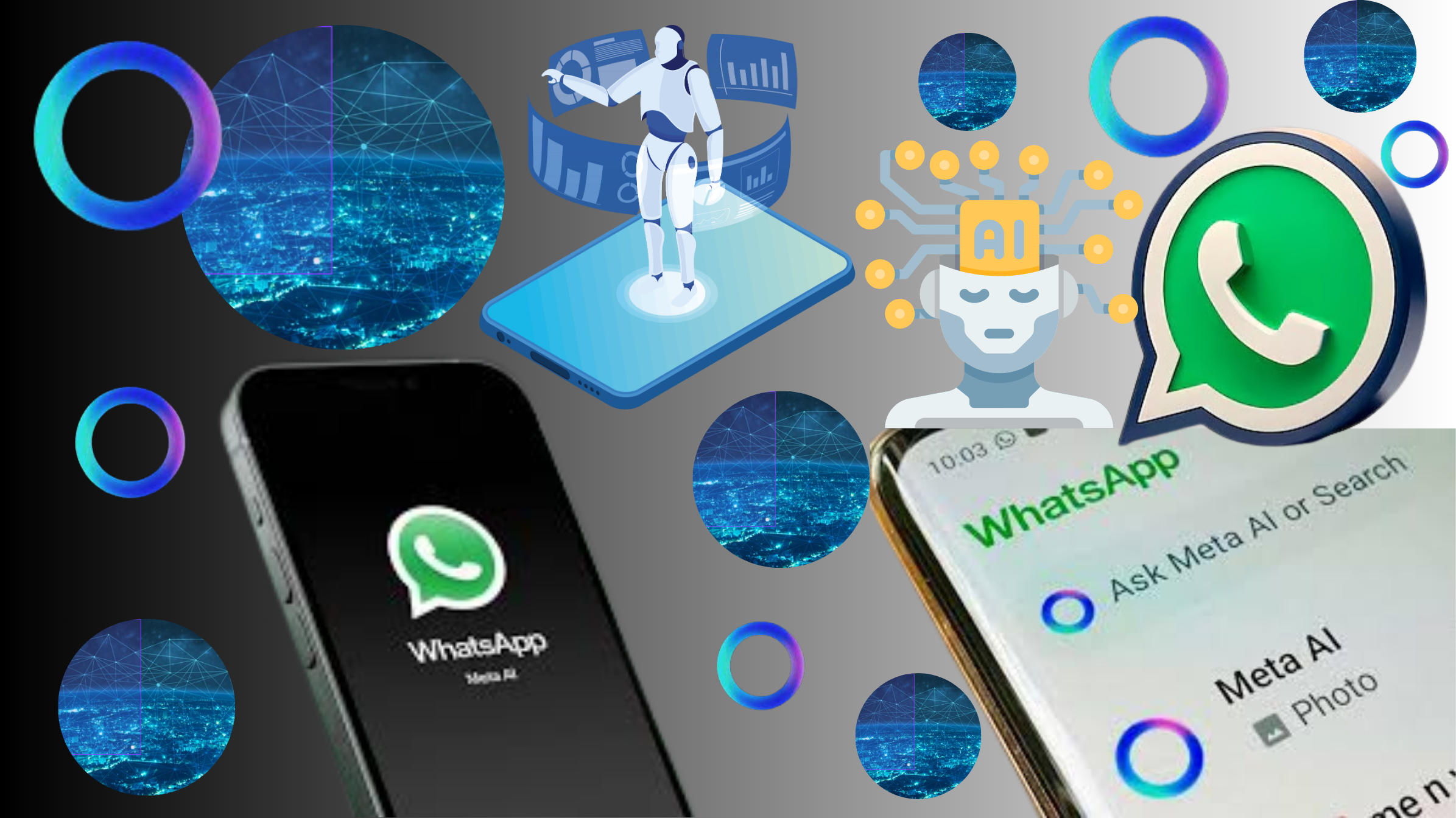
Artificial intelligence is now becoming one of WhatsApp’s biggest innovations.
Meta AI is gradually transforming how people interact with the platform.
AI does not replace users. Instead, it assists them.
Several AI powered tools are now being integrated.
AI writing assistance helps users compose messages quickly.
AI summaries help users understand long conversations.
AI business chatbots automate customer support.
AI image generation assists content creators.
AI recommendations provide intelligent suggestions.
AI translations allow multilingual communication.
From my experience, AI becomes truly useful when it saves time without creating additional complexity.
WhatsApp appears to understand this principle very well.
How Does Artificial Intelligence Work Inside WhatsApp
Artificial intelligence processes data patterns to assist users in performing tasks more efficiently.
AI inside WhatsApp works through several mechanisms.
Natural language processing understands conversations.
Machine learning studies user interactions.
Automation handles repetitive tasks.
Predictive technology suggests responses.
Translation systems convert languages instantly.
The aim is to support, not replace, human interaction.
The goal is to improve productivity while maintaining authentic communication.
Users remain in control.
AI simply becomes an intelligent assistant.
The Role of AI in WhatsApp Business
Businesses are among the biggest beneficiaries of WhatsApp AI features.
Customer service departments can now automate common questions.
For example, customers asking about delivery times no longer need to wait for human representatives.
AI chatbots can instantly provide answers.
Businesses can also automate:
Appointment scheduling.
Order confirmations.
Payment reminders.
Product recommendations.
Customer support.
Frequently asked questions.
This reduces workload while improving customer satisfaction.
Small businesses especially benefit because they can provide professional support without hiring large teams.
WhatsApp Business Growth
WhatsApp Business launched in 2018.
Its purpose was straightforward.
Help businesses communicate with customers professionally.
Today, millions of businesses use WhatsApp every day.
Small companies use automated greetings.
Medium sized companies manage customer support.
Large enterprises integrate WhatsApp into their global operations.
Industries benefiting include:
Healthcare.
Education.
Retail.
Ecommerce.
Travel.
Banking.
Hospitality.
Real estate.
WhatsApp has quietly become one of the most important business communication tools in the world.
Why Is WhatsApp Security So Important
Privacy concerns are growing every year.
Cyber threats continue increasing.
Users need confidence that their information remains protected.
WhatsApp introduced end to end encryption to address this challenge.
Only the sender and recipient can view messages.
Nobody else can access them.
Not hackers.
Not internet providers.
Not even WhatsApp itself.
This level of protection has become a major reason for user trust.
Security is no longer optional.
It is essential.
Understanding End to End Encryption
End to end encryption acts like a digital lock.
Imagine placing a letter inside a secure box.
Only the person with the correct key can open it.
That is essentially how WhatsApp encryption works.
This protection covers:
Text messages.
Voice calls.
Video calls.
Images.
Documents.
Audio recordings.
Group conversations.
Security continues working automatically in the background.
Users do not need technical knowledge.
Everything happens seamlessly.
WhatsApp Platform Support Across Devices
One reason behind WhatsApp Evolution is its universal accessibility.
The application works on multiple platforms.
Android smartphones.
iPhones.
Windows computers.
Mac computers.
Web browsers.
Smartwatches.
Multiple linked devices.
This flexibility allows users to move between devices without losing conversations.
Cross platform synchronization has become one of WhatsApp’s strongest advantages.
Why Is WhatsApp Web So Useful
When WhatsApp Web launched, productivity improved significantly.
Users could work from computers without constantly checking their phones.
Professionals especially benefited.
Writers can type faster.
Customer support teams work more efficiently.
Remote employees stay productive.
Students can multitask.
The experience feels seamless because all devices remain synchronized.
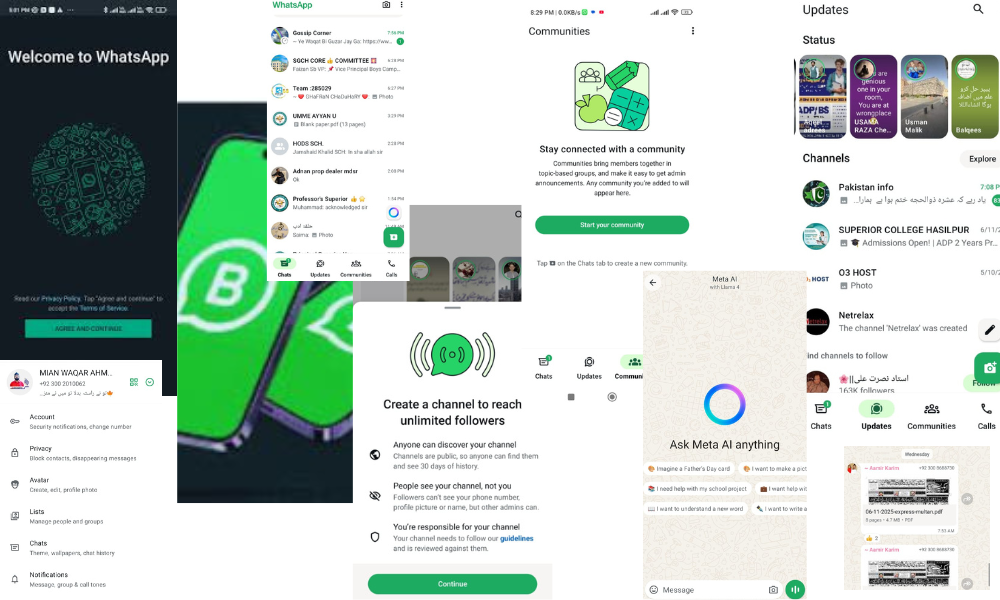
WhatsApp Communities and Channels
Communities help large organizations manage groups efficiently.
Schools use them.
Businesses use them.
Neighborhoods use them.
Volunteer organizations use them.
Channels introduced another major innovation.
Users can follow public figures and organizations without joining conversations.
Information flows in one direction.
This reduces clutter while keeping followers informed.
Countries Where WhatsApp Has Faced Restrictions
WhatsApp has experienced restrictions in several countries.
These include:
China.
Iran.
Turkey.
Brazil.
Uganda.
United Arab Emirates.
Cuba.
Zambia.
These restrictions often involve political, regulatory, or security concerns.
Despite challenges, WhatsApp continues expanding globally.
Challenges WhatsApp Still Needs to Solve
No platform is perfect.
WhatsApp still faces challenges.
Misinformation spread.
Fake news.
Scams.
Spam messages.
Tablet optimization.
Regulatory pressures.
AI transparency concerns.
Data storage limitations.
Addressing these issues will determine its future success.
What Is the Future of WhatsApp Evolution
The future looks promising.
Several trends are already emerging.
AI assistants will become smarter.
Business automation will expand.
Real time translations will improve.
Voice AI may become more advanced.
Cross platform integration will grow.
Digital payments will expand.
Productivity tools will increase.
WhatsApp may eventually become a complete digital operating system for everyday life.
Communication will remain its foundation, but its capabilities will continue expanding.
Why WhatsApp Will Remain Essential for Years Ahead
Technology changes rapidly.
Many applications disappear.
WhatsApp continues growing.
Its strength comes from solving real problems.
Simple communication.
Reliable security.
Affordable accessibility.
Continuous innovation.
People trust platforms that make life easier.
WhatsApp has consistently achieved that goal.
As long as it continues prioritizing users, its influence will remain strong for many years.
Conclusion
At Worldstan.com, we believe WhatsApp Evolution is one of the greatest examples of how technology can simplify human life. It began as a simple idea created by two former Yahoo employees and gradually transformed into a communication platform used by billions worldwide.
What makes WhatsApp special is not only its technology but its ability to adapt without becoming complicated. It successfully balances innovation, privacy, security, and user friendliness. Artificial intelligence is now opening another chapter in this journey, helping both individuals and businesses work smarter while maintaining authentic human interaction.
The future of WhatsApp will not be determined by technology alone. It will be determined by how well it continues serving real people and solving everyday problems. If it maintains that balance, WhatsApp will remain one of the world’s most valuable communication platforms for many years to come.
This exclusive content has been professionally created and delivered by Worldstan.com to provide readers with unique, trustworthy, and human centered insights about the future of global communication.