

Best AI Apps 2026 Top Mobile AI Tools

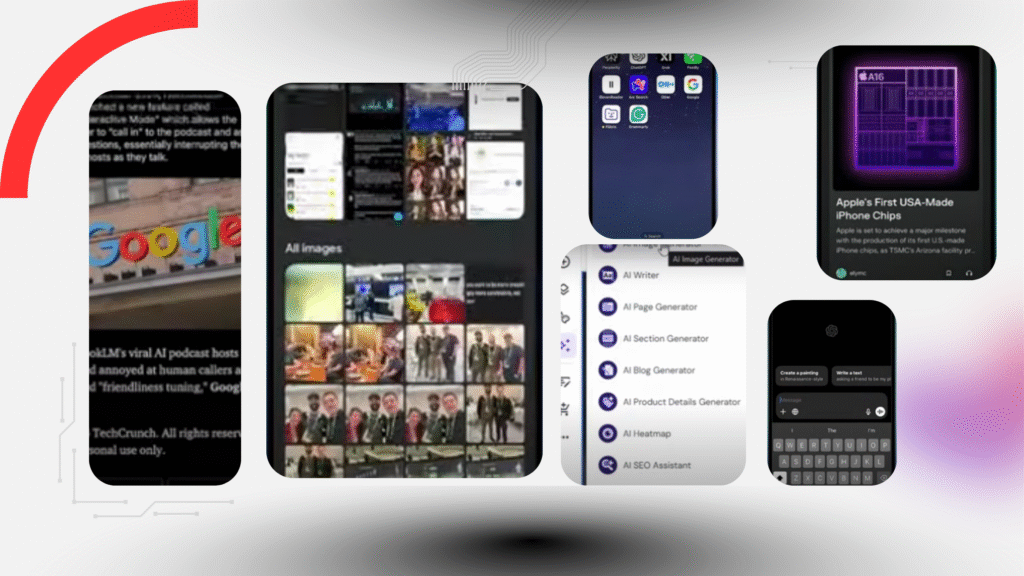
If you are searching for the Best AI Apps 2026, this guide will show you how artificial intelligence is changing everyday mobile experiences through smarter, faster, and more personalized applications that help users work, learn, create, communicate, and solve problems more efficiently than ever before.
Best AI Apps 2026 The Ultimate Guide to Smart Mobile Applications
Artificial intelligence is no longer a technology reserved for large corporations and research laboratories. Today, it sits comfortably inside our smartphones, helping millions of people write content, create images, learn languages, manage finances, improve productivity, and even maintain their mental well-being.
The rapid growth of AI-powered mobile applications has created an entirely new digital experience. Users now expect apps to understand their needs, predict their preferences, and provide instant assistance. This shift has transformed the mobile app industry into one of the most exciting sectors in technology.
At worldstan.com, we closely follow emerging technologies, and one trend is becoming increasingly clear: AI apps are reshaping how people interact with their devices every single day.
Why Are AI Apps Becoming So Popular
The popularity of AI applications is driven by one simple factor: convenience. People want faster solutions and better results without spending hours learning complicated tools.
Artificial intelligence can analyze data, understand language, recognize images, and automate repetitive tasks. This allows users to complete activities that previously required significant time and effort.
For example, instead of spending hours researching information online, users can now ask an AI assistant and receive organized answers within seconds. Similarly, graphic design tasks that once required professional expertise can now be completed through simple text prompts.
AI Chatbots Leading the Revolution
AI chatbots have become the most visible category in the AI industry. These tools assist users with writing, coding, brainstorming, research, and communication.
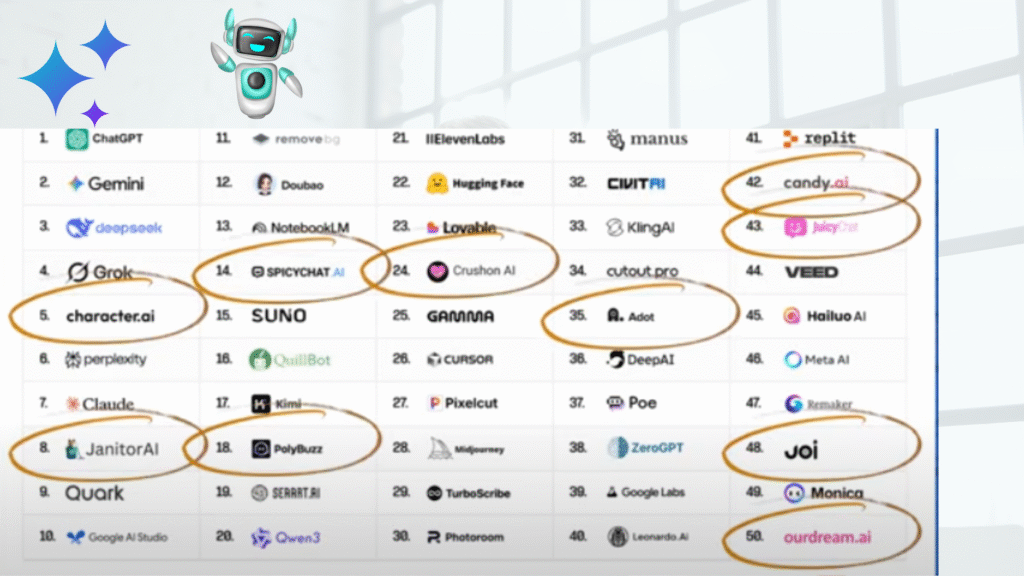
Among the most recognized platforms are OpenAI ChatGPT, Microsoft Copilot, Google Gemini, Anthropic Claude, DeepSeek, Grok, and Doubao.
Each platform offers unique strengths. Some focus on content creation, while others excel in coding, research, reasoning, or real-time information retrieval.
Many professionals now use multiple AI assistants depending on the nature of the task. Writers often rely on AI for drafting ideas, while developers use AI tools to accelerate coding projects and troubleshoot software issues.
Which AI Chatbot Is Best for Everyday Users
The answer depends on individual needs.
ChatGPT remains one of the most versatile options because it handles writing, learning, coding, and problem-solving effectively.
Gemini integrates naturally with Android devices and Google services.
Copilot works particularly well for users already invested in Microsoft’s ecosystem.
Claude is appreciated for thoughtful responses and detailed analysis.
DeepSeek has attracted attention due to its efficiency and affordability.
For most users, choosing an AI chatbot should depend on workflow requirements rather than popularity alone.
AI-powered search tools are transforming the way people discover information.
Traditional search engines are evolving rapidly because of artificial intelligence.
Instead of presenting only links, modern AI search platforms generate summaries, answer questions directly, and provide context-rich information.
Popular AI search solutions include Perplexity AI, Google Search Generative Experience, Bing Copilot Search, You.com, and Fellou.
These tools reduce the time required to locate reliable information and often provide sources that help users verify accuracy.
This improvement is especially useful for students, researchers, marketers, and business professionals who frequently handle large amounts of information.
AI Image Generators Unlock New Creative Possibilities
One of the most exciting developments in artificial intelligence is image generation.
Applications such as DALL-E 3, Adobe Firefly, Lensa, FaceApp, Facetune, and StarryAI enable users to create impressive visuals with minimal effort.
Here’s an easy way to understand it.
A person with no graphic design experience can now generate professional-looking artwork simply by describing an image in text. This capability has transformed marketing, social media content creation, digital art, and branding.
Small businesses particularly benefit because they can produce high-quality visual content without hiring expensive design teams.
AI Education Apps Making Learning Smarter
Education is another sector experiencing significant AI-driven transformation.
Modern educational apps adapt to individual learning styles and provide personalized assistance.
Khanmigo acts as a digital tutor that helps students understand difficult concepts.
Duolingo uses adaptive artificial intelligence to improve language learning experiences.
ELSA Speak helps users improve English pronunciation through advanced voice recognition.
Socratic by Google assists students by analyzing questions and providing visual explanations.
These tools create more engaging learning experiences while helping students progress at their own pace.
How Are AI Apps Improving Health and Wellness
Health-related applications are becoming increasingly intelligent.
AI-powered wellness apps now analyze user behavior and recommend personalized solutions.
Calm provides customized meditation experiences.
FitnessAI develops workout routines based on performance data.
Woebot Health and Youper offer conversational support designed around psychological principles.
Although these applications do not replace healthcare professionals, they can provide valuable support for individuals seeking healthier lifestyles and improved mental wellness.
Leading Categories of AI Apps
AI Chatbots and Assistants
ChatGPT — Developed by OpenAI, ChatGPT remains one of the most advanced conversational AI models, capable of generating content, solving problems, and assisting users with research or communication tasks.
Copilot — Microsoft’s Copilot, integrated into its Edge browser and mobile platforms, handles a wide range of activities from creating travel itineraries to generating code or exercise plans.
Gemini — Google’s Gemini offers seamless integration with Android and Google services, enabling real-time information search, brainstorming, and writing support in multiple languages.
DeepSeek — A Chinese open-source chatbot known for its reasoning capabilities and cost efficiency, DeepSeek has rapidly gained popularity for providing reliable, affordable AI interactions.
Claude — Created by Anthropic, Claude supports in-depth discussions, coding, and image analysis while maintaining strong safety and data compliance standards.
Grok — Built by Elon Musk’s xAI, Grok uses real-time data to deliver unfiltered, information-rich answers through X and web applications.
Doubao — Developed by ByteDance, Doubao has become one of China’s most widely used AI chatbots, offering content generation, research tools, and coding assistance.
AI Search and Browsing Tools
Perplexity AI provides verified, well-sourced answers and has introduced a specialized browser called Comet for automated search and task execution.
Google Search Generative Experience enhances conventional search by blending AI-generated summaries with traditional results.
Bing with Copilot Search allows users to query images, receive summaries, and generate visuals directly within the search experience.
You.com leverages its proprietary large language model to deliver multiple result formats, including text, visuals, and video summaries.
Fellou introduces agentic browsing, running multiple tabs and summarizing or generating content across tasks simultaneously.
AI Finance Apps Helping Users Manage Money Better
Financial management has traditionally been challenging for many people.
Artificial intelligence simplifies budgeting, spending analysis, fraud detection, and financial planning.
Cleo provides conversational budgeting advice that feels more like chatting with a knowledgeable friend than using a financial tool.
Ally Financial uses AI technologies to improve customer experiences and security.
Fyle automates expense management and reporting processes for businesses and employees.
These innovations save time while helping users make more informed financial decisions.
AI Productivity Apps Increasing Workplace Efficiency
Productivity remains one of the biggest drivers behind AI adoption.
Applications such as Grammarly, Jasper, Writer, Otter AI, Trint, Read AI, and Google Recorder help users work more efficiently.
Writers can improve content quality, professionals can automate meeting notes, and teams can collaborate more effectively.
Many organizations report substantial productivity improvements after integrating AI-powered workflows into their daily operations.
AI Navigation Apps Making Travel Easier
Navigation tools have become remarkably intelligent.
Google Maps and Waze continuously analyze traffic conditions, road closures, and travel patterns to identify optimal routes.
Machine learning algorithms process enormous volumes of real-time data, helping drivers save both time and fuel.
This practical application demonstrates how AI improves daily life without users even noticing the complex technology operating behind the scenes.
What Does the Future Hold for AI Apps
The future looks extremely promising.
AI applications are becoming more personalized, more accurate, and more capable of handling complex tasks.
Future developments may include highly advanced digital assistants capable of managing schedules, conducting research, creating content, analyzing data, and coordinating multiple activities with minimal human input.
As competition among AI companies increases, users will gain access to more powerful tools at lower costs.
This environment encourages innovation and accelerates technological progress across every industry.
Why Best AI Apps 2026 Matter More Than Ever Before
AI has moved beyond being a futuristic idea. It is already integrated into everyday life through mobile applications that help people learn faster, work smarter, create better content, improve health, manage finances, and communicate more effectively.
The most successful AI apps are not replacing human capabilities. Instead, they enhance them by removing repetitive tasks and providing valuable assistance when needed.
For anyone looking to improve productivity, creativity, or efficiency, exploring the Best AI Apps 2026 represents one of the smartest technology decisions available today.
Explore more expert AI technology insights, mobile innovation guides, software trends, and future-focused digital resources exclusively on worldstan.com.
Conclusion
Artificial intelligence has transformed mobile applications from simple utilities into intelligent digital companions. The Best AI Apps 2026 demonstrate how technology can simplify daily tasks, strengthen creativity, improve learning, support wellness, and increase productivity. As AI continues evolving, users will gain access to even smarter and more personalized experiences. The future of mobile technology is being shaped today, and those who embrace these innovations will benefit from greater convenience, efficiency, and opportunities in both personal and professional life. Worldstan.com remains committed to bringing readers the latest insights into this rapidly changing AI landscape.