
Skip to content
  • HOME
  • AI
    • AI RESEARCH
    • AI LIFESTYLE & INTERACTION
  • LEARN TO AI
  • AI IN IT
    • TECH RESEARCH IN AI
  • SOCIAL & DIGITAL AI
    • SOCIAL & DIGITAL AI RESEARCH
  • NEWS

future of gaming AI

Generative AI in Gaming Faces Developer Resistance

March 22, 2026 by Prof. Mian Waqar Ahmad Hashmi
generative ai in gaming missing from real games
Generative AI in gaming is making big promises at industry events, but many developers are still holding back, raising real questions about whether this technology truly fits into the creative heart of game development.

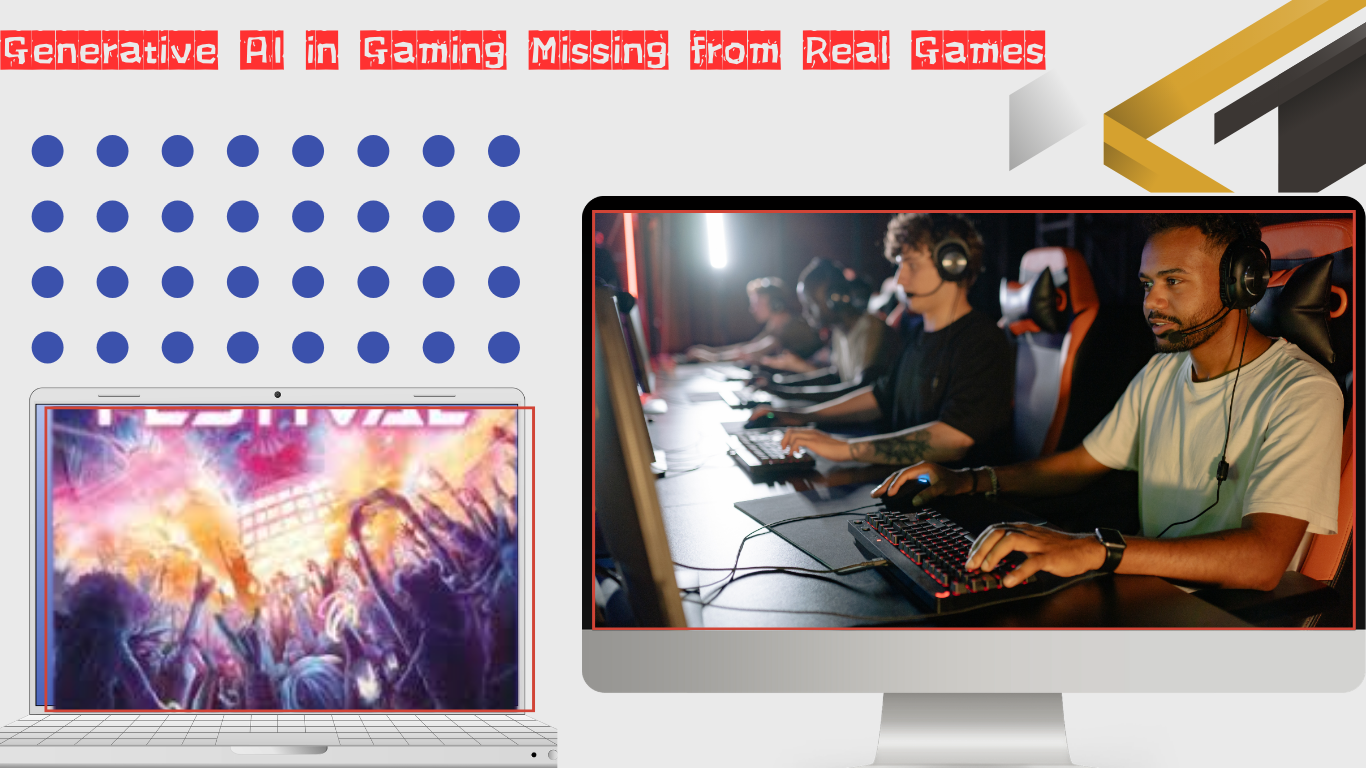
The conversation around generative AI in gaming is growing fast, but the reality inside the industry tells a more complex story. At this year’s GDC Festival of Gaming, artificial intelligence was one of the most talked-about topics. From demos to panel discussions, generative AI in gaming appeared to be shaping the future. Yet, when it came to actual game development, many creators were not ready to embrace it.

On the surface, the technology looked impressive. Companies showcased tools that could build AI-driven NPCs, generate entire game environments, and even assist developers through simple text commands. For example, Tencent demonstrated a pixel-style fantasy world created using AI, giving a glimpse of how quickly environments can now be produced. Similarly, Razer introduced an AI assistant designed to support quality assurance by automatically identifying and logging bugs during gameplay.

There were also deeper technical discussions. Researchers from Google


 DeepMind presented ideas around playable AI-generated spaces, suggesting a future where game worlds could evolve in real time. From a technology perspective, generative AI in gaming seems powerful, efficient, and full of possibilities.

However, the mood among developers told a very different story.

Many game creators, especially those in the indie space, expressed clear hesitation about using AI in game development. For them, the issue is not just about tools or efficiency. It is about creativity and identity. Developers believe that games are not only products but also personal expressions shaped by human imagination.

One developer explained that the human mind brings something unique that machines cannot replace. This view was widely shared. Several creators said they prefer to keep their projects AI-free, even if it means working more slowly. For them, the value of human creativity outweighs the convenience of automation.


Recent data supports this sentiment. A survey conducted around the event revealed that more than half of respondents believe generative AI in gaming is having a negative impact on the industry. This number has increased significantly over the past few years, showing a growing concern rather than acceptance.


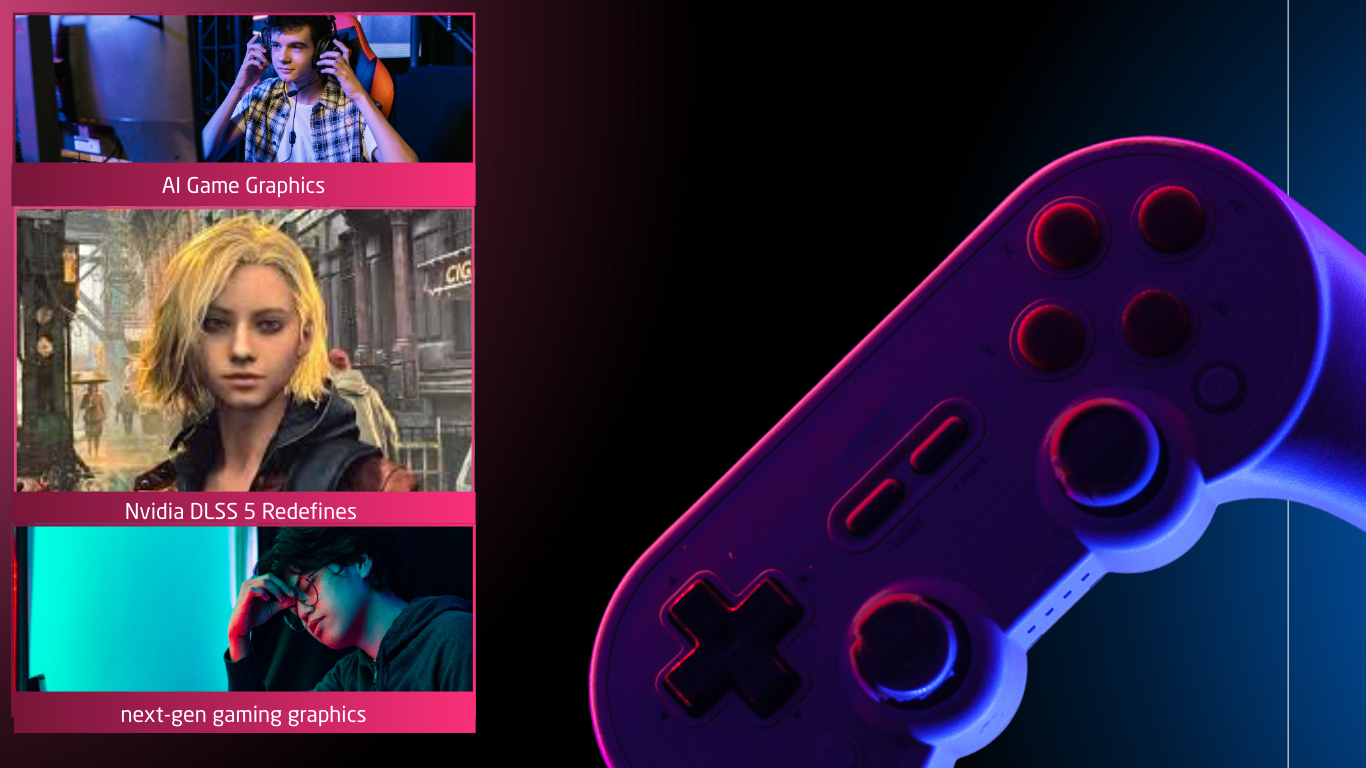
Another factor affecting perception is how AI features are being received by players. The reaction to Nvidia DLSS 5 is a good example. While the technology aims to improve visuals, early demonstrations were criticized for producing unnatural character details. Such feedback makes smaller developers even more cautious about integrating AI into their games.

Despite this resistance, major industry leaders continue to support the role of AI in gaming. Executives from Google Cloud have described generative AI as one of the biggest shifts the gaming industry has ever seen. According to this perspective, AI can help developers handle repetitive tasks like debugging, testing, and early-stage idea generation, allowing them to focus more on creative direction.

There is also a player-focused argument. Supporters believe that AI could make games more personalized, adapting gameplay experiences based on individual preferences. In theory, this could lead to more engaging and dynamic experiences for users.

Still, for many developers, these benefits do not fully address their concerns.

Studios like Finji, known for titles such as Tunic and Chicory: A Colorful Tale, highlight an important point. They believe that games stand out because of the people behind them. Each project carries a unique creative fingerprint that reflects the developers’ thoughts, emotions, and experiences. This is something they feel generative AI in gaming cannot truly replicate.

In our opinion, the industry is currently at a turning point. Generative AI in gaming is clearly not going away. It offers real advantages, especially in improving workflows and reducing development time. However, the strong resistance from developers shows that technology alone cannot define the future of games.

The real challenge lies in balance. If used carefully, AI can support developers without replacing their creativity. But if overused, it risks making games feel less personal and more automated. Players may also begin to notice this difference, which could impact how games are received in the long run.

For now, the gap between innovation and acceptance remains wide. While companies continue to push the boundaries of AI in game development, many creators are choosing to step back and protect the human side of their work.

This contrast is what makes the current moment so important. Generative AI in gaming is not just a technical shift; it is a creative debate about what games should be and who gets to shape them.
 
Categories NEWS Tags AI game development, AI gaming tools, AI in gaming industry, AI in video games, AI-driven NPCs, AI-generated games, future of gaming AI, game developers against AI, GDC Festival of Gaming, generative AI in gaming, Google DeepMind AI, indie game developers, Nvidia DLSS 5, Razer AI assistant, Tencent AI gaming

Nvidia DLSS 5 Redefines AI Game Graphics

March 17, 2026 by Prof. Mian Waqar Ahmad Hashmi
Nvidia DLSS 5 Redefines AI Game Graphics

Nvidia DLSS 5 is changing how game graphics are created, using generative AI to make visuals more realistic while also raising questions about how much it may change the original look and feel of games.

Nvidia DLSS 5 is making headlines after its announcement at the GTC conference, where the company introduced a new step forward in AI-powered graphics. The update is already creating mixed reactions in the gaming world, as it brings both impressive visual improvements and new concerns about creative control.

With Nvidia DLSS 5, the company is moving beyond traditional upscaling. Earlier versions focused on improving performance by using machine learning to sharpen lower-resolution images. Now, Nvidia DLSS 5 takes a different path by using generative AI to actively rebuild parts of a scene. This means lighting, shadows, and materials are no longer just enhanced—they are partially recreated to look more realistic.

Nvidia CEO Jensen Huang described Nvidia DLSS 5 as a major turning point for graphics. According to him, it combines human-made rendering with AI-generated details to deliver a new level of visual realism while still giving artists control over their work. This vision highlights how AI is becoming deeply connected with modern game design.

In supported games, Nvidia DLSS 5 shows clear changes in how environments and characters appear. Demonstrations from titles like Resident Evil Requiem, Starfield, Hogwarts Legacy, and EA Sports FC reveal richer lighting, smoother textures, and more lifelike surfaces. Elements such as skin, hair, and fabric respond to light in a more natural way, making scenes feel closer to real life.

However, not everyone is convinced. 

Some early reactions suggest that Nvidia DLSS 5 may go too far by altering the original artistic style of games. Critics compare these changes to other AI-generated visuals seen in photography and video, where the final result sometimes feels artificial or over-processed.

Nvidia explains that Nvidia DLSS 5 works by training AI models to understand complex scenes in detail. The system studies how light interacts with different materials and how objects behave in various conditions. Using this understanding, it generates new visual details while trying to keep the original structure of the scene intact.

This approach shows how the future of gaming graphics is evolving. Nvidia DLSS 5 is not just about making games run faster or look sharper—it is about redefining how visuals are created in real time. As generative AI continues to grow, tools like Nvidia DLSS 5 could become a standard part of game development.

At the same time, the debate around Nvidia DLSS 5 highlights an important question for the industry. As AI becomes more involved in creative processes, developers and players will need to decide how much change is acceptable and where to draw the line between enhancement and artistic integrity.

Overall, Nvidia DLSS 5 represents both innovation and uncertainty. It offers a glimpse into the future of AI in gaming, where technology can transform visuals in powerful ways, but also challenges the balance between realism and original design.

Categories NEWS Tags AI gaming revolution, future of gaming AI, generative AI visuals, next-gen game graphics, Nvidia DLSS 5

Xbox Copilot AI Assistant Coming to Xbox Consoles

March 14, 2026March 14, 2026 by Prof. Mian Waqar Ahmad Hashmi
Xbox Copilot AI assistant

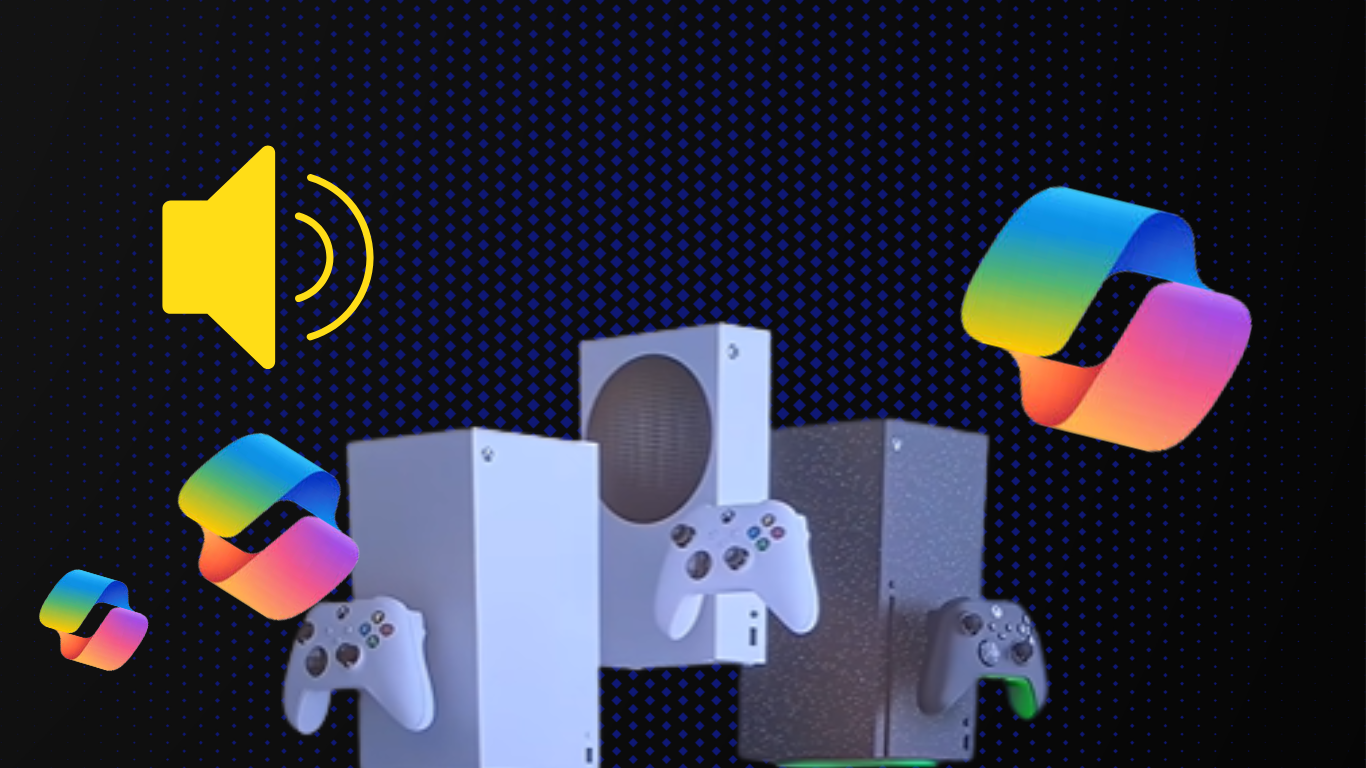
Microsoft is bringing a smarter gaming experience to its console ecosystem with the upcoming Xbox Copilot AI assistant. Designed to act as a helpful in-game companion, the Xbox Copilot AI assistant will guide players with gameplay tips, strategy suggestions, and real-time help while they play, showing how artificial intelligence is beginning to reshape the future of gaming on Xbox consoles.

Microsoft is preparing to bring a new kind of intelligent support to gamers. The company plans to introduce the Xbox Copilot AI assistant to current-generation Xbox consoles, expanding the reach of its growing Copilot ecosystem across gaming platforms.


The Xbox Copilot AI assistant is designed to act as a personal gaming helper. Instead of searching online guides or watching tutorials, players will be able to ask the AI assistant for help directly while playing. The system can offer suggestions, explain game mechanics, and guide players through challenging moments.


Microsoft first introduced Copilot features on the Xbox mobile app earlier this year. That version allowed players to interact with the AI assistant on their phones while gaming. The expansion of the Xbox Copilot AI assistant to consoles is the next step in bringing AI-powered support directly into gameplay.


The announcement was shared during the Game Developers Conference, where Microsoft highlighted how artificial intelligence is becoming a bigger part of the gaming world. According to the company, the Xbox Copilot AI assistant will focus on helping players learn games faster and enjoy them more.


One of the most interesting features of the Xbox Copilot AI assistant is its voice interaction capability. Players will be able to talk to the AI gaming assistant naturally while playing. The system can respond with helpful guidance, strategy ideas, or explanations of complex game elements.


For example, if a player is unsure how to craft an item in Minecraft, the Xbox Copilot AI assistant can quickly provide step-by-step instructions. It may also suggest tools, materials, or strategies needed to complete the task efficiently.


The AI assistant for gaming will also provide general gameplay support. If players feel stuck in a mission or unsure about the best strategy to defeat an enemy, the Xbox Copilot AI assistant can recommend possible approaches based on the current game situation.


Microsoft believes this type of gaming AI assistant could make games more accessible to beginners while also helping experienced players improve their strategies.


The company has been steadily expanding its Copilot technology across multiple platforms. Today, Copilot is already integrated into Windows 11, Microsoft software tools, and the Xbox mobile app. The addition of the Xbox Copilot AI assistant to consoles shows how Microsoft is working to connect AI assistance across its entire ecosystem.


Another device expected to benefit from this expansion is the Xbox Ally handheld system. Microsoft has already confirmed Copilot support for the handheld gaming device, suggesting that the Xbox Copilot AI assistant could eventually become a common feature across Xbox hardware.


While the exact release timeline has not been finalized, Microsoft confirmed that the Xbox Copilot AI assistant is expected to arrive on current-generation Xbox consoles sometime this year.


If the rollout succeeds, the Xbox Copilot AI assistant could represent a major shift in how players interact with games. Instead of relying on external guides, gamers may soon have an intelligent gaming partner built directly into the console.


As artificial intelligence continues to evolve, tools like the Xbox Copilot AI assistant could change how people learn, explore, and enjoy video games in the years ahead.

Categories NEWS Tags AI game assistant, AI gaming technology, future of gaming AI, Game Developers Conference, Gaming Copilot AI, gaming tips AI, GDC gaming news, Microsoft Copilot, Microsoft gaming AI, Minecraft crafting tips, voice AI gaming, Windows 11 Copilot, Xbox AI assistant, Xbox Ally handheld, Xbox consoles, Xbox Copilot AI, Xbox gaming features, Xbox mobile app

RECENT POSTS:

  • Inside OpenAI Leadership Changes and Future Plans
  • KiloClaw Boosts Shadow AI Governance
  • Should You Trust Granola App Privacy Settings?
  • Say goodbye to manual clicks with AI Stream Deck control
  • Financial AI Governance Drives Revenue Growth

CATEGORIES:

  • AI
  • AI IN IT
  • AI LIFESTYLE & INTERACTION
  • AI RESEARCH
  • LEARN TO AI
  • NEWS
  • SOCIAL & DIGITAL AI
  • SOCIAL & DIGITAL AI RESEARCH
  • TECH RESEARCH IN AI
  • Facebook
  • Instagram
  • YouTube
  • LinkedIn

© 2025 WorldStan All rights Reserved.