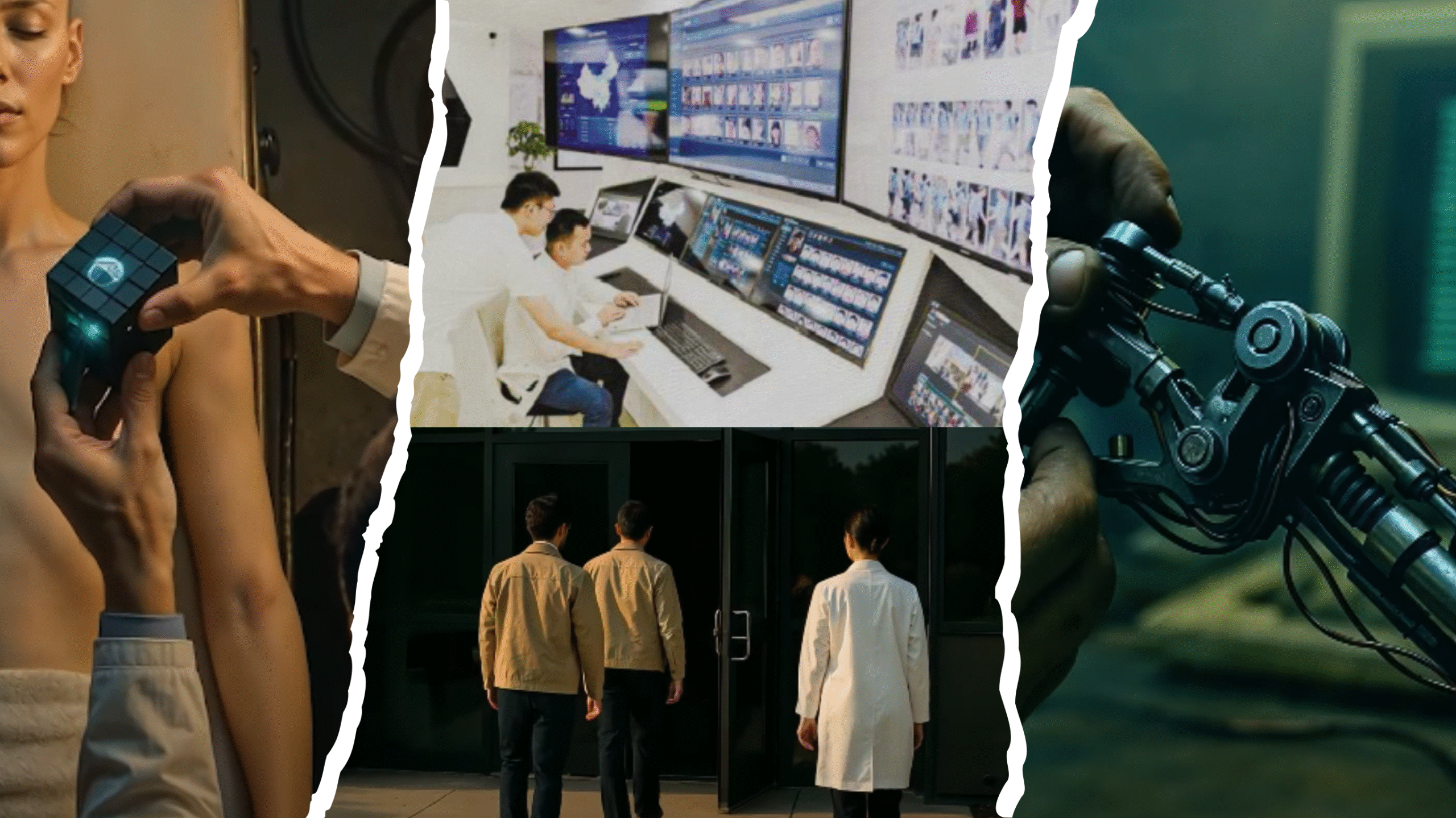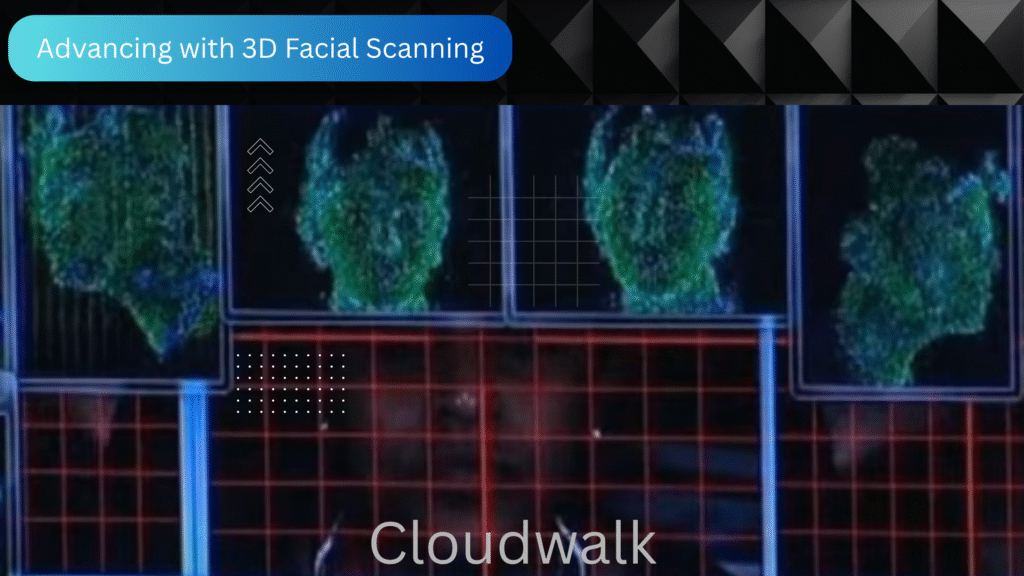

This in-depth report explores how Megvii (Face++) has evolved into a leading force in computer vision and facial recognition, examining its real-world AI deployments across smart cities, public security, healthcare, and enterprise infrastructure, while highlighting the company’s focus on scalable, low-latency, and resilient artificial intelligence systems.
Introduction: Megvii and the Rise of Applied Artificial Intelligence
Megvii, operating globally under the brand Face++, stands among China’s most influential artificial intelligence enterprises. Founded in 2011 and headquartered in Beijing, the company has built its reputation by focusing on practical AI deployment rather than theoretical experimentation. Its work in computer vision, particularly facial recognition technology, has positioned Megvii as a key contributor to China’s rapidly evolving digital infrastructure.
Company Background and Strategic Vision
Since its inception, Megvii has pursued a development strategy centered on solving real-world problems through artificial intelligence. The company’s emphasis on “AI for the real world” reflects a commitment to creating systems that perform reliably in diverse and often challenging environments. This vision has guided Megvii’s expansion into sectors such as public security, transportation, healthcare, agriculture, and smart city planning.
Core Expertise in Computer Vision and Facial Recognition
At the heart of Megvii’s technology portfolio lies its advanced computer vision capability. Facial recognition remains one of the company’s most widely adopted solutions, enabling secure identity verification across both public and private sectors. These systems combine facial comparison algorithms with live detection mechanisms to ensure high levels of accuracy and fraud prevention.
FaceID Authentication and Identity Verification Systems
Megvii’s FaceID authentication solutions are designed to meet financial-grade security standards. They support multiple platforms, including mobile applications, web-based interfaces, and embedded systems. The technology is widely used in scenarios such as fintech onboarding, online examinations, livestream verification, and civil service authentication, where reliable digital identity confirmation is essential.
Smart City AI and Urban Infrastructure Deployment
Smart city development represents one of Megvii’s most significant areas of influence. The company’s AI infrastructure has been deployed in more than 80 Chinese cities, supporting applications such as access control, traffic monitoring, and public safety management. By analyzing real-time video data, these systems enable city administrators to improve operational efficiency and respond quickly to emerging situations.
Public Security and Governance Applications
Megvii’s AI-powered solutions play a key role in modern public security systems. Facial recognition and video analytics assist authorities in monitoring public spaces, managing large-scale events, and enhancing situational awareness. These technologies contribute to daily governance by enabling data-driven decision-making and more effective resource allocation.
Transportation and Traffic Intelligence Solutions
In transportation networks, Megvii’s computer vision systems support traffic flow analysis, congestion detection, and violation monitoring. By processing visual data in real time, these solutions help optimize urban mobility and reduce bottlenecks in densely populated areas. The integration of AI into transportation infrastructure demonstrates Megvii’s broader commitment to intelligent urban planning.
Healthcare Applications of Computer Vision AI
Healthcare institutions increasingly rely on AI systems that can operate with speed and precision. Megvii’s technologies support patient identification, medical image analysis, and operational efficiency in hospitals. Optimized for low-latency performance, these AI models are particularly valuable in clinical environments where immediate results are critical.
AI Solutions for Agriculture and Rural Development
Beyond urban environments, Megvii’s AI capabilities extend to agriculture and rural development. Computer vision models can be adapted for crop monitoring, disease detection, and productivity analysis. These solutions highlight the flexibility of Megvii’s technology, especially in regions with limited connectivity and computing resources.
Developer Platforms and Open-Source AI Frameworks
Megvii has invested significantly in empowering developers through open-source platforms such as MegEngine and MegStudio. These frameworks provide pre-trained models, modular tools, and deployment pipelines that simplify the process of building and scaling AI applications. By lowering technical barriers, Megvii accelerates AI adoption across industries.
Production-Ready AI Infrastructure for Enterprises
One of Megvii’s distinguishing features is its focus on production-ready AI systems. Rather than offering experimental prototypes, the company delivers infrastructure designed for real-world operation. Enterprises and government institutions can integrate these solutions into existing systems with minimal disruption, enabling faster returns on AI investment.
Edge AI and Low-Latency Deployment Capabilities
Megvii’s technologies are optimized for edge computing environments where cloud connectivity may be unreliable or unavailable. By enabling offline operation and low-latency processing, the company ensures consistent performance in mobile, remote, and high-risk settings. This capability is particularly valuable in emergency response, transportation hubs, and rural deployments.
Resilience in Harsh and Resource-Constrained Environments
Real-world conditions often present challenges such as poor lighting, weather variability, and limited hardware resources. Megvii’s AI models are engineered for robustness, maintaining accuracy and stability under these constraints. This resilience makes the company’s solutions suitable for high-stakes environments where system failure is not an option.
Role in China’s Artificial Intelligence Ecosystem
Megvii’s growth reflects broader trends within China’s AI ecosystem, where government-led digital initiatives and smart city programs drive large-scale adoption. As a trusted technology partner, Megvii contributes to national efforts aimed at modernizing infrastructure through intelligent systems.
Commercial and Enterprise Market Expansion
In addition to public sector projects, Megvii serves a growing number of commercial clients. Financial institutions, enterprises, and service providers rely on its AI solutions for identity verification, access management, and operational intelligence. This diversification strengthens the company’s market position and long-term sustainability.
Ethical and Regulatory Considerations
The widespread deployment of facial recognition and surveillance technologies has prompted global discussions on privacy and data governance. While Megvii focuses on technical performance and reliability, the regulatory environment and public expectations will continue to influence how such technologies are adopted and managed.
Future Outlook for Real-World AI Deployment
As artificial intelligence becomes more deeply integrated into daily life, demand will increase for systems that can operate reliably outside controlled environments. Megvii’s experience in large-scale deployment positions it well to address future challenges in urban management, digital identity, and intelligent infrastructure.
Conclusion:
Megvii’s journey illustrates how artificial intelligence moves from concept to critical infrastructure when it is engineered for real-world conditions. By concentrating on computer vision systems that deliver reliability, speed, and adaptability, the company has embedded its technology into the everyday functioning of cities, institutions, and industries. Its work in facial recognition and smart city development reflects a broader shift in AI adoption, where practical deployment and operational resilience matter as much as algorithmic sophistication. As demand grows for intelligent systems that can function at scale and under constraints, Megvii’s applied approach positions it as a lasting contributor to the evolution of AI-driven governance, security, and digital services.
FAQs:
What is Megvii best known for in the artificial intelligence industry?
Megvii is primarily known for its expertise in computer vision and facial recognition technology, particularly through its Face++ platform, which supports identity verification, smart city systems, and large-scale AI infrastructure.How does Megvii’s facial recognition technology differ from standard AI solutions?
Megvii’s systems are designed for real-world deployment, emphasizing low-latency performance, live detection, and resilience in environments with limited connectivity or computing resources.In which sectors are Megvii’s AI solutions most widely used?
Megvii’s AI technologies are commonly used in public security, smart city management, transportation, healthcare, agriculture, and enterprise identity verification.What role does Megvii play in smart city development?
Megvii provides AI-powered video analytics, access control, and traffic intelligence systems that help cities improve governance, public safety, and urban planning through data-driven insights.Does Megvii offer tools for developers and enterprises?
Yes, Megvii supports developers through open-source platforms such as MegEngine and MegStudio, which offer pre-trained models and deployment tools for building production-ready AI applications.How does Megvii ensure AI performance in challenging environments?
The company optimizes its models for edge computing and offline operation, allowing consistent performance in harsh, mobile, or resource-constrained settings.What is Megvii’s long-term focus in artificial intelligence?
Megvii’s long-term strategy centers on applied AI infrastructure, aiming to integrate computer vision and intelligent systems into everyday operations rather than focusing solely on experimental innovation.