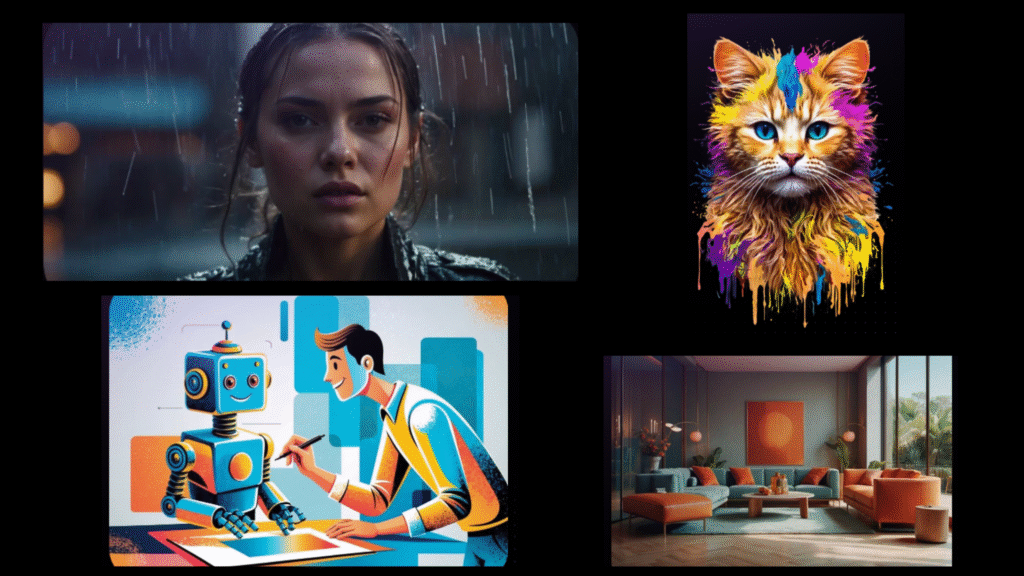
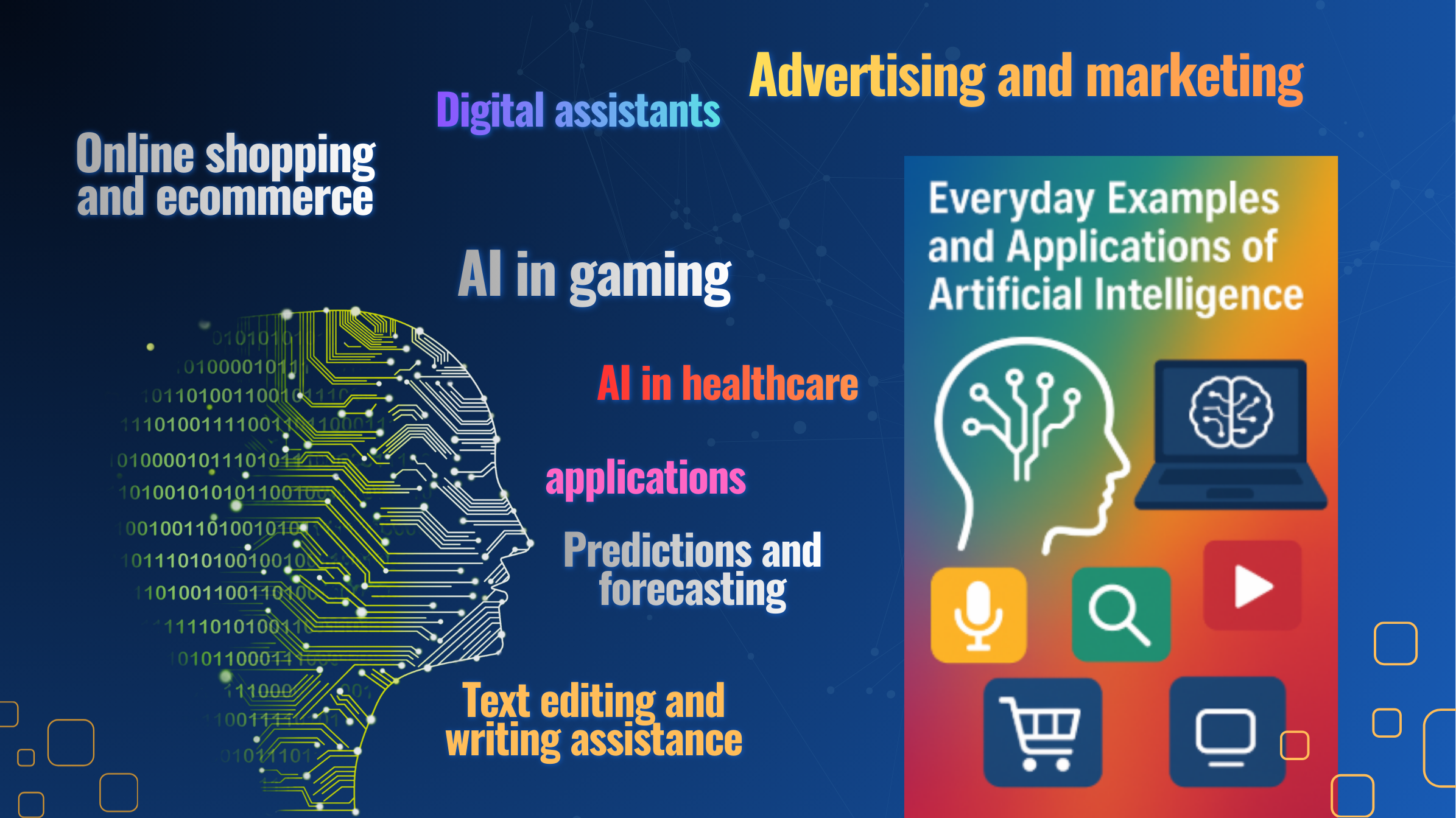
Exploring AI Applications in Daily Life

AI online shopping and ecommerce worldstan.com

Artificial intelligence has quietly integrated into our daily routines, and this overview explores how AI is shaping everyday life through practical applications across technology, business, healthcare, and beyond.

Everyday Examples and Applications of Artificial Intelligence in Daily Life

Artificial intelligence has moved beyond being a futuristic concept and now actively shapes how businesses, consumers, and industries operate. While many people may not realize it, AI is embedded in countless digital tools, online services, and automated systems we interact with every day. From digital assistants and online shopping to healthcare and fraud detection, AI-powered devices and algorithms continue to enhance convenience, efficiency, and decision-making.

Understanding artificial intelligence

Artificial intelligence is a branch of computer science that focuses on designing systems capable of performing tasks that typically require human intelligence. These tasks include learning, reasoning, problem-solving, understanding language, and recognizing patterns. AI-powered systems can analyze large amounts of data, adapt through machine learning, and deliver automated results, often faster and more accurately than humans.

Everyday uses and applications of artificial intelligence

AI is no longer restricted to high-tech labs or advanced robots; it is now integrated into common tools used in homes, workplaces, transportation, and entertainment. Below are some real-world examples of how AI functions in everyday life.

Digital assistants

Digital assistants such as Siri, Alexa, Google Assistant, Cortana, and Bixby are among the most widely used AI tools. They help users set reminders, answer queries, control smart home devices, play music, and even assist in online shopping. These assistants recognize voice commands, analyze requests, and respond accordingly using AI-driven natural language processing.

Search engines

Search engines rely heavily on AI algorithms to deliver accurate and relevant results. They analyze user behavior, search history, and trending queries to predict what information users are looking for. Features like autocomplete suggestions, voice search, and People Also Ask sections are powered by machine learning and predictive AI.

Social media

AI shapes the way social media platforms such as Facebook, Instagram, YouTube, and TikTok function. AI algorithms monitor user interactions, search behavior, and engagement patterns to personalize news feeds, recommend content, and improve user experience. Social media platforms also use AI for content moderation, data analytics, targeted advertising, and user safety.

Online shopping and ecommerce

Online shopping platforms use AI to enhance the customer experience and improve business efficiency. AI-driven recommendation engines analyze buying behavior, preferences, and browsing history to suggest relevant products. AI is also used for pricing optimization, demand forecasting, chatbots for instant support, predictive shipping, and managing real-time inventory.

Robotics

AI-powered robots are widely used in industries such as manufacturing, aerospace, hospitality, and healthcare. In aerospace, robots like NASA’s Perseverance rover explore planetary surfaces, collect samples, and transmit data. In factories, industrial robots take charge of welding, assembling, transporting materials, and other repetitive tasks. In hospitality, robots help with guest check-ins, delivery services, and automated food preparation.

Transportation and navigation

AI is transforming transportation through autonomous vehicles, smart traffic management, and advanced navigation systems. Apps like Google Maps, Apple Maps, and Waze use AI to analyze real-time location data, predict traffic conditions, and provide accurate routes and estimated arrival times. Airlines also use AI-driven autopilot systems to analyze flight data and adjust routes for safety and efficiency.

Text editing and writing assistance

AI plays a key role in text editing and writing tools such as Grammarly and Hemingway App. These tools offer grammar correction, readability analysis, plagiarism detection, and style improvement. AI-based autocorrect and predictive text features on smartphones learn from user behavior to make writing faster and more accurate.

Fraud detection and prevention

Banks and financial institutions use AI to detect and prevent fraudulent activities. AI systems analyze thousands of transactions in real time, identify unusual behavior, and automatically flag or block suspicious activity. This helps protect consumers and businesses by reducing risks and enhancing security.

Predictions and forecasting

AI is heavily used in predictive analytics to help organizations make data-driven decisions. It forecasts market trends, equipment maintenance schedules, customer preferences, and business demand. Predictive maintenance helps avoid costly breakdowns by analyzing wear and tear on machinery, while predictive modeling estimates future outcomes based on historical patterns.

AI in gaming

The gaming industry has used AI for decades to improve gameplay and generate dynamic environments. AI allows non-player characters to react intelligently, adapt to user strategies, and provide more realistic experiences. Games like Minecraft, F.E.A.R, and The Last of Us use AI to personalize challenges and enhance interactivity.

AI in healthcare

Artificial intelligence is revolutionizing healthcare through early diagnosis, disease prediction, drug discovery, and robotic surgery. AI systems can analyze medical data to identify potential diseases before symptoms appear, recommend treatments, and help doctors improve patient care. Predictive analytics also track contagious disease patterns to support public health management.

Advertising and marketing

AI is reshaping advertising by improving ad targeting, budget optimization, and personalized campaigns. Tools powered by AI can write ad copy, design visuals, and recommend marketing strategies based on customer behavior and demographics. AI ensures ads are shown to the right audience at the right time for better engagement and conversion.

Analytics and business intelligence

AI-driven analytics enables companies to generate accurate forecasts, analyze large datasets, and monitor real-time business performance. Predictive analytics, business monitoring, and smart reporting help organizations plan better, reduce costs, and improve customer satisfaction.

Business and AI

As AI technology continues to evolve, businesses across industries are increasingly adopting AI-driven solutions to stay competitive. From optimizing operations to improving customer experience, AI provides a strategic advantage in decision-making and innovation.

Artificial intelligence is no longer a concept of the future. It has already embedded itself in everyday life, transforming how we work, communicate, travel, and shop. As technology continues to advance, the role of AI in our daily lives will only expand, offering smarter, faster, and more efficient solutions to everyday challenges.

Conclusion:

Artificial intelligence has rapidly progressed from a specialized technological concept to a fundamental part of modern life. Whether enhancing personal convenience through digital assistants, supporting business strategies with predictive analytics, or improving patient outcomes in healthcare, AI continues to drive innovation across industries. Its presence may often go unnoticed, yet its impact is substantial—optimizing tasks, strengthening decision-making, and expanding the boundaries of what is possible. As AI technology evolves, it will play an even more influential role in shaping how we live, work, and interact with the world. Embracing AI responsibly and strategically will be key to unlocking its full potential and ensuring long-term benefits for individuals, businesses, and society as a whole.


FAQs:

1. What are some common examples of AI we use without realizing it?

Many people unknowingly use AI every day through digital assistants, navigation apps, online shopping recommendations, autocorrect tools, and social media feeds tailored to their interests.


2. How does AI improve user experience in online shopping?

AI analyzes browsing history, past purchases, and user preferences to show personalized product suggestions, optimize prices, automate customer support, and predict delivery times.


3. Can AI help businesses make better decisions?

Yes. AI uses predictive analytics and data modeling to forecast trends, track performance, and support informed decision-making, making business strategies more efficient and data-driven.


4. Is AI safe to use in healthcare?

AI is widely used to assist doctors in diagnosing diseases early, predicting health risks, and analyzing medical data. When used responsibly and under professional supervision, it enhances accuracy and patient care.


5. How does AI contribute to fraud prevention?

AI systems monitor thousands of transactions in real time, identify unusual patterns, and flag or block suspicious activity automatically to protect users from potential fraud.


6. Can AI be used in education and learning?

Absolutely. AI-powered platforms offer personalized learning paths, automated grading, interactive chatbots, and real-time feedback to help students learn more effectively.


7. Is AI replacing human jobs?

AI can automate repetitive tasks but also creates new opportunities by assisting professionals, increasing efficiency, and enabling people to focus on more complex, strategic responsibilities.
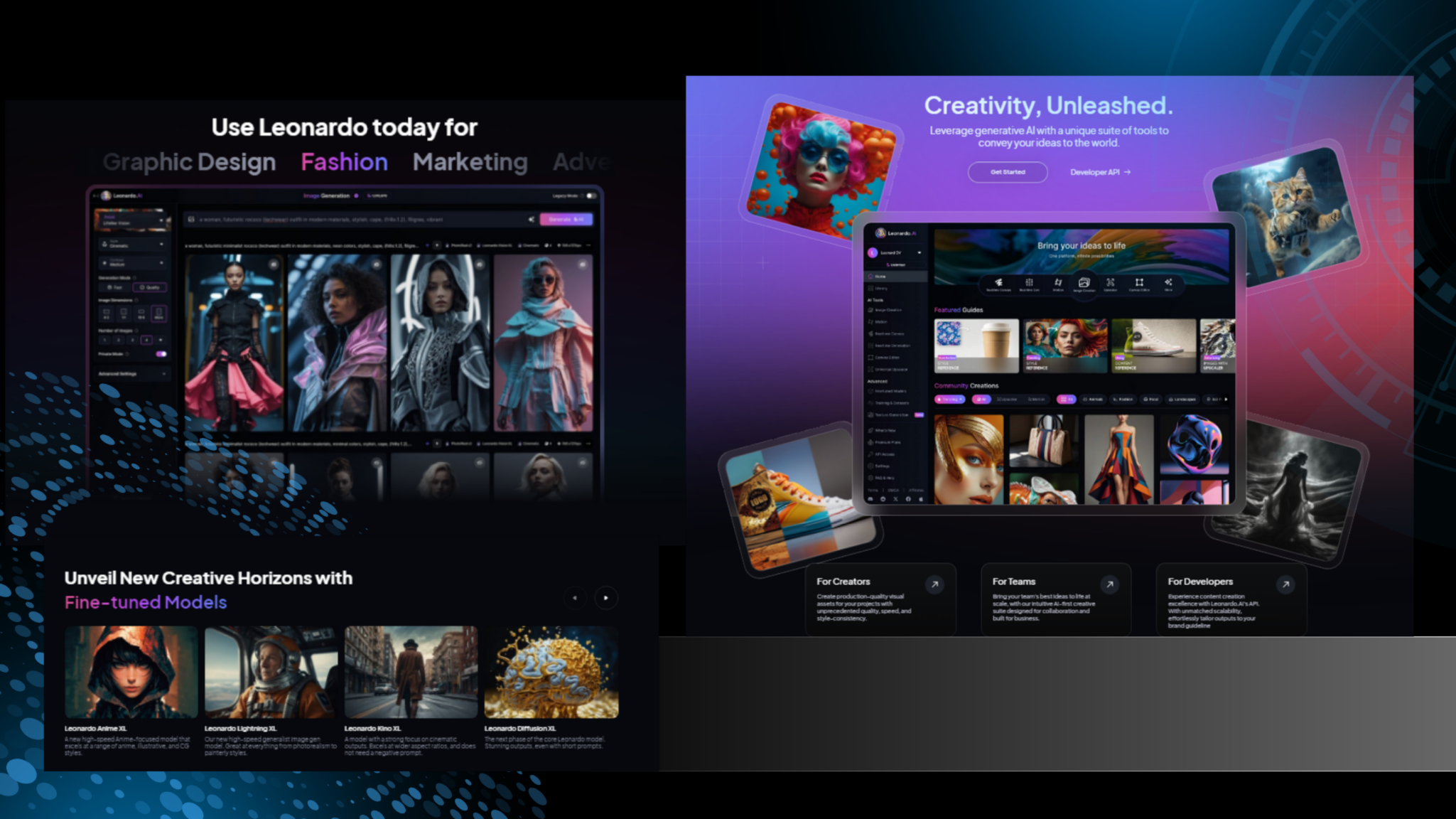
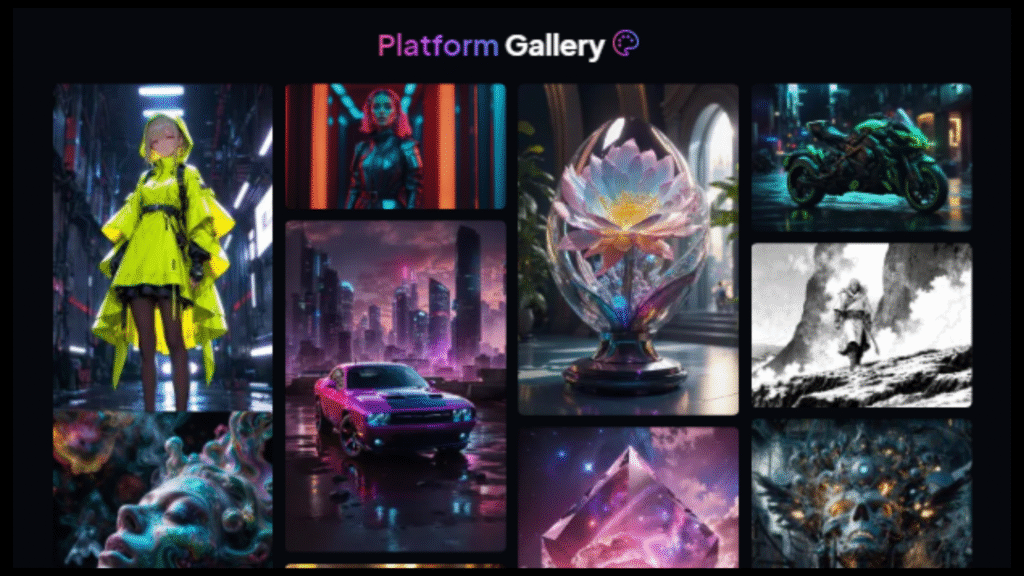
How Leonardo.Ai Empowers Creators with Smart AI Design and Marketing Solutions

Leonardo.Ai worldstan.com

Discover how Leonardo.Ai is revolutionizing the world of marketing and design by blending human creativity with generative AI—empowering creators, brands, and businesses to produce professional, personalized, and high-impact visuals faster than ever before.

Introduction To Leonardo.Ai:

In today’s dynamic digital landscape, creativity and speed define success. Marketers, designers, and creators must constantly deliver fresh, high-quality visuals and campaigns that resonate with their audiences. Leonardo.Ai emerges as a next-generation AI creative platform that bridges imagination and innovation. Through intelligent automation and generative AI, it enables users to produce professional-grade visuals, ads, and branded assets in record time—transforming how teams ideate, design, and execute their marketing strategies.

Accelerating the Creative Process

Leonardo.Ai is built to simplify and enhance the marketing workflow. Whether it’s crafting landing page visuals, developing ad creatives, or generating social media content, the platform empowers teams to move from concept to production seamlessly. Its advanced AI marketing tools allow creators to generate design assets within minutes, ensuring faster project turnaround and consistent brand quality.

With features like image generation, editing, and upscaling, Leonardo.Ai helps marketing teams maximize their creative potential without inflating budgets. It combines automation with precision, ensuring every campaign delivers impact while saving time and resources.

Elevating Marketing and Advertising Performance

In a world where personalization drives engagement, Leonardo.Ai redefines advertising. Users can design customized banners, graphics, and videos that align perfectly with brand identity and audience expectations. The platform’s automated A/B testing capability allows marketers to generate and compare multiple ad versions instantly, helping them identify high-performing creatives and optimize campaigns in real time.

By merging artificial intelligence with human creativity, Leonardo.Ai ensures that every visual connects emotionally and strategically with its audience—enhancing ROI and maintaining authenticity across all marketing channels.

Personalization at Scale

Generic stock imagery no longer meets the expectations of modern audiences. Leonardo.Ai empowers creators to generate custom visuals on demand, enabling businesses to maintain unique, brand-aligned content at scale. With its powerful AI-driven design system, marketers can create distinctive visuals that capture their brand’s tone, values, and storytelling style.

This combination of personalization and scalability allows businesses to communicate more effectively while maintaining creative integrity across campaigns.

From Concept to Production

Leonardo.Ai helps bridge the gap between brainstorming and execution. The platform allows creators to visualize ideas, experiment with multiple directions, and finalize production assets effortlessly. Its intuitive interface requires no coding knowledge—making it accessible to marketers, designers, and creative directors alike.

The platform’s tools enhance concept visualization and streamline the production process, empowering teams to deliver polished content on time and within budget.

Continuous Learning Through Leonardo Learn

Leonardo Learn serves as an educational hub for users of all experience levels. It offers tutorials, webinars, and expert sessions designed to help individuals and teams deepen their understanding of AI-powered creativity. From newcomers exploring generative design to professionals refining their workflows, this learning platform supports users in mastering the full potential of Leonardo.Ai.

Leonardo.Ai image worldstan.com

What Makes Leonardo.Ai Unique

Leonardo.Ai distinguishes itself through the perfect blend of technology and creative freedom. Rather than automating artistry, it enhances it. The system’s backend supports model fine-tuning, fast training speeds, and advanced image processing, ensuring optimal results across all creative applications. Features such as multi-image prompting, superior upscaling, and refined rendering help minimize common issues like image degradation, ensuring consistently high-quality outputs.

Regular updates and performance improvements ensure that creators always have access to cutting-edge innovation and tools that evolve alongside industry trends.

Flexible Access for All

Leonardo.Ai offers both free and premium plans to accommodate diverse user needs. The free plan includes daily creative tokens for experimentation, while paid subscriptions provide faster generation speeds, higher limits, and access to exclusive professional tools. This flexibility allows individuals, studios, and enterprises to scale their creative capacity according to their project demands.

AI Creativity Without Coding

Designed with accessibility in mind, Leonardo.Ai eliminates the need for technical expertise. Its intuitive interface allows anyone—from solo creators to marketing teams—to generate AI-powered assets effortlessly. Step-by-step tutorials, community engagement, and active user support create an inclusive environment where innovation thrives.

Enterprise Integration and Business Use

For agencies and businesses, Leonardo.Ai offers scalable AI integration to streamline creative operations. It ensures consistent branding, reduces production costs, and accelerates delivery timelines. Whether for B2B marketing visuals, digital advertising, or enterprise-level asset generation, Leonardo.Ai guarantees professional, reliable, and high-quality results that align with brand standards.

Community and Collaboration

Leonardo.Ai’s vibrant community is an integral part of its success. On platforms like Discord and Facebook, creators share experiences, participate in design challenges, and collaborate on innovative projects. Regular workshops and contests keep the community engaged and inspired, fostering growth and creativity across the ecosystem.

Real-World Impact

Creative professionals worldwide are already redefining their workflows with Leonardo.Ai. Australian filmmaker and creative director Lester Francois, known for his cinematic campaigns for major brands, transitioned to AI-driven production during the pandemic. Using Leonardo.Ai, he now develops complete campaign concepts—from moodboards to motion prototypes—without the high costs of traditional production. His work demonstrates how AI can deliver cinematic quality and emotional depth efficiently and affordably.

Similarly, 3D artist Maurizio Gastoni leverages Leonardo.Ai for hybrid workflows that blend traditional techniques with AI-generated creativity. His three-stage process—ideation, execution, and refinement—illustrates how AI tools enhance rather than replace human artistry. By automating technical tasks, Leonardo.Ai allows artists to focus on vision, storytelling, and emotional expression.

Redefining the Future of Creative Production

Leonardo.Ai is more than just a design tool—it’s a complete creative ecosystem that empowers individuals and brands to innovate. By integrating generative AI with human insight, it unlocks new possibilities in marketing, architecture, product design, and digital media.

The future of creativity belongs to those who combine imagination with technology. With Leonardo.Ai, marketers and creators are not just adapting to change—they are leading it.

Leonardo.Ai design worldstan.com

AI Design Solutions for Every Need

AI Graphic Design Generator: Create brand-ready visuals and designs for campaigns and digital media.

AI Photography Tools: Generate realistic photos and upscale images with ease.

AI Interior Design: Visualize interior concepts and refine designs virtually.

Print-on-Demand Tools: Convert digital art into print-ready formats for business growth.

AI Architecture Tools: Produce dynamic visualizations and mockups for architectural projects.

Leonardo.Ai transforms creative ambition into achievable results—bridging human imagination with the limitless potential of artificial intelligence.

Conclusion:

Leonardo.Ai stands as a symbol of how technology and imagination can work hand in hand to redefine creativity. It empowers marketers, designers, and businesses to achieve more with less—bridging the gap between ideas and execution through intelligent automation. By offering precision, flexibility, and artistic control, it transforms the way visual content is conceived, produced, and delivered. As creative industries continue to evolve, Leonardo.Ai leads the movement toward a future where human inspiration and artificial intelligence together shape more meaningful, efficient, and limitless possibilities.

Discover the Best AI Apps : From ChatGPT and Claude to Gemini and Grok

Discover the best AI Apps worldstan.com

 Explore how artificial intelligence is reshaping the mobile landscape through powerful apps that simplify daily life, enhance creativity, and redefine productivity across every category — from chatbots and image generators to education, health, and finance tools.

Top AI Apps Transforming the Mobile Experience

The global mobile app industry has evolved into a multi-billion-dollar ecosystem driven by artificial intelligence. As users increasingly seek faster, smarter, and more personalized experiences, developers are integrating AI into every corner of the app landscape. From chatbots that write code to tools that design images, AI is redefining convenience, creativity, and productivity across mobile devices.

Discover the best Mobile AI Apps worldstan.com

The Rise of AI-Powered Mobile Applications

Artificial intelligence has become a defining element of mobile innovation. Today, almost every user need—whether photo editing, language learning, financial planning, or mental wellness—has an AI solution. These applications are powered by machine learning, natural language processing, and generative technologies that continuously adapt to user behavior.

Leading Categories of AI Apps

AI Chatbots and Assistants

ChatGPT — Developed by OpenAI, ChatGPT remains one of the most advanced conversational AI models, capable of generating content, solving problems, and assisting users with research or communication tasks.

Copilot — Microsoft’s Copilot, integrated into its Edge browser and mobile platforms, handles a wide range of activities from creating travel itineraries to generating code or exercise plans.

Gemini — Google’s Gemini offers seamless integration with Android and Google services, enabling real-time information search, brainstorming, and writing support in multiple languages.

DeepSeek — A Chinese open-source chatbot known for its reasoning capabilities and cost efficiency, DeepSeek has rapidly gained popularity for providing reliable, affordable AI interactions.

Claude — Created by Anthropic, Claude supports in-depth discussions, coding, and image analysis while maintaining strong safety and data compliance standards.

Grok — Built by Elon Musk’s xAI, Grok uses real-time data to deliver unfiltered, information-rich answers through X and web applications.

Doubao — Developed by ByteDance, Doubao has become one of China’s most widely used AI chatbots, offering content generation, research tools, and coding assistance.

Discover the best AI Apps Education image worldstan.com

AI Search and Browsing Tools

Perplexity AI provides verified, well-sourced answers and has introduced a specialized browser called Comet for automated search and task execution.

Google Search Generative Experience enhances conventional search by blending AI-generated summaries with traditional results.

Bing with Copilot Search allows users to query images, receive summaries, and generate visuals directly within the search experience.

You.com leverages its proprietary large language model to deliver multiple result formats, including text, visuals, and video summaries.

Fellou introduces agentic browsing, running multiple tabs and summarizing or generating content across tasks simultaneously.

AI Image and Creative Tools

Dall-E 3 by OpenAI transforms text prompts into detailed visuals, now fully integrated into ChatGPT.

Adobe Firefly empowers creators with image generation and editing tools inside Photoshop and Premiere Pro.

FaceApp and Facetune remain favorites for AI-based selfie and video enhancements, while Lensa and StarryAI expand possibilities in digital art, avatars, and NFT creation.

AI in Education

Khanmigo from Khan Academy acts as an AI tutor and teaching assistant, supporting students and educators through interactive learning.

Duolingo customizes language lessons through adaptive AI and gamified experiences.

ELSA Speak offers pronunciation correction and personalized English learning paths using voice recognition.

Socratic by Google helps students with homework through image recognition and visual explanations.

Health and Wellness AI Apps

Calm uses machine learning to recommend personalized meditation and relaxation content.

FitnessAI designs tailored workout routines using data-driven optimization.

Woebot Health and Youper deliver emotional support through AI-guided conversations based on psychological research.

AI Finance and Productivity

Ally Financial applies AI for customer service and fraud prevention.

Cleo connects with user accounts to provide budgeting advice and spending insights in a conversational tone.

Fyle simplifies corporate expense reporting through automated data extraction and integration with financial platforms.

AI Audio and Transcription Tools

Google Recorder provides instant transcription for Pixel users.

Otter.ai and Trint offer detailed meeting transcriptions with speaker recognition and summaries.

Read AI enhances meeting productivity by automatically identifying topics, questions, and engagement peaks.

AI Navigation and Daily Use

Google Maps and Waze both apply machine learning to analyze real-time traffic and predict the fastest routes.

Grammarly, Jasper, Writer, and Quarkle lead the writing assistant category, helping individuals and organizations craft clear, polished, and brand-consistent content.

The Broader Impact of AI Apps

The integration of artificial intelligence into mobile applications has made technology more human-centered than ever. Whether enhancing creativity, improving communication, or simplifying everyday routines, AI apps continue to push the boundaries of digital convenience. As 2025 unfolds, the competition among AI-driven mobile platforms is set to intensify, giving users access to tools that are smarter, faster, and more personalized than ever before.