
The Biggest Challenges of Artificial Intelligence Today

the biggest challenges of artificial intelligence today https://worldstan.com/the-biggest-challenges-of-artificial-intelligence-today/

Artificial intelligence is rapidly transforming industries and public systems, but its widespread adoption also brings critical challenges related to data privacy, bias, transparency, ethics, and workforce disruption that demand responsible governance and informed decision-making.

Challenges of Artificial Intelligence: Navigating Risk, Responsibility, and Real-World Impact

Artificial intelligence has moved beyond experimentation and into the core of modern economies. Governments rely on it to optimize public services, enterprises deploy it to gain competitive advantage, and individuals interact with it daily through digital platforms. Despite these advances, the challenges of artificial intelligence have become increasingly difficult to ignore. As AI systems grow in scale and autonomy, they introduce complex risks related to privacy, fairness, transparency, employment, and ethics.

Understanding artificial intelligence challenges is no longer optional. It is a prerequisite for responsible innovation. This report examines the most critical obstacles shaping AI adoption today, drawing attention to the structural and ethical tensions that accompany rapid technological progress.

The Expanding Role of Artificial Intelligence in Society

Artificial intelligence now influences decision-making across healthcare, finance, law enforcement, education, and national security. Algorithms assess medical images, determine credit eligibility, flag suspicious activity, and automate recruitment processes. While these applications promise efficiency and accuracy, they also magnify errors and biases at unprecedented scale.

The growing reliance on AI systems has shifted the conversation from what AI can do to how it should be used. This shift has placed the challenges of AI at the center of public debate, particularly as automated decisions increasingly affect human lives.

Data Dependency and the Challenge of Privacy Protection

Why AI Systems Depend on Massive Data Collection

At the foundation of every AI system lies data. Machine learning models require large, diverse datasets to identify patterns and make predictions. This reliance has made AI data privacy one of the most critical concerns in modern technology governance.

Data is often collected from users who have limited visibility into how their information is processed or shared. In many cases, consent mechanisms are vague, and data is repurposed beyond its original intent. These practices raise serious questions about ownership, accountability, and user rights.

Data Privacy and Security Risks in AI Environments

Data privacy and security challenges intensify as AI systems scale. Centralized data repositories create attractive targets for cyberattacks, while distributed AI models introduce new vulnerabilities. AI security concerns include unauthorized access, data poisoning, model theft, and inference attacks that can expose sensitive information even without direct breaches.

The consequences of compromised AI systems extend beyond financial loss. In healthcare or law enforcement, data misuse can lead to physical harm, reputational damage, and erosion of public trust. These risks highlight the need for stronger data governance frameworks tailored specifically to AI-driven environments.

Bias and Fairness in AI Decision-Making

How Bias in AI Systems Emerges

Bias in AI often originates from the data used during training. Historical datasets reflect existing social inequalities, and when these patterns are learned by algorithms, they can produce discriminatory outcomes. AI bias and fairness have become central issues as automated systems increasingly influence access to jobs, housing, credit, and public services.

Bias can also emerge from model design choices, feature selection, and deployment contexts. Even well-intentioned systems may generate unfair outcomes if they fail to account for social complexity.

The Societal Impact of Unfair AI Outcomes

Fairness in artificial intelligence is not merely a technical benchmark; it is a social responsibility. Biased AI systems can reinforce stereotypes, marginalize vulnerable groups, and limit economic mobility. In recruitment platforms, biased screening tools may exclude qualified candidates. In financial services, biased credit models may restrict access to capital.

Addressing bias and fairness in AI requires continuous auditing, diverse development teams, and clear accountability mechanisms. Without these safeguards, AI risks institutionalizing discrimination under the guise of objectivity.

Transparency and the Problem of Black Box AI

Understanding the Lack of Transparency in AI Systems

Many advanced AI models function as complex networks with decision processes that are difficult to interpret. This lack of transparency in AI has led to the widespread characterization of such systems as AI black box models.

When users and regulators cannot understand how decisions are made, trust diminishes. This is especially problematic in high-stakes contexts where explanations are essential for accountability.

The Role of Explainable AI in Building Trust

Explainable AI seeks to make algorithmic decisions understandable to humans without compromising performance. Transparency in AI systems enables stakeholders to evaluate fairness, detect errors, and ensure compliance with legal standards.

However, achieving explainability is challenging. There is often a trade-off between model accuracy and interpretability. Despite these limitations, explainable AI remains a critical requirement for responsible deployment, particularly in regulated industries.

AI in Healthcare: Innovation Under Ethical Pressure

Opportunities Created by AI in Healthcare

AI in healthcare has unlocked new possibilities for early diagnosis, personalized treatment, and operational efficiency. Predictive analytics can identify disease risks, while AI-powered imaging tools assist clinicians in detecting abnormalities.

These innovations have the potential to improve outcomes and reduce costs, but they also introduce new challenges that demand careful oversight.

Risks Related to Privacy, Bias, and Accountability

Healthcare data is among the most sensitive forms of personal information. AI data privacy failures in this domain can have severe consequences. Additionally, biased training data can result in inaccurate diagnoses for certain populations, exacerbating health disparities.

Accountability remains another unresolved issue. When AI systems influence clinical decisions, determining responsibility for errors becomes complex. These challenges illustrate why ethical AI development is essential in healthcare settings.

AI in Law Enforcement and Public Surveillance

The Rise of Algorithmic Policing

AI in law enforcement is increasingly used for predictive policing, facial recognition, and threat assessment. These tools aim to enhance efficiency and resource allocation, but they also raise serious ethical and legal concerns.

AI surveillance systems can monitor populations at scale, often without clear oversight. This capability has intensified debates around civil liberties, consent, and proportionality.

Ethical and Social Implications of AI Surveillance

AI surveillance technologies risk amplifying existing biases, particularly when trained on flawed or incomplete data. Misidentification and over-policing can disproportionately affect specific communities, undermining public trust.

Balancing security objectives with individual rights remains one of the most difficult challenges of artificial intelligence in the public sector.

Employment Disruption and the Future of Work

Understanding AI Job Displacement

AI automation impact on jobs has become a defining issue of the digital economy. Automation is reshaping industries by replacing routine tasks and redefining skill requirements. Job displacement due to AI affects manufacturing, administrative roles, customer service, and even professional occupations.

While AI creates new opportunities, the transition can be disruptive, especially for workers with limited access to reskilling resources.

Workforce Reskilling for an AI-Driven Economy

Workforce reskilling for AI is widely recognized as a necessary response, yet implementation remains uneven. Effective reskilling requires collaboration between governments, educational institutions, and employers. Training programs must focus not only on technical skills but also on adaptability, critical thinking, and digital literacy.

Without inclusive reskilling strategies, AI-driven growth risks deepening economic inequality.

Ethical Concerns and Governance Challenges

Defining Ethical Challenges of AI

Ethical concerns of AI extend beyond individual applications. They include questions about autonomy, consent, accountability, and long-term societal impact. As AI systems gain greater decision-making authority, defining acceptable boundaries becomes increasingly urgent.

AI ethics seeks to align technological development with human values, but translating ethical principles into operational standards remains a challenge.

Autonomous Systems and the Limits of Machine Authority

Autonomous weapons and AI represent one of the most controversial ethical frontiers. Delegating lethal decisions to machines raises profound moral questions and has sparked international debate. Critics argue that such systems undermine human accountability, while proponents cite potential reductions in human error.

This debate highlights the need for global governance frameworks capable of addressing AI risks that transcend national borders.

Responsible AI Development as a Strategic Imperative

Embedding Responsibility Across the AI Lifecycle

Responsible AI development requires integrating ethical considerations at every stage, from data collection and model training to deployment and monitoring. This approach emphasizes transparency, fairness, and human oversight.

Organizations that neglect these principles risk regulatory penalties, reputational damage, and loss of public trust.

The Role of Policy and Regulation

Governments worldwide are developing AI regulations aimed at mitigating risk while supporting innovation. However, regulatory fragmentation remains a challenge, particularly for multinational organizations. Harmonizing standards without stifling progress will be critical for sustainable AI growth.

Why Trust Determines AI Adoption

Public trust is a decisive factor in the success of AI technologies. High-profile failures related to bias, surveillance, or data breaches can trigger backlash and restrictive regulation. Addressing artificial intelligence challenges proactively is essential for maintaining societal confidence.

Education and transparency play key roles in building trust. When users understand how AI systems operate and how risks are managed, acceptance increases.

Public Trust and the Long-Term Viability of AI

Preparing for Emerging AI Risks

As AI capabilities continue to evolve, new challenges will emerge. Generative models, autonomous agents, and increasingly human-like interfaces introduce risks related to misinformation, dependency, and manipulation. Anticipating these issues requires adaptive governance and continuous learning.

Conclusion: Confronting the Challenges of Artificial Intelligence

The challenges of artificial intelligence reflect the complexity of integrating powerful technologies into human-centered systems. Issues related to AI data privacy and security, bias and fairness in AI, transparency, job displacement, and ethical governance are deeply interconnected.

Artificial intelligence has the potential to drive progress across nearly every sector, but its benefits are not guaranteed. They depend on deliberate choices made by developers, policymakers, and society at large. By prioritizing responsible AI development, investing in workforce reskilling, strengthening oversight mechanisms, and fostering transparency, it is possible to harness AI’s potential while minimizing its risks.

The future of artificial intelligence will not be defined solely by technological capability, but by how effectively its challenges are understood, addressed, and governed.

FAQs:

  • What are the main challenges of artificial intelligence today?
    The primary challenges of artificial intelligence include protecting data privacy, ensuring security, reducing bias in automated decisions, improving transparency in AI systems, managing job displacement, and establishing ethical governance frameworks that keep pace with rapid innovation.

  • Why is data privacy a major concern in AI systems?
    AI systems rely heavily on large datasets, often containing sensitive personal information. Without strong data governance and security controls, this data can be misused, exposed, or analyzed in ways that compromise individual privacy and regulatory compliance.

  • How does bias affect artificial intelligence outcomes?
    Bias in artificial intelligence occurs when training data or system design reflects existing social inequalities. This can lead to unfair outcomes in areas such as hiring, lending, healthcare, and law enforcement, impacting certain groups disproportionately.

  • What does transparency mean in the context of AI?
    Transparency in AI refers to the ability to understand how a system makes decisions. Many advanced models operate as black boxes, making it difficult to explain results, which raises concerns about accountability, trust, and regulatory oversight.

  • How is artificial intelligence changing the job market?
    Artificial intelligence is automating repetitive and data-driven tasks, which can lead to job displacement in some roles. At the same time, it is creating demand for new skills, making workforce reskilling and continuous learning essential.

  • Are AI systems used in healthcare and law enforcement risky?
    Yes, while AI can improve efficiency and accuracy in healthcare and law enforcement, it also introduces risks related to biased data, privacy violations, and unclear accountability, especially when decisions significantly affect human lives.

  • What is meant by responsible and ethical AI development?
    Responsible and ethical AI development involves designing and deploying AI systems that prioritize fairness, transparency, human oversight, and social impact, ensuring that technological progress aligns with legal standards and human values.
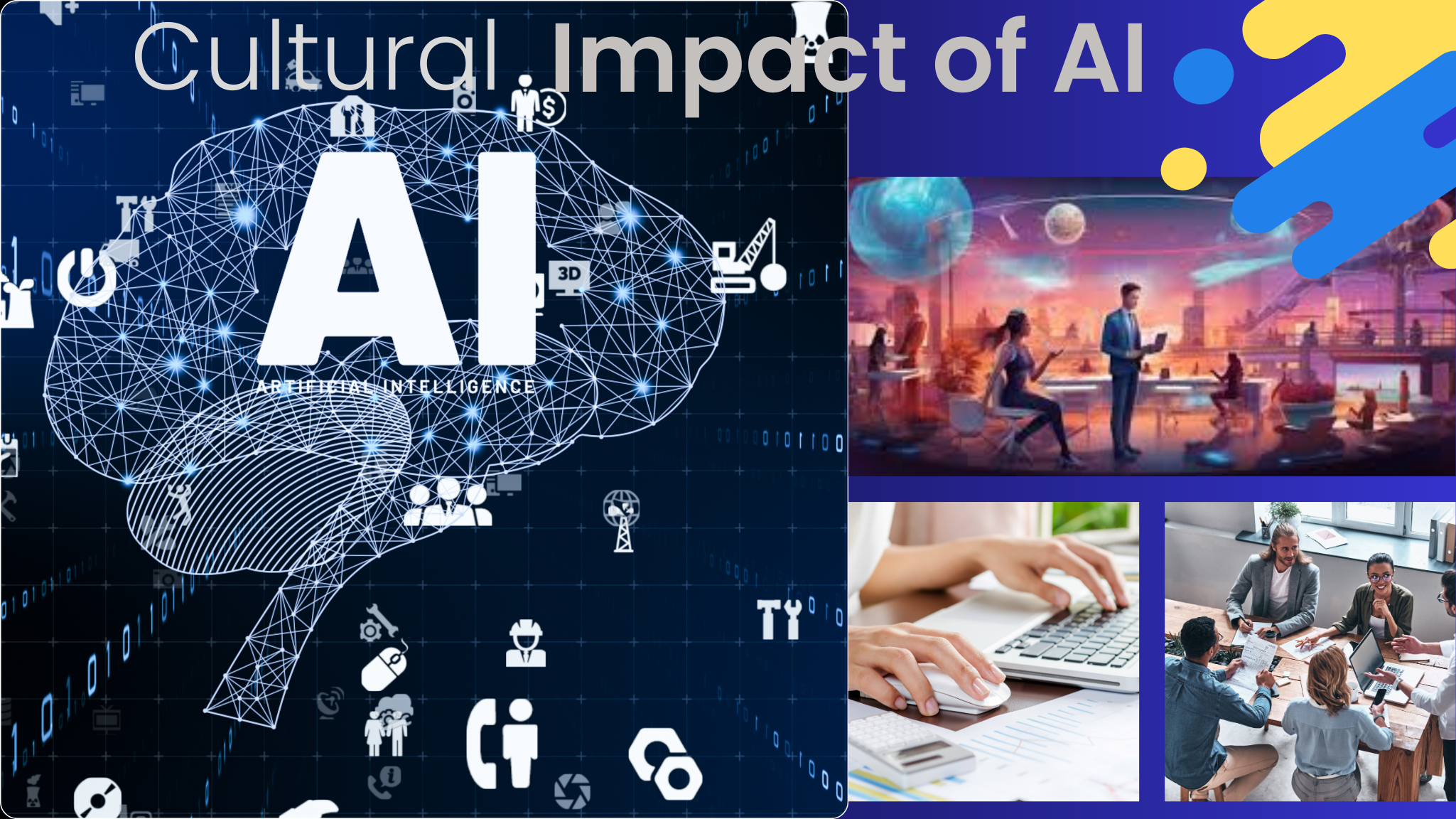
Cultural Impact of AI on Teams in the Modern Workplace

cultural impact of ai on teams in the modern workplace worldstan.com

Artificial intelligence is no longer just transforming how work gets done—it is reshaping team dynamics, leadership styles, trust, and workplace culture, making its human impact as significant as its technological promise.

Cultural Impact of AI on Teams: Navigating Transformation in the Modern Workplace

Artificial intelligence has moved beyond being a technical innovation and has become a defining force in how modern organizations function. While much of the discussion around AI focuses on efficiency, automation, and productivity, a deeper and often underexplored dimension lies in its cultural consequences. As organizations integrate intelligent systems into daily operations, the cultural impact of AI on teams is reshaping collaboration, leadership, trust, and identity at work.

This transformation is not merely about replacing tasks or accelerating workflows. It is about redefining how people interact with each other, how decisions are made, and how values are expressed within organizational environments. Understanding the cultural implications of AI is now a strategic necessity for leaders, HR professionals, and policymakers who aim to build resilient, ethical, and inclusive workplaces.

AI as a Cultural Force, Not Just a Tool

Historically, organizations treated technology as an operational enabler rather than a cultural influencer. AI challenges this assumption. Unlike earlier tools, artificial intelligence actively participates in decision-making, evaluation, and communication processes. As a result, AI shapes norms, behaviors, and power dynamics within teams.

When algorithms recommend candidates for hiring, assign tasks, evaluate performance, or prioritize information, they influence perceptions of fairness and accountability. Teams begin to adapt their behavior around AI systems, sometimes trusting them implicitly, and at other times resisting them due to fear or uncertainty. Over time, these interactions accumulate into a distinct AI-influenced organizational culture.

This shift demands a new understanding of workplace culture, one where human values coexist with machine-driven logic.

How AI Is Redefining Workplace Culture

The integration of AI into the workplace introduces new cultural patterns that differ significantly from traditional environments. One of the most noticeable changes is the evolving relationship between autonomy and automation. Employees may experience greater efficiency, yet also feel a reduced sense of control when algorithms dictate workflows or outcomes.

AI workplace transformation also alters communication styles. Teams increasingly rely on AI-powered collaboration tools, predictive analytics, and automated reporting systems. While these technologies can enhance coordination, they may also reduce informal interactions that traditionally foster trust and creativity.

Furthermore, transparency becomes a cultural challenge. When employees do not understand how AI systems reach conclusions, skepticism can emerge. This lack of clarity can erode trust, particularly when AI-driven decisions affect promotions, compensation, or workload distribution.

The Cultural Impact of AI on Teams

At the team level, the cultural impact of AI is both subtle and profound. Teams are social systems built on shared understanding, mutual respect, and collective goals. Introducing AI into these systems alters how teams perceive competence, contribution, and collaboration.

AI decision-making in teams can streamline problem-solving, but it can also shift authority away from human judgment. When algorithms are perceived as more objective or accurate than people, team members may hesitate to challenge outcomes, even when they sense flaws. This dynamic can suppress open dialogue and critical thinking.

Conversely, teams that actively integrate AI as a supportive partner rather than an authoritative force often experience enhanced collaboration. In such environments, AI augments human insight instead of replacing it, allowing teams to focus on strategic thinking and creative problem-solving.

AI and Organizational Culture Alignment

Organizational culture reflects shared values, beliefs, and behaviors. Successful AI adoption in organizations depends heavily on whether intelligent systems align with these cultural foundations. When AI implementation contradicts existing norms, resistance is almost inevitable.

For example, organizations that emphasize empowerment and inclusivity may struggle if AI tools appear to reinforce rigid hierarchies or opaque decision-making. Similarly, cultures that prioritize experimentation may find value in AI-driven insights, provided employees are encouraged to question and refine algorithmic outputs.

AI change management becomes critical in bridging this gap. Leaders must communicate not only how AI works, but why it aligns with the organization’s mission and values. Cultural readiness, rather than technical readiness alone, often determines whether AI initiatives succeed or fail.

Managing AI Adoption in Organizations

Managing AI adoption in organizations requires a holistic approach that integrates technology, people, and culture. Traditional change management strategies must evolve to address the unique challenges posed by AI.

Employees often fear job displacement, loss of relevance, or constant surveillance. These concerns are cultural as much as they are practical. Transparent communication about AI workforce impact is essential to reducing anxiety and building trust.

Organizations that invest in AI reskilling and upskilling initiatives send a powerful cultural message. They signal that AI is a tool for growth rather than replacement. Teams that feel supported during transitions are more likely to embrace AI and integrate it into their workflows constructively.

AI Bias and Fairness in Team Environments

One of the most critical cultural issues with AI is bias. Algorithmic bias in AI systems can reinforce existing inequalities, particularly in hiring, performance evaluation, and promotion processes. When teams perceive AI as unfair, cultural cohesion deteriorates rapidly.

AI bias in hiring and recruitment has been widely documented, often reflecting historical data patterns that disadvantage certain groups. In team contexts, this can undermine diversity and inclusion efforts, leading to homogeneous perspectives and reduced innovation.

Addressing AI bias and fairness requires proactive governance. Organizations must audit algorithms, diversify training data, and involve multidisciplinary teams in AI design and evaluation. Ethical use of AI in the workplace is not just a compliance issue; it is a cultural imperative.

AI Ethics, Trust, and Transparency:

Trust is a foundational element of any organizational culture. AI trust and transparency play a decisive role in determining how teams interact with intelligent systems. When AI operates as a black box, employees may either over-rely on it or reject it entirely.

Transparent AI systems that explain their reasoning foster a culture of accountability. Teams are more willing to collaborate with AI when they understand its limitations and assumptions. Ethical AI governance frameworks further reinforce trust by clarifying responsibility and oversight.

Leaders must model ethical behavior by questioning AI outputs and encouraging teams to do the same. This practice normalizes critical engagement rather than blind acceptance, strengthening both cultural integrity and decision quality.


AI and Team Collaboration in a Digital Era:

AI and team collaboration are increasingly intertwined. Intelligent tools facilitate coordination across time zones, automate routine tasks, and provide real-time insights that support collective decision-making. For global teams, AI can bridge linguistic and cultural gaps through translation and contextual analysis.

However, AI in global teams also introduces cultural complexities. Algorithms trained on dominant cultural norms may misinterpret communication styles or undervalue contributions from diverse backgrounds. This can create friction and misunderstandings if not addressed thoughtfully.

Best practices for teams working with AI include establishing shared guidelines on how AI tools are used, encouraging feedback on system performance, and maintaining space for human judgment. When teams actively shape their relationship with AI, collaboration becomes more inclusive and effective.


Multicultural Challenges and AI Integration:

AI challenges in multicultural teams are particularly pronounced. Cultural differences influence how individuals perceive authority, automation, and risk. In some cultures, AI-driven decisions may be readily accepted, while in others they may be questioned or resisted.

Organizations operating across regions must recognize that a one-size-fits-all approach to AI adoption is rarely effective. Local context matters. Adapting AI systems to reflect regional norms and involving local teams in implementation can mitigate cultural friction.

The cultural impact of AI on teams is therefore not uniform. It varies based on geography, industry, organizational maturity, and leadership philosophy.


AI and Human Creativity at Work:

A common concern is whether AI diminishes human creativity. In reality, the cultural outcome depends on how AI is positioned within teams. When AI is framed as a creative partner rather than a competitor, it can enhance innovation.

AI can generate ideas, analyze trends, and simulate scenarios, freeing team members to focus on interpretation and imagination. Cultures that value experimentation and learning are more likely to harness AI for creative purposes.

However, overly rigid reliance on AI-generated outputs can stifle originality. Teams may default to algorithmic suggestions rather than exploring unconventional approaches. Maintaining a balance between structure and freedom is essential to preserving creative culture.


Leadership’s Role in Shaping AI Culture:

Leadership plays a decisive role in shaping how AI influences organizational culture. Leaders set expectations around ethical use, transparency, and collaboration. Their attitudes toward AI often cascade through teams.

Effective leaders treat AI adoption as a cultural journey rather than a technical rollout. They engage employees in dialogue, listen to concerns, and adapt strategies based on feedback. This participatory approach strengthens cultural alignment and fosters ownership.

AI-driven change management strategies that prioritize empathy, communication, and learning are more likely to succeed than those focused solely on efficiency gains.


Measuring the AI Workforce Impact:

Understanding the AI workforce impact requires looking beyond productivity metrics. Cultural indicators such as engagement, trust, psychological safety, and inclusion provide deeper insight into how AI affects teams.

Organizations should regularly assess employee sentiment regarding AI tools and policies. Surveys, focus groups, and open forums can surface cultural issues before they escalate into resistance or disengagement.

By treating cultural data with the same seriousness as performance data, organizations can make more informed decisions about AI strategy.


Toward a Sustainable AI-Driven Culture:

The cultural impact of AI on teams will continue to evolve as technologies become more sophisticated. The challenge for organizations is not to slow innovation, but to guide it responsibly.

Sustainable AI adoption balances efficiency with humanity. It respects diversity, promotes fairness, and enhances rather than replaces human judgment. Cultures that achieve this balance are better positioned to adapt to future disruptions.

AI is ultimately a reflection of the values embedded within it. Organizations that consciously shape those values through governance, leadership, and collaboration will define the next generation of workplace culture.

Conclusion

The cultural impact of AI on teams represents one of the most significant organizational challenges of the modern era. As artificial intelligence becomes deeply embedded in work processes, it reshapes how teams collaborate, how decisions are made, and how trust is built.

Organizations that approach AI adoption with cultural awareness gain a strategic advantage. By addressing bias, fostering transparency, investing in skills, and aligning AI with human values, they create environments where technology and people thrive together.

The future of work is not solely defined by algorithms, but by the cultures that surround them. Understanding and managing the cultural dimensions of AI is no longer optional; it is essential for building resilient, ethical, and high-performing teams in an AI-driven world.


FAQs:

1. How does AI influence workplace culture beyond automation?

AI affects workplace culture by shaping how decisions are made, how performance is evaluated, and how trust is built within teams. Its influence extends into communication patterns, accountability structures, and the balance between human judgment and machine input.

2. Why is the cultural impact of AI important for team performance?

Team performance depends on trust, collaboration, and psychological safety. If AI systems are introduced without cultural alignment, teams may experience disengagement, resistance, or overreliance on automation, all of which can undermine effectiveness.

3. Can AI adoption change leadership styles within organizations?

Yes, AI encourages leaders to shift from directive management toward facilitative leadership. As data-driven insights become more accessible, leaders are expected to guide interpretation, ethics, and human-centered decision-making rather than control every process.

4. What cultural risks do teams face when using AI-driven tools?

Teams may face reduced autonomy, lack of transparency, and perceived unfairness if AI systems are not clearly explained or governed. These risks can weaken trust and discourage open dialogue if left unaddressed.

5. How can organizations ensure AI supports collaboration rather than replacing it?

Organizations can position AI as an assistive partner by encouraging human oversight, inviting feedback on AI outputs, and preserving space for discussion and creativity. Clear usage guidelines help teams integrate AI constructively.

6. Does AI affect creativity and innovation in team environments?

AI can enhance creativity by handling repetitive tasks and offering data-driven insights, allowing teams to focus on ideation and problem-solving. However, creativity declines if teams rely too heavily on algorithmic suggestions without exploration.

7. What role does ethics play in shaping AI-driven team culture?

Ethics define how responsibly AI is used in decision-making, data handling, and evaluation processes. Ethical AI practices promote fairness, transparency, and inclusion, which are essential for sustaining a healthy and cohesive team culture.

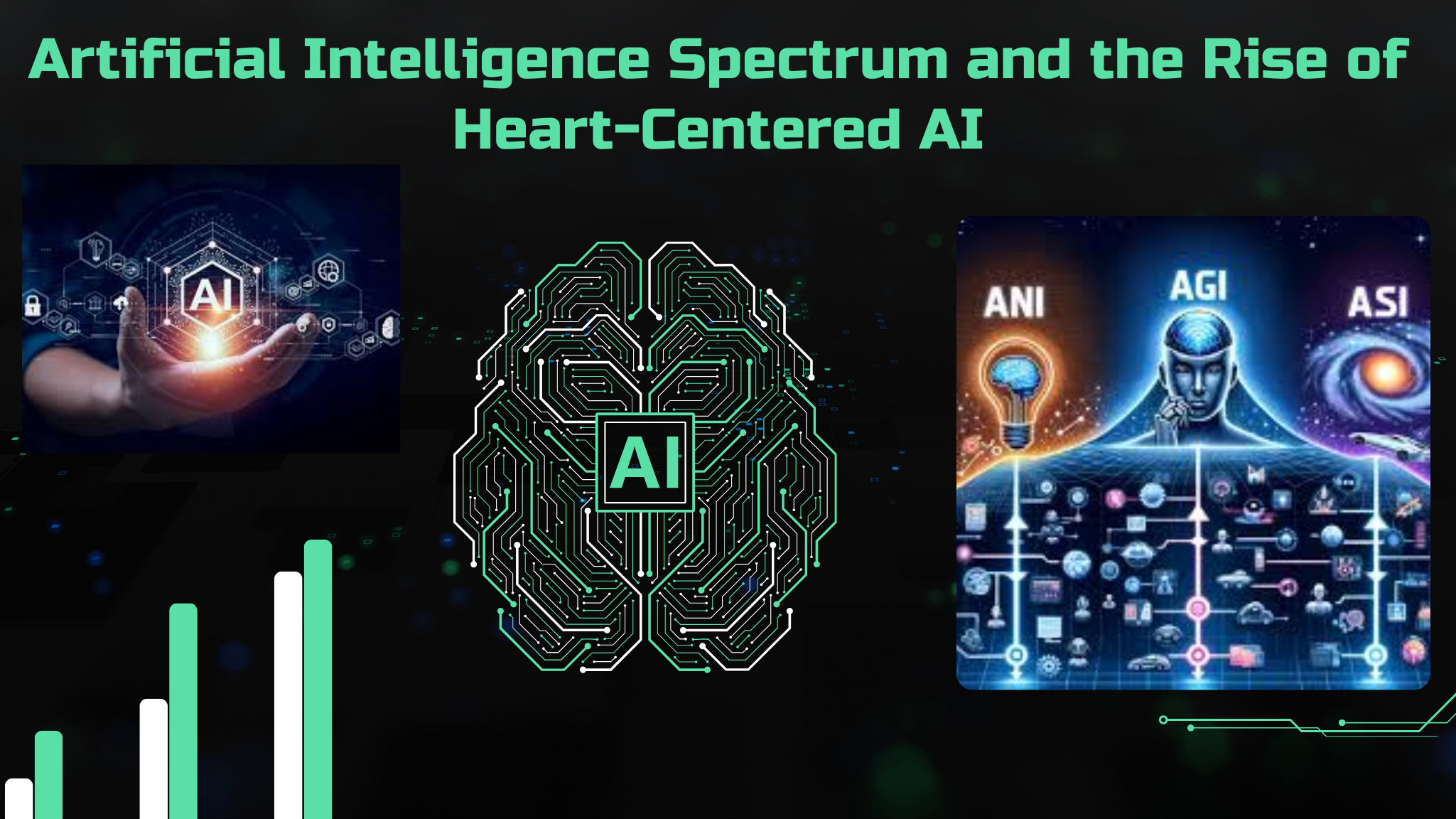
Artificial Intelligence Spectrum and the Rise of Heart-Centered AI

Artificial Intelligence Spectrum and the Rise of Heart-Centered AI worldstan.com

This article explores the artificial intelligence spectrum, tracing the evolution from narrow machine intelligence to future possibilities shaped by human cognition, ethics, and heart-centered understanding.

Introduction:

Artificial intelligence has moved from a theoretical concept to a transformative force shaping nearly every aspect of modern life. From recommendation algorithms and voice assistants to advanced medical diagnostics and autonomous systems, artificial intelligence continues to redefine how humans interact with technology. Yet, the conversation around AI is no longer limited to performance and automation. A broader and deeper discussion is emerging—one that explores the intelligence spectrum, the evolution from artificial narrow intelligence to artificial super intelligence, and the possibility of integrating human-like cognition, emotion, and even heart-based intelligence into future systems. This report examines artificial intelligence through a multidimensional lens, connecting technological progress with human cognition, ethical responsibility, and the future relationship between machines and the human heart.

Understanding Artificial Intelligence

Artificial intelligence is commonly defined as the theory and development of computer systems able to perform tasks that normally require human intelligence, such as visual perception, speech recognition, decision-making, and translation between languages. This definition highlights two core ideas: imitation of human intelligence and task-oriented performance. At its foundation, AI relies on data, algorithms, and computational power to identify patterns, learn from experience, and generate outputs that appear intelligent.

Over time, artificial intelligence has evolved from rule-based expert systems to machine learning models capable of adapting and improving through exposure to large datasets. Today, AI systems can analyze complex information at a speed and scale far beyond human capability. However, despite these advancements, most existing systems remain limited in scope, operating within predefined boundaries rather than demonstrating genuine understanding or consciousness.

The Intelligence Spectrum Explained

The intelligence spectrum provides a framework for understanding different levels and forms of intelligence, both artificial and human. Rather than viewing intelligence as a single capability, this spectrum recognizes varying degrees of cognitive ability, adaptability, emotional awareness, and self-reflection.

On one end of the spectrum lies artificial narrow intelligence, which dominates current AI applications. At the center lies artificial general intelligence, a hypothetical form of AI capable of human-level reasoning across diverse domains. At the far end lies artificial super intelligence, which surpasses human intelligence in nearly all cognitive aspects. Parallel to this technological spectrum exists human intelligence, shaped not only by logic and reasoning but also by emotion, intuition, morality, and heart cognition.

Understanding this spectrum is essential for evaluating both the capabilities and limitations of artificial intelligence, as well as the potential direction of its future development.

Artificial Narrow Intelligence and Its Real-World Impact

These systems excel within their designated domain but lack the ability to transfer knowledge or reasoning beyond their programmed purpose. Examples include facial recognition software, language translation tools, recommendation engines, and medical imaging analysis systems.

The success of artificial narrow intelligence lies in its precision and efficiency. In healthcare, narrow AI assists doctors by detecting diseases earlier and more accurately. In finance, it identifies fraud patterns and automates trading strategies. In everyday life, it powers search engines, smart assistants, and personalized content feeds.

Despite its effectiveness, artificial narrow intelligence does not possess awareness, understanding, or emotional intelligence. It operates based on statistical correlations rather than comprehension. This limitation raises important questions about trust, bias, and ethical responsibility, particularly as narrow AI systems increasingly influence critical decisions affecting human lives.

Artificial General Intelligence: A Theoretical Bridge

Artificial general intelligence represents a theoretical stage in the evolution of artificial intelligence. Unlike narrow AI, AGI would possess the ability to understand, learn, and apply knowledge across a wide range of tasks, much like a human being. It would be capable of reasoning, problem-solving, and adapting to unfamiliar situations without explicit programming.

While AGI remains largely conceptual, it serves as a bridge between current AI capabilities and more advanced forms of intelligence. Researchers continue to debate whether AGI is achievable and, if so, how long it may take to develop. The pursuit of artificial general intelligence has sparked discussions about safety, alignment, and governance. If machines reach human-level intelligence, ensuring that their goals align with human values becomes a critical concern.

Artificial Super Intelligence and Future Possibilities

Artificial super intelligence refers to a hypothetical form of AI that surpasses human intelligence in every domain, including scientific creativity, emotional understanding, strategic thinking, and social intelligence. Such systems would not only perform tasks better than humans but also improve themselves autonomously.

The concept of artificial super intelligence raises profound philosophical and ethical questions. While it promises unprecedented advancements in medicine, science, and global problem-solving, it also introduces risks related to control, autonomy, and unintended consequences. A super-intelligent system could potentially reshape societies, economies, and power structures in ways that are difficult to predict.

Discussions around artificial super intelligence emphasize the importance of proactive governance, ethical frameworks, and interdisciplinary collaboration. Rather than focusing solely on technological capability, experts increasingly stress the need to embed human values and moral reasoning into advanced AI systems.

Human Intelligence Beyond Logic

Human intelligence extends far beyond analytical reasoning and information processing. It encompasses emotion, empathy, intuition, creativity, and moral judgment. These qualities allow humans to navigate complex social environments, form meaningful relationships, and make value-based decisions.

Unlike artificial intelligence, human cognition is deeply influenced by lived experience, culture, and emotional memory. The human brain does not merely compute outcomes; it interprets meaning and context. This distinction highlights a critical gap between artificial systems and human intelligence, even as AI continues to advance in technical performance.

Recognizing this gap is essential when evaluating the role of AI in society. While machines can augment human capabilities, replacing the full spectrum of human intelligence remains an unresolved challenge.

The Human Heart and Cognition

Recent research in neuroscience and psychology has drawn attention to heart cognition, the idea that the human heart plays an active role in perception, emotional processing, and decision-making. The heart contains a complex network of neurons and communicates continuously with the brain through neural, hormonal, and electromagnetic pathways.

Heart cognition influences intuition, emotional regulation, and social awareness. Many human decisions, particularly those involving ethics, compassion, and relationships, are guided as much by the heart as by the brain. This integrated intelligence allows humans to balance logic with empathy and rationality with moral responsibility.

The recognition of heart cognition challenges purely computational models of intelligence and opens new perspectives on what it truly means to think, understand, and act wisely.

Artificial Intelligence and Emotional Understanding

As artificial intelligence becomes more embedded in human environments, the need for emotional awareness grows increasingly important. Emotional AI, also known as affective computing, aims to enable machines to recognize, interpret, and respond to human emotions.

Current emotional AI systems analyze facial expressions, voice tone, and physiological signals to infer emotional states. While these systems can simulate emotional responsiveness, they do not experience emotions themselves. This distinction raises questions about authenticity, trust, and ethical use.

Integrating emotional understanding into AI could improve human-machine interaction, particularly in healthcare, education, and mental health support. However, it also requires careful consideration to avoid manipulation, surveillance, or emotional dependency.

Bridging Artificial Intelligence and Heart-Centered Intelligence

The future of artificial intelligence may depend on its ability to integrate cognitive performance with heart-centered principles. Rather than pursuing intelligence solely as efficiency or optimization, researchers are exploring ways to align AI development with human values such as compassion, fairness, and well-being.

Heart-centered artificial intelligence does not imply that machines possess emotions in the human sense. Instead, it emphasizes ethical design, empathetic interaction, and value-aligned decision-making. By modeling human moral reasoning and emotional awareness, AI systems could support more humane and responsible outcomes.

This approach shifts the focus from dominance and control to collaboration and augmentation, positioning AI as a partner in human progress rather than a replacement.

Ethical Dimensions of Future Artificial Intelligence

Ethics play a central role in shaping the future of artificial intelligence. Issues such as data privacy, algorithmic bias, accountability, and transparency are already pressing concerns in narrow AI applications. As AI systems grow more autonomous, these challenges become even more complex.

Embedding ethical reasoning into AI requires multidisciplinary collaboration among technologists, philosophers, psychologists, and policymakers. It also demands global standards to ensure that AI development benefits humanity as a whole rather than amplifying inequality or power imbalances.

A heart-centered ethical framework encourages developers to consider not only what AI can do, but what it should do, and for whom.

The Role of Artificial Intelligence in Human Evolution

Artificial intelligence is not merely a technological tool; it is a force shaping the future trajectory of human evolution. By augmenting human intelligence, AI has the potential to expand creativity, accelerate learning, and solve complex global challenges.

However, this evolution must be guided by conscious choice rather than unchecked automation. Preserving human agency, dignity, and emotional depth is essential as machines take on greater roles in decision-making and social interaction.

The integration of artificial intelligence into human life should enhance, not diminish, the qualities that make us human.

Future Outlook: Intelligence with Purpose

The future of artificial intelligence lies not only in increased computational power but in purposeful design. Moving along the intelligence spectrum from artificial narrow intelligence toward more advanced forms requires a balance between innovation and responsibility.

By incorporating insights from human cognition, heart intelligence, and ethical philosophy, future AI systems can be designed to support sustainable progress. This vision prioritizes collaboration, empathy, and long-term well-being over short-term efficiency.

As society stands at the crossroads of technological advancement, the choices made today will shape the role of artificial intelligence for generations to come.

Conclusion:

The intelligence spectrum provides a powerful lens for understanding artificial intelligence, from narrow task-based systems to the speculative possibilities of artificial super intelligence. While technological progress continues at an unprecedented pace, true intelligence encompasses more than computation and efficiency. Human intelligence, shaped by the heart, emotion, and moral reasoning, remains a unique and essential benchmark.

The future of artificial intelligence will depend on how effectively it aligns with human values and heart-centered cognition. Rather than seeking to replicate or surpass humanity, AI has the potential to complement and elevate human capabilities when guided by ethical purpose. By embracing a holistic vision of intelligence, society can ensure that artificial intelligence serves as a force for meaningful, compassionate, and sustainable progress.

FAQs:

1. What is the artificial intelligence spectrum?
The artificial intelligence spectrum is a framework that categorizes different levels of AI, ranging from task-specific systems (Artificial Narrow Intelligence) to advanced hypothetical models (Artificial Super Intelligence), while also considering human-like cognition and ethical intelligence.


2. How does artificial narrow intelligence differ from artificial general intelligence?
Artificial Narrow Intelligence (ANI) performs specific tasks within a defined scope, such as image recognition or language translation. Artificial General Intelligence (AGI), on the other hand, would be capable of reasoning, learning, and adapting across multiple domains similar to human intelligence.


3. What is artificial super intelligence and why is it important?
Artificial Super Intelligence (ASI) refers to AI systems that surpass human intelligence in virtually every cognitive task. Its importance lies in its potential to revolutionize industries, science, and society, while raising critical ethical and governance challenges.


4. What role does the human heart play in intelligence?
Recent research highlights the concept of heart cognition, where the heart communicates with the brain to influence decision-making, intuition, and emotional awareness. Integrating this understanding helps envision AI systems that align more closely with human values.


5. Can artificial intelligence develop emotions or ethical reasoning?
While AI can simulate emotional responses and follow ethical frameworks, it does not inherently experience emotions. Advanced AI can, however, be designed to recognize human emotions, respond empathetically, and support ethically responsible decisions.


6. How does the future of AI intersect with human intelligence?
The future of AI is expected to augment human intelligence rather than replace it. By combining computational capabilities with insights from human cognition, emotional intelligence, and ethical reasoning, AI can assist in complex decision-making and creative problem-solving.


7. Why is understanding the AI spectrum important for businesses and society?
Understanding the AI spectrum helps organizations and policymakers assess AI capabilities, plan for future technological shifts, and ensure ethical implementation. It also guides society in leveraging AI to complement human intelligence responsibly.


If you want, I can next craft a 3-paragraph solid conclusion for this blog that is fully unique, professional, and aligned with your SEO strategy. This will complete the content package for posting.