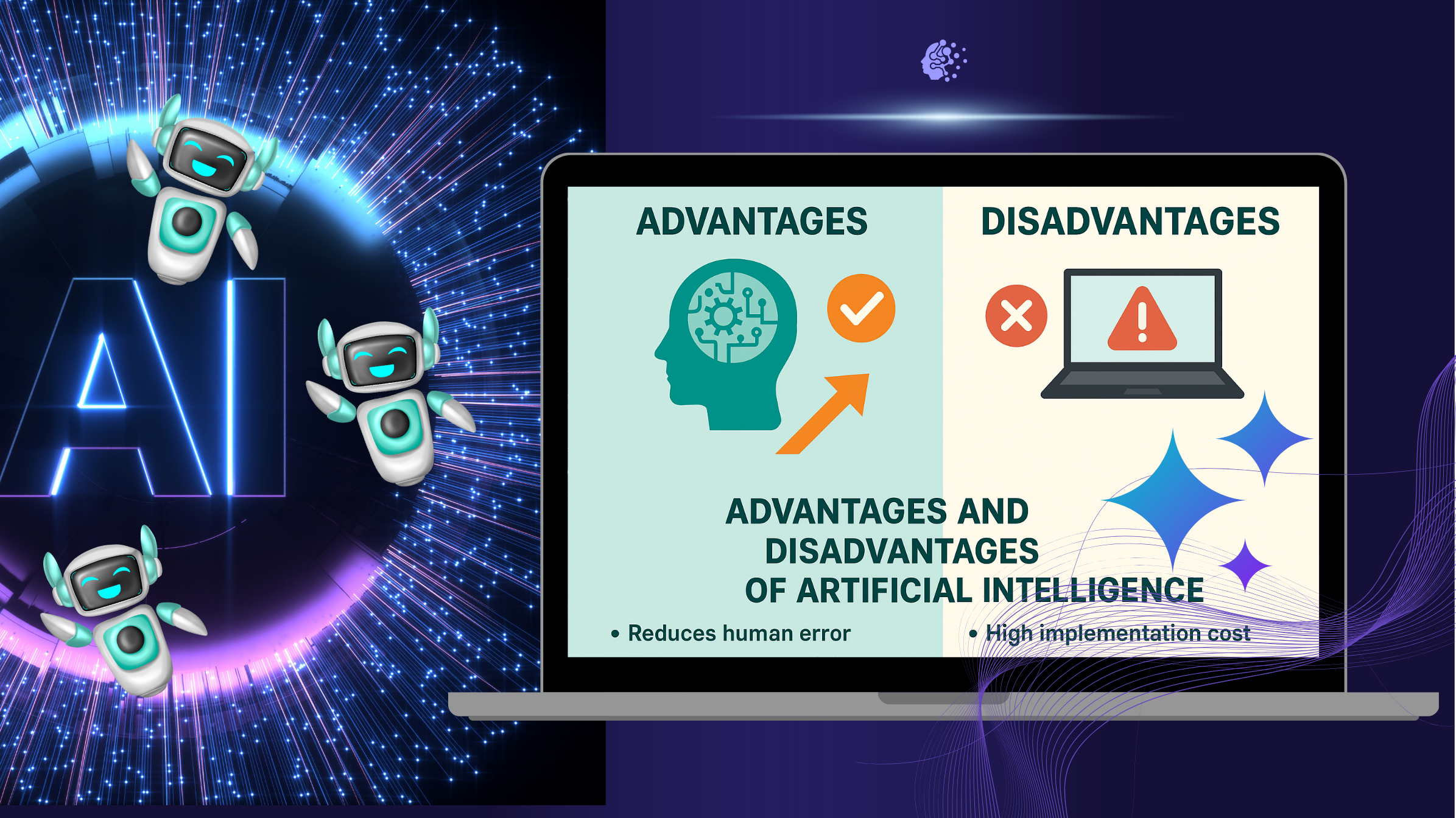
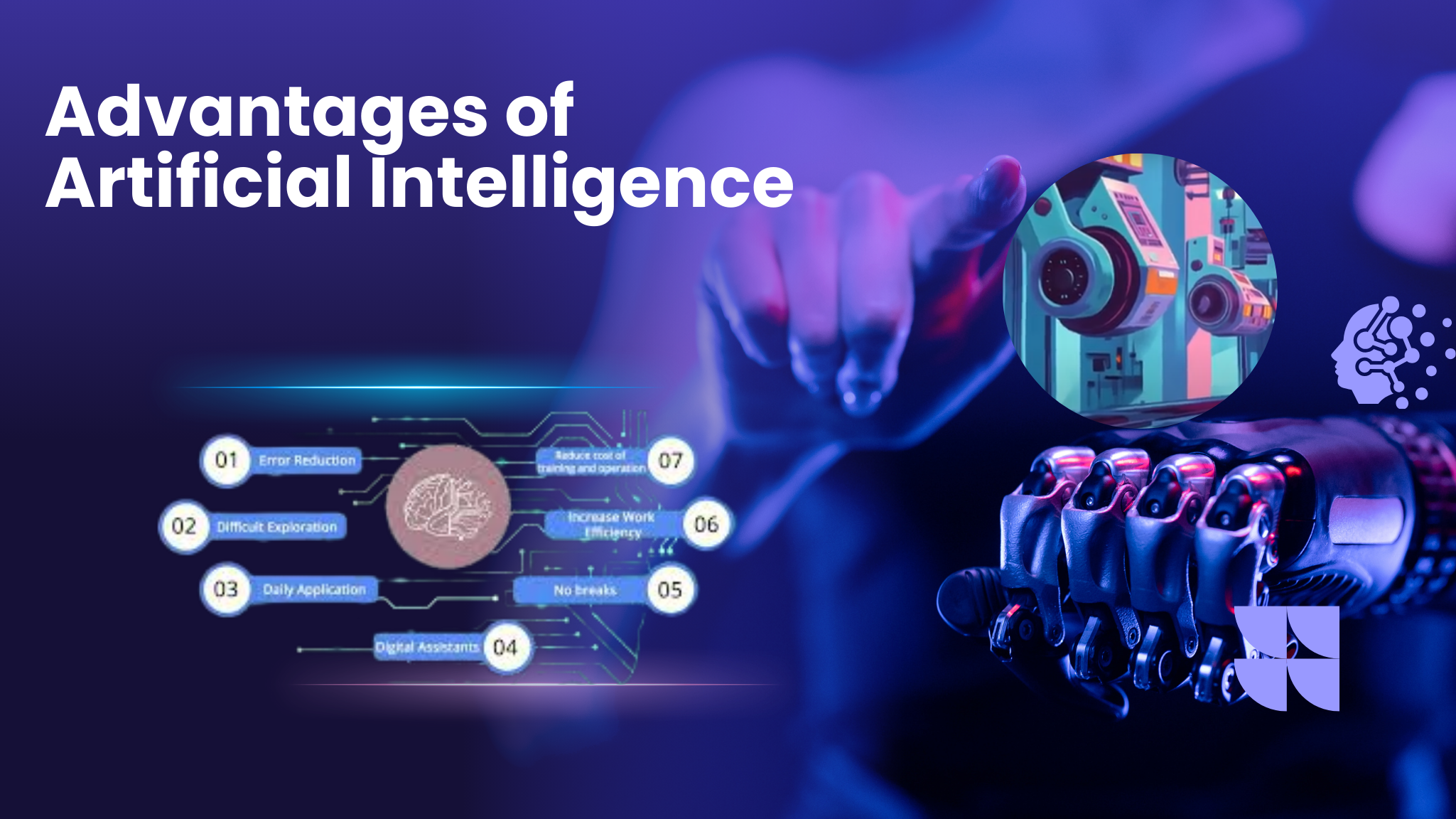
Artificial intelligence is transforming industries by enabling smarter decision-making, intelligent automation, and personalized experiences, and this article explores the key advantages of artificial intelligence and how its real-world applications are reshaping business, healthcare, finance, and everyday operations.
Advantages of Artificial Intelligence: Driving the Next Era of Intelligent Systems
Artificial intelligence has moved far beyond its early perception as a futuristic concept. Today, it operates at the core of modern digital transformation, reshaping how organizations function, how services are delivered, and how decisions are made. From enterprise operations to everyday consumer interactions, AI has become a foundational technology enabling efficiency, automation, and strategic growth. Its adoption across industries reflects not only technological progress but also a shift toward smarter, data-centric models of work and innovation.
At its core, artificial intelligence refers to systems capable of simulating human intelligence through learning, reasoning, and adaptive decision-making. The advantages of artificial intelligence lie in its ability to process vast amounts of information, identify meaningful patterns, and execute actions with speed and consistency that exceed human limitations. These capabilities have unlocked unprecedented opportunities for businesses, governments, and institutions seeking resilience and competitiveness in an increasingly complex environment.
The Evolution of Efficiency and Automation
One of the most widely recognized AI advantages is its contribution to efficiency and automation. Traditional workflows often rely on manual processes that are time-consuming, error-prone, and difficult to scale. AI automation introduces intelligent systems that can perform repetitive and structured tasks with minimal human intervention, allowing organizations to streamline operations and allocate resources more strategically.
Automation powered by artificial intelligence is not limited to simple rule-based execution. Modern systems learn from historical data, improve over time, and adapt to new conditions. This has transformed areas such as document processing, transaction handling, scheduling, and quality control. Businesses that deploy AI automation frequently report higher operational speed, reduced costs, and improved consistency across processes.
Beyond internal efficiency, automation also enhances service delivery. AI-driven systems ensure faster response times, uninterrupted availability, and uniform performance, all of which contribute to improved customer satisfaction and trust.
Improved Decision Making Through Data Intelligence
Another major benefit of artificial intelligence is its role in improved decision making. In a data-rich world, organizations often struggle not with data scarcity but with data overload. AI systems excel at transforming raw information into actionable insights by analyzing trends, correlations, and anomalies that might otherwise remain hidden.
Data-driven decisions supported by AI reduce reliance on intuition or incomplete analysis. Machine learning applications enable predictive modeling, scenario planning, and real-time assessment of outcomes. This empowers leaders to make informed choices grounded in evidence rather than assumptions.
AI-driven decision support tools are increasingly used in strategic planning, risk assessment, and performance optimization. By continuously learning from new data, these systems provide dynamic insights that evolve alongside market conditions, customer behavior, and operational realities.
Artificial Intelligence in Healthcare: Precision and Predictive Care
Among the most impactful real-world applications of AI is its integration into healthcare systems. AI in healthcare has revolutionized diagnostics, treatment planning, and patient management. Healthcare diagnostics with AI leverage image recognition, natural language processing, and predictive analytics to assist clinicians in identifying diseases at earlier stages and with higher accuracy.
Medical imaging analysis, for example, uses AI to detect subtle patterns in scans that may be overlooked by the human eye. Predictive models analyze patient data to forecast disease progression and recommend preventive interventions. These capabilities not only enhance clinical outcomes but also reduce costs by minimizing unnecessary procedures and hospital readmissions.
AI also supports operational efficiency in healthcare by optimizing scheduling, managing medical records, and improving resource allocation. As a result, providers can deliver higher-quality care while maintaining sustainability in increasingly strained healthcare systems.
AI in Finance: Risk Management and Intelligent Analysis
The financial sector has been one of the earliest adopters of artificial intelligence, recognizing its potential for precision, speed, and risk mitigation. AI in finance plays a critical role in fraud detection using AI, where machine learning models analyze transaction patterns to identify suspicious behavior in real time.
Risk management using AI enables financial institutions to assess creditworthiness, market volatility, and investment risks with greater accuracy. By analyzing historical and real-time data, AI systems provide insights that help organizations anticipate potential threats and respond proactively.
Market analysis using AI has also transformed trading and investment strategies. Automated systems process global financial data, news sentiment, and economic indicators to support faster and more informed decision making. This data-centric approach enhances transparency and stability within financial ecosystems.
Retail Transformation Through AI Personalization
Retail has undergone a significant shift as artificial intelligence enables more personalized and responsive customer experiences. Personalized user experience is now a key competitive differentiator, and AI personalization allows retailers to tailor offerings based on individual preferences, browsing behavior, and purchase history.
Inventory management with AI ensures optimal stock levels by analyzing demand patterns, seasonal trends, and supply constraints. Demand forecasting powered by AI reduces waste, improves availability, and enhances customer satisfaction.
AI in retail also enhances pricing strategies, recommendation engines, and customer engagement channels. By understanding consumer behavior at a granular level, retailers can deliver relevant experiences that foster loyalty and long-term value.
Always-On Support: AI in Customer Service
Customer expectations have evolved toward instant, seamless, and consistent interactions. AI in customer service addresses these demands through 24/7 AI availability and scalable support solutions. AI-powered chatbots provide immediate responses to common inquiries, resolve routine issues, and escalate complex cases to human agents when necessary.
AI customer support systems improve efficiency by reducing wait times and handling high volumes of interactions without compromising quality. Natural language processing enables these systems to understand context, sentiment, and intent, resulting in more meaningful and effective communication.
Over time, AI-powered chatbots learn from interactions, continuously improving accuracy and relevance. This creates a feedback loop that enhances both customer experience and operational performance.
Advanced Data Analysis and Pattern Recognition
A fundamental strength of artificial intelligence lies in data analysis and pattern recognition. AI systems process structured and unstructured data at scale, uncovering insights that drive innovation and strategic advantage. These capabilities are particularly valuable in environments characterized by complexity and rapid change.
Pattern recognition enables predictive maintenance in manufacturing, where AI analyzes sensor data to identify early signs of equipment failure.In supply chain optimization, AI evaluates logistics data to improve routing, supplier selection, and inventory flow. By anticipating disruptions and adjusting plans in real time, organizations can maintain resilience and continuity.
AI in Manufacturing: Intelligent Operations
AI in manufacturing represents a convergence of automation, analytics, and adaptive intelligence. Smart factories use AI to monitor production processes, ensure quality control, and optimize resource utilization. Machine learning applications continuously refine workflows based on performance data, leading to incremental and sustained improvements.
Predictive maintenance is a standout application, allowing manufacturers to transition from reactive to proactive strategies. By predicting when equipment requires servicing, organizations minimize unexpected breakdowns and improve safety.
Supply chain optimization supported by AI enhances coordination across suppliers, distributors, and logistics providers. This holistic view enables manufacturers to respond quickly to market fluctuations and customer demand.
Business Productivity With AI
Across industries, one of the most compelling advantages of artificial intelligence is its impact on business productivity. AI augments human capabilities rather than replacing them, allowing employees to focus on higher-value tasks that require creativity, judgment, and strategic thinking.
Routine activities such as data entry, reporting, and scheduling are increasingly handled by AI systems. This not only improves accuracy but also reduces cognitive load on employees. As a result, organizations benefit from a more engaged and effective workforce.
Machine learning applications support performance management, talent development, and operational planning. By providing insights into productivity drivers and bottlenecks, AI enables continuous improvement across organizational functions.
Ethical and Strategic Considerations
While the benefits of artificial intelligence are substantial, responsible deployment requires thoughtful governance. Transparency, accountability, and fairness are essential to ensuring that AI systems align with societal values and organizational goals.
Ethical AI frameworks guide the development and use of AI technologies, addressing concerns related to bias, privacy, and security. When implemented responsibly, AI enhances trust and supports sustainable innovation.
Strategically, organizations must align AI initiatives with long-term objectives. Successful adoption depends not only on technology but also on culture, skills, and leadership commitment. Investing in data quality, infrastructure, and workforce readiness is critical to unlocking the full potential of AI.
The Expanding Landscape of Real-World Applications of AI
The scope of real-world applications of AI continues to expand as technology matures and integration becomes more seamless. From education and transportation to energy and public services, AI-driven solutions are addressing complex challenges with unprecedented effectiveness.
In logistics, AI optimizes routes and delivery schedules. In energy management, it balances supply and demand to improve efficiency and sustainability. In education, adaptive learning platforms personalize instruction based on individual progress and needs.
These diverse applications underscore the versatility and transformative power of artificial intelligence. As adoption grows, the cumulative impact of AI on productivity, innovation, and quality of life will become increasingly evident.
Conclusion: Why Artificial Intelligence Matters
The advantages of artificial intelligence extend far beyond technological novelty. They represent a fundamental shift in how work is performed, how decisions are made, and how value is created. Through efficiency and automation, improved decision making, and intelligent personalization, AI empowers organizations to operate with greater agility and insight.
From healthcare diagnostics with AI to fraud detection using AI, from AI in manufacturing to AI in customer service, the technology’s influence spans every major industry. Its ability to learn, adapt, and scale makes it a critical enabler of sustainable growth in a data-driven world.
As artificial intelligence continues to evolve, its advantages will become even more pronounced. Organizations that embrace AI thoughtfully and strategically will be better positioned to navigate uncertainty, seize opportunities, and shape the future of intelligent systems.
FAQs:
What makes artificial intelligence valuable for modern organizations?
Artificial intelligence adds value by turning large volumes of data into actionable insights, automating repetitive tasks, and supporting faster, more accurate decision-making across business operations.How does AI improve efficiency compared to traditional automation tools?
Unlike rule-based systems, AI learns from data and adapts over time, allowing processes to improve continuously and respond intelligently to changing conditions.In what ways is AI transforming customer service experiences?
AI enables round-the-clock support through chatbots and virtual assistants that resolve common issues instantly while learning from interactions to improve response quality.Why is artificial intelligence important for data-driven decision making?
AI analyzes complex datasets, identifies patterns, and predicts outcomes, helping organizations make informed decisions based on evidence rather than assumptions.How is AI being applied differently across industries?
Industries use AI in distinct ways, such as diagnostics and patient monitoring in healthcare, fraud detection and risk assessment in finance, and demand forecasting in retail.What role does machine learning play in artificial intelligence systems?
Machine learning allows AI systems to learn from historical data, refine their models, and improve performance without being explicitly reprogrammed.Can artificial intelligence help businesses remain competitive in the long term?
Yes, by increasing productivity, improving customer experiences, and enabling scalable innovation, AI helps organizations adapt to market changes and maintain a competitive edge.