
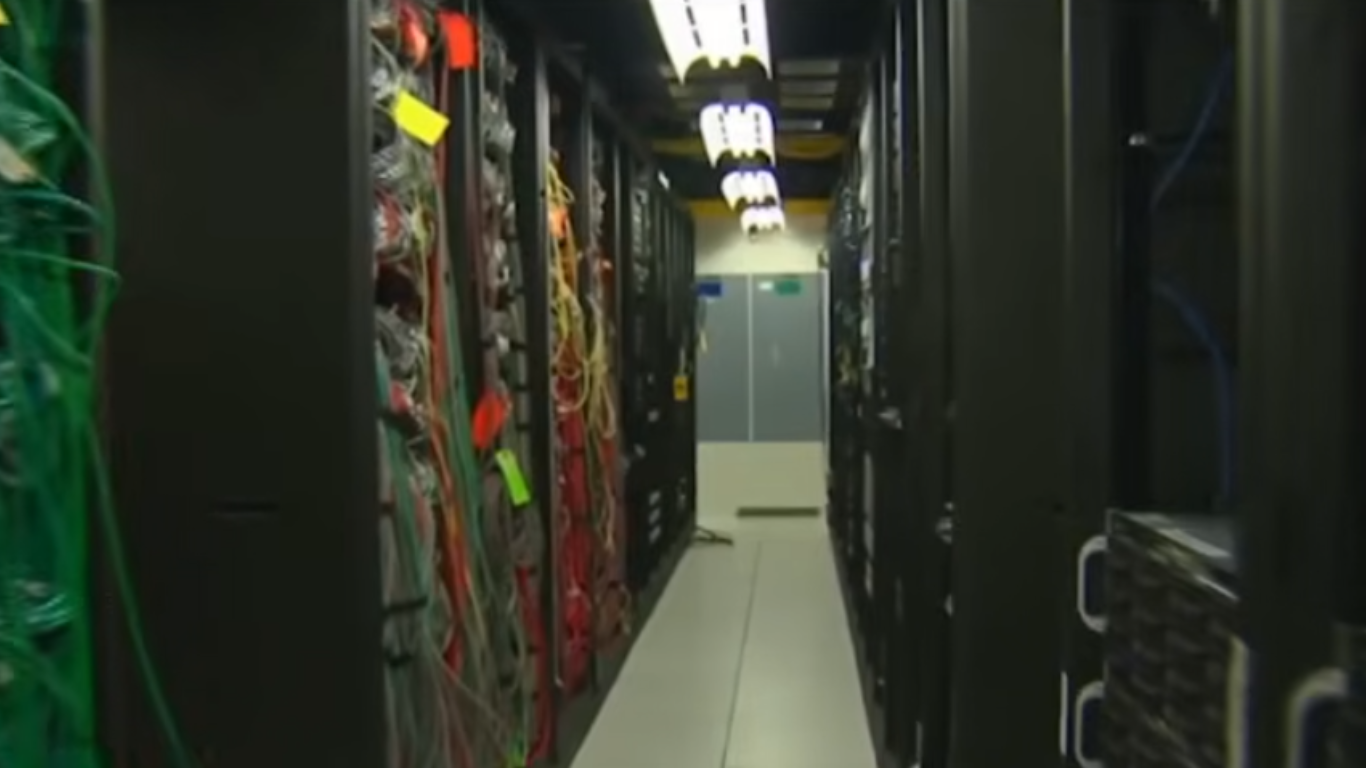
As concerns grow over data center energy consumption and global energy instability, policymakers are pushing for transparency while geopolitical tensions continue to shake the world’s energy balance.
The conversation around data center energy consumption is becoming more serious in the United States, as lawmakers step forward to demand greater transparency from the tech industry. On Thursday, Senators Elizabeth Warren and Josh Hawley jointly urged the Energy Information Administration to introduce stricter reporting rules for data centers across the country.
In their letter, the senators emphasized the need for clear and detailed energy usage data from large-scale data centers. They proposed a mandatory system where companies must submit annual reports on their electricity consumption. According to them, such transparency is essential for proper energy grid planning and to ensure that major tech companies remain accountable for their growing power demands.
Currently, the Energy Information Administration has announced a voluntary pilot program. This initiative aims to study data center energy use in key regions such as Texas, Washington, Northern Virginia, and Washington, DC. However, Warren and Hawley believe that voluntary participation is not enough. They argue that only a mandatory reporting system can provide accurate and reliable data to support long-term energy planning.
The push for regulation also connects to recent commitments made by seven major technology firms under the Ratepayer Protection Pledge. Lawmakers want to ensure these companies follow through on their promises, especially as data center energy consumption continues to rise due to rapid advancements in artificial intelligence and cloud computing.
At the same time, global energy concerns are being shaped by rising geopolitical tensions. The ongoing conflict involving the United States, Israel, and Iran has created uncertainty in energy markets worldwide. Just a week ago, experts were still hopeful that the situation might stabilize quickly. However, recent developments suggest otherwise.
Energy infrastructure has become a major focus in this conflict. Military actions have targeted critical facilities, including fuel depots and oil and gas installations. Iran, in response, has issued strong warnings and threatened to disrupt energy exports from the region.

One of the biggest concerns is the situation around the Strait of Hormuz. This narrow passage is one of the most important routes for global energy supply. A significant portion of the world’s oil and liquefied natural gas passes through it. Reports suggest that Iran may have started placing mines in the area, raising fears of supply disruptions.
If these threats become reality, the impact on global petroleum consumption and LNG trade could be severe. Energy prices, which were already rising, may increase even further. This could affect not only large economies but also developing countries that rely heavily on imported energy.
Experts believe that the combination of rising data center energy consumption and global energy instability presents a unique challenge. On one hand, the digital economy is expanding rapidly, increasing the demand for electricity. On the other hand, geopolitical risks are making energy supply less predictable.
This situation highlights the importance of better planning and smarter policies. By introducing mandatory reporting for data center energy use, governments can gain a clearer picture of how resources are being consumed. This data can then be used to improve infrastructure, support renewable energy adoption, and reduce pressure on existing power grids.
At the same time, global cooperation will be necessary to manage energy risks linked to international conflicts. Ensuring stable energy supply chains will be critical for maintaining economic stability and supporting technological growth.
In simple terms, the world is facing two connected challenges: managing the rapid rise of digital infrastructure and dealing with uncertain energy markets. Addressing both issues together will be key to building a more stable and sustainable future.