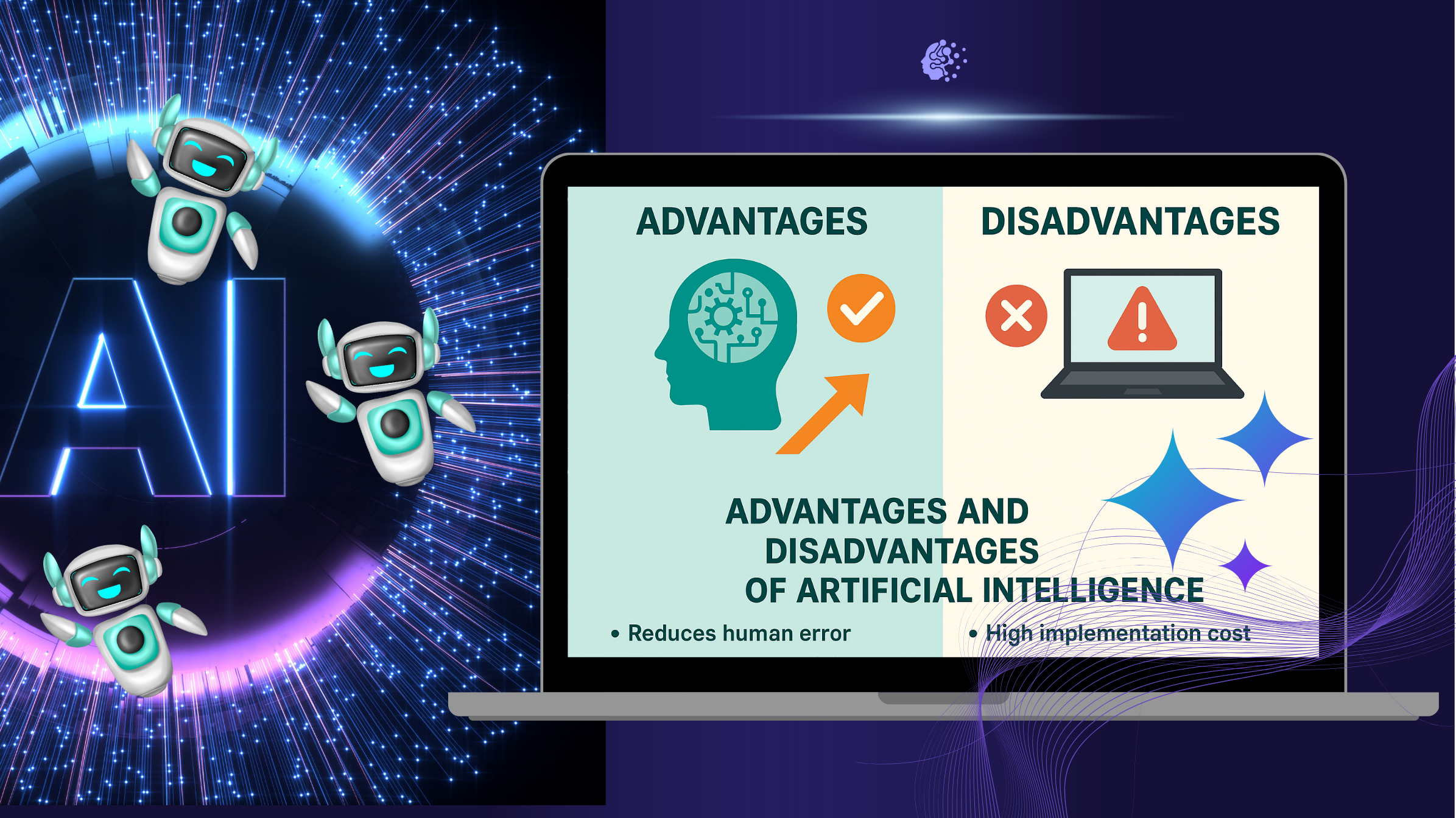
The Real Advantages and Disadvantages of AI You Need to Know Today

advantage

This article explores the key advantages and disadvantages of artificial intelligence, offering a clear understanding of how AI shapes modern life, business operations, and future possibilities.

Advantages and disadvantages of artificial intelligence


Artificial intelligence has become an integral part of modern life, influencing how people work, communicate, and make decisions. As AI continues to evolve, conversations around its advantages and disadvantages have become increasingly important for both consumers and businesses. Understanding these pros and cons helps individuals and organizations adopt AI responsibly while maximizing its potential.

Artificial intelligence is a field of computer science focused on creating systems capable of performing tasks that traditionally require human intelligence. These systems analyze massive volumes of data, recognize patterns, and make decisions based on programmed logic or learned behavior. Today, AI is widely used across industries to improve efficiency, enhance accuracy, and support data-driven decision-making. From virtual assistants to complex prediction models, AI has transformed both everyday experiences and business operations.

Every technological advancement offers both opportunities and challenges, and AI is no exception. Its benefits include streamlining operations, reducing human error, automating repetitive processes, and enabling unbiased decision-making when properly trained. However, it also presents challenges such as high implementation costs, reduced human involvement in certain tasks, and the possibility of outdated or biased systems if not maintained correctly.

Key Advantages of AI

A notable advantage of using AI is its consistent reduction of errors that often occur in manual work. AI systems, especially those used for repetitive or hazardous tasks, help minimize mistakes that naturally occur in manual work. In industries where accuracy and safety are crucial, AI-driven robots and software can perform tasks without exposing humans to risk.

AI also operates continuously without the limitations of traditional working hours. Through 24/7 availability, chatbots, monitoring systems, and automated tools ensure that businesses can deliver constant support and maintain productivity without interruptions.

Another major benefit is the ability to make unbiased decisions when AI models are trained using neutral and carefully curated datasets. This allows organizations to support fairer processes such as loan approvals, candidate screenings, and risk assessments. However, regular audits are essential to prevent embedded bias from influencing outcomes.

AI also excels in handling repetitive or mundane tasks, freeing employees to focus on work that requires creativity, strategy, and human insight. By automating data entry, report generation, and process monitoring, AI increases efficiency and lowers the cost of operations.

Finally, AI enhances data acquisition and analysis. With the volume of data growing rapidly, AI tools help organizations quickly process complex information, uncover trends, and support accurate decision-making.

Disadvantages of Artificial Intelligence

Despite its benefits, AI adoption comes with notable drawbacks. The initial cost of AI implementation is often high, especially for businesses requiring custom-built solutions. From development to integration, companies may face significant expenses before achieving long-term savings.

AI also lacks emotional intelligence and creativity. While it can generate new ideas based on patterns, it cannot replicate the originality or empathy that humans bring to decision-making. For tasks requiring compassion, innovative thinking, or nuanced judgment, human involvement remains essential.

Machine degradation and outdated algorithms pose additional challenges. Hardware-based AI systems require regular maintenance, and software models must be updated frequently to stay relevant. Without continuous improvement, AI tools may deliver inaccurate or outdated results.

Another concern is the impact of AI on employment. Automation may reduce opportunities for workers performing routine tasks, creating a need for reskilling and adaptation. While AI is expected to generate new roles, the transition may be difficult for displaced workers.

Ethical concerns, particularly around data privacy and accountability, also affect AI adoption. As AI systems rely on large datasets, safeguarding consumer information has become critical. Issues like unauthorized data use, surveillance, and unclear responsibility in case of AI-driven errors continue to spark debate.

Use Cases of AI in Modern Industries

Artificial intelligence has valuable applications across multiple sectors. In healthcare, AI helps identify diseases early by analyzing medical data and predicting health risks. Customer service teams use AI-powered virtual assistants to streamline routine queries and manage requests outside regular working hours. Financial institutions benefit from AI’s ability to detect fraudulent activities by recognizing unusual patterns. Businesses also rely on predictive analysis to forecast performance, reduce risks, and support long-term planning.

Implementing AI Responsibly

Understanding both the advantages and disadvantages of artificial intelligence allows businesses to adopt it strategically and ethically. While challenges such as cost, bias, and system degradation exist, many can be addressed with careful planning, regular audits, and human oversight. By staying informed and proactive, organizations can harness AI to improve operations and strengthen decision-making.

Companies interested in integrating AI analytics can explore advanced platforms designed to help them make informed and accurate decisions based on real-time data insights.

Conclusion:

Artificial intelligence continues to reshape the way people live and businesses operate, offering powerful tools that enhance efficiency, accuracy, and long-term planning. Yet its rapid growth also brings challenges that require thoughtful oversight, ethical awareness, and ongoing human involvement. By recognizing both the strengths and limitations of AI, organizations and individuals can make informed decisions that balance innovation with responsibility. With the right approach, AI can become a valuable partner in progress rather than a replacement for human judgement.

FAQs:

  1. What is artificial intelligence in simple terms?


Artificial intelligence refers to computer systems designed to perform tasks that normally require human intelligence, such as decision-making, learning, and pattern recognition.


  1. Why is AI becoming important for businesses today?


AI helps businesses improve efficiency, reduce errors, enhance customer service, and make accurate data-driven decisions that support long-term growth.


  1. What is one major advantage of using AI in the workplace?


One key advantage is automation of repetitive tasks, which saves time and allows employees to focus on strategic or creative work.


  1. Does AI completely eliminate human error?


AI reduces many common errors, especially in repetitive or data-heavy tasks, but it can still make mistakes if trained on poor or biased data.


  1. Can AI replace human creativity?


No. AI can generate patterns and suggestions, but it lacks genuine originality, emotional depth, and intuitive thinking that humans bring to creative tasks.


  1. Why is the cost of AI considered a disadvantage?


AI development, customization, and integration require significant investment, which can be expensive for small or mid-sized businesses.


  1. How does AI impact data privacy?


AI relies heavily on data, raising concerns about how personal information is collected, stored, and used, making strong privacy protections essential.


  1. Is AI responsible for job losses?


AI may reduce certain repetitive jobs, but it also creates new roles that require modern technical skills. The challenge lies in reskilling the workforce.


  1. How does AI help in healthcare?


AI assists in early disease detection, analyzing medical data, predicting health risks, and supporting doctors in making more accurate diagnoses.


  1. What should companies consider before adopting AI?


Businesses should evaluate cost, data quality, ethical risks, employee training, and the need for continuous updates to ensure effective and responsible AI use.
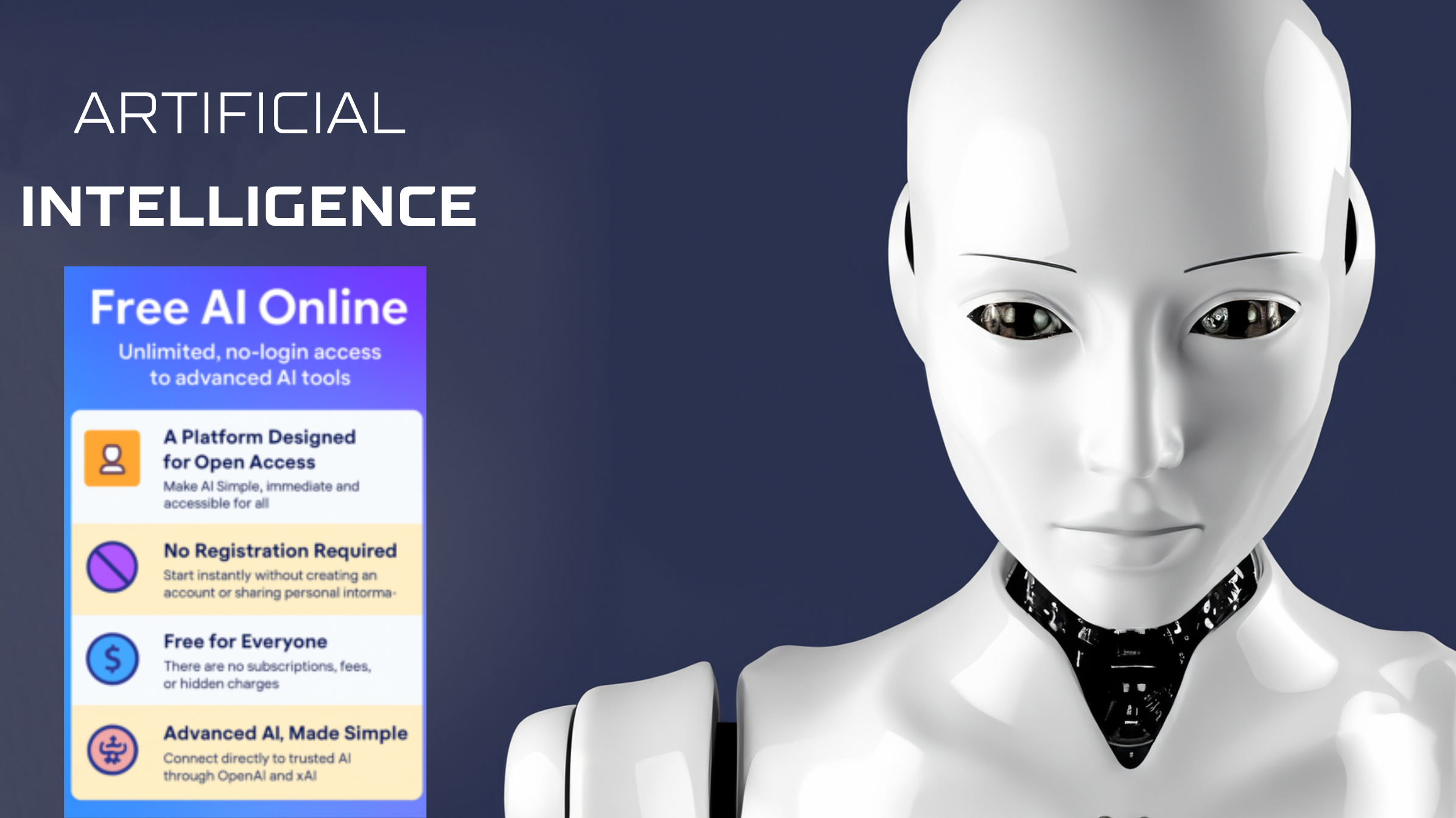
 

免費人工智慧程式碼 Writer for Everyone AI Code

free ai code writer for everyone worldstan.com

A quick overview of how FREE AI ONLINE’s new free coding assistant empowers students and learners by generating code instantly and simplifying the entire programming process.

A New Path for Learners: Free AI Online Launches an Open, No-Limit Coding Assistant

Free AI Online has announced an important breakthrough with the introduction of its free AI-powered coding assistant, created to support students, new learners, and developers across all experience levels. After years of refining advanced artificial intelligence technologies, the platform now provides a fully open, unlimited programming assistant with no subscriptions, fees, or usage restrictions.


Making Coding More Accessible for Everyone

The newly released AI tool enables users to generate clean, ready-to-use code by simply describing the project they want to build. Whether someone needs a website layout, a mobile app component, a game feature, an automation script, or a data analysis model, the system delivers instant results in multiple leading programming languages. Even those without prior exposure to Python, JavaScript, Java, C++, or similar languages can begin creating software as the tool adjusts to different project scopes and complexity levels.

This coding assistant is especially helpful for:

  • Students learning programming through real, working examples
  • Beginners starting their journey in software development
  • Developers who want to speed up their coding tasks
  • Startups building quick prototypes
  • Learners experimenting with new digital concepts

Key Features That Set This AI Coding Tool Apart

Free AI Online’s coding assistant offers a range of capabilities that make it a standout solution for learners and creators:

  • Completely free access with no hidden conditions
  • Unlimited code generation without caps or watermarks
  • Multi-language support for diverse programming needs
  • Suitable for web development, mobile apps, AI projects, automation, cybersecurity tasks, and game development
  • Built-in learning guidance that explains each code output and suggests ways to improve it

Supporting the Next Generation of Digital Skills:

The mission of Free AI Online is to democratize programming education by removing financial and technical obstacles. With this AI coding assistant, students and self-learners gain a simple and supportive environment to explore software development at their own pace. The tool promotes understanding by breaking down coding logic, making it useful for classrooms, home study, and independent innovation.


Students, educators, and developers can begin using the coding assistant today at free-ai-online.com/ai-for-coding-free/ and join a growing community helping shape a more inclusive digital future.

Conclusion

The introduction of this free AI coding assistant marks a major step toward universal access to programming skills. By offering unlimited generation, multi-language capabilities, and clear instructional support, the platform empowers users to learn efficiently and build confidently. As digital technology continues to advance, tools like this redefine how coding is learned and practiced, enabling anyone with an idea to turn it into a functional project. With Free AI Online, the boundaries to learning, experimentation, and creativity are removed—bringing coding within reach for every learner, everywhere.

FAQs:

1. What makes this AI code generator different from other coding tools?
This AI code generator stands out because it is completely free, offers unlimited usage, and supports multiple programming languages without restrictions. It also explains the generated code, making it ideal for learning and project development.

2. Can beginners use this AI tool without knowing any programming language?
Yes. The tool is designed for beginners and students who may have little to no coding experience. Users simply describe what they want to build in natural language, and the AI produces ready-to-use code along with helpful explanations.

3. Does the AI only work for web development projects?
No. It supports a wide range of project types including mobile applications, automation scripts, data science tasks, game development, AI models, and basic cybersecurity tools.

4. Are there any usage limits or hidden charges?
There are no subscriptions, usage caps, or hidden fees. The platform is fully free and can be used anytime to generate as much code as needed.

5. Can this AI tool help me learn programming over time?
Absolutely. By reviewing generated code and understanding the explanations, learners can gradually build strong programming skills. The tool acts as both a coding assistant and an educational resource.

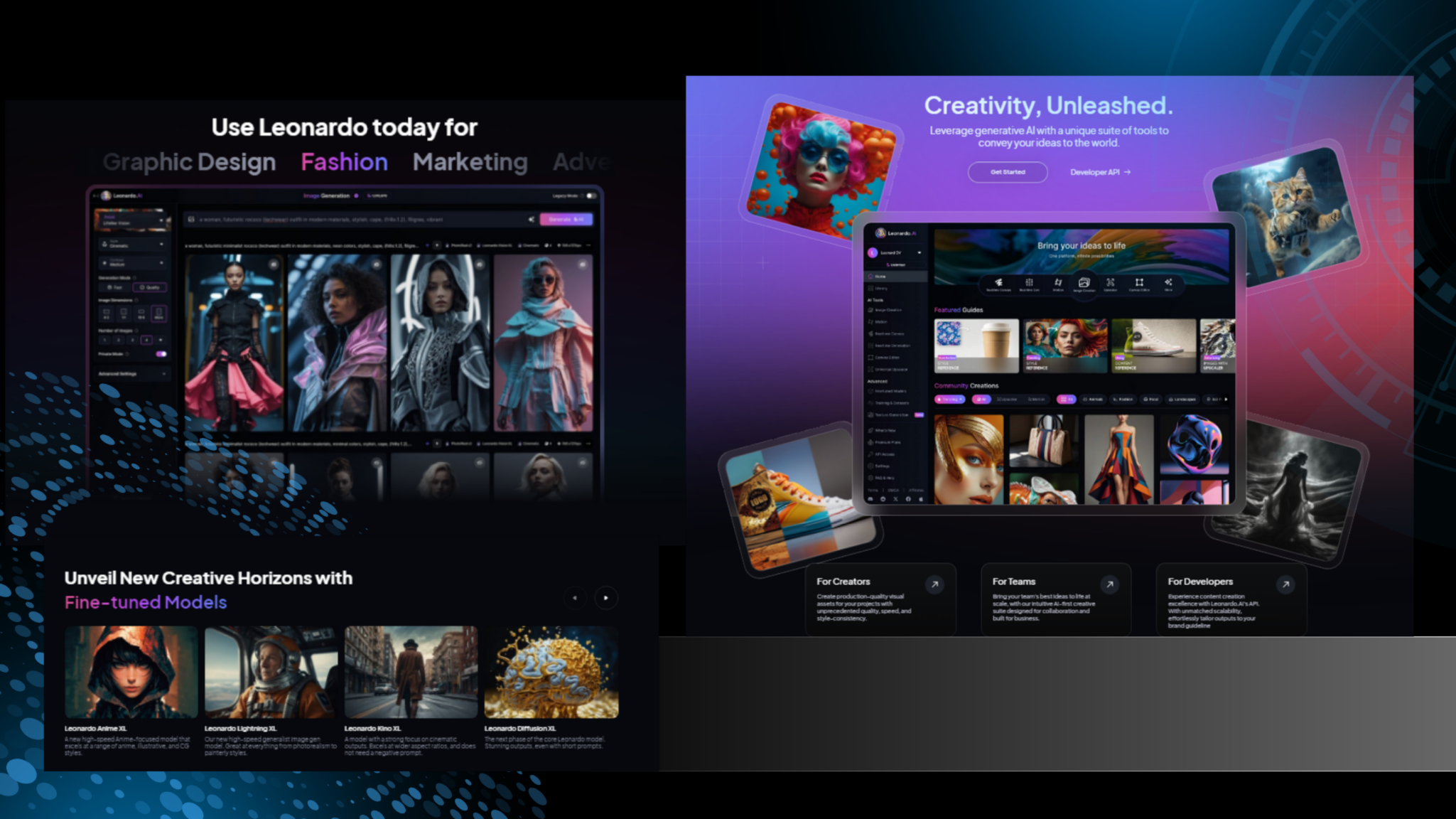
How Leonardo.Ai Empowers Creators with Smart AI Design and Marketing Solutions

Leonardo.Ai worldstan.com

Discover how Leonardo.Ai is revolutionizing the world of marketing and design by blending human creativity with generative AI—empowering creators, brands, and businesses to produce professional, personalized, and high-impact visuals faster than ever before.

Introduction To Leonardo.Ai:

In today’s dynamic digital landscape, creativity and speed define success. Marketers, designers, and creators must constantly deliver fresh, high-quality visuals and campaigns that resonate with their audiences. Leonardo.Ai emerges as a next-generation AI creative platform that bridges imagination and innovation. Through intelligent automation and generative AI, it enables users to produce professional-grade visuals, ads, and branded assets in record time—transforming how teams ideate, design, and execute their marketing strategies.

Accelerating the Creative Process

Leonardo.Ai is built to simplify and enhance the marketing workflow. Whether it’s crafting landing page visuals, developing ad creatives, or generating social media content, the platform empowers teams to move from concept to production seamlessly. Its advanced AI marketing tools allow creators to generate design assets within minutes, ensuring faster project turnaround and consistent brand quality.

With features like image generation, editing, and upscaling, Leonardo.Ai helps marketing teams maximize their creative potential without inflating budgets. It combines automation with precision, ensuring every campaign delivers impact while saving time and resources.

Elevating Marketing and Advertising Performance

In a world where personalization drives engagement, Leonardo.Ai redefines advertising. Users can design customized banners, graphics, and videos that align perfectly with brand identity and audience expectations. The platform’s automated A/B testing capability allows marketers to generate and compare multiple ad versions instantly, helping them identify high-performing creatives and optimize campaigns in real time.

By merging artificial intelligence with human creativity, Leonardo.Ai ensures that every visual connects emotionally and strategically with its audience—enhancing ROI and maintaining authenticity across all marketing channels.

Personalization at Scale

Generic stock imagery no longer meets the expectations of modern audiences. Leonardo.Ai empowers creators to generate custom visuals on demand, enabling businesses to maintain unique, brand-aligned content at scale. With its powerful AI-driven design system, marketers can create distinctive visuals that capture their brand’s tone, values, and storytelling style.

This combination of personalization and scalability allows businesses to communicate more effectively while maintaining creative integrity across campaigns.

From Concept to Production

Leonardo.Ai helps bridge the gap between brainstorming and execution. The platform allows creators to visualize ideas, experiment with multiple directions, and finalize production assets effortlessly. Its intuitive interface requires no coding knowledge—making it accessible to marketers, designers, and creative directors alike.

The platform’s tools enhance concept visualization and streamline the production process, empowering teams to deliver polished content on time and within budget.

Continuous Learning Through Leonardo Learn

Leonardo Learn serves as an educational hub for users of all experience levels. It offers tutorials, webinars, and expert sessions designed to help individuals and teams deepen their understanding of AI-powered creativity. From newcomers exploring generative design to professionals refining their workflows, this learning platform supports users in mastering the full potential of Leonardo.Ai.

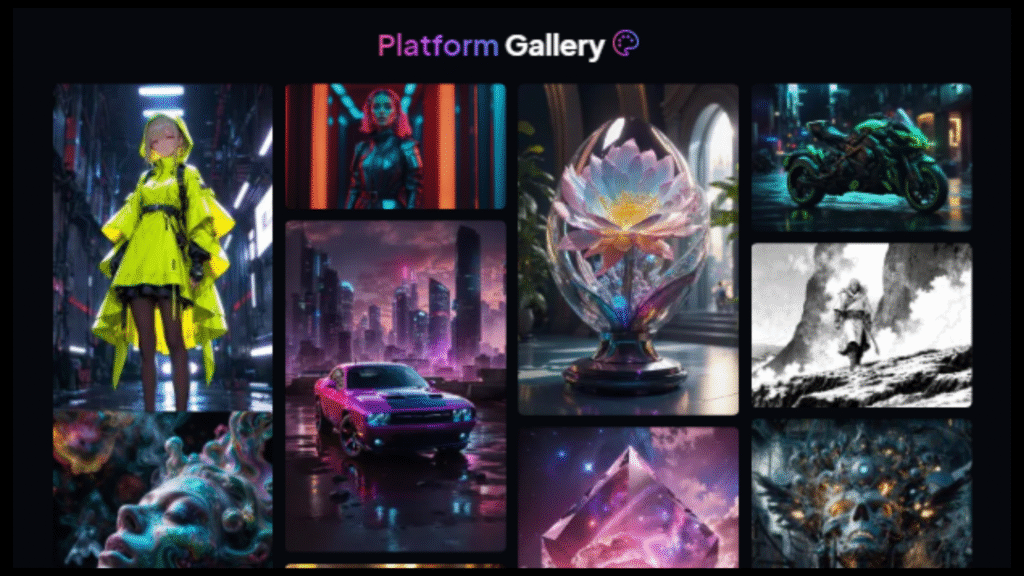
Leonardo.Ai image worldstan.com

What Makes Leonardo.Ai Unique

Leonardo.Ai distinguishes itself through the perfect blend of technology and creative freedom. Rather than automating artistry, it enhances it. The system’s backend supports model fine-tuning, fast training speeds, and advanced image processing, ensuring optimal results across all creative applications. Features such as multi-image prompting, superior upscaling, and refined rendering help minimize common issues like image degradation, ensuring consistently high-quality outputs.

Regular updates and performance improvements ensure that creators always have access to cutting-edge innovation and tools that evolve alongside industry trends.

Flexible Access for All

Leonardo.Ai offers both free and premium plans to accommodate diverse user needs. The free plan includes daily creative tokens for experimentation, while paid subscriptions provide faster generation speeds, higher limits, and access to exclusive professional tools. This flexibility allows individuals, studios, and enterprises to scale their creative capacity according to their project demands.

AI Creativity Without Coding

Designed with accessibility in mind, Leonardo.Ai eliminates the need for technical expertise. Its intuitive interface allows anyone—from solo creators to marketing teams—to generate AI-powered assets effortlessly. Step-by-step tutorials, community engagement, and active user support create an inclusive environment where innovation thrives.

Enterprise Integration and Business Use

For agencies and businesses, Leonardo.Ai offers scalable AI integration to streamline creative operations. It ensures consistent branding, reduces production costs, and accelerates delivery timelines. Whether for B2B marketing visuals, digital advertising, or enterprise-level asset generation, Leonardo.Ai guarantees professional, reliable, and high-quality results that align with brand standards.

Community and Collaboration

Leonardo.Ai’s vibrant community is an integral part of its success. On platforms like Discord and Facebook, creators share experiences, participate in design challenges, and collaborate on innovative projects. Regular workshops and contests keep the community engaged and inspired, fostering growth and creativity across the ecosystem.

Real-World Impact

Creative professionals worldwide are already redefining their workflows with Leonardo.Ai. Australian filmmaker and creative director Lester Francois, known for his cinematic campaigns for major brands, transitioned to AI-driven production during the pandemic. Using Leonardo.Ai, he now develops complete campaign concepts—from moodboards to motion prototypes—without the high costs of traditional production. His work demonstrates how AI can deliver cinematic quality and emotional depth efficiently and affordably.

Similarly, 3D artist Maurizio Gastoni leverages Leonardo.Ai for hybrid workflows that blend traditional techniques with AI-generated creativity. His three-stage process—ideation, execution, and refinement—illustrates how AI tools enhance rather than replace human artistry. By automating technical tasks, Leonardo.Ai allows artists to focus on vision, storytelling, and emotional expression.

Redefining the Future of Creative Production

Leonardo.Ai is more than just a design tool—it’s a complete creative ecosystem that empowers individuals and brands to innovate. By integrating generative AI with human insight, it unlocks new possibilities in marketing, architecture, product design, and digital media.

The future of creativity belongs to those who combine imagination with technology. With Leonardo.Ai, marketers and creators are not just adapting to change—they are leading it.

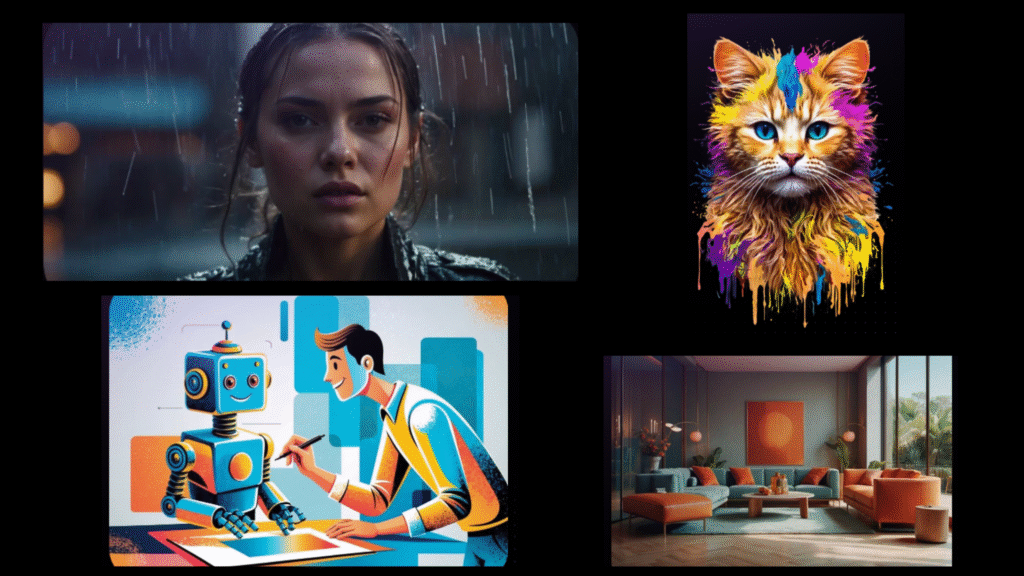
Leonardo.Ai design worldstan.com

AI Design Solutions for Every Need

AI Graphic Design Generator: Create brand-ready visuals and designs for campaigns and digital media.

AI Photography Tools: Generate realistic photos and upscale images with ease.

AI Interior Design: Visualize interior concepts and refine designs virtually.

Print-on-Demand Tools: Convert digital art into print-ready formats for business growth.

AI Architecture Tools: Produce dynamic visualizations and mockups for architectural projects.

Leonardo.Ai transforms creative ambition into achievable results—bridging human imagination with the limitless potential of artificial intelligence.

Conclusion:

Leonardo.Ai stands as a symbol of how technology and imagination can work hand in hand to redefine creativity. It empowers marketers, designers, and businesses to achieve more with less—bridging the gap between ideas and execution through intelligent automation. By offering precision, flexibility, and artistic control, it transforms the way visual content is conceived, produced, and delivered. As creative industries continue to evolve, Leonardo.Ai leads the movement toward a future where human inspiration and artificial intelligence together shape more meaningful, efficient, and limitless possibilities.

Pocket AI Thought Companion Features, Benefits and Real-World Use Cases

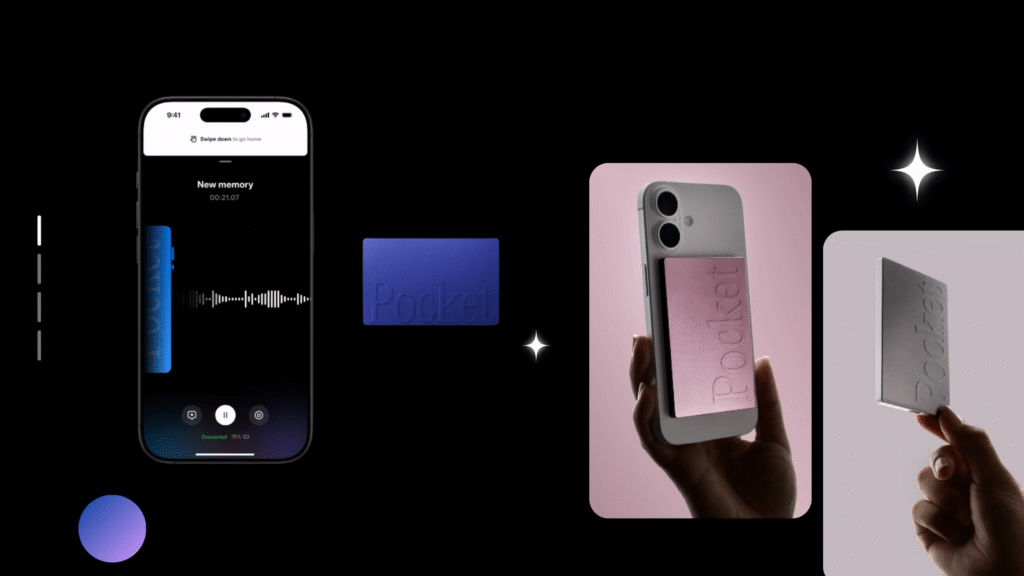
Pocket AI Main image worldstan.com

A new generation of AI productivity devices is emerging, and Pocket leads this shift by offering a screen-free companion designed to capture, organize, and clarify ideas the moment they form.

Pocket AI: Introducing the World’s First AI Thought Companion for Fast-Moving Minds

A new category of personal productivity technology is emerging with the introduction of Pocket, a screen-free AI thought companion designed to support individuals who think, create, and collaborate at pace. Unlike conventional mobile apps and note-taking tools, Pocket functions as a dedicated device that captures spoken ideas instantly and transforms them into structured summaries, action items, and visual mind maps. The device positions itself at the intersection of cognitive augmentation, AI-assisted productivity, and seamless human–technology interaction.

The concept behind Pocket stems from a recognizable challenge in modern workflows: ideas tend to surface when our hands are busy and our attention is divided. Switching between apps, typing notes, or rewatching recordings often disrupts the natural rhythm of thinking. Pocket offers a different approach. The device attaches magnetically to a smartphone using MagSafe or an included mounting ring, enabling users to record thoughts and conversations the moment they arise.

A Screen-Free Productivity Device Built for Clarity

Pocket operates without a screen, a deliberate choice that shifts focus away from visual navigation and toward uninterrupted cognitive flow. It captures audio using a combination of studio-grade microphones and a contact microphone that helps separate speakers clearly during meetings and collaborative discussions. Once recorded, the audio is processed through a model-agnostic AI layer that can draw from systems such as GPT-5, Claude, and Gemini. The system selects the best-performing model for each task, whether summarization, transcription, or idea mapping.

The result is an organized and searchable record of conversations, brainstorming sessions, and personal reflections. Users can tag key insights, revisit discussions, and view dynamic thought structures generated by the device’s mind mapping capabilities.

Designed for Creators, Founders, and Professionals

The device has quickly gained traction among creators, founders, consultants, and individuals whose work depends heavily on ideation, strategic thinking, and time-efficient documentation. Many early users emphasize its ability to enable full presence during meetings and discussions, reducing reliance on manual note-taking. For individuals who brainstorm while walking, driving, or working hands-on, Pocket serves as a reliable AI memory tool that captures thoughts before they slip away.

Customer feedback highlights minimal setup time, stable recording performance, and a design intended to blend into daily routines. With a four-day battery life and onboard storage of 128GB, Pocket supports extended offline use and automatic syncing once a connection is restored.

Privacy and Data Control

Security remains a core component of the device’s value proposition. Pocket employs end-to-end encryption and allows users to store their data locally on the device or on encrypted U.S.-based servers. The platform architecture is open-source, supporting transparency and user trust. Even if the device is misplaced or replaced, users retain access to their captured content through account-based backups.

Pocket AI device features worldstan.com

Key Capabilities

Real-time AI summaries and structured action items in over 120 languages

Speaker-separated audio capture through multi-microphone array

Dynamic mind maps for clearer visualization of complex discussions

Four-day battery life, magnetic attachment, and offline recording

No subscription required for core use, with 300 monthly minutes included free

These features position Pocket as more than a voice recorder. It serves as an integrated AI productivity device that helps users progress from raw thoughts to actionable outcomes.

A Dedicated Device Instead of Just Another App

While many productivity systems operate purely as mobile applications, Pocket’s developers argue that hardware matters. A dedicated device is always available, records without navigating screens, and does not drain a smartphone’s primary resources. This approach aims to eliminate common friction points that lead to missed insights and fragmented ideas.

Pocket is compatible with both iOS and Android devices through the companion app available in their respective app stores. The device currently ships within the United States, with an estimated delivery window of 7 to 10 business days. Global expansion is planned as production capacity increases.

Looking Ahead: Thought Technology as a New Category

Pocket represents the early stage of what may become a broader movement toward cognitive augmentation tools: devices that help individuals think more clearly, organize more effectively, and engage more deeply with their work. In environments where speed and clarity are increasingly decisive, a system that simplifies idea capture and meaning-making can become a competitive advantage.

As workflows continue shifting toward distributed collaboration and rapid ideation cycles, devices like Pocket may influence new norms in note-taking, meeting culture, and personal knowledge management. For many early adopters, the value is straightforward: Pocket preserves the ideas that come when inspiration strikes.

Conclusion:

Pocket marks a shift in how personal ideas and professional conversations are captured and transformed into meaningful output. By combining dedicated hardware with advanced AI summarization, transcription, and visualization capabilities, it redefines the role of a note-taking device in modern workflows. Its screen-free design encourages uninterrupted thinking, while its secure, model-agnostic software infrastructure ensures both flexibility and privacy. As digital productivity tools continue to evolve, Pocket stands out as an example of how technology can support human cognition rather than replace it, enabling individuals to work with greater clarity, intention, and focus.

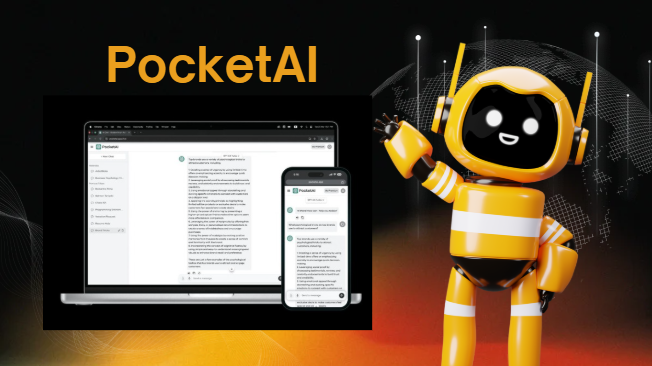
PocketAI App: AI Writing, Image and Task Generator

pocketai worldstan.com

Discover how PocketAI is transforming everyday productivity with its all-in-one AI platform—combining writing, image generation, and smart assistance to simplify work, study, and creativity in one seamless experience.

pocket ai intro features worldstan.com

Introduction

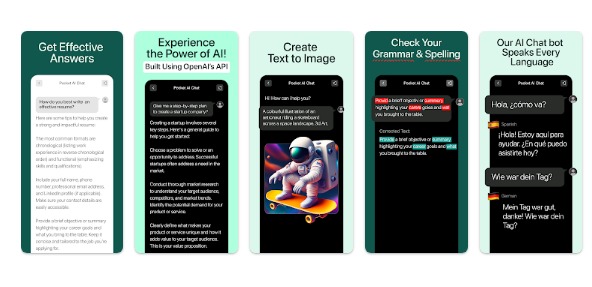
Imagine carrying a powerful personal assistant in your pocket—one that helps you write an email, solve a math equation, brainstorm a logo idea or generate a striking image. That is exactly what PocketAI offers. It is an all-in-one AI platform designed to bring advanced artificial intelligence tools into everyday use, whether you are a student, a professional or a creative explorer. With PocketAI you gain access to writing assistance, image generation, project-planning support and more — all in one place with fewer subscriptions, less hassle and a fair price.

Founding History

PocketAI first emerged as a mobile application offering advanced chatbot capabilities powered by generative AI models. Within the App Store description, it is marketed as “the best GPT-4 AI assistant in your pocket” capable of writing content, generating images and solving problems.

While the precise founding team and company background are less publicly documented, it is clear that the product evolved in an era where users demanded mobile-friendly, versatile AI tools.
As reviews indicate, PocketAI now supports multiple platforms (iOS, Android, desktop via WebCatalog) and integrates GPT-4 Turbo, document processing and art generation.

The transition from simple chatbot to full-suite AI platform reflects a broader trend in which AI tools are bundled into one “productivity + creativity” offering for everyday users and professionals alike.

Features

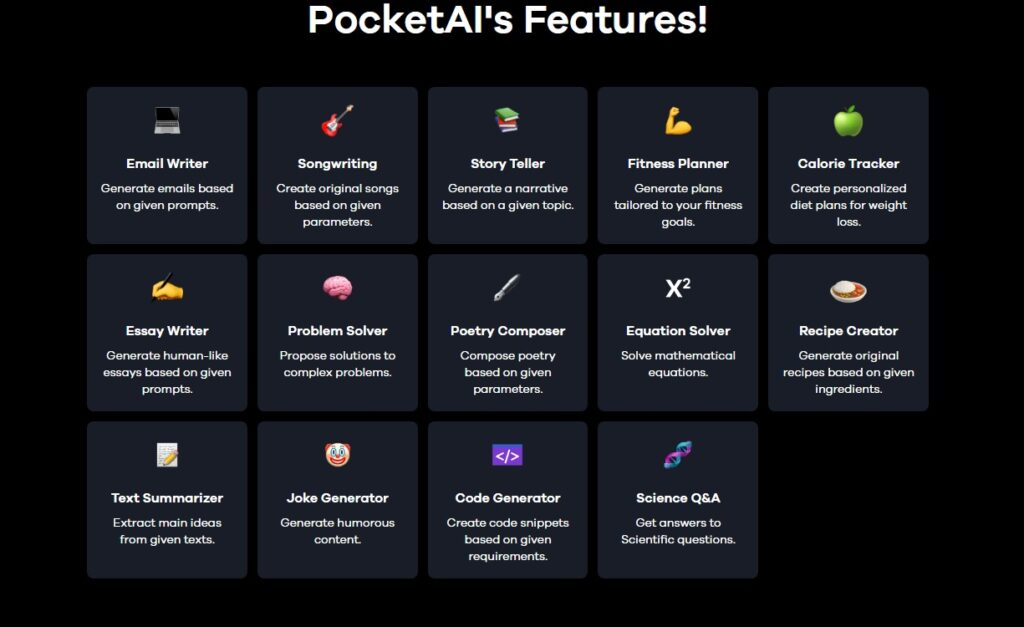
PocketAI stands out through a combination of features designed to support productivity, creativity and flexibility. Here are some of its key capabilities:

pocketai features worldstan.com


  • Writing and productivity assistance: Whether you want to draft a professional email, generate a report or summarise a complex topic, PocketAI offers natural-language generation tools powered by advanced models.
  • Image creation and design support: You can describe an idea and turn it into an image—be it a logo, an avatar or a realistic portrait. In the app description this is explicitly mentioned.
  • Multi-platform accessibility: The service is available on smartphones (iOS and Android) and via desktop (WebCatalog wrapper) so you can use it wherever you are.
  • Affordability and bundled value: Compared to using several different apps or subscriptions for writing, design and productivity, PocketAI offers many tools in one place. According to reviews, starting plans begin around US$4.99/month.
  • Ease of use for work and education: Users report that the app is mobile-friendly, lightweight and effective for both school assignments and work tasks.
  • Customization and advanced model integration: The platform supports GPT-4 Turbo, GPT-3.5, and offers document uploading, image-generation, and over 160 expert-prompts built into the interface.

Together, these features position PocketAI as a versatile AI assistant that supports everyday tasks—from writing and planning to creativity and problem-solving.


Conclusion

In summary, PocketAI is a compelling choice for anyone looking to boost productivity, enrich creativity and streamline workflow—all from a single AI platform. It emerged in response to the growing demand for mobile-friendly, powerful yet affordable AI tools. Its combination of text-generation, image-creation, multi-platform support and value-pricing gives it a strong proposition for students, professionals and creatives alike. If you’re seeking an intelligent companion that helps you write smarter, design faster and think clearer, PocketAI could well be the right fit.

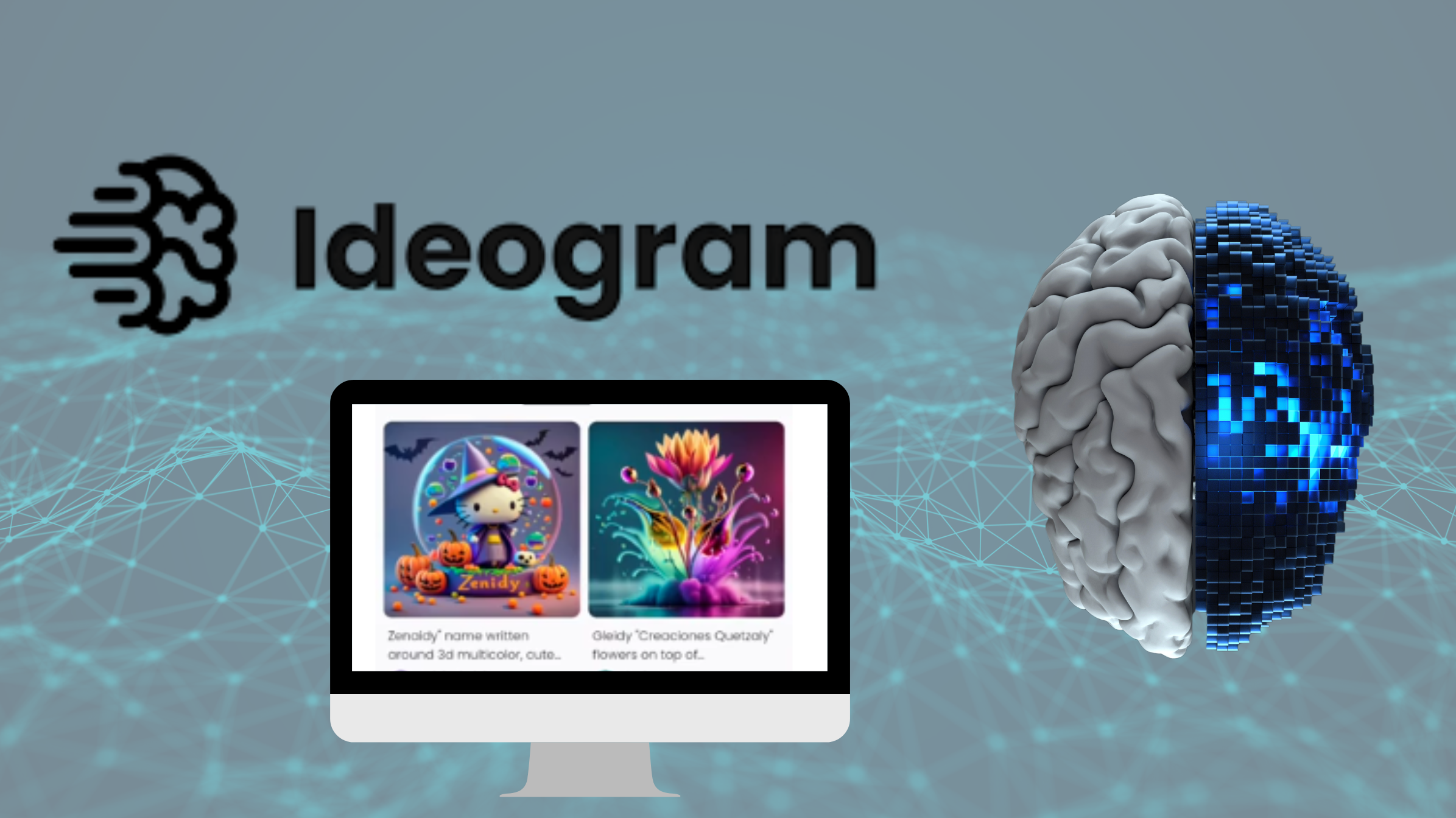
Ideogram AI: The Future of Text to Image Generation

Ideogram AI worldstan.com

This article examines the evolution of Ideogram AI, a pioneering text-to-image generation platform that merges artificial intelligence with creative design, exploring its history, key model updates, features, and growing impact on digital art and visual communication.

Introduction:

Ideogram AI, developed by Ideogram, Inc., represents one of the most significant advancements in generative AI technology. Designed as a freemium text-to-image model, it harnesses deep learning methodologies to create high-quality digital images from natural language descriptions known as prompts. What sets Ideogram apart from other AI image generators is its exceptional ability to generate legible and stylistically accurate text within images—a challenge that has long limited similar tools like DALL-E, Stable Diffusion, and Midjourney. With each version, Ideogram AI continues to redefine the boundaries of AI-driven creativity, offering new opportunities for designers, advertisers, and digital artists worldwide.

Origins and Early Development

Ideogram, Inc. was established in 2022 by a group of leading AI researchers and innovators: Mohammad Norouzi, William Chan, Chitwan Saharia, and Jonathan Ho. These founders, known for their prior work in machine learning and image synthesis, set out to create a model capable of producing precise and contextually relevant visuals with readable embedded text. Their shared vision was to overcome one of the persistent weaknesses in existing AI image generation tools—handling textual content within images.

The company’s mission quickly attracted attention from global investors, and by August 2023, Ideogram had released its initial version, known as Ideogram 0.1. This release followed a successful seed funding round that raised $16.5 million, led by major venture capital firms Andreessen Horowitz and Index Ventures. The early model impressed users with its creative flexibility and text-handling ability, positioning Ideogram as a strong competitor in the rapidly growing generative AI industry.

Growth and Advancements

Building upon the success of its early release, Ideogram continued to improve its algorithms, data architecture, and rendering precision. In February 2024, the company launched its 1.0 model alongside an $80 million funding round, marking a major milestone in its growth. This version brought a significant boost in image clarity, text generation accuracy, and style control, making it particularly appealing for marketing, advertising, and design professionals who require both creativity and accuracy in visuals.

During the summer of 2024, Ideogram welcomed Aidan Gomar to its team, further strengthening its leadership and research capacity. By August 2024, Ideogram introduced the 2.0 model, which expanded its stylistic versatility by including multiple rendering modes such as realistic, 3D, design, and anime. This update also improved text generation quality, allowing users to produce intricate logos, posters, and social media graphics where typography played a central role.

The 2a and 3.0 Model Breakthroughs

In February 2025, Ideogram unveiled the 2a model, a version specifically optimized for speed and efficiency in professional environments like graphic design and photography. This release focused on reducing latency, improving output consistency, and catering to designers who need rapid iterations without compromising on quality.

Just a month later, in March 2025, the company announced its most advanced release to date—the Ideogram 3.0 model. This version introduced enhanced realism, more accurate texture rendering, and a deeper understanding of complex text layouts. While it continued to face limitations in creating ambigrams and mirrored text, it was widely recognized as one of the most capable AI image generation models on the market.

Distinctive Features and Capabilities

What distinguishes Ideogram AI from other generative AI tools is its focus on text comprehension and integration within images. Most AI image generators, such as Midjourney, DALL-E, Stable Diffusion, and Adobe Firefly, have historically struggled to render readable text elements. Ideogram’s architecture overcomes this barrier by combining advanced language modeling with visual pattern recognition.

Among its most praised features are:

  • Accurate Text Rendering: Ideogram generates legible and stylistically cohesive text, making it ideal for use in branding, advertising, and content creation.
  • Multimodal Style Support: The platform supports multiple creative modes such as realistic, 3D, anime, and design aesthetics.
  • Prompt Precision: Its refined prompt interpretation allows users to describe complex visual concepts and textual arrangements with high accuracy.
  • Optimized Performance: The 2a model introduced faster rendering times and better adaptability for graphic design workflows.
  • Realism and Detail: The 3.0 model enhances image depth, texture realism, and contextual understanding, improving overall visual coherence.

These advancements have positioned Ideogram AI as a preferred tool among professionals seeking efficient, AI-powered design capabilities.

Ideogram and the AI Art Industry

The launch and evolution of Ideogram coincide with the ongoing expansion of the AI art industry. With platforms like DALL-E, Midjourney, Stable Diffusion, and Google Imagen leading innovation in text-to-image generation, Ideogram has carved a unique niche by excelling at text synthesis within visuals—a key demand in modern advertising and digital design.

Generative AI tools are now widely used in marketing, film production, architecture, and content creation. Ideogram AI contributes to this ecosystem by empowering creators to turn detailed written ideas into visually compelling imagery without technical design skills. Its text precision makes it particularly valuable for logo design, brand campaigns, and social media assets that require both artistic and linguistic accuracy.

Challenges and Ethical Considerations

Like other major players in the AI image generation field, Ideogram faces questions surrounding AI bias, copyright protection, and ethical usage. The company has emphasized transparency and responsible innovation, implementing guidelines to prevent misuse and ensuring that user-generated content aligns with legal and creative standards.

AI models are often trained on massive datasets sourced from the internet, which can raise concerns about intellectual property and the inclusion of copyrighted material. In the broader context, competitors like Midjourney and Stability AI have already faced lawsuits over copyright infringement. As Ideogram continues to grow, it will likely face similar scrutiny, prompting discussions about fair use, data sourcing, and artist consent in the AI art industry.

The company’s developers have also focused on minimizing representational bias within its model outputs. Generative AI tools are known to sometimes produce skewed results when depicting gender, ethnicity, or culture. Ideogram’s research teams are actively working to address these issues through dataset refinement and ethical model training frameworks.

The Role of Ideogram in the Creative Ecosystem

Ideogram AI’s influence extends far beyond simple image generation. It represents a shift in how creativity is perceived and executed in the digital age. By bridging the gap between human imagination and machine interpretation, it enables professionals and amateurs alike to visualize complex ideas instantly.

The platform is increasingly integrated into creative workflows across industries such as:

  • Graphic Design: Ideogram allows rapid creation of marketing materials, posters, and brand visuals.
  • Advertising: Its high-quality text rendering is ideal for promotional content and social media advertising.
  • Film and Media Production: Storyboard artists and concept designers use it to prototype visual ideas quickly.
  • Education and Research: Educators use Ideogram AI to demonstrate visual storytelling, AI ethics, and computational creativity.

This democratization of design has reshaped creative industries, making professional-grade visuals accessible to everyone, regardless of artistic skill level.

Comparisons with Other AI Image Generators

When compared to other leading AI image generation platforms, Ideogram consistently stands out for its accuracy in handling textual elements and structured layouts.

  • Ideogram vs Midjourney: While Midjourney excels in artistic and cinematic styles, Ideogram provides more accurate and legible text output suitable for commercial use.
  • Ideogram vs DALL-E: DALL-E focuses on versatility and compositional creativity, whereas Ideogram emphasizes typography and graphic design precision.
  • Ideogram vs Stable Diffusion: Stable Diffusion offers open-source flexibility, but Ideogram delivers higher coherence in text and branded content generation.
  • Ideogram vs Adobe Firefly and Google Imagen: These enterprise-oriented tools integrate with design ecosystems, yet Ideogram’s unique text-to-image specialization continues to attract creative professionals seeking focused control over typographic and layout-based design.

The Future of Ideogram AI

As of 2025, Ideogram continues to advance rapidly in its research and development efforts. With each model release, the company refines its neural architecture, expands its stylistic range, and strengthens its position in the generative AI industry. The upcoming versions are expected to integrate more multimodal capabilities, combining text, image, and video synthesis into a single creative framework.

The company’s ongoing commitment to responsible innovation and user-centric design ensures that Ideogram AI will remain a major contributor to the evolution of AI-driven creativity. Future updates may include greater control over image composition, enhanced realism, and possibly the introduction of collaborative tools for team-based design environments.

Conclusion

Ideogram AI stands at the forefront of the AI art revolution, bridging language and imagery with precision and creativity. From its early versions to the advanced Ideogram 3.0 model, the platform has consistently redefined what’s possible in text-to-image generation. Its powerful features, such as accurate text rendering, multiple style modes, and prompt comprehension, have made it a cornerstone for creators and businesses alike.

As the demand for AI-generated art, design, and visual storytelling continues to grow, Ideogram’s dedication to technological refinement and ethical development positions it as a key innovator in the generative AI landscape. Whether used for advertising, design, or content creation, Ideogram AI demonstrates the remarkable potential of artificial intelligence to empower imagination and transform visual communication in the digital era.