How Reddit Shaped Online Communities: History, Challenges, and Achievements

How Reddit Shaped Online Communities History, Challenges, and Achievements June 15, 2025 by worldstan.com https://worldstan.com/how-reddit-shaped-online-communities-history-challenges-and-achievements/
  • When was Reddit established and where is it headquartered?
  • What is Reddit’s user base and what is it known for?
  • Who are the co-founders of Reddit?
  • Can you describe Reddit Sans?
  • What were the early developments of Reddit?
  • When was Reddit acquired by Condé Nast Publications?
  • Who assumed the role of CEO in 2012?
  • When did Reddit go public and what was its initial market performance?
  • In which countries has Reddit faced access restrictions?
  • How does Reddit generate revenue?
  • How many active subreddits are there as of July 2018?
  •  What is the autonomy of subreddit moderators?
  • What notable policy shifts has Reddit undergone?
  • What are some challenges related to misinformation on Reddit?
  • Can you name some controversies Reddit has faced regarding content moderation?
  • When was Reddit banned in Russia and why?
  • When was Reddit’s IPO launched and at what price per share?
  • How does Reddit handle challenges related to echo chambers?
  • Who are some key figures in Reddit’s management?
  • Can you describe Reddit’s revenue model?

Introduction To Reddit:

Established in the United States in 2005, Reddit has evolved into a thriving online community and discussion platform, garnering a robust user base of 500 million individuals. Renowned for its diverse range of user-generated content and discussions, Reddit has become a hub for sharing information, opinions, and engaging in conversations on various topics. Impressively, the platform witnesses daily participation from 52 million users, underscoring its role as a dynamic and continuously evolving space for connecting people, sharing ideas, and exploring a multitude of interests within the digital realm.

Regions of Operation: Globally available, with the exceptions of Indonesia (where it’s accessible without DNS settings) and China.

Ownership Structure:

  • Advance Publications holds a 30% stake.
  • Tencent owns an 11% share.
  • Sam Altman possesses 9%.

Creators:

  • The platform was co-founded by Steve Huffman, Aaron Swartz, and Alexis Ohanian.

Introducing Reddit Sans:

 Tailored for the digital realm, it embraces clear and accessible letterforms while preserving the cozy, diverse essence of online conversations. Infused with humanist traits, its letter shapes enhance character distinction beyond mere geometric designs.

Versatility is key in Reddit Sans, boasting a generous x-height for effortless readability and distinct letterforms for swift recognition.

History of Reddit:

Origin and Early Development

The concept of Reddit originated from a lecture attended by Steve Huffman and Alexis Ohanian in 2005. This led to the creation of the startup incubator Y Combinator, where their initial idea, My Mobile Menu, transitioned into the inception of Reddit. The platform was launched in June 2005, initially coded by Huffman in Common Lisp.

Evolution and Expansion

Reddit’s team expanded with the inclusion of Christopher Slowe in November 2005. The company merged with Aaron Swartz’s Infogami, resulting in significant software rewrites and the adoption of Python. Despite facing challenges, this transition contributed to Reddit’s technical advancement and broader impact on web development.

Acquisition and Growth

In October 2006, Reddit was acquired by Condé Nast Publications, prompting a move to San Francisco. Leadership changes followed, with departures of key figures and subsequent returns, shaping the platform’s trajectory. Various initiatives, including the introduction of advertising and Reddit Gold benefits program, fueled Reddit’s growth and operational independence.

Leadership Shifts and Strategic Moves

Yishan Wong assumed the role of CEO in 2012, overseeing pivotal changes and expansions. Ellen Pao’s tenure marked significant policy implementations and community-focused initiatives. Ohanian and Huffman’s return in 2014 reinvigorated Reddit’s leadership, leading to product enhancements, redesigns, and technological advancements.

Financial Developments and Partnerships

Reddit’s financial journey included rounds of funding, strategic acquisitions, and partnerships. Notable milestones include the integration of Dubsmash’s video tools, appointment of a Chief Financial Officer, and a landmark partnership with Google, highlighting the platform’s evolving ecosystem and market positioning.

Initial Public Offering and Market Performance

In March 2024, Reddit embarked on its initial public offering (IPO), aiming for a valuation of up to $6.4 billion. The IPO opened at $34 per share, surpassing expectations with a market cap of $9.5 billion on its first day of trading, symbolizing Reddit’s journey from inception to a prominent player in the digital landscape.

Timeline

Events

November 2005

Christopher Slowe joins Reddit’s team.

November 2005 – January 2006

Reddit merges with Aaron Swartz’s company Infogami, resulting in significant software rewrites. Swartz becomes an equal owner of the resulting parent company.


Swartz helps rewrite Reddit’s software using web.py, a web framework he developed.


The switch from Lisp to Python is driven by a desire for simplicity, maintainability, and performance.


Despite criticism, the change to Python influences Reddit’s technical evolution and inspires other frameworks.

October 31, 2006

Huffman and Ohanian sell Reddit to Condé Nast Publications for a reported $10 million to $20 million. The team relocates to San Francisco.

November 2006

Swartz voices discontent with the corporate environment.

January 2007

Swartz is fired for undisclosed reasons.

2009

Huffman and Ohanian depart from Reddit.


Reddit launches sponsored content and a self-serve ads platform.

July 2010

Reddit Gold benefits program is launched.

September 6, 2011

Reddit becomes operationally independent of Condé Nast, operating as a separate subsidiary of Advance Publications.

January 18, 2012

Reddit participates in a sitewide blackout in protest of the Stop Online Piracy Act.

May 2012

Reddit joins the Internet Defense League.

2012

Yishan Wong joins Reddit as CEO.

2013

Reddit begins accepting Bitcoin for Reddit Gold subscription.

2014

Ellen Pao replaces Wong as interim CEO.

2015

Huffman returns as CEO after Pao’s departure.

November 2014

Ohanian becomes full-time executive chairman.

April 2018

Reddit undergoes a major website redesign.


Technological improvements include new tools for curbing online harassment and implementing content guidelines.

2017

Reddit raises $200 million in funding.

June 5, 2020

Ohanian resigns from the board.

December 13, 2020

Reddit acquires Dubsmash.

March 5, 2021

Drew Vollero is appointed as Reddit’s first Chief Financial Officer.

December 2021

Reddit confidentially files for an IPO.

June 2022

Reddit acquires MeaningCloud.

September 2022

Reddit acquires Spiketrap.

April 2023

Fidelity devalues its investment in Reddit.

June 2023

BlackCat hacker gang breaches Reddit’s systems.

February 2024

Reddit partners with Google.

March 2024

Reddit targets a valuation of up to $6.4 billion in its IPO.

March 20, 2024

Reddit’s IPO opens at $34 per share.


Reddit goes public on the New York Stock Exchange at $47 per share, reaching a market cap of $9.5 billion on its first day of trading.

Untitled Design 1 1 1024x427

Subreddits:

Organized Discussions

Subreddits, officially termed communities, serve as user-created hubs for organized discussions on Reddit. As of July 2018, there are approximately 138,000 active subreddits among a total of 1.2 million.

Naming and Diversity

Subreddit names typically commence with “r/”; for instance, “r/science” focuses on scientific publications, “r/gaming” delves into video games, and “r/worldnews” facilitates discussions on global news articles.

Community Empowerment

In a 2014 interview with Memeburn, Erik Martin, Reddit’s then-general manager, emphasized empowering community moderators or curators. This approach allows them significant control to shape and foster communities according to their preferences.

Visual Identity

Subreddits often adopt themed variations of Reddit’s alien mascot, Snoo, in their visual styling. These variants contribute to the unique identity and atmosphere of each community.
Untitled Design 2 1 1024x464

Company Overview:

Reddit, headquartered in San Francisco with an office in the Mid-Market neighborhood, is a public company. Initially owned by Condé Nast, it transitioned to independence, with Advance Publications retaining a majority stake.

Growth and Valuation

In 2017, Reddit experienced significant expansion, doubling its headcount and raising $200 million in venture funding, valuing the company at $1.8 billion. By August 2021, its valuation surpassed $10 billion following a $410 million funding round.

Leadership

Key figures in Reddit’s management include co-founder and CEO Steve Huffman, Chief Technology Officer Chris Slowe, and Chief Operating Officer Jen Wong, bringing diverse expertise to the company.

Revenue Model

While Reddit does not disclose revenue figures, it generates income through advertising and premium memberships, offering an ad-free experience to subscribers.

Company Culture

Reddit fosters a unique company culture, with policies such as a no-negotiation approach to salaries and generous parental leave policies, reflecting its commitment to employee well-being.

Initial Public Offering

Reddit’s journey toward an initial public offering (IPO) began with filing a draft registration statement with the SEC in December 2021. The company made its long-awaited debut on the stock market on March 21, 2024, following careful deliberation about the timing of its IPO.

Countries Enforcing Reddit Bans:

Reddit has faced blocks in several countries due to government-imposed internet censorship.

As of October 2023, Reddit is subject to access restrictions in Indonesia, China, North Korea, Turkey, and is partially restricted in Bangladesh.

 In Russia, the platform was blocked in 2015 due to discussions on psychedelic drugs but was later unblocked.

Indonesia

Since May 2014, the Ministry of Communication and Information Technology in Indonesia has blocked Reddit due to concerns about nudity in hosted content.

Russia

In August 2015, Reddit was banned in Russia following discussions on psychedelic drugs. The ban was enforced by the Roskomnadzor citing content related to growing magic mushrooms. Despite previous requests to remove drug-related posts, Reddit remained unresponsive. However, the block was lifted later.

China

In June 2015, China briefly blocked Reddit, later unblocking it. However, it was blocked again in August 2018 and has remained inaccessible as of September 2021.

India

In 2019, there were reports of intermittent blocking of Reddit traffic by ISPs in certain regions of India.

Reddit's Landscape: Autonomy, Controversies, and Policy Changes

Overview of Content Moderation and Subreddit Autonomy

Reddit allows subreddit moderators significant leeway in content management within their communities, provided they adhere to the platform’s overarching rules. This autonomy has fostered a rich diversity of content, albeit not without controversy.

Moderation Practices Across Subreddits

  • Science Subreddit: Implements a ban on climate change denialism.
  • News Subreddit: Prohibits opinion pieces and columns to maintain a factual standard.

Evolution of Reddit’s Editorial Policies

Reddit has periodically revised its site-wide policies, often in response to specific controversies, balancing freedom of expression with the need to curb harmful content.

Notable Policy Shifts

  • Prohibition of Content: A notable pivot was the banning of content deemed “suggestive or sexual” involving minors, a response to media scrutiny over the sharing of “jailbait.”
  • Anti-Doxxing Measures: The platform instituted stringent measures against doxxing following incidents of internet vigilantism.

Challenges of Misinformation and Echo Chambers

Reddit’s structure, prioritizing user anonymity and decentralized moderation, makes it susceptible to misinformation and the reinforcement of echo chambers.

The Misinformation Dilemma

  • Users are advised to approach unsourced, user-created content with skepticism due to the platform’s vulnerability to spreading misinformation and disinformation.

Highlighted Controversies:

Misidentification During the 2013 Boston Bombing

The platform faced backlash for the wrongful identification of bombing suspects, leading to a public apology from Reddit’s general manager for the harm caused by speculative online witch hunts.

Leadership Changes and Subreddit Bans in 2015

  • The platform saw significant controversy under CEO Ellen Pao, culminating in the shutdown of several subreddits for harassment, a decision that polarized the Reddit community.
  • AMAgeddon: A massive blackout protest by subreddit moderators following the dismissal of a key administrator, highlighting tensions between Reddit’s administration and its volunteer moderators.

2023 API Controversy

Reddit announced plans to monetize its API, leading to widespread protest from the community and third-party developers, underscoring ongoing tensions between Reddit’s administration and its user base.

Other Noteworthy Controversies

  • Celebrity Photo Hack (2014): The dissemination of private celebrity photos led to the banning of the subreddit “TheFappening.”
  • SonyGOP Ban (2014): Reddit was criticized for banning a subreddit used to distribute hacked Sony files, raising questions about the balance between censorship and privacy.
  • Allegations of Secret Documents and Privacy Concerns (2016): Reddit faced scrutiny over its handling of sensitive information and its implications for user privacy.
  • Pizzagate (2016): The banning of a subreddit dedicated to a debunked conspiracy theory highlighted the platform’s stance against misinformation and doxxing.
  • Alt-Right and Hate Speech Policies (2017-2020): Reddit’s evolving approach to hate speech and its enforcement against communities violating these policies reflected broader societal debates about free speech and online conduct.
  • Capitol Riot and GameStop Short Squeeze (2021): Reddit’s role in significant political and financial events underscored its influence and the complexities of moderation on a platform that prides itself on user autonomy.

Conclusion:

Reddit’s journey from its inception to its current stature reflects a rich history of innovation, evolution, and strategic growth. Originating from humble beginnings as a startup idea incubated at Y Combinator, Reddit swiftly transitioned into a pioneering platform for online discourse, driven by the vision of its co-founders Steve Huffman, Aaron Swartz, and Alexis Ohanian. Through mergers, acquisitions, and strategic partnerships, Reddit navigated the complexities of the digital realm, continuously enhancing its technological infrastructure and expanding its global footprint. The platform’s leadership shifts, marked by notable figures such as Yishan Wong and Ellen Pao, underscored a commitment to innovation and community engagement, paving the way for Reddit’s emergence as a market leader in the online space.

Financial milestones and strategic initiatives have played pivotal roles in Reddit’s trajectory, from rounds of funding and acquisitions to landmark partnerships with industry giants like Google. These developments not only underscore Reddit’s financial resilience but also its strategic foresight in adapting to evolving market trends and user demands. The platform’s recent initial public offering (IPO), exceeding expectations with a market cap of $9.5 billion on its first day of trading, signifies a significant milestone in Reddit’s journey, affirming its position as a prominent player in the digital landscape and a testament to its enduring relevance and value proposition.

Amidst its remarkable growth and success, Reddit has navigated various challenges and controversies, from content moderation dilemmas to policy shifts and community backlash. Yet, through these trials, Reddit has remained steadfast in its commitment to fostering open dialogue, empowering community moderators, and balancing freedom of expression with the need to uphold ethical standards.

As Reddit progresses through its evolutionary journey, it steadfastly upholds its role as a symbol of innovation, diversity, and connectivity within an ever-more interconnected global landscape. Its ongoing evolution serves as a powerful testament to the profound impact that online communities can have and the lasting importance of platforms that foster genuine interaction and the exchange of ideas. In a world where connections are increasingly digital, Reddit stands out as a shining example of how technology can bring people together, facilitate discourse, and drive positive change.

FAQs:

  1. What is Reddit and when was it established?

Established in the United States in 2005, Reddit has grown into a thriving online community and discussion platform, boasting a robust user base of 500 million individuals.

  1. Who are the co-founders of Reddit?

Reddit was co-founded by Steve Huffman, Aaron Swartz, and Alexis Ohanian.

  1. What is the ownership structure of Reddit?

Advance Publications holds a 30% stake, Tencent owns an 11% share, and Sam Altman possesses 9%.

  1. What is Reddit Sans? Reddit Sans is a font tailored for the digital realm, designed to enhance readability and character distinction in online conversations.
  2. Can you provide a brief history of Reddit’s development?

Reddit originated from a lecture attended by Steve Huffman and Alexis Ohanian in 2005. It transitioned from an initial idea called My Mobile Menu to the inception of Reddit, which was launched in June 2005.

  1. How has Reddit evolved over time?

Reddit underwent significant evolution and expansion, including mergers, acquisitions, leadership changes, and technological advancements, shaping its trajectory as a prominent player in the digital landscape.

  1. When did Reddit go public, and what was its initial market performance?

Reddit went public in March 2024, with an initial public offering (IPO) opening at $34 per share. It surpassed expectations, reaching a market cap of $9.5 billion on its first day of trading.

  1. In which countries has Reddit faced access restrictions?

Reddit has faced access restrictions in Indonesia, China, North Korea, Turkey, and Bangladesh due to government-imposed internet censorship.

  1. What controversies has Reddit encountered regarding content moderation?

 Reddit has faced controversies surrounding content moderation, including bans on certain subreddits, policy shifts, and challenges related to misinformation and echo chambers.

  1. How does Reddit generate revenue?

 While Reddit does not disclose revenue figures, it generates income through advertising and premium memberships, offering an ad-free experience to subscribers.

Prof. Mian Waqar Ahmad

Mian Waqar Ahmad

Prof. Mian Waqar Ahmad, a dynamic force straddling the realms of academia and digital media. As a distinguished Lecturer in Information Sciences, he imparts knowledge within the academic sphere, igniting the minds of his students. Beyond the classroom, Prof. Mian Waqar Ahmad dons the hat of a seasoned blogger on Worldstan.com, where his insightful posts delve into the intricacies of information sciences. His digital footprint extends even further as a YouTuber, leveraging the platform to share his expertise and make complex concepts accessible to a global audience. Prof. Mian Waqar Ahmad’s journey embodies the fusion of traditional education and contemporary digital outreach, leaving an indelible mark on the evolving landscape of information sciences. Explore his world at Worldstan.com and witness the convergence of academia and the digital frontier.
Kuaishou Technology: The Rise of China’s Leading Short Video Platform

kuaishou technology the rise of china’s leading short video platform https://worldstan.com/kuaishou-technology-the-rise-of-chinas-leading-short-video-platform/

1. What factors do you think contributed most significantly to Kuaishou’s rapid emergence as a cornerstone in short-form video and social media engagement?

2.How do you perceive the role of Kuaishou in shaping the ever-evolving landscape of digital content creation and consumption, particularly in China?

3.What challenges do you foresee for Kuaishou as it strives to maintain its position as the ultimate destination for diverse and captivating content?

4.How do you believe Su Hua’s continued involvement as an Executive Director impacts Kuaishou’s strategic direction and long-term success?

5.In what ways do you think Cheng Yixiao’s leadership style influences Kuaishou’s day-to-day operations and strategic initiatives?

6.Can you elaborate on the unique features of Kuaishou’s live streaming platform that set it apart from other similar platforms in the market?

 7.How do you think Kuaishou’s emphasis on user participation through the purchase and gifting of virtual items enhances the overall live streaming experience for its users?

8.What advantages do businesses gain from leveraging Kuaishou’s online marketing solutions, particularly in terms of reaching their target demographics?

9.How do you see Kuaishou’s integration of e-commerce functionalities contributing to the evolution of online commerce and consumer engagement?

10.In what ways does Kuaishou’s commitment to fostering learning communities align with its broader mission and values as a digital content platform?

Co-Founder and Chairman:

Su Hua’s Leadership Role at Kuaishou Technology

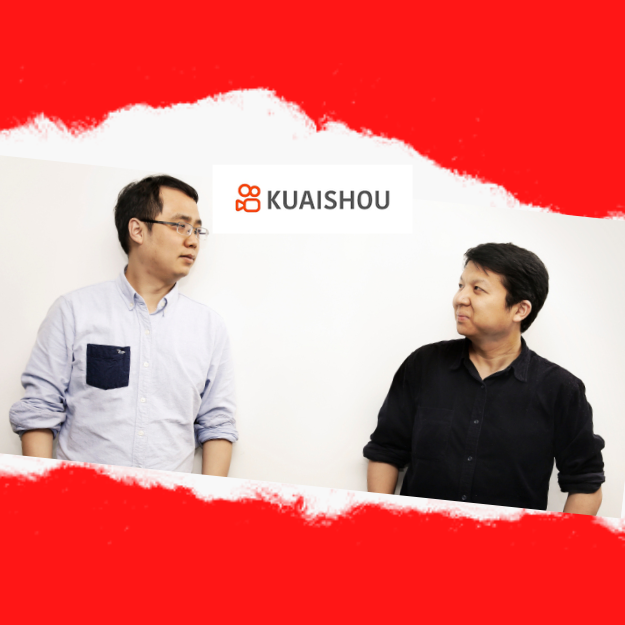
As a Co-Founder and Chairman of Kuaishou Technology, Su Hua plays a pivotal role in shaping the company’s trajectory. Despite stepping down as CEO in October 2021, Su Hua remains deeply involved as an Executive Director, steering the company towards long-term success. His commitment to formulating strategic initiatives and exploring new avenues underscores his enduring influence within the organization.

Cheng Yixiao’s Leadership at Kuaishou Technology

Cheng Yixiao, also a Co-Founder of Kuaishou Technology, currently serves as the CEO, driving the company’s day-to-day operations and strategic initiatives.

Untitled Design

 Appointed to this role in October 2021, Cheng Yixiao oversees various aspects including product supervision, strategic investments, and acquisitions. Additionally, he contributes to the company’s governance as a member of the Nominating Committee and as a director of affiliated companies.

Introduction to Kuaishou:

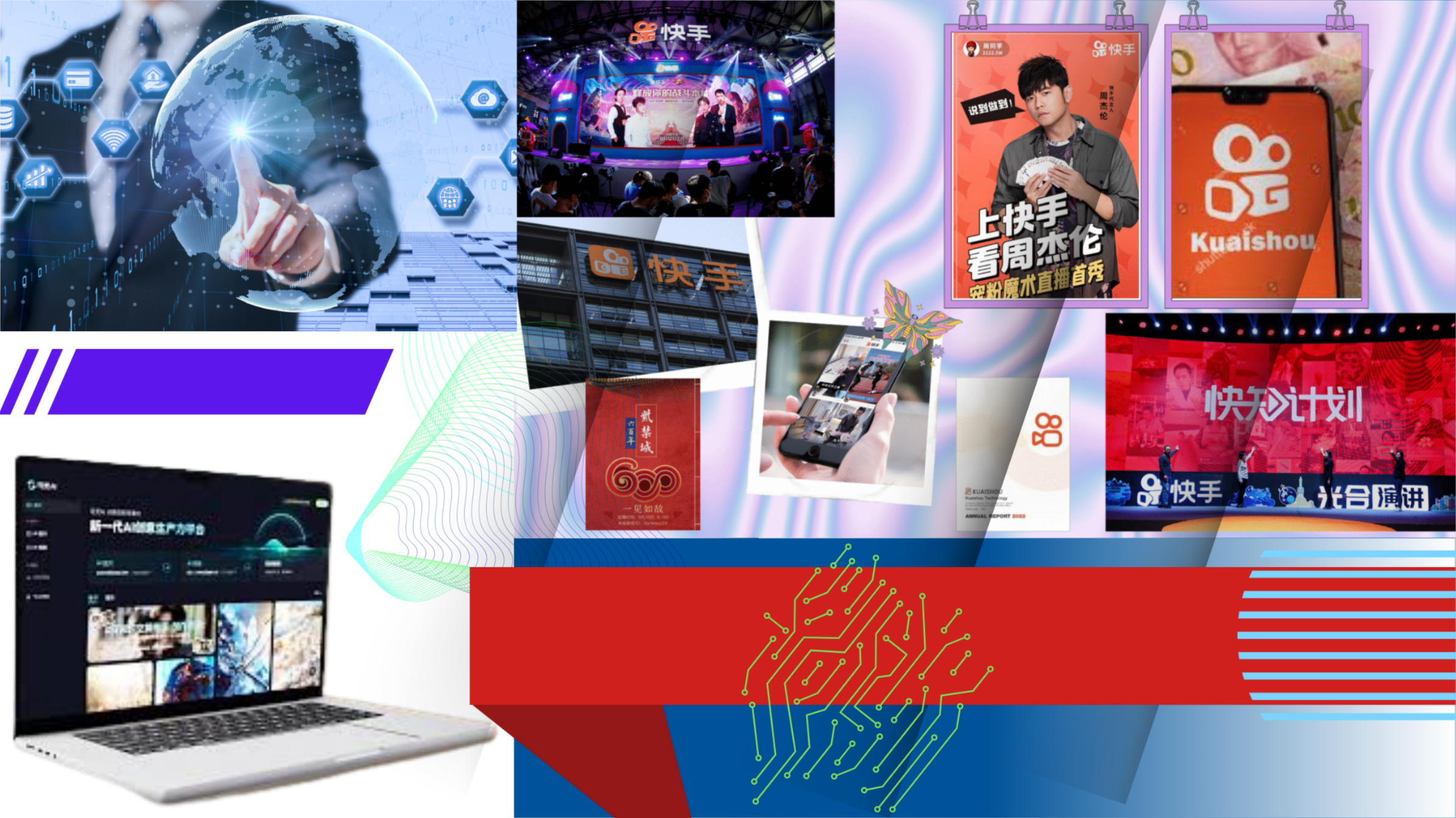
Launched in 2011 by Kuaishou, the Chinese platform Kuaishou has swiftly become a pivotal player in the realm of short-form video and social media engagement. With an impressive user base of 640 million individuals, Kuaishou has established itself as a go-to destination for users seeking diverse and engaging content. This substantial user count attests to the platform’s success in capturing the attention and participation of a vast audience, solidifying its position as a leading force in the evolving landscape of digital content creation and consumption in China and beyond.

Live Streaming: Enhanced Interactivity on Kuaishou

Kuaishou revolutionizes user engagement through dynamic live streams, fostering vibrant interactions between streamers and viewers. By facilitating the purchase and gifting of virtual items, Kuaishou elevates user participation, steering away from passive viewing. This innovative approach stimulates lively exchanges, amplifying the appeal of live streams. Viewers can seamlessly purchase and gift virtual items during live sessions, enhancing the immersive experience. Kuaishou’s rich array of live streaming content and interactive features cultivates a thriving environment, driving heightened user engagement.

Online Marketing Services: Empowering Ecosystem Participants

Kuaishou offers a comprehensive suite of online marketing solutions tailored to its ecosystem participants. Central to these services are advertising solutions and the innovative “Kuaishou Fans Headline Services.” Leveraging the platform’s extensive content diversity and AI capabilities, advertisers can precisely target their desired audience, maximizing their ROI. Kuaishou’s online marketing services empower businesses to effectively connect with their target demographic, harnessing the platform’s dynamic ecosystem for enhanced visibility and engagement.

E-Commerce: Seamless Commerce Integration

Built on a foundation of trust and user interactions, Kuaishou’s e-commerce platform seamlessly connects users with business partners. Launched in August 2018, the e-commerce venture facilitates real-time marketing through live streaming sessions featuring merchants and promoters. Brands and retailers leverage live streams, short videos, and profile pages to showcase products, fostering direct engagement with consumers. Kuaishou’s e-commerce ecosystem capitalizes on the platform’s inherent user connectivity, driving commerce in a dynamic and interactive manner.

Online Knowledge-sharing: Empowering Learning Communities

Kuaishou’s online knowledge-sharing initiative empowers users to share skill-based and educational content, catering to diverse learning needs. Introduced in the summer of 2018, this platform facilitates both pre-recorded and live knowledge-sharing formats. Content creators have the option to monetize their expertise, offering valuable insights to eager learners. By nurturing a community of knowledge exchange, Kuaishou fosters continuous learning and skill development among its user base, enriching the platform’s content landscape.

History of Kuaishou:


Aspect

Details

Founding Year

2011

Founders

Hua Su and Cheng Yixiao

Previous Experience

Su Hua worked for Google and Baidu as a software engineer

Headquarters

Haidian District, Beijing

Original Product

GIF Kuaishou, a mobile app for making and sharing GIF pictures (March 2011)

Evolution

Transitioned to a short video community and platform (November 2012)

User Milestones

Reached 100 million daily users by 2013; exceeded 200 million active daily users by 2019

Investment Round

Closed a US$350 million investment round led by Tencent (March 2017)

Valuation (2018)

Estimated by Forbes to be US$18 billion (January 2018)

Controversy

App briefly banned from Chinese app stores due to videos of teenage mothers (April 2018)

Partnership

Announced partnership with People’s Daily to explore AI in news (2019)

Geopolitical Impact

Banned in India along with 58 other apps due to “data and privacy issues” and 2020 border tensions (June 2020)

IPO

Planned IPO to raise approximately US$5 billion; market value rose to over $1 trillion HKD (January 2021)

Hong Kong Debut

Shares rose 194% at opening; share price later fell nearly 80% from its peak (February 2021)

Staff Layoffs

Announced laying off 30% of staff, focusing on mid-level employees (December 2021)

New Stakeholder

State-owned Beijing Radio and Television Station took a minority ownership stake (October 2022)

Conclusion:

Inaugurated in 2011 by Kuaishou, the Chinese powerhouse, the Kuaishou platform has swiftly emerged as a cornerstone in the domain of short-form video and social media engagement. Boasting an impressive user base of 640 million individuals, Kuaishou has cemented its status as the ultimate destination for users craving diverse and captivating content. This substantial user count serves as a testament to the platform’s remarkable success in captivating the attention and participation of a vast audience, thereby solidifying its position as a trailblazer in the ever-evolving landscape of digital content creation and consumption in China and beyond.

Under the stewardship of Su Hua, a Co-Founder and Chairman, Kuaishou Technology continues its trajectory towards unparalleled success. Despite stepping down as CEO in October 2021, Su Hua remains intricately involved as an Executive Director, steering the company towards sustained prosperity through strategic initiatives and exploration of new horizons.

Similarly, Cheng Yixiao, also a Co-Founder, assumes the mantle of CEO, overseeing day-to-day operations and driving strategic endeavors since October 2021. With a focus on product supervision, strategic investments, and acquisitions, Cheng Yixiao’s leadership reinforces Kuaishou’s commitment to excellence and innovation.

Kuaishou’s hallmark lies in its groundbreaking live streaming features, which foster interactive engagements between streamers and viewers, transcending conventional passive viewing experiences. By enabling the purchase and gifting of virtual items, Kuaishou amplifies user participation, resulting in vibrant exchanges that enhance the appeal of live streams, thereby creating a dynamic ecosystem ripe for heightened user engagement.

Furthermore, Kuaishou’s comprehensive suite of online marketing solutions empowers businesses to connect effectively with their target demographics, leveraging the platform’s extensive content diversity and AI capabilities for maximum ROI. Through seamless integration of e-commerce functionalities, Kuaishou facilitates real-time marketing, enabling brands and retailers to engage directly with consumers, thereby driving commerce in an interactive and dynamic manner.

Moreover, Kuaishou’s commitment to fostering learning communities through its online knowledge-sharing initiatives underscores its dedication to enriching its content landscape. By empowering users to share skill-based and educational content, Kuaishou facilitates continuous learning and skill development, thereby nurturing a vibrant community of knowledge exchange.

In summation, Kuaishou’s meteoric rise since its inception in 2011 reflects its unwavering commitment to innovation, user engagement, and community empowerment. With visionary leadership at its helm and a steadfast dedication to pushing boundaries, Kuaishou is poised to continue reshaping the digital content landscape, captivating audiences, and empowering communities for years to come.

Faqs:

  1. When was Kuaishou founded, and why has it become a cornerstone in short-form video and social media engagement?
    • Kuaishou was founded in 2011, and its success stems from its ability to captivate a vast audience with diverse and captivating content.
  2. How large is Kuaishou’s user base, and what does this signify about its success?
    • Kuaishou boasts a user base of 640 million individuals, indicating its remarkable success in capturing and engaging a massive audience.
  3. Who are the key figures driving Kuaishou’s success, and what roles do they play?
    • Su Hua, the Co-Founder and Chairman, and Cheng Yixiao, the CEO, are instrumental in steering Kuaishou towards sustained prosperity through strategic initiatives and operational leadership.
  4. What sets Kuaishou’s live streaming features apart, and how do they enhance user engagement?
    • Kuaishou’s live streaming features foster interactive engagements between streamers and viewers, allowing the purchase and gifting of virtual items, thus amplifying user participation and creating a dynamic ecosystem.
  5. How does Kuaishou empower businesses to connect with their target demographics through online marketing solutions?
    • Kuaishou offers a comprehensive suite of online marketing solutions leveraging content diversity and AI capabilities, enabling precise targeting and maximizing ROI for businesses.
  6. Can you explain how Kuaishou integrates e-commerce functionalities into its platform, and what benefits does this offer to brands and retailers?
    • Kuaishou seamlessly integrates e-commerce functionalities, facilitating real-time marketing through live streaming sessions, thereby enabling direct engagement with consumers and driving commerce in an interactive manner.
  7. What initiatives has Kuaishou undertaken to foster learning communities, and how do they contribute to its content landscape?
    • Kuaishou empowers users to share skill-based and educational content, fostering continuous learning and skill development, thereby enriching its content landscape and nurturing a vibrant community of knowledge exchange.
  8. How has Kuaishou’s leadership adapted to changes within the company, such as Su Hua stepping down as CEO?
    • Despite Su Hua stepping down as CEO, his continued involvement as an Executive Director ensures strategic guidance, while Cheng Yixiao’s leadership as CEO drives day-to-day operations and strategic endeavors.
  9. What challenges might Kuaishou face in maintaining its position as a trailblazer in the digital content creation and consumption landscape?
    • Kuaishou may encounter challenges such as evolving user preferences, competition, and technological advancements, requiring continuous innovation and adaptation to stay ahead.
  10. What is your prediction for the future of Kuaishou, considering its commitment to innovation and community empowerment?
    • With its dedication to innovation and community empowerment, Kuaishou is poised to continue reshaping the digital content landscape, captivating audiences, and empowering communities for years to come.
Prof. Mian Waqar Ahmad

Prof. Mian Waqar Ahmad

Prof. Mian Waqar Ahmad, a dynamic force straddling the realms of academia and digital media. As a distinguished Lecturer in Information Sciences, he imparts knowledge within the academic sphere, igniting the minds of his students. Beyond the classroom, Prof. Mian Waqar Ahmad dons the hat of a seasoned blogger on Worldstan.com, where his insightful posts delve into the intricacies of information sciences. His digital footprint extends even further as a YouTuber, leveraging the platform to share his expertise and make complex concepts accessible to a global audience. Prof. Mian Waqar Ahmad’s journey embodies the fusion of traditional education and contemporary digital outreach, leaving an indelible mark on the evolving landscape of information sciences. Explore his world at Worldstan.com and witness the convergence of academia and the digital frontier.
Youtube Story

youtube story in ai https://worldstan.com/youtube-story/

1. When was YouTube officially launched, and what type of content was it mainly used for?

2. Which tech giant bought YouTube, and in what year?

3. What became mandatory for YouTube users starting January 11, 2011?4. What major change happened to YouTube channel URLs in late 2014?

5. What was the purpose of introducing Google+ integration with YouTube channels?

6. What change did Google make in April 2019 affecting Google+?

7. What new feature was launched by YouTube in November 2022 for channel identification?

8. What is a supervised YouTube account?

9. Name three devices or apps where supervised accounts can be used.

10. What types of videos are disabled in the Explore content setting of a supervised account?

11. Which major YouTube features are restricted in supervised accounts?

12. In which five major countries are Google Assistant-enabled devices with supervised YouTube accounts supported?

youtube worldstan.com

YouTube Story for Those Who Don't Know or Feel Confused:

Date

Event

February 14, 2005

YouTube launches, primarily for music videos.

October 9, 2006

Google acquires YouTube.

2006 to early 2009

YouTube operates normally under Google ownership.

May 6, 2009

Creating a new YouTube channel requires a Google Account.

May 2009 to January 11, 2011

Google encourages linking old YouTube accounts to Google Accounts, calling it an “upgrade.”

January 11, 2011

Linking old YouTube accounts to Google Accounts becomes mandatory.

2011

YouTube introduces “User ID” and allows custom URLs for channels.

December 2011

Unlinked, inactive YouTube accounts without videos are deleted.

2012

New YouTube channels created through Google Accounts with /channel/ URLs; /user/ URLs still available later.

Early 2012

New channels automatically linked to Google+ Profiles.

2012

Google+ requires real names; non-compliance results in account suspension.

Late Spring 2013

YouTube channels can link to Google+ Pages.

May 2013

Sign-in requires Google Account email, not YouTube username.

Late 2013

YouTube switches to Google+ commenting system.

January 2014

New and existing channels must stick with Google+ links.

Mid-2014

Google+ allows any name to be used.

Late 2014

YouTube stops offering /user/ URLs, shifts to /c/ URLs.

Spring 2015

Google enhances account security, locking accounts without recovery options accessed from new locations.

Mid-March 2015

Tool launches to move YouTube channels between Google+ links.

2015

Secret questions for Google Account security are removed.

Late 2015

Google begins unlinking YouTube and Google+ profiles from public view.

2016

Google+ Pages become “Brand Accounts.”

2016 to 2018

Various updates to Google and YouTube account creation processes.

April 2019

Google+ is shut down.

July 10, 2019

G Suite for Education users lose Brand Account access.

2020

Google enhances security measures.

November 2022

YouTube introduces @handles to identify channels alongside traditional URLs.

What does it mean to have someone watch over you on YouTube?

A supervised experience on YouTube refers to a parent-managed version of the standard YouTube and YouTube Music platforms designed for children under the age of 13 (or the applicable age in their country/region).
In a supervised account, parents have the ability to choose a content setting that restricts the videos and music accessible to children under 13. Additionally, supervised accounts modify the available features, default account settings, and the types of advertisements displayed. For more details on setting up a supervised account, refer to the provided information.
Answers to common questions from parents regarding supervised accounts are available, offering insights into the functionalities and controls provided. Children with supervised accounts can utilize the following apps and devices:
• YouTube app and website
• YouTube Music app and website
• YouTube and YouTube Music through Google Assistant-enabled devices
• YouTube app on compatible smart TVs
• YouTube on PlayStation, Xbox, and Nintendo Switch
This supervised experience ensures a safer and more controlled environment for young users on YouTube.

Accessibility based on geographic location:

Supervised accounts for YouTube can be utilized on mobile devices, computers, and eligible smart TVs across the following countries/regions:


Country/Region

Country/Region

Country/Region

Country/Region

Country/Region

Country/Region

American Samoa

Belgium

Croatia

Guam

Latvia

Panama

Argentina

Bermuda

Czechia

Guatemala

Liechtenstein

Papua New Guinea

Aruba

Bolivia

Cyprus

Honduras

Lithuania

Paraguay

Australia

Bosnia

Denmark

Hong Kong

Luxembourg

Peru

Austria

Brazil

Dominican Republic

Hungary

Macedonia

Philippines

Azerbaijan

Bulgaria

Ecuador

Iceland

Malaysia

Poland

Bangladesh

Canada (excluding Quebec)

El Salvador

India

Malta

Portugal

Belarus

Cayman Islands

Estonia

Indonesia

Mexico

Puerto Rico

Belgium

Chile

French Guiana

Ireland

Montenegro

Romania

Bermuda

Colombia

French Polynesia

Israel

Nepal

Russia

Bolivia

Costa Rica

Finland

Italy

Netherlands

San Marino

Bosnia

Croatia

France

Jamaica

New Zealand

Senegal

Brazil

Czechia

Georgia

Japan

Nicaragua

Serbia

Bulgaria

Cyprus

Germany

Kazakhstan

Nigeria

Singapore

Canada (excluding Quebec)

Denmark

Ghana

Kenya

Norway

Slovakia

Cayman Islands

Dominican Republic

Greece

Latvia

Northern Mariana Islands

Slovenia

Chile

Ecuador

Guadeloupe

Liechtenstein

Pakistan

South Africa

Colombia

El Salvador

Guam

Lithuania

Panama

South Korea

Costa Rica

Estonia

Guatemala

Luxembourg

Papua New Guinea

Spain

Croatia

French Guiana

Honduras

Macedonia

Paraguay

Sri Lanka

Czechia

French Polynesia

Hong Kong

Malaysia

Peru

Sweden

Cyprus

Finland

Hungary

Mexico

Philippines

Switzerland

Denmark

France

Iceland

Nepal

Poland

Tanzania

Dominican Republic

Georgia

India

Netherlands

Portugal

Thailand

Ecuador

Germany

Indonesia

New Zealand

Puerto Rico

Turks and Caicos Islands

El Salvador

Ghana

Ireland

Nicaragua

Romania

Uganda

Estonia

Greece

Israel

Nigeria

Russia

Ukraine

French Guiana

Guadeloupe

Italy

Norway

San Marino

United Kingdom

French Polynesia

Guam

Jamaica

Northern Mariana Islands

Senegal

United States

Finland

Guatemala

Japan

Pakistan

Serbia

Uruguay

France

Honduras

Kazakhstan

Panama

Singapore

Vatican City

Georgia

Hong Kong

Kenya

Papua New Guinea

Slovakia

Venezuela

Germany

Hungary

Latvia

Paraguay

Slovenia

Vietnam

Ghana

Iceland

Liechtenstein

Peru

South Africa

Zimbabwe

Greece

India

Lithuania

Philippines

South Korea


Guadeloupe

Indonesia

Luxembourg

Poland

Spain


Guam

Ireland

Macedonia

Portugal

Sri Lanka


Guatemala

Israel

Malaysia

Puerto Rico

Sweden


Honduras

Italy

Malta

Romania

Switzerland


Hong Kong

Jamaica

Mexico

Russia

Tanzania


Hungary

Japan

Montenegro

San Marino

Thailand


Iceland

Kazakhstan

Nepal

Senegal

Turks and Caicos Islands


India

Kenya

Netherlands

Serbia

Uganda


Indonesia

Latvia

New Zealand

Singapore

Ukraine


Ireland

Liechtenstein

Nicaragua

Slovakia

United Kingdom


Israel

Lithuania

Nigeria

Slovenia

United States


Italy

Luxembourg

Norway

South Africa

Uruguay


Jamaica

Macedonia

Northern Mariana Islands

South Korea

Vatican City


Japan

Malaysia

Pakistan

Spain

Venezuela


Kazakhstan

Malta

Panama

Sri Lanka

Vietnam


Access based on geographic location for devices enabled with Google Assistant

Supervised accounts are compatible with Google Assistant-enabled devices in the following geographic locations:

Country/Region

Country/Region

Country/Region

Country/Region

Country/Region

Country/Region

Brazil

France

Germany

India

Indonesia

Italy

Japan

Mexico

Spain

United Kingdom

United States


Disabled Features:

In the realm of supervised accounts on YouTube, certain features, typically available on the platform, undergo modifications depending on the selected content settings. Collaborating closely with parents and industry experts, we aim to introduce additional features progressively.

Here’s an overview of features that supervised accounts might not have access to:

Watch

  • Live stream videos (disabled only for the Explore content setting)
  • Posts

Engage

  • Comments
  • Handles

Additionally, the following features are restricted for supervised accounts:

  • Live Chat

Create

  • Channel
  • Live stream
  • Posts
  • Public and unlisted playlists
  • Stories
  • Shorts
  • Video uploads

Buy

  • Channel memberships
  • Creator merchandise
  • Donations through YouTube Giving
  • Movies & TV Shows
  • Super Chat & Super Stickers

YouTube apps

  • YouTube Studio
  • YouTube TV
  • YouTube VR

Furthermore, certain miscellaneous features are not available for supervised accounts, including:

  • Adding products on YouTube
  • Casting on TV
  • Connected gaming accounts
  • Incognito mode
  • Personalized ads
  • Public profile pictures
  • Restricted Mode
  • Lyrics tab in YouTube Music

Conclusion:

 Understanding YouTube’s Journey and the Supervised Experience

YouTube has come a long way since its launch in 2005, transforming from a simple platform for sharing music videos to the world’s largest video-sharing site, integrated deeply with Google’s ecosystem. Along this journey, numerous changes were introduced — from the mandatory linking of YouTube accounts to Google, to URL restructuring, and the eventual phasing out of Google+ integrations. Each shift reflected evolving priorities around identity, security, and platform consistency.

In parallel, YouTube recognized the growing need to create safer environments for younger audiences. The introduction of supervised accounts marked a significant step forward in digital parenting. These accounts offer a customized and controlled version of YouTube, allowing parents to decide what their children can access, while ensuring that age-inappropriate content, live streams, comments, and certain monetization features remain restricted.

Supervised accounts are supported across a wide range of countries and devices, including smart TVs, gaming consoles, mobile platforms, and Google Assistant-enabled devices. This wide accessibility helps ensure that families around the world can benefit from YouTube in a safer, more mindful way.

Whether you’re a newcomer to YouTube or a parent seeking clarity, understanding these developments helps demystify the platform’s evolution and the tools available today for creating a safer, more secure video experience for users of all ages.

Prof. Mian Waqar Ahmad

Prof. Mian Waqar Ahmad

Prof. Mian Waqar Ahmad, a dynamic force straddling the realms of academia and digital media. As a distinguished Lecturer in Information Sciences, he imparts knowledge within the academic sphere, igniting the minds of his students. Beyond the classroom, Prof. Mian Waqar Ahmad dons the hat of a seasoned blogger on Worldstan.com, where his insightful posts delve into the intricacies of information sciences. His digital footprint extends even further as a YouTuber, leveraging the platform to share his expertise and make complex concepts accessible to a global audience. Prof. Mian Waqar Ahmad’s journey embodies the fusion of traditional education and contemporary digital outreach, leaving an indelible mark on the evolving landscape of information sciences. Explore his world at Worldstan.com and witness the convergence of academia and the digital frontier.

The Complete History and Evolution of Facebook: From TheFacebook to Meta

the complete history and evolution of facebook from thefacebook to meta https://worldstan.com/the-complete-history-and-evolution-of-facebook-from-thefacebook-to-meta/

Introduction: The Birth and Transformation of Facebook

Facebook, now officially Meta (formerly Facebook), stands as one of the most influential digital platforms in history. Launched as a small Facebook social network experiment in 2004, it quickly evolved into a massive Facebook app and Facebook website with billions of users across the world.

The Facebook founder, Mark Zuckerberg, alongside his Harvard roommates, built TheFacebook with the simple goal of connecting students. Today, that humble project has transformed into Meta Platforms, a global technology powerhouse driving the Facebook metaverse, Meta AI, and an entire digital ecosystem that includes Instagram and WhatsApp ownership, Facebook VR and Oculus, and more.

According to recent estimates, Facebook global users 2025 are projected to exceed 3 billion monthly active users, making it the world’s most dominant social media network. The Facebook history is not just about connectivity — it’s a story of innovation, controversy, data privacy challenges, and a constant push to redefine how people interact online.


1. Did Controversy Surround Facebook Right from the Beginning?

Yes. Controversy surrounded Facebook right from its inception. Just a week after its Facebook launch date on February 4, 2004, Mark Zuckerberg was accused by three Harvard seniors of stealing their idea for a similar platform called HarvardConnection.

This early legal battle became one of the first major Facebook controversies, shaping its reputation in tech history. Allegations included misuse of code and unauthorized access to data. Reports even suggest that Zuckerberg may have accessed competitor servers to manipulate user information — an incident that foreshadowed later debates around Facebook privacy and Facebook data policy.


2. TheGenesis of TheFacebook (2003–2004): Forging Connections

The History of Facebook begins in 2003 when Mark Zuckerberg noticed the absence of a centralized online student directory at Harvard. Inspired by this gap, he built TheFacebook origins, a platform that allowed students to share information and connect through profiles, photos, and messages.

The project was initially coded in Zuckerberg’s dorm room, marking the first step in Facebook app development and the foundation of the Facebook Platform. Collaborating with Eduardo Saverin, Dustin Moskovitz, Andrew McCollum, and Chris Hughes, Zuckerberg turned a simple idea into the beginnings of a new Facebook social network.


3. Coding Ambitions: From Idea to the Digital Realm

Driven by his ambition, Zuckerberg and his team developed features that would later define the Facebook user experience — including Facebook login, profile pages, and friend lists. The first version of Facebook Timeline was rudimentary, but it already showed potential as a personalized digital identity space.

The platform’s growth reflected the founders’ mastery of the Facebook Hack programming language and later Facebook HHVM, technologies that optimized web speed and scalability. This technical foundation allowed Facebook evolution to progress at a pace unmatched by other Chinese social networking sites or Western rivals like MySpace.


4. Rapid Traction: TheFacebook’s Swift Ascent

Within 24 hours of its launch, TheFacebook registered over 1,000 users. Within weeks, it expanded beyond Harvard to Stanford, Columbia, and Yale. This surge marked the start of Facebook’s global impact — from an Ivy League project to a nationwide trend.

By 2005, Facebook global users surpassed 1 million. The company purchased the domain facebook.com for $200,000 and officially dropped “The” from its name. This period also marked the development of early Facebook features like the Facebook News Feed, Facebook photo tagging, and the Facebook like button, which later became iconic parts of the Facebook user base experience.


5. Legal Challenges and the Harvard Connection Lawsuit

Early success was met with significant hurdles. The Facebook–Cambridge Analytica scandal years later echoed these themes — but even in 2004, Zuckerberg faced lawsuits for alleged intellectual property theft. The Facebook data privacy issues began to emerge even then, as questions were raised about how user information was stored and accessed.

These early controversies didn’t slow down Facebook’s momentum. In fact, they underscored a pattern: constant innovation paired with recurring concerns over Facebook privacy controls, Facebook data policy, and Facebook content moderation.


6. Expansion Beyond Harvard: Global Outreach and Growth

By late 2004, Facebook had expanded to over 800 colleges. The Facebook app gained immense popularity across universities, prompting rapid scaling. Between 2005–2006, Facebook introduced Facebook Groups, Facebook Pages, and Facebook Events, allowing users to interact around shared interests.

In 2007, Facebook business tools were launched, followed by Facebook Pages for brands, revolutionizing online marketing. This led to the birth of the Facebook advertising system, Facebook targeted ads, and the broader Facebook business model that still drives much of its Facebook profits today.


7. Incorporation and Leadership Transition

In mid-2004, entrepreneur Sean Parker joined as president, helping secure Facebook’s first investment from Peter Thiel ($500,000). The company moved its headquarters to Palo Alto, California, establishing its global presence.

By 2008, Facebook international headquarters in Dublin, Ireland became the hub for global operations. Around this time, Facebook introduced Facebook Messenger, Facebook Marketplace, and Facebook Reactions, diversifying how users engaged with content.


8. The IPO Journey: Facebook’s Financial Breakthrough

On February 1, 2012, Facebook announced its IPO, aiming to raise $5 billion. With 845 million monthly active users, 2.7 billion daily likes, and the world’s highest engagement rate, Facebook IPO became one of the largest in U.S. history — valuing the company at $104 billion.

Despite early trading glitches, Facebook cemented itself as a dominant player in the stock market, transforming from a startup to a blue-chip tech company. Mark Zuckerberg retained majority voting power, ensuring his leadership in guiding Facebook AI research, Facebook algorithm, and Facebook EdgeRank development.


9. Innovative Features and New Ventures (2012–2014)

Following its IPO, Facebook rolled out a series of new services that defined its modern identity:

  • Facebook App Center (2012): introduced app integration for games and third-party tools.

  • Facebook Instant Articles (2015): enabled fast-loading publisher content.

  • Facebook Stories (2016): mirrored short-form content popularized by Instagram.

  • Facebook Live and Facebook Marketplace revolutionized engagement and e-commerce.

Meanwhile, acquisitions like Instagram (2012) and WhatsApp (2014) expanded the Facebook Platform ecosystem. The purchase of Oculus VR positioned Facebook as a major force in virtual reality, leading directly to Meta’s metaverse vision.


Fbvv
Fb
Fbcc

10. Meta Rebranding 2021: From Facebook to Meta

In October 2021, Facebook parent company Meta was officially announced. This Meta rebranding 2021 reflected Zuckerberg’s long-term Meta metaverse vision — to shift focus from traditional social networking toward immersive, interconnected virtual experiences.

While the Facebook app remains central to Meta’s ecosystem, the company now invests heavily in Meta AI, Facebook AI, Facebook AI research, and Facebook’s content delivery system (fbcdn.net), ensuring fast and secure global connectivity through Facebook CDN, Facebook HTTPS, and robust Facebook security systems.


11. Facebook’s Controversies and Global Influence

No discussion of Facebook’s history is complete without acknowledging its controversies:

  • The Facebook–Cambridge Analytica scandal (2018) exposed weaknesses in Facebook privacy and data sharing.

  • Facebook misinformation and fake news influenced the 2016 U.S. elections, raising debates over Facebook political influence and content moderation.

  • The platform has faced scrutiny for Facebook hate speech control, Facebook addiction and mental health concerns, and its handling of Facebook psychological impact on youth.

Despite challenges, Facebook’s role in the Arab Spring, Facebook in developing countries, and Facebook global impact underscore its power as both a social tool and political force.


12. Facebook’s Modern Ecosystem and Technological Innovations

Today, Facebook monthly active users exceed 3 billion. The platform’s Facebook global ranking 2025 keeps it among the top social networks worldwide. Its Facebook algorithm continues to evolve, prioritizing meaningful interactions through Facebook EdgeRank and AI-driven curation.

Core Facebook features such as Facebook Groups, Facebook Pages, Facebook Messenger, and Facebook Marketplace continue to anchor community engagement, while Facebook business tools empower brands and entrepreneurs globally.

The platform also encourages Facebook app development via APIs, supporting innovations in AI, AR, and social commerce. Its Facebook bug bounty program and Facebook security protocols further protect users across its ecosystem.


Facebook vs Other Platforms: How It Compares

  • Facebook vs MySpace: Facebook surpassed MySpace by focusing on real identities and clean design.

  • Facebook vs Twitter: Twitter prioritizes news, while Facebook focuses on relationships.

  • Facebook vs TikTok: Facebook emphasizes connection; TikTok thrives on entertainment.

  • Facebook vs Instagram: Both are owned by Meta, but Instagram targets visual storytelling.

This adaptability ensures Facebook social media trends continue to evolve with global culture.


Conclusion:

From its TheFacebook origins in a Harvard dorm to its Meta metaverse ambitions, Facebook’s journey encapsulates the evolution of the modern internet. Its story intertwines innovation, ethics, and global influence — from Facebook IPO milestones to Facebook AI research, from connecting college students to reshaping global politics.

Mark Zuckerberg remains a central figure in this transformation — the Facebook founder who turned a simple project into one of the world’s most powerful digital ecosystems.

As Facebook updates and features continue to evolve, the platform’s focus on community, connectivity, and virtual reality ensures it remains at the forefront of the digital age.

Prof. Mian Waqar Ahmad

Prof. Mian Waqar Ahmad

Prof. Mian Waqar Ahmad, a dynamic force straddling the realms of academia and digital media. As a distinguished Lecturer in Information Sciences, he imparts knowledge within the academic sphere, igniting the minds of his students. Beyond the classroom, Prof. Mian Waqar Ahmad dons the hat of a seasoned blogger on Worldstan.com, where his insightful posts delve into the intricacies of information sciences. His digital footprint extends even further as a YouTuber, leveraging the platform to share his expertise and make complex concepts accessible to a global audience. Prof. Mian Waqar Ahmad’s journey embodies the fusion of traditional education and contemporary digital outreach, leaving an indelible mark on the evolving landscape of information sciences. Explore his world at Worldstan.com and witness the convergence of academia and the digital frontier.