Discover the Best AI Apps : From ChatGPT and Claude to Gemini and Grok

Discover the best AI Apps worldstan.com

 Explore how artificial intelligence is reshaping the mobile landscape through powerful apps that simplify daily life, enhance creativity, and redefine productivity across every category — from chatbots and image generators to education, health, and finance tools.

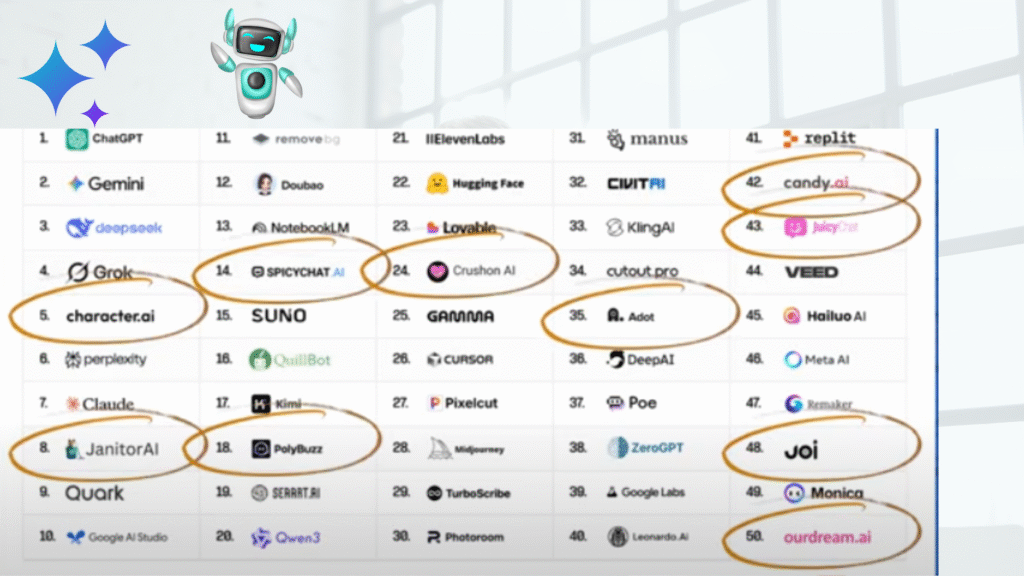
Top AI Apps Transforming the Mobile Experience

The global mobile app industry has evolved into a multi-billion-dollar ecosystem driven by artificial intelligence. As users increasingly seek faster, smarter, and more personalized experiences, developers are integrating AI into every corner of the app landscape. From chatbots that write code to tools that design images, AI is redefining convenience, creativity, and productivity across mobile devices.

Discover the best Mobile AI Apps worldstan.com

The Rise of AI-Powered Mobile Applications

Artificial intelligence has become a defining element of mobile innovation. Today, almost every user need—whether photo editing, language learning, financial planning, or mental wellness—has an AI solution. These applications are powered by machine learning, natural language processing, and generative technologies that continuously adapt to user behavior.

Leading Categories of AI Apps

AI Chatbots and Assistants

ChatGPT — Developed by OpenAI, ChatGPT remains one of the most advanced conversational AI models, capable of generating content, solving problems, and assisting users with research or communication tasks.

Copilot — Microsoft’s Copilot, integrated into its Edge browser and mobile platforms, handles a wide range of activities from creating travel itineraries to generating code or exercise plans.

Gemini — Google’s Gemini offers seamless integration with Android and Google services, enabling real-time information search, brainstorming, and writing support in multiple languages.

DeepSeek — A Chinese open-source chatbot known for its reasoning capabilities and cost efficiency, DeepSeek has rapidly gained popularity for providing reliable, affordable AI interactions.

Claude — Created by Anthropic, Claude supports in-depth discussions, coding, and image analysis while maintaining strong safety and data compliance standards.

Grok — Built by Elon Musk’s xAI, Grok uses real-time data to deliver unfiltered, information-rich answers through X and web applications.

Doubao — Developed by ByteDance, Doubao has become one of China’s most widely used AI chatbots, offering content generation, research tools, and coding assistance.

Discover the best AI Apps Education image worldstan.com

AI Search and Browsing Tools

Perplexity AI provides verified, well-sourced answers and has introduced a specialized browser called Comet for automated search and task execution.

Google Search Generative Experience enhances conventional search by blending AI-generated summaries with traditional results.

Bing with Copilot Search allows users to query images, receive summaries, and generate visuals directly within the search experience.

You.com leverages its proprietary large language model to deliver multiple result formats, including text, visuals, and video summaries.

Fellou introduces agentic browsing, running multiple tabs and summarizing or generating content across tasks simultaneously.

AI Image and Creative Tools

Dall-E 3 by OpenAI transforms text prompts into detailed visuals, now fully integrated into ChatGPT.

Adobe Firefly empowers creators with image generation and editing tools inside Photoshop and Premiere Pro.

FaceApp and Facetune remain favorites for AI-based selfie and video enhancements, while Lensa and StarryAI expand possibilities in digital art, avatars, and NFT creation.

AI in Education

Khanmigo from Khan Academy acts as an AI tutor and teaching assistant, supporting students and educators through interactive learning.

Duolingo customizes language lessons through adaptive AI and gamified experiences.

ELSA Speak offers pronunciation correction and personalized English learning paths using voice recognition.

Socratic by Google helps students with homework through image recognition and visual explanations.

Health and Wellness AI Apps

Calm uses machine learning to recommend personalized meditation and relaxation content.

FitnessAI designs tailored workout routines using data-driven optimization.

Woebot Health and Youper deliver emotional support through AI-guided conversations based on psychological research.

AI Finance and Productivity

Ally Financial applies AI for customer service and fraud prevention.

Cleo connects with user accounts to provide budgeting advice and spending insights in a conversational tone.

Fyle simplifies corporate expense reporting through automated data extraction and integration with financial platforms.

AI Audio and Transcription Tools

Google Recorder provides instant transcription for Pixel users.

Otter.ai and Trint offer detailed meeting transcriptions with speaker recognition and summaries.

Read AI enhances meeting productivity by automatically identifying topics, questions, and engagement peaks.

AI Navigation and Daily Use

Google Maps and Waze both apply machine learning to analyze real-time traffic and predict the fastest routes.

Grammarly, Jasper, Writer, and Quarkle lead the writing assistant category, helping individuals and organizations craft clear, polished, and brand-consistent content.

The Broader Impact of AI Apps

The integration of artificial intelligence into mobile applications has made technology more human-centered than ever. Whether enhancing creativity, improving communication, or simplifying everyday routines, AI apps continue to push the boundaries of digital convenience. As 2025 unfolds, the competition among AI-driven mobile platforms is set to intensify, giving users access to tools that are smarter, faster, and more personalized than ever before.

Character AI Chatbot: The Rise of a Generative AI Pioneer

Character AI worldstan.com

This report explores the evolution of Character AI — from its Google-engineered origins and billion-dollar rise to its innovative features, safety challenges, and growing impact on the future of generative AI chatbots.

Character AI Chatbot: From Google Roots to a Billion-Dollar AI Platform

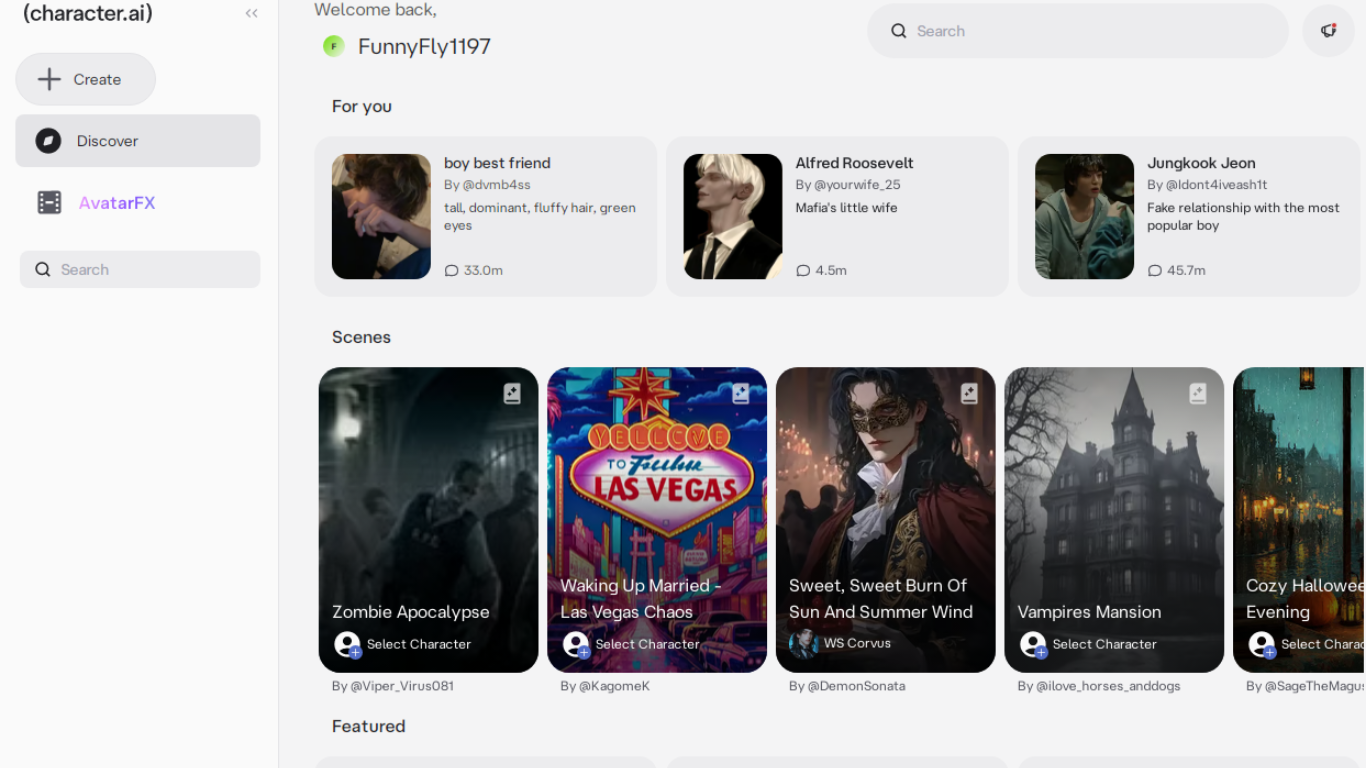
Character AI, also known as c.ai or char.ai, has become one of the most notable names in the world of generative AI chatbots. The platform allows users to create and interact with virtual personalities that simulate conversations with both fictional and real-life figures. Founded by former Google engineers Noam Shazeer and Daniel De Freitas, the company quickly gained recognition for its innovative approach to customizable AI interactions.

Origins and Development

Character AI was established in November 2021 by Shazeer and De Freitas, both of whom previously worked on Google’s AI language models. Shazeer played a key role in developing technologies that paved the way for modern conversational AI, while De Freitas led Google’s experimental Meena AI project, later known as LaMDA. Together, they aimed to create a more open, creative, and user-driven chatbot experience.

The first beta version of Character AI launched publicly in September 2022. Within weeks, the platform logged hundreds of thousands of conversations, with users creating unique characters that could engage in storytelling, debates, or even text-based adventure games. The concept resonated strongly with a younger audience, contributing to its rapid adoption.

Growth, Funding, and Expansion

Character AI raised $43 million in seed funding shortly after its launch. In March 2023, it secured an additional $150 million in a funding round that boosted the company’s valuation to approximately $1 billion, marking its status as one of the fastest-growing AI startups of the decade.

By early 2024, Character AI was attracting over 3.5 million daily visitors, most between the ages of 16 and 30. The release of its mobile app for iOS and Android in 2023 accelerated growth further, recording more than 1.7 million downloads in its first week.

In the same year, Google hired Noam Shazeer and entered a non-exclusive agreement to use Character AI technology, reflecting the platform’s significant role in the broader AI ecosystem.


Character AI Features worldstan.com

Key Features and User Experience

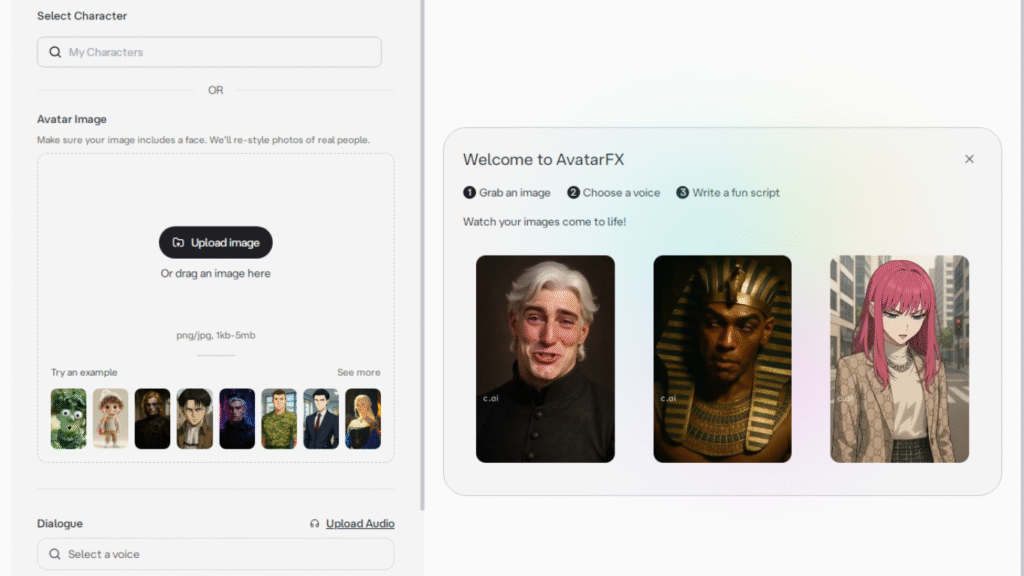
At its core, Character AI is a conversational AI platform that enables users to create their own chatbots, define their personalities, and share them publicly. These AI characters can be modeled after famous figures, historical icons, or entirely fictional personas. The platform supports multi-character chatrooms, allowing group conversations among users and AI-generated characters.

Customization lies at the heart of the service. Each character’s personality can be shaped through detailed prompts, sample dialogues, and user feedback. A rating system allows users to refine responses, helping each chatbot learn tone, context, and preferred communication style.

In May 2023, Character AI introduced a premium subscription, Character AI Plus, offering faster response times, priority access, and enhanced support. In early 2025, the company expanded its entertainment features with two interactive games—Speakeasy and War of Words—where users engage in creative challenges with AI-driven opponents.

Safety, Moderation, and Legal Challenges

 Character AI’s rise has not been without controversy. Concerns around content moderation and user safety have led to public scrutiny and legal challenges. Reports of inappropriate chatbot behavior prompted the company to strengthen its moderation systems and introduce stricter content filters.

In December 2024, new safety protocols were launched, including a dedicated AI model for users under 18. This version filters sensitive topics and limits exposure to harmful or suggestive content. Additionally, the platform now includes reminders for users engaged in prolonged sessions and clearer disclaimers emphasizing that AI-generated personalities are not real individuals.

However, several lawsuits have emerged over the platform’s influence on young users. Families in the United States have filed legal complaints, citing emotional and psychological harm linked to interactions with certain chatbots. These cases have intensified calls for stricter AI regulation and transparency in chatbot design.

The Future of Character AI


As of 2025, Character AI continues to evolve as both a creative tool and a social platform. Its community-driven model has inspired millions of users to explore new ways of storytelling, role-playing, and digital companionship through generative AI. Despite ongoing debates about safety and ethics, Character AI remains a central player in shaping the conversation around how humans interact with artificial intelligence.

With continued innovation, investment, and regulatory attention, Character AI represents both the promise and complexity of the next generation of AI-powered communication.

YouTube AI: How the platform is using artificial intelligence

youtube AI worldstan.com

Over recent years, YouTube has integrated many AI / generative-AI features into its platform — for content creation, discovery, moderation, accessibility, and safety. These tools are shaping not only what content is made but also how users interact with videos.

AI features for creators

  • YouTube has launched generative-AI features for creators, especially on the its short-video format, Shorts, such that creators can generate video clips from text prompts or use AI‐generated backgrounds.
  • For example, the Dream Screen tool lets creators supply a text prompt to generate backgrounds or full clip segments for Shorts.
  • More recently, they integrated a more powerful model, called Veo 3 (or “Veo 3 Fast” in certain contexts) to create richer, more dynamic short video clips with sound, motion, stylized visual effects, and realistic object / camera movements.
  • They also paired AI with a music generation model (e.g. Lyria 2) to turn dialogue or content into soundtracks for Shorts. This allows creators to remix or generate background music or sound effects automatically.
  • In addition, YouTube introduced creative tools like an Inspiration Tab in YouTube Studio, where the AI helps creators brainstorm video ideas, propose titles, craft thumbnails, compose outlines, etc. It acts like a creative assistant.

AI features for users / viewers

  • YouTube rolled out an AI-powered search carousel. When users search for topics (e.g. travel or things to do), the system suggests videos with topic descriptions, related videos, and organizes results in a more helpful carousel format. Premium members (in certain regions) can already try it out.
  • There is also a conversational AI tool integrated into the video player: users (especially Premium users on Android and in certain regions) can ask questions about the video they are watching. The AI answers in real time, pulling from the video content or related context, so you don’t have to pause or leave the video.
  • Another feature is summarizing comments or live chat / live chat summarization, where AI condenses chat messages or comment threads into digestible topics or key points. This helps viewers catch up quickly on discussions without reading all messages.
  • Also, some videos have AI-generated video summaries: short summaries of what the video contains (to help viewers preview content). This complements the creator’s description.

AI for safety, compliance, and moderation

  • YouTube has been working on age verification powered by AI. The AI system can assess whether a user is under 18 based on their account history, viewing history, or other signals. This is part of the their efforts to restrict certain content or features for minors (or suspected minors).
  • They also introduced likeness detection tools so content creators can detect if AI is generating or using their face / voice without permission. The idea is to give creators control over unauthorized AI clones.
  • To address concerns about low-quality or repetitive AI-generated content, YouTube changed monetization / policy rules (under the YouTube Partner Program) to reduce or disqualify channels that publish inauthentic or repetitive content, or content that is mostly generated by AI with little human input.

Opportunities and challenges

Opportunities:

  • AI tools lower the barrier to creation: creators can produce content faster, with less manual editing (clips, backgrounds, thumbnails, summaries), making it easier for smaller / less-resourced creators to compete.
  • AI features help content reach broader, multilingual audiences (via auto dubbing or translation), improving accessibility.
  • Viewers benefit by getting faster insights, summaries, and better discovery of relevant videos.

Challenges / concerns:

  • A risk is creation of mass AI-generated content that may be low quality or repetitive; critics have identified some AI channels that produce surreal or bizarre content in large volumes.
  • Some creators worry their unique voices or likeness could be replicated or stolen by AI. This raises intellectual property and identity concerns.
  • The new policies are trying to curb abuse of AI, but the enforcement and definition of what is “human insight” versus purely AI remains a gray area.

What’s next (future / 2025 outlook)

  • We can expect more improvements in AI generation models (e.g. more advanced versions beyond Veo 3) that will produce longer, higher quality video clips or backgrounds.
  • The combination of AI + creator tools will likely become more integrated: automatic editing of live streams, turning highlights into Shorts automatically, or generating creative ideas mid-live stream. (Some of these features are already being tested).
  • Policy and moderation will tighten further: detecting misuse of AI, enforcing age verification more broadly, and verifying that AI content is labeled properly.
  • International rollout: many features currently limited to certain countries or to Premium users are likely to expand globally in 2025.

What Is Grok AI? A Deep Dive into Its Origins, Features, and Rapid Growth

What Is Grok AI? A Deep Dive into Its Origins, Features, and Rapid Growth worldstan.com

Introduction to Grok AI

Grok AI is a generative artificial intelligence chatbot created by xAI, the AI company founded by Elon Musk in March 2023. Officially launched in November 2023, it was built to deliver responses that are not only accurate but also infused with humor and a rebellious edge.

Unlike most AI systems that rely primarily on pre-trained datasets, Grok connects directly to X in real time, allowing it to retrieve live updates on news, trends, and conversations. This level of immediacy makes it one of the most responsive and context-aware chatbots available today.

Its name is inspired by Robert Heinlein’s science fiction novel Stranger in a Strange Land, where “Grok” means to understand something so deeply that it becomes intuitive. The AI embraces that philosophy by attempting to move beyond surface-level answers toward deeper contextual understanding.

The Origins of Grok AI and xAI

To understand Grok AI, one must understand xAI and its founder, Elon Musk. Having co-founded OpenAI in 2015, Musk later departed due to differences in long-term vision. He believed AI was becoming too sanitized and risk-averse. With xAI, his goal was to create a more transparent, truth-focused AI system that promotes open dialogue without excessive filtering.

Funded with over $12.4 billion across four investment rounds, xAI rapidly developed Grok as its flagship product. Drawing inspiration from science fiction and Musk’s own appetite for bold innovation, Grok was engineered to be both highly capable and unapologetically direct.

The Evolution of Grok AI

Since its initial release, Grok has advanced rapidly through several major iterations:

  • Grok-1 (2023): 33-billion-parameter model with strong coding and mathematics performance.

  • Grok-1.5 (2024): Improved reasoning capabilities and an expanded 128,000-token context window.

  • Grok-2 (2024): Added image generation powered by xAI’s Aurora system.

  • Grok-3 (February 2025): Significant performance boost via xAI’s Colossus supercomputer, featuring 200,000 NVIDIA GPUs, along with the introduction of DeepSearch mode.

  • Grok-4 (July 2025): Transition to full multimodal AI, capable of processing and generating text, images, and soon audio.

This rapid iteration cycle has positioned Grok as a strong challenger to GPT-4 and Claude, particularly in real-time search and reasoning capabilities.

Grok AI Features Explained

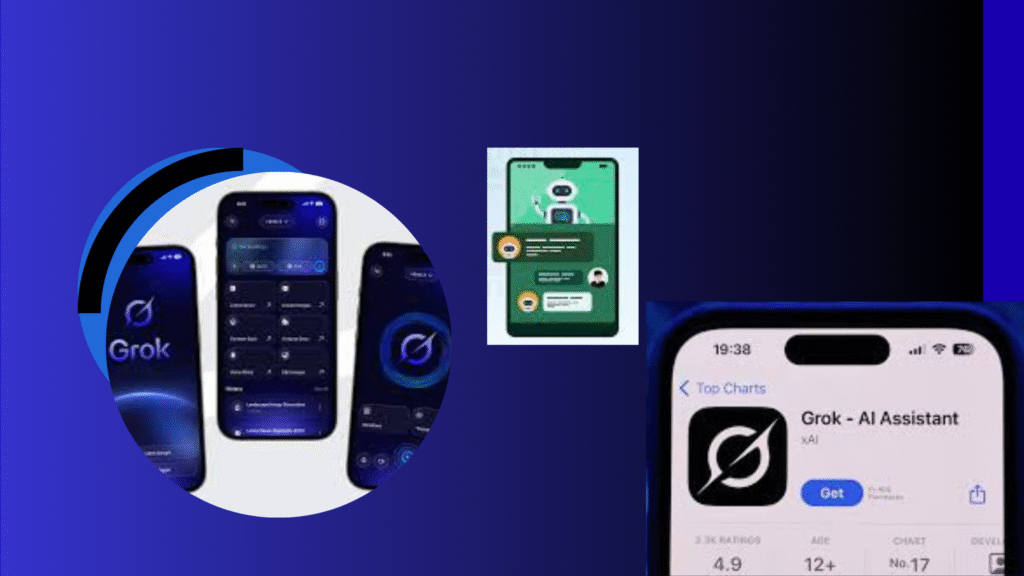
Grok AI Features Explained image worldstan.com

Real-Time Data Access and Search

Grok connects directly to X, allowing it to provide live knowledge rather than relying solely on static training data. This distinguishes it from most AI assistants, which often require external plugins or browsing extensions to retrieve current information.

Conversational Personality

Unlike neutral assistants, Grok was intentionally designed with a bolder voice. Its humorous and slightly defiant tone creates a more human-like interaction compared to more formal AI systems.

Multimodal Capabilities

With Grok 4, the model can handle multiple input formats, including text and images, with audio capabilities soon to be added. This enables sophisticated multimodal reasoning, such as analyzing visuals while generating contextual replies.

DeepSearch Mode

Introduced with Grok-3, DeepSearch enables layered query exploration through iterative web analysis, resulting in more robust and comprehensive responses.

Multilingual Support

Grok supports multiple languages, improving accessibility across international markets and expanding its adoption potential.

Grok API

Launched in 2024, the Grok API allows developers to embed its capabilities into applications, platforms, and analytics tools.

Advanced Reasoning Performance

Grok performs competitively against leading models in logic, coding, mathematics, and structured problem-solving.

Grok vs ChatGPT: Key Comparisons

FeatureGrok AIChatGPT
Real-Time Data AccessDirect integration with XLimited to browser mode or plugins
Response StyleWitty, bold, often sarcasticNeutral and controlled
Multimodal SupportAvailable in Grok 4Available in GPT-4o
API EcosystemEmergingEstablished
Ethical FilteringLess restrictive, sometimes controversialHeavily moderated

Overall, Grok excels in real-time awareness and personality, while ChatGPT remains superior in reliability and tool integration.

Grok AI Use Cases

Grok’s versatility allows it to be deployed across multiple fields, including:

  • Real-time news and sentiment tracking

  • Software development and debugging

  • Market analysis and trend forecasting

  • Education and tutoring

  • Creative writing and content generation

  • Medical and scientific research assistance

Its ability to synthesize live data gives it an advantage in dynamic tasks that require up-to-the-minute input.


Grok AI Growth Statistics 2025

Grok AI is expected to reach over 40 million active users by mid-2025. Industry projections estimate that it will capture between 18 and 22 percent of the chatbot market by 2026. Considering that the AI chatbot market was valued at $11.14 billion in 2025 and is forecasted to reach $29 to $31 billion by 2030, Grok is on track to secure a significant share of future growth.


Strengths and Limitations of Grok AI

Strengths

  • Real-time data integration

  • Strong multimodal capabilities

  • Engaging and human-like conversational tone

  • Competitive reasoning performance

  • Fast-paced development cycle

Limitations

  • Controversial outputs have raised ethical concerns

  • API ecosystem is still maturing

  • Reliance on X data may skew perspectives in some cases


Grok AI vs Other Chatbots

Beyond ChatGPT, Grok competes with Claude by Anthropic, Google Gemini, and Perplexity AI. While those models excel in safety, knowledge retrieval, and enterprise deployment, Grok’s edge lies in real-time relevance and personality-driven responses.

Controversies and Ethical Concerns

Because Grok is designed with fewer content restrictions than its competitors, it has occasionally generated responses that sparked public criticism. Supporters argue that allowing less-filtered dialogue promotes transparency, while detractors believe this approach risks misinformation. xAI continues to refine moderation techniques while preserving Grok’s defining voice.


The Grok AI Roadmap

Future developments planned by xAI include:

  • Voice and audio-based interaction modes

  • Persistent user memory for personalized long-term engagement

  • Multi-agent collaboration features

  • Dedicated enterprise tools and analytics dashboards

These enhancements suggest that Grok is not merely a chatbot, but a foundation for an expanding AI ecosystem.


Why Grok AI Matters

Grok represents a shift toward AI systems that are not only intelligent but also contextually aware and personality-driven. Its combination of real-time data access, multimodal capabilities, and unrestricted dialogue style sets it apart from competitors that prioritize caution over expression.

Final Thoughts:

What is Grok AI in 2025? It is no longer just a chatbot. It is an evolving AI platform built around real-time intelligence, multimodal reasoning, and a bold conversational identity.

With adoption rising rapidly, a growing developer ecosystem through the Grok API, and ambitious updates on the horizon, Grok is well-positioned to become one of the defining AI tools of the decade.

For those curious to explore its capabilities firsthand, Grok is available on X and at grok.com. Whether used for research, automation, or simply conversation, it offers a distinctly different experience from traditional AI assistants—one that is informed, immediate, and unapologetically expressive.

Qzone (QQ空间): Inside Tencent’s Iconic Chinese Social Networking Platform

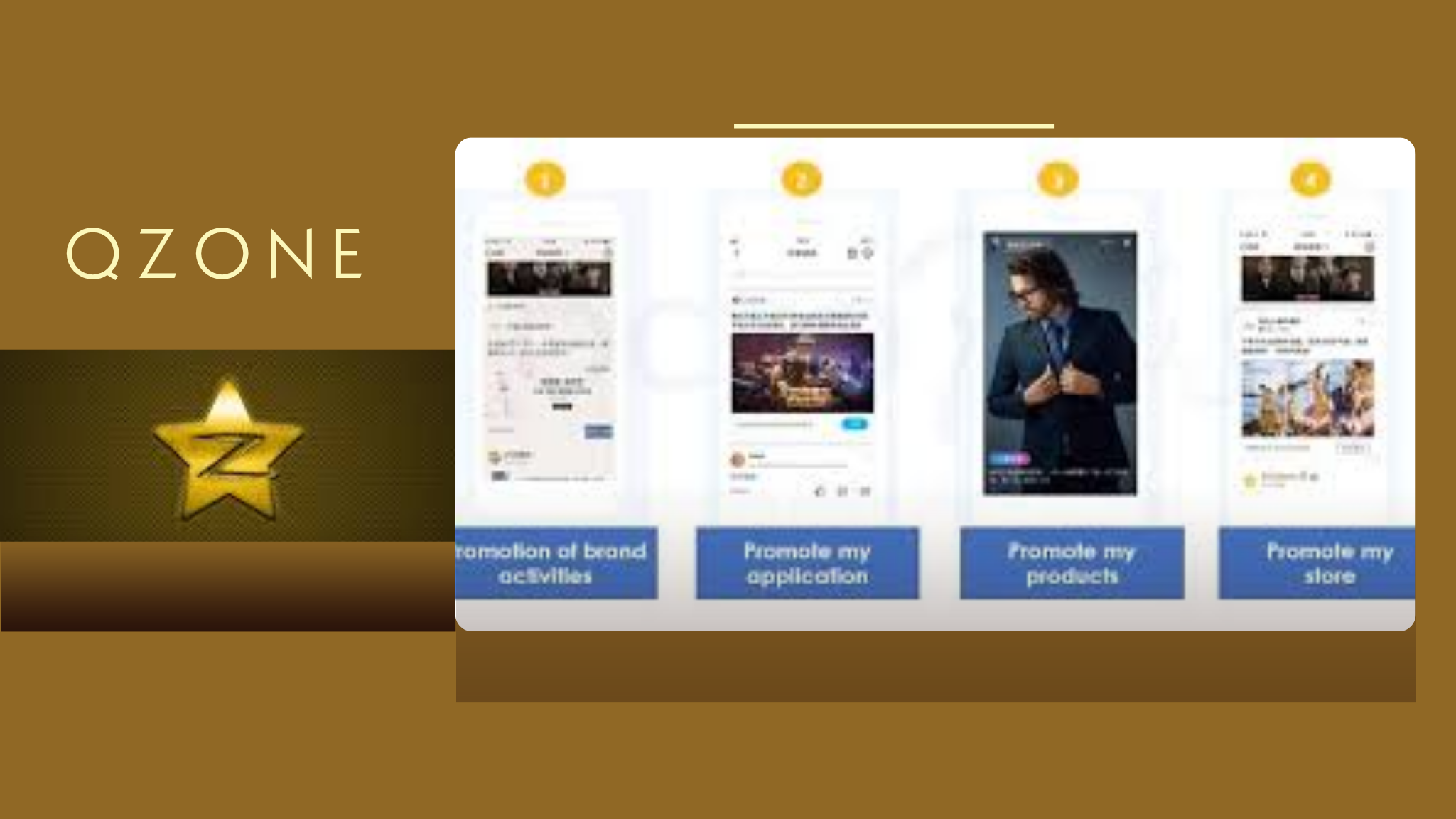
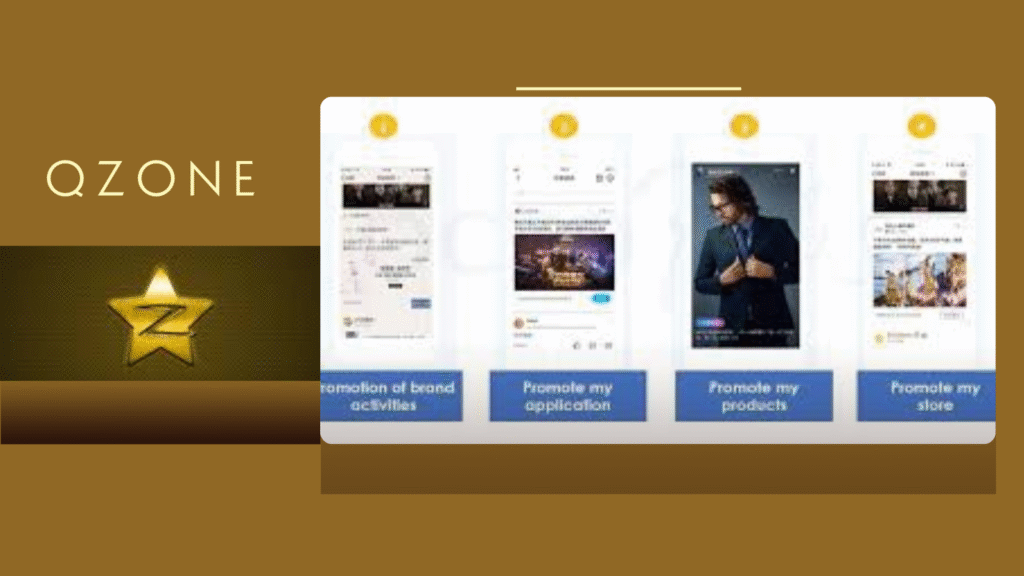
qzone feature mobile images worldstan.com

Qzone

Qzone (QQ空间) is a leading Chinese social networking site developed by Tencent in 2005. Often called the Tencent Qzone app, this platform allows users to write blogs, share multimedia, upload photos, and customize their virtual spaces. As one of the most prominent Tencent social media platforms, Qzone China combines blogging, entertainment, and community interaction under one digital roof.When people ask, “Who created Qzone?” — the answer is Tencent, one of China’s biggest tech giants known for QQ and WeChat.

Download 12

 Initially introduced as part of the QQ social platform, Qzone evolved into an independent Qzone website with millions of users across China.

Qzone Leadership: Pioneers of Innovation

Qzone’s leadership comprises distinguished individuals who have each played pivotal roles in the company’s foundation:

History

The history of Qzone dates back to April 2005, when Tencent launched it as an internal project called “Little Home Zone.” At that time, Qzone was designed to be part of Chinese blogging platforms, offering users a way to maintain diaries and share posts.

However, the rise of competitors like Sina Blog and MSN Space pushed Qzone by Tencent to evolve rapidly. By 2008, under the leadership of Zhu Liang, Qzone had become one of the most popular Chinese social networking sites.

With more than 490 million QQ users already active, Qzone social network leveraged the Tencent digital ecosystem to connect with QQ profiles, virtual avatars, and games like QQ Farm — leading to its transformation into one of the largest social media in China.

qzone feature mobile images worldstan.com

Qzone Features: The Building Blocks of the Platform

What are the main features of Qzone that make it stand out in the Chinese social media landscape? The platform is rich in tools designed to enhance creativity and personalization:

1. Qzone Albums and Photo Sharing

Qzone albums act as personal digital galleries where users can upload, store, and share images. Each Qzone album storage option varies by membership level — ordinary users receive 3GB, while Qzone Yellow Diamond VIP members enjoy up to 500GB.

These Qzone photo albums can hold thousands of pictures, offering full customization options for privacy, captions, and layout. This makes Qzone a unique blend of blogging and photo-sharing similar to early versions of Facebook and Instagram.

2. Qzone Decoration and Personalization Tools

Qzone decoration is one of the platform’s most beloved aspects. Through Qzone customization, users can design their own Qzone background, themes, and page layouts. Premium members using the Qzone Yellow Diamond service gain access to exclusive skins and decorative modules, enhancing their Qzone personalization tools.

Ordinary users can also access basic Qzone app themes, while the Qzone Green Diamond service provides access to Qzone background music, allowing users to add playlists or upload songs to enrich their digital space.

3. Qzone Certified Space and Pages

The Qzone Certified Space feature enables brands, celebrities, and organizations to build verified pages within the Qzone app. These Qzone Certified Pages promote direct fan engagement, product updates, and interactive campaigns — similar to Facebook Pages.

For influencers or companies, Qzone for celebrities and brands is an essential tool for connecting with millions of Qzone users across the Tencent social media platforms.

4. Qzone Application Center and Games

The Qzone Application Center hosts hundreds of Qzone applications, including mini-games and social tools. Popular Qzone games like QQ Farm, QQ Ranch, and QQ Restaurant became cultural phenomena in China.

These features reflect the Qzone entertainment features that defined an era of social gaming within the Tencent virtual economy.


How Does Qzone Work and What Makes It Unique?

When people ask, “How does Qzone work?” — it operates as a hybrid social networking and blogging platform where users can write, decorate, and socialize all in one ecosystem.

Users log in using their QQ accounts, connect with friends, and use Qzone multimedia sharing to post music, videos, and blog updates. Through the Qzone mobile version, users can manage their pages on the go, ensuring constant engagement even outside of desktop browsers.

Regular updates — known as Qzone updates and versions — continuously introduce fresh features, improved UI, and better integration with the broader Tencent digital ecosystem.


The Qzone Yellow Diamond and Green Diamond Services

What Is the Qzone Yellow Diamond Service?

The Qzone Yellow Diamond VIP service is a paid membership system that grants users premium features such as unlimited decoration options, expanded Qzone album storage, and ad-free browsing.

This Qzone revenue model forms the backbone of the Qzone profits structure, making it one of Tencent’s most successful virtual economy products.

What Is the Difference Between Yellow Diamond and Green Diamond?

While Yellow Diamond focuses on space customization and decorative privileges, the Qzone Green Diamond service enhances the Qzone background music experience. Green Diamond members can access genuine, high-quality audio streaming — a premium perk among Tencent Qzone features.

Qzone Censorship and Moderation System

How Does Qzone Handle Censorship?

Like many social media in China, Qzone censorship plays a major role in maintaining compliance with Chinese internet censorship regulations.

The Qzone moderation system employs automated filters that detect sensitive keywords or phrases. Posts may be blocked, held for moderation, or published privately (“private view”) while awaiting human review.

This structure ensures a balanced Qzone content control system, promoting responsible communication while aligning with government standards.

What Kind of Content Is Censored on Qzone?

Sensitive political discussions, social movements, or controversial topics often trigger moderation. However, Qzone by Tencent allows blocked posts to remain visible to the author, preserving user control while upholding national regulations.


Qzone Revenue Model and Profits

How Does Qzone Make Money?

Qzone profits are driven by a combination of subscription services, virtual items, and advertising revenue. The platform’s Qzone Q coins serve as virtual currency within the Tencent virtual economy, enabling users to purchase decorative items, music, and game add-ons.

In addition, Qzone advertising system integrates with Tencent’s broader ad network, allowing brands to reach millions of Qzone users through targeted campaigns.

Qzone Virtual Items and Games

The sale of Qzone virtual items—such as profile decorations, accessories, and gaming gear—further boosts revenue. In Qzone games like QQ Farm, Yellow Diamond users receive special items and boosts unavailable to standard players.

Diversifying Revenue Streams

Beyond Qzone Yellow Diamond VIP memberships, Tencent also earns through platform distributions, ad placements, and Qzone application partnerships, reinforcing the Tencent digital ecosystem and contributing to overall financial sustainability.


WeChat vs Qzone: Adapting to the Modern Era

With the explosive growth of WeChat, many have wondered about the Qzone decline. While Qzone social network once dominated desktops, WeChat became the mobile hub of communication.

However, Qzone China still retains millions of loyal users who value its customization tools, Qzone albums, and nostalgic blogging environment. In Tencent’s vision, WeChat vs Qzone is not a rivalry but a balance between mobile messaging and creative social networking within the Tencent digital ecosystem.


Qzone’s Legacy in Social Media in China

Qzone remains one of the most influential Chinese social networking sites, bridging creativity, entertainment, and personalization. Its Qzone features — from Certified Space to Application Center — helped define online culture for an entire generation.

Even amid shifting trends, Qzone app continues to represent a cornerstone of Tencent’s social media empire, connecting millions through shared interests, games, and multimedia.

Conclusion:

From its humble beginnings as a blogging service to its rise as one of the most influential Chinese social networking sites, Qzone by Tencent continues to hold a significant place in China’s digital culture.

With its creative customization tools, Qzone albums, Qzone games, and robust Qzone revenue model, it remains a vital part of the Tencent ecosystem — blending nostalgia with innovation in a constantly changing online world.

FAQs:

What is Qzone and when was it launched?
Qzone, launched in 2005, is a Tencent social media platform allowing users to blog, share, and interact online.

Who created Qzone?
Qzone was created by Tencent, the same company behind QQ and WeChat.

How does Qzone work?
Qzone lets users decorate their profiles, upload music, share photos, and connect via blogs and apps.

What is Qzone Certified Space?
It’s a verified section of Qzone designed for brands, celebrities, and agencies.

How do Qzone users earn Q coins?
Users can buy Qzone Q coins with real money and use them to purchase virtual goods.

What is the difference between Yellow Diamond and Green Diamond?
Yellow Diamond enhances decoration features, while Green Diamond focuses on music streaming.

How many users does Qzone have?
Qzone once had over 653 million monthly active users, making it one of China’s largest social media platforms.

Why is Qzone losing popularity?
The Qzone decline is mainly due to WeChat’s dominance on mobile devices.

Prof. Mian Waqar Ahmad

Prof. Mian Waqar Ahmad

Prof. Mian Waqar Ahmad, a dynamic force straddling the realms of academia and digital media. As a distinguished Lecturer in Information Sciences, he imparts knowledge within the academic sphere, igniting the minds of his students. Beyond the classroom, Prof. Mian Waqar Ahmad dons the hat of a seasoned blogger on Worldstan.com, where his insightful posts delve into the intricacies of information sciences. His digital footprint extends even further as a YouTuber, leveraging the platform to share his expertise and make complex concepts accessible to a global audience. Prof. Mian Waqar Ahmad’s journey embodies the fusion of traditional education and contemporary digital outreach, leaving an indelible mark on the evolving landscape of information sciences. Explore his world at Worldstan.com and witness the convergence of academia and the digital frontier.

Weibo

weibo tv worldstan.com
  • How did the ban on Chinese apps in India affect Weibo?
  • Can you When was Sina Weibo launched, and by whom?
  • What milestones did Sina Weibo achieve in terms of its user base by Q1 of 2022?
  • Can you describe the spinoff and IPO process of Sina Weibo?
  • When did Sina Weibo launch its International Version, and what was its aim?
  • What initiatives did Weibo undertake to comply with regulatory requirements?
  • Why did Weibo decide to go private again in September 2020?
  • What is the significance of the name “Weibo” in Chinese, and how did it solidify its identity in 2011?
  • What are some of the features offered by the Weibo platform to its users?
  • Describe the demographic composition of Weibo’s user base.
  • How does celebrity presence contribute to Weibo’s cultural significance?
  • When did Alibaba acquire a stake in Sina Weibo, and for how much?
  • What percentage of China’s microblogging market did Sina Weibo hold in March 2011?
  • What is the purpose of the verification system on Sina Weibo?
  • provide some key events in the history of Sina Weibo from its launch to January 2023?
Images 3

Weibo, formerly known as Sina Weibo, stands as a cornerstone in China’s social media landscape. Launched by Sina Corporation in 14 August 2009, it has grown into one of the largest microblogging websites in the country, boasting an extensive user base and significant financial success.

Untitled Design 44 1024x838

Historical Evolution:

Launch and Growth Weibo was introduced to the public on August 14, 2009, by Sina Corporation. Over time, it garnered immense popularity, reaching milestones such as surpassing 582 million monthly active users and 252 million daily active users by Q1 of 2022.

Spinoff and IPO In March 2014, Sina Corporation decided to spin off Weibo as a separate entity, leading to its IPO under the symbol WB. The move saw Alibaba becoming a significant stakeholder in Weibo. Trading publicly began on April 17, 2014.

Global Expansion Expanding its reach, Sina launched the International Version of Sina Weibo in March 2017, aiming to engage a broader audience beyond China’s borders.

Strategic Initiatives:

Regulatory Adjustments To comply with regulatory requirements and ensure a safer online environment, Weibo suspended registrations for minors under 14 years old in November 2018. Additionally, it initiated “Project Deep Blue” in July 2019, a campaign aimed at purging pornographic and vulgar content from the platform.

Privatization In response to escalating tensions between the US and China, Weibo announced its decision to go private again on September 29, 2020, after being publicly traded since 2014.

User Experience and Features:

Name Significance “Weibo” translates to “microblog” in Chinese, reflecting its essence as a platform for succinct content sharing. The transition to the domain weibo.com in 2011 further solidified its identity in the digital sphere.

Platform Features Weibo facilitates various forms of content sharing, including text, images, and videos. It fosters interaction through comments, multimedia messaging, and celebrity engagements. Verification symbols distinguish authentic accounts, ensuring credibility and trustworthiness.

User Demographics With over 500 million registered users and 313 million monthly active users, Weibo attracts a diverse audience, predominantly college-aged individuals. Its user base is evenly split between genders, with a significant portion accessing the platform via mobile devices.

Notable Figures and Trends Celebrity presence, exemplified by actress Xie Na’s record-breaking follower count, contributes to Weibo’s cultural significance. Despite competition, Weibo remains the preferred social media platform among Chinese users.

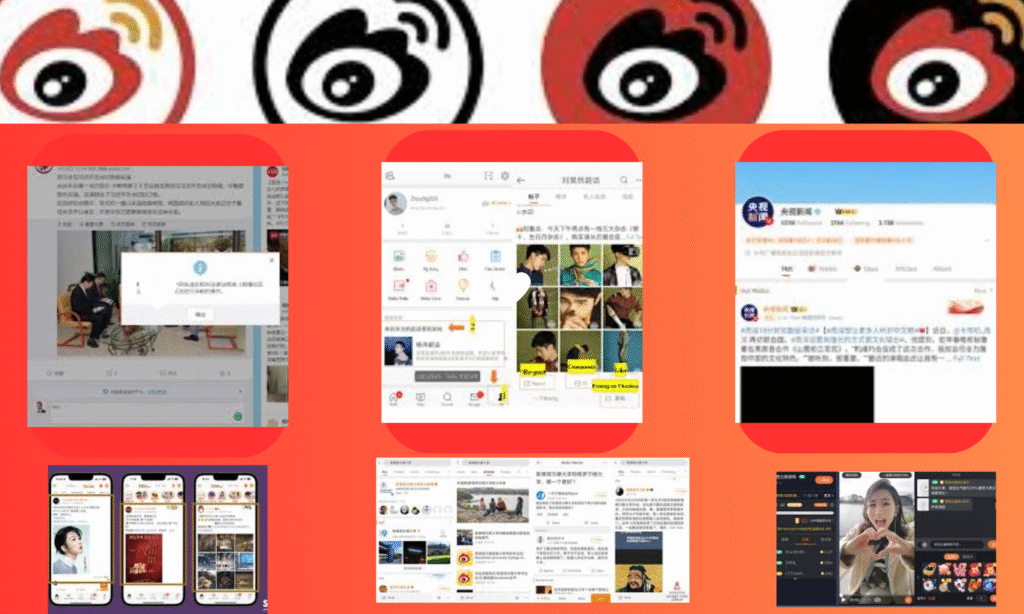
weibo features image worldstan.com

Exploring Weibo: Unraveling Ownership and User Dynamics

Ownership Dynamics:

Alibaba’s Investment In April 2013, Alibaba Group announced its acquisition of an 18% stake in Sina Weibo for a staggering sum of US$586 million. The deal came with an option for Alibaba to increase its ownership to 30% in the future. Alibaba later exercised this option after Weibo’s listing on NASDAQ in April 2014.

User Landscape:

Dominance in the Market As of March 2011, Sina Weibo held a commanding share of China’s microblogging market, boasting 56.5% of active users and 86.6% of browsing time, outpacing competitors like Tencent Weibo and Baidu. The platform’s influence is underscored by the fact that the top 100 users collectively amassed over 485 million followers.

Diverse User Base Sina Weibo’s user base encompasses a wide array of demographics and interests, including Asian celebrities, movie stars, singers, prominent business and media figures, athletes, scholars, artists, and government officials from various regions such as Hong Kong, Mainland China, and Taiwan. Notable international figures and organizations, including political leaders like Narendra Modi and Boris Johnson, also have a presence on the platform.

Verification System Similar to Twitter, Sina Weibo operates a verification program to authenticate accounts of well-known individuals and organizations. Verified accounts are distinguished by a verification badge displayed alongside the account name, enhancing credibility and trustworthiness.

User Growth By Q1 of 2018, Sina Weibo’s active user base surged past 400 million, cementing its position as the 7th platform globally to achieve this milestone. Daily usage witnessed a notable uptick, signaling sustained engagement and relevance among users.

Government Intervention and Global Impact:

Ban in India In June 2020, Weibo faced the repercussions of geopolitical tensions as it was among the 59 Chinese apps banned by the Indian government. The ban resulted in the deactivation of prominent accounts, including that of Prime Minister Narendra Modi, highlighting the platform’s entanglement in broader geopolitical dynamics.

History

Date

Event

July 2009

China shuts down domestic microblogging services, leading to the creation of Sina Weibo by Sina Corporation CEO Charles Chao.

August 14, 2009

Sina launches the tested version of Sina Weibo, offering basic functions like messaging and commenting.

September 2009

Introduction of basic functions including message, private message, comment, and reposting on Sina Weibo.

July 28, 2010

Sina Weibo launches a compatible API platform for third-party applications.

December 1, 2010

Website experiences an outage due to increasing user numbers and posts.

February 2011

Registered users surpass 100 million milestone.

March 23, 2011

t.cn replaces sinaurl.cn as Sina Weibo’s official shortened URL.

April 7, 2011

weibo.com replaces t.sina.com.cn as the new main domain name, accompanied by an updated logo.

June 2011

Announcement of English-language version of Sina Weibo, though content remains governed by Chinese law.

January 11, 2013

Strategic cooperation agreement signed between Sina Weibo and Alibaba China.

January 2013

Sina Weibo and NetEase.com reach cooperation agreement for language translation services.

February 2013

Sina Weibo’s financial report shows revenue exceeding US$66 million and registered users surpassing 500 million.

April 2013

Sina Weibo signs strategic cooperation agreement with Alibaba, with Alibaba acquiring 18% stake.

April 2014

Alibaba exercises option to acquire up to 30% stake in Sina Weibo upon its listing on NASDAQ.

March 9, 2010

Ai Weiwei’s posts about the 2008 Sichuan earthquake deleted, and his account closed by Sina Weibo.

March 30, 2010

Gigi Leung’s post about jailed activist Zhao Lianhai deleted by Sina Weibo.

March 16, 2012

Sina Weibo users in Beijing instructed to register with real names.

March 31, 2012

Comment function of Sina Weibo shut down for three days.

May 2012

Sina Weibo introduces new restrictions on user-posted content.

October 2012

Sina Weibo heavily censors discussion of Foxconn strikes.

June 4, 2013

Sina Weibo blocks search terms related to the Tank Man image and the Rubber Duck sculpture.

September 8, 2017

Weibo issues ultimatum for users to verify accounts with real names.

February 18, 2018

Sina Weibo introduces “Comment moderation” function.

April 2018

Weibo begins crackdown on anime, games, and short videos depicting sensitive content.

June 11, 2020

Weibo ordered to suspend “trending topics” page by Chinese authorities.

February 22, 2022

Horizon News accidentally posts instructions not to post anti-Russia content on its Weibo page.

January 2023

Sina Weibo takes action against more than 1,000 social media accounts that express criticism towards the Chinese government’s handling of the COVID-19 pandemic.


Conclusion:

In conclusion, Weibo has evolved from its inception in 2009 to become a cornerstone of China’s social media landscape. With its launch by Sina Corporation, Weibo quickly gained popularity, boasting millions of monthly and daily active users by 2022. The platform’s strategic initiatives, including regulatory adjustments and privatization, have ensured its adaptability and resilience in the face of challenges. Weibo’s user experience, diverse user base, and notable figures have contributed to its cultural significance, making it the preferred social media platform among Chinese users. Despite facing government interventions and geopolitical tensions, Weibo remains a pivotal player in China’s digital ecosystem, shaping discourse and connectivity both regionally and globally. Its historical evolution and continued growth underscore its enduring significance in the realm of microblogging and social media.Top of Form

FAQs:


  1. What is Weibo, and when was it launched?
    • Weibo, initially known as Sina Weibo, is a leading microblogging website in China, launched by Sina Corporation on August 14, 2009.
  2. How did Weibo’s user base grow by Q1 of 2022?
    • By Q1 of 2022, Weibo’s user base had grown to surpass 582 million monthly active users and 252 million daily active users.
  3. What significant corporate action did Sina Corporation take regarding Weibo in March 2014?
    • In March 2014, Sina Corporation spun off Weibo as a separate entity, leading to its IPO under the symbol WB, with Alibaba becoming a significant stakeholder.
  4. What was the goal behind launching the International Version of Sina Weibo in March 2017?
    • The goal was to expand its reach and engage a broader audience beyond China’s borders.
  5. What measures did Weibo take to comply with regulatory requirements?
    • Weibo suspended registrations for minors under 14 in November 2018 and launched “Project Deep Blue” in July 2019 to purge inappropriate content.
  6. Why did Weibo decide to go private again in September 2020?
    • The decision was a response to escalating US-China tensions.
  7. What does the name “Weibo” signify, and what are its main features?
    • “Weibo” translates to “microblog” in Chinese, offering features like text, image, and video sharing, comments, multimedia messaging, and celebrity engagements.
  8. What is the demographic makeup of Weibo’s user base?
    • Weibo’s user base is predominantly college-aged, with an even gender split and significant mobile access, exceeding 500 million registered users.
  9. How did Alibaba’s investment in Weibo evolve?
    • In April 2013, Alibaba acquired an 18% stake in Sina Weibo for US$586 million, later increasing its ownership to 30% after Weibo’s NASDAQ listing in April 2014.
  10. What impact did the ban in India have on Weibo?
    • The June 2020 ban by the Indian government led to the deactivation of prominent accounts, including Prime Minister Narendra Modi’s, due to geopolitical tensions.
  11. How has the Chinese government’s interventions affected Weibo’s operations?
    • Interventions have included censoring discussions, deleting posts, requiring real-name registrations, and suspending certain platform features, reflecting the platform’s navigation through regulatory landscapes.
  12. What challenges and changes has Weibo faced due to government censorship and policy adjustments?
    • Weibo has implemented content restrictions, real-name verification, and comment moderation functions while also dealing with temporary suspensions of features to comply with government directives.

These questions and answers encapsulate Weibo’s evolution, strategic initiatives, and the challenges it faces within the complex digital and regulatory landscape of China.

Prof. Mian Waqar Ahmad

Prof. Mian Waqar Ahmad

Prof. Mian Waqar Ahmad, a dynamic force straddling the realms of academia and digital media. As a distinguished Lecturer in Information Sciences, he imparts knowledge within the academic sphere, igniting the minds of his students. Beyond the classroom, Prof. Mian Waqar Ahmad dons the hat of a seasoned blogger on Worldstan.com, where his insightful posts delve into the intricacies of information sciences. His digital footprint extends even further as a YouTuber, leveraging the platform to share his expertise and make complex concepts accessible to a global audience. Prof. Mian Waqar Ahmad’s journey embodies the fusion of traditional education and contemporary digital outreach, leaving an indelible mark on the evolving landscape of information sciences. Explore his world at Worldstan.com and witness the convergence of academia and the digital frontier.