Skype App

Www.worldstan.com 4
  • What revolutionary concept did Skype App introduce to internet communication in 2003?
  • How did Skype’s peer-to-peer (P2P) network revolutionize scalability?
  • What strategic move did eBay make in 2005 regarding Skype App?
  • How did Microsoft integrate Skype into its ecosystem following its acquisition in 2011?
  • What were the key milestones following Microsoft’s acquisition of Skype in 2011?
  • What significant advancements followed Microsoft’s acquisition of Skype App?
  • What privacy concerns were raised regarding Skype’s encryption and surveillance?
  • How did Skype address security and privacy concerns over time?
  • How does Skype support language diversity among its users?
  • What educational initiatives has Skype undertaken, and what challenges has it faced?
  • What year did Skype revolutionize internet communication?
  • Who were the developers behind Skype’s pioneering software?
  • Where was Skype Technologies based?
  • What capabilities did Skype integrate into its platform?
  • How did Skype App leverage the voice-over-Internet protocol (VoIP)?
  • What milestone did Skype achieve by 2005 in terms of users?
  • What sets Skype’s VoIP system apart from conventional telephone networks?
  • Who conceived Skype’s decentralized, peer-to-peer (P2P) network?
  • How did Skype’s P2P network revolutionize scalability?
  • What philosophy does Skype embrace in terms of services?
  • What services does Skype offer free of charge?
  • How do users communicate on Skype?
  • What supplementary features does Skype offer?
  • How did eBay initially get involved with Skype?
  • Who acquired Skype in 2011, and for how much?
  • How did Microsoft envision integrating Skype into its products?
  • What products did Microsoft integrate Skype into?
  • What foundation did Skype lay for Facebook?
  • What is one word that epitomizes Skype’s journey?
  • Who were the key individuals behind Skype’s inception?
  • When was Skype’s first public beta release?
  • What strategic alliance did Skype establish in 2005?
  • Who acquired Skype Technologies SA in September 2005?
  • How much did eBay acquire Skype for?
  • When was Skype divested in 2009, and to whom?
  • What notable collaboration occurred with Comcast in July 2011?
  • What feature did Skype introduce in June 2013?
  • Which payment service did Skype collaborate with between 2017 and 2020?
  • What feature did Skype introduce in collaboration with PayPal?
  • How was Skype recognized in 2019 in terms of mobile apps?
  • How many mobile apps were downloaded globally in the 2010-2019 decade?
  • What category did Skype fall into regarding mobile app downloads?
  • How did Microsoft finalize its acquisition of Skype?
  • When was the acquisition of Skype completed by Microsoft?
  • How did Microsoft integrate Skype into its Windows 8 and Windows RT operating systems?
  • When did Microsoft launch a dedicated Skype client app for Windows 8?
  • When did Microsoft announce the replacement of Lync with Skype for Business?
  • What was the purpose of transitioning from Lync to Skype App for Business?
  • What did Microsoft’s integration of Skype signify?
  • When did Microsoft unveil HD quality video for Apple iPhone and iPad apps?
  • What version update introduced HD quality video for Apple devices?
  • What Microsoft product integrated a new chat powered by Skype App in November 2014?
  • What did the integration of Skype App with Microsoft Office enable?
  • What did Skype introduce in September 2015 to revolutionize expression?
  • What are “Mojis”?
  • What is the aim of “Mojis” in Skype conversations?
  • When did Skype introduce an early Alpha version of a new Skype for Linux client?
  • Which technology was the new Skype for Linux client built with?
  • What updates were introduced in September and October 2016 for Skype?
  • What did Skype for Business launch for Mac in October 2016?
  • When did Microsoft announce plans to discontinue its Skype Wi-Fi service globally?
  • When did the Skype Wi-Fi service cease functioning?
  • What initiatives aimed to revamp Skype’s functionality?
  • What were Microsoft’s plans to incorporate into Skype’s features?
  • How did Skype handle encryption and privacy claims?
  • What encryption method did Skype initially promote as robust?
  • What surveillance program underscored Skype’s vulnerability to clandestine surveillance?
  • How did Skype’s incorporation of features raise suspicions?
  • What concerns were raised about Skype’s cooperation with law enforcement agencies?
  • What legal requirements posed challenges to Skype’s operation?
  • What efforts did Microsoft make to address privacy concerns?
  • What significant step did Skype take towards bolstering user privacy?
  • What signifies Skype’s commitment to privacy protection?
  • What languages does Skype offer support for?
  • How many languages can users access Skype in?
  • What customization options does Skype offer for language support?
  • How does Skype ensure inclusivity across diverse language communities?
  • What is one prevalent use case of Skype’s non-paid version in education?
  • How does Skype enhance learning opportunities?
  • What initiative does Skype offer for educators to create interactive classrooms?
  • What does the Skype in the Classroom initiative aim to encourage?
  • What educational program connects classrooms with volunteer scientists?
  • Who established the “Skype a Scientist” program?
  • How many classrooms were connected through the “Skype a Scientist” initiative?
  • How many volunteer scientists participated in the “Skype a Scientist” program?
  • What challenges does Skype face in terms of adoption in educational institutions?
  • What restrictions do some educational institutions impose on Skype?
  • What reasons are speculated behind the restrictions on Skype in educational institutions?
  • What policy enhancements did Skype App institute for user accounts in January?
BOOK NOW 1024x512

Introduction to Skype App:

In 2003, Skype App revolutionized internet communication with its pioneering software, developed by Niklas Zennström and Janus Friis. Operating from Luxembourg, Skype App Technologies introduced a dynamic platform integrating voice, video, and instant messaging capabilities, leveraging the voice-over-Internet protocol (VoIP). This groundbreaking approach garnered 50 million users by 2005, skyrocketing to over 600 million within the subsequent half-decade.

Setting itself apart from conventional telephone networks, Skype’s VoIP system converts analog voice signals into digital data transmitted over the internet. The platform’s decentralized, peer-to-peer (P2P) network, conceived by Zennström and Friis, revolutionized scalability by distributing processing tasks and bandwidth among interconnected computers. This innovative model, licensed by eBay from Joltid, propelled exponential growth while minimizing infrastructure overheads.Embracing the philosophy of freeware, Skype offers fundamental services such as in-network calling free of charge. Users seamlessly communicate through voice and video calls using the desktop client or compatible smartphones. Supplementary features like caller identification, voicemail, and conference calling enhance its versatility, with options to expand functionality to traditional telephone networks for a fee.

The trajectory of Skype’s ownership underscores its strategic importance in the digital realm. Acquired by eBay in 2005 for $2.5 billion, Skype encountered challenges integrating within the auction giant’s ecosystem. Subsequent divestment attempts witnessed Zennström and Friis reclaiming stakes amid legal disputes over intellectual property rights. Microsoft’s acquisition of Skype in 2011 for $8.5 billion marked a pivotal moment, affirming its indispensable role in the tech landscape.Microsoft envisioned Skype’s integration beyond conventional boundaries, embedding the platform into diverse products such as Xbox, Outlook, and Windows smartphones. Concurrently, Skype App  laid the foundation for Facebook’s venture into video chat services, solidifying its position as an indispensable tool for contemporary communication.Skype’s journey epitomizes innovation, resilience, and adaptability, continually redefining the parameters of digital communication in an ever-evolving technological landscape.

The History of Skype App:

The Genesis of Skype App: A Collaborative Innovation Journey

Skype’s inception in 2003 by Niklas Zennström of Sweden and Janus Friis of Denmark marks a pivotal moment in internet communication. Spearheaded by Estonian developers Ahti Heinla, Priit Kasesalu, Jaan Tallinn, and Toivo Annus, Skype emerged from the visionary idea of Friis and Annus to revolutionize voice calls using a peer-to-peer (P2P) protocol akin to Kazaa. Initial trials of an alpha version commenced in spring 2003, with the first public beta release on 29 August 2003.

Expanding Horizons: Strategic Partnerships and Acquisitions

In June 2005, Skype App established a strategic alliance with the Polish web portal Onet.pl, paving the way for comprehensive integrated solutions within the Polish market. The momentum continued as eBay Inc. announced its acquisition of Skype Technologies SA in September 2005 for approximately US$2.5 billion. Subsequent divestment in 2009 saw eBay selling 65% of Skype App to Silver Lake, Andreessen Horowitz, and the Canada Pension Plan Investment Board for US$1.9 billion. A notable collaboration with Comcast in July 2011 further propelled Skype’s reach, bringing its video chat service to Comcast subscribers via HDTV sets.

Evolution of Features: Video Messaging and Financial Integration

Skype’s evolution is marked by continuous innovation and feature enhancements. In June 2013, the platform introduced free video messaging services across multiple operating systems, including Windows, Mac OS, iOS, iPadOS, Android, and BlackBerry. Collaborating with PayPal between 2017 and 2020, Skype introduced a money-send feature, allowing users to seamlessly transfer funds within the Skype mobile app during conversations.

Milestones in User Adoption and Recognition

Skype’s impact resonated globally, as evidenced by its recognition as the sixth most-downloaded mobile app of the decade (2010-2019) in 2019. This acknowledgment underscores Skype’s enduring relevance and popularity among users worldwide, solidifying its status as a leading force in digital communication.

Skype’s journey exemplifies collaborative innovation, strategic partnerships, and a commitment to enhancing user experience, positioning it as a trailblazer in the realm of internet communication.

Date

Event

2003

Inception of Skype by Niklas Zennström and Janus Friis.


Development of the software by Ahti Heinla, Priit Kasesalu, Jaan Tallinn, and Toivo Annus.

Spring 2003

Creation and testing of the early alpha version of Skype.

29 August 2003

Release of the first public beta version of Skype.

June 2005

Collaboration with Onet.pl for integrated solutions in the Polish market.

12 September

Acquisition agreement by eBay for Skype Technologies SA, valuing at approximately US$2.5 billion.

2005

Purchase of Skype by eBay Inc.

1 September

Sale of 65% stake in Skype by eBay to Silver Lake, Andreessen Horowitz, and Canada Pension Plan Investment Board.

2009

Divestment of a portion of Skype by eBay, valued at US$2.75 billion.

14 July 2011

Partnership with Comcast to introduce video chat service for Comcast subscribers.

17 June 2013

Launch of free video messaging services across various operating systems.

2013

Introduction of free video messaging services by Skype.

2017 – 2020

Collaboration with PayPal to integrate money transfer feature within the app.

2019

Recognition as the sixth most-downloaded mobile app of the decade.

Microsoft's Integration of Skype App: A New Era of Communication

Acquisition and Incorporation

On 10 May 2011, Microsoft Corporation finalized the acquisition of Skype App Communications, S.à r.l for a staggering US$8.5 billion. With this purchase, Microsoft absorbed all of Skype’s technologies, incorporating it as a division within its operations. The acquisition process concluded on 13 October 2011, signaling a significant shift in the landscape of digital communication.

Seamless Integration with Microsoft Ecosystem

Microsoft wasted no time in integrating the Skype service with its suite of products. It assumed control over the development of existing Skype desktop and mobile applications while simultaneously crafting a dedicated client app tailored for its touch-centric Windows 8 and Windows RT operating systems. This dedicated app debuted on the Windows Store coinciding with the launch of Windows 8 on 26 October 2012. Subsequently, it became the default messaging application for Windows 8.1, supplanting the existing Windows 8 Messaging app, and was pre-installed on all devices running or upgraded to 8.1.

Streamlining Operations: Transition from Legacy Products

In a strategic move, Microsoft embarked on a month-long transition from 8 to 30 April 2013, discontinuing two of its own products in favor of Skype. Notably, the widely-used Windows Live Messenger instant messaging service was phased out, except for continued availability in mainland China until October 2014. This streamlined approach consolidated Microsoft’s messaging offerings under the Skype banner, enhancing user experience and operational efficiency.

Evolution into Skype for Business

Recognizing the need for unified communication solutions, Microsoft announced on 11 November 2014, its plans to replace its Lync product with Skype for Business in 2015. This transition aimed to amalgamate the functionalities of Lync with the consumer-oriented features of Skype App, empowering organizations to seamlessly switch between the default Skype for Business interface and the familiar Lync interface based on their specific requirements.

Microsoft’s integration of Skype signifies a strategic alignment with its broader ecosystem, ushering in a new era of interconnected communication solutions tailored to meet evolving user needs and industry demands.

Date

Event

10 May 2011

Microsoft acquires Skype Communications, S.à r.l for US$8.5 billion.

13 October 2011

Completion of Microsoft’s acquisition of Skype, incorporating it as a division within the company.

26 October 2012

Introduction of a dedicated Skype client app for Windows 8 and Windows RT operating systems.


Skype becomes default messaging app for Windows 8.1, pre-installed on devices upgraded to 8.1.

8 – 30 April 2013

Microsoft discontinues Windows Live Messenger in favor of Skype, except in mainland China until October 2014.

11 November 2014

Microsoft announces the replacement of Lync with Skype for Business, integrating functionalities of both platforms.

Advancements Following Acquisition

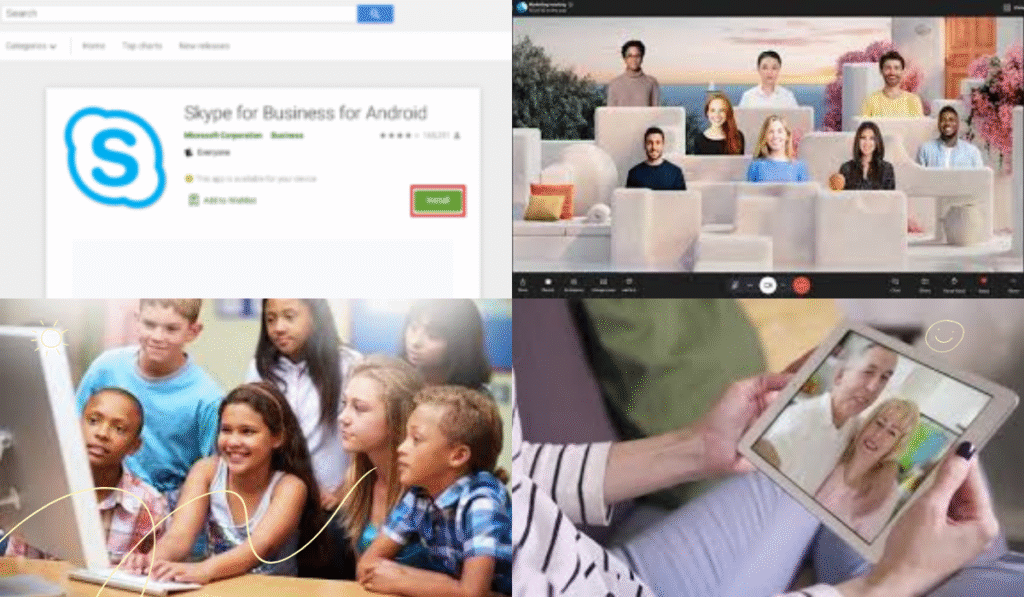
In the aftermath of Microsoft’s acquisition of Skype, a series of transformative developments reshaped the landscape of digital communication.
Untitled Design 22 1024x597

Advancements Following Acquisition

In the aftermath of Microsoft’s acquisition of Skype, a series of transformative developments reshaped the landscape of digital communication.

Enabling High-Quality Video

In August 2013, Skype unveiled the 4.10 update for Apple iPhone and iPad apps, heralding the era of HD quality video for iPhone 5 and fourth-generation iPads.

Integration with Microsoft Office

November 2014 witnessed a significant milestone as Microsoft Office integrated a new chat powered by Skype. This integration enabled seamless intra-document communication, empowering users to interact with co-workers within the same document.

Introduction of Mojis

Skype revolutionized expression in September 2015 with the introduction of Mojis. These short video clips and GIFs, featuring iconic characters from films and TV shows, offered users a novel way to convey emotions during conversations. Collaborations with major studios enhanced the Mojis collection, enriching the user experience.

Expansion to New Platforms

In response to user demand, Skype expanded its horizons. July 2016 saw the introduction of an early Alpha version of a new Skype App for Linux client, built with WebRTC technology. Subsequent updates in September and October of the same year brought new features to the iOS app and launched Skype for Business for Mac, respectively.

Streamlining Services

In February 2017, Microsoft announced plans to discontinue its Skype Wi-Fi service globally, marking a strategic shift. The application ceased functioning on 31 March 2017. Subsequent initiatives aimed to revamp Skype’s functionality, including plans to incorporate features reminiscent of Snapchat.

Interface Overhaul

Microsoft’s transition of Skype from a peer-to-peer to a central server-based system was accompanied by significant interface overhauls. Windows, iOS, Android, Mac, and Linux platforms all underwent visual enhancements, with a focus on prioritizing text-based messaging over voice calling.

Date

Event

12 August 2013

Skype releases 4.10 update for Apple iPhone and iPad apps, enabling HD quality video for iPhone 5 and fourth-generation iPads.

20 November 2014

Microsoft Office integrates new chat powered by Skype, facilitating intra-document communication among users.

15 September 2015

Skype introduces Mojis, featuring short video clips and GIFs from films and TV shows, enhancing expressive communication on the platform.


Microsoft acquires technology from Talko, enriching Skype’s capabilities.

July 2016

Skype launches early Alpha version of new Skype for Linux client using WebRTC technology.

September 2016

iOS app updated with new features, including Siri voice command integration.

October 2016

Microsoft debuts Skype for Business for Mac.

February 2017

Microsoft announces discontinuation of Skype Wi-Fi service globally.

June 2017

Plans unveiled to revamp Skype with Snapchat-like features for temporary photo and video sharing.

Late June 2017

iOS app receives update with revamped design and third-party integrations.

December 2017

Introduction of “Skype Interviews,” facilitating shared code editing for programming job interviews.


Microsoft transitions Skype from peer-to-peer to central server system, enhancing text-based messaging features and updating user interfaces across platforms.

Security and Privacy Concerns:

Encryption and Privacy Claims

Skype’s early assertions of being a secure communication platform boasted of “highly secure with end-to-end encryption.” The encryption, based on RSA for key negotiation and the Advanced Encryption Standard for conversation encryption, was promoted as robust. However, the lack of transparency and the proprietary nature of Skype’s protocols raised concerns about verifiability and user privacy.

Surveillance and Privacy Breaches

The revelation of the PRISM surveillance program underscored the vulnerability of Skype’s data to clandestine surveillance by agencies like the NSA. Skype’s incorporation of features that obscure its traffic raised suspicions, but it was not specifically designed for anonymous communication. Reports suggested that Skype might have provided authorities access to user information, leading to concerns about privacy breaches and surveillance.

Legal and Technical Challenges

Legal requirements, such as the Communications Assistance for Law Enforcement Act (CALEA), posed challenges to Skype’s operation. The interpretation of such laws by regulatory bodies like the FCC raised questions about compliance and user privacy. Microsoft’s alleged efforts to facilitate wiretapping and its cooperation with law enforcement agencies further fueled apprehensions about privacy infringement.

Vulnerabilities and Security Flaws

Skype’s history was marred by security vulnerabilities and flaws. From IP address tracking to account takeovers and data breaches, users faced persistent risks. Automatic updates aimed at enhancing security faced resistance from users concerned about loss of control over updates.

End-to-End Encryption

Despite past shortcomings, Skype has made strides in addressing privacy concerns. The implementation of end-to-end encryption across all platforms signifies a significant step towards bolstering user privacy and data security. However, ongoing vigilance and scrutiny are imperative to ensure sustained commitment to privacy protection.

Language Support in Skype App:

Built-In Locales and Languages

Skype offers comprehensive language support, catering to diverse linguistic preferences worldwide. Users can access Skype App in a multitude of languages, including Arabic, Bulgarian, Catalan, Chinese (both Traditional and Simplified), Croatian, Czech, Danish, Dutch, English, Estonian, Finnish, French, German, Greek, Hebrew, Hungarian, Indonesian, Italian, Japanese, Korean, Latvian, Lithuanian, Nepali, Norwegian, Polish, Portuguese (both Brazilian and European), Romanian, Russian, Serbian, Slovak, Slovenian, Spanish, Swedish, Thai, Turkish, Ukrainian, and Vietnamese.

Customization Options

The Windows desktop version of Skype App goes beyond built-in language options, empowering users to create and utilize new language files. This flexibility allows for the incorporation of additional languages and localized content, enabling users to tailor their Skype experience to their specific linguistic needs. As a result, users can access Skype in over 80 additional (full or partial) localizations, ensuring inclusivity and accessibility across diverse language communities.

Skype's Educational Potential Application:

Skype’s Educational Potential Application:

Educational Application

Despite being primarily a commercial platform, Skype’s non-paid version is increasingly utilized by educators, schools, and charitable organizations for various global education initiatives. One prevalent use case involves facilitating language learning through conversational exchanges in participants’ native languages.

Enhanced Learning Opportunities through Video Conferencing

Skype’s video conferencing feature has garnered praise for its capacity to connect students speaking different languages, enable virtual field trips, and facilitate direct engagement with subject matter experts. This functionality enriches the learning experience by transcending geographical boundaries and fostering interactive learning environments.

Skype in the Classroom Initiative

Skype in the Classroom represents a complimentary tool provided by Skype on its platform, aimed at encouraging educators to create more interactive classrooms and collaborate with peers worldwide. The initiative offers various Skype lessons for student participation and empowers teachers to leverage a search tool to connect with experts in specific fields.

Impactful Educational Programs like Skype a Scientist

Skype’s educational endeavors extend to initiatives like Skype a Scientist, established by biologist Sarah McAnulty in 2017. Over two years, this program successfully facilitated connections between 14,312 classrooms and over 7,000 volunteer scientists, offering students firsthand insights into various scientific disciplines.

Adoption Challenges and Network Restrictions

Despite its educational benefits, Skype faces uneven adoption rates, with numerous educational institutions in the United States and Europe choosing to block the application from their networks. The reasons behind these restrictions remain unspecified, highlighting potential concerns or policy considerations within these institutions.

Account Management and Customer Support

Policy Enhancements for User Accounts

In January 2010, Skype instituted substantial revisions to its policies concerning inactive accounts, discontinuing the practice of seizing funds from accounts without paid calls for 180 days. This change was precipitated by the resolution of a class-action lawsuit, underscoring Skype’s commitment to enhancing customer satisfaction. Moreover, as part of the settlement, Skype extended compensation of up to US$4 to individuals engaged in the legal proceedings.

Expansion of Customer Support Infrastructure

By February 2012, Skype had expanded its support framework to ensure users receive prompt assistance as needed. Users now benefit from access to a diverse array of support avenues, including the web support portal, community forums, @skypesupport on Twitter, and the official Skype Facebook page. Direct contact options, such as email and live chat, are available via the web support portal, while Chat Support is presented as a premium feature to select paid users.

Refund Policy Transparency and Fairness

Skype’s refund policy aims to instill peace of mind among users by offering full refunds for unused Skype Credit balances below 1 euro. Furthermore, upon request, Skype extends pro-rated refunds for the unused period of a product, emphasizing equity and transparency in financial transactions.

Addressing User Concerns and Feedback

Despite earnest efforts to enhance user experience, Skype has encountered criticism regarding its procedures for account closure. Some users have voiced frustration over the inability to fully terminate their accounts, with the sole recourse being to deactivate the account by expunging personal information, except for the username. This feedback underscores the necessity for refined account management options to grant users enhanced control.

Compensation for Service Disruptions

In instances of service disruptions, such as the outage on 21 September 2015 affecting users in New Zealand, Australia, and other regions, Skype has demonstrated its dedication to customer satisfaction by extending compensation. Affected users were furnished with 20 minutes of complimentary calls to over 60 landline and 8 mobile phone destinations as a gesture of goodwill and recognition of the inconvenience incurred.

Date

Event

January 2010

Skype revises its inactive account policy after settling a class-action lawsuit, discontinuing the seizure of funds.


February 2012

Enhanced customer support options introduced, including web portal, community forums, Twitter, and Facebook.


Chat Support becomes a premium feature for select paid users.


Refund Policy

Skype offers full refunds for unused Skype Credit under 1 euro, with prorated refunds for unused product periods.


Account Closure

Users criticize Skype for the inability to fully close accounts, with only the option to make them inactive.


September 2015

Skype compensates users affected by a service outage with 20 minutes of free calls to select destinations.

Conclusion:

Skype’s inception in 2003 marked a watershed moment in the evolution of internet communication. Developed by visionaries Niklas Zennström and Janus Friis, alongside a team of talented developers, Skype Technologies introduced a dynamic platform that seamlessly integrated voice, video, and instant messaging capabilities. Leveraging the VoIP protocol, Skype App transcended traditional telephone networks, converting analog voice signals into digital data transmitted over the internet. This innovative approach, underpinned by a decentralized, peer-to-peer network, revolutionized scalability while minimizing infrastructure overheads, propelling Skype’s rapid ascent to over 600 million users within a decade.

The trajectory of Skype’s ownership, from its acquisition by eBay in 2005 to subsequent divestments and Microsoft’s landmark acquisition in 2011, underscored its strategic significance in the digital landscape. Challenges integrating within eBay’s ecosystem prompted divestment attempts, culminating in Microsoft’s acquisition for $8.5 billion. Microsoft’s vision extended beyond conventional boundaries, embedding Skype into diverse products like Xbox and Outlook, while laying the foundation for Facebook’s venture into video chat services. This strategic integration solidified Skype’s position as an indispensable tool for contemporary communication, epitomizing innovation, resilience, and adaptability in a rapidly evolving technological landscape.

Skype’s collaborative innovation journey, spearheaded by a diverse team of developers from Estonia to Sweden and Denmark, exemplifies the power of visionary ideas and strategic partnerships. From its strategic alliance with Onet.pl to collaborations with Comcast, Skype’s expansion into global markets and integration into diverse platforms propelled its reach and impact. As Skype continues to redefine the parameters of digital communication, its legacy serves as a testament to the transformative potential of collaborative innovation in shaping the future of connectivity and communication.

FAQs:

  1. What revolutionary concept did Skype introduce to internet communication in 2003?

Skype introduced a dynamic platform integrating voice, video, and instant messaging capabilities using the voice-over-Internet protocol (VoIP), revolutionizing internet communication.

  1. How did Skype’s peer-to-peer (P2P) network revolutionize scalability?

Skype’s P2P network distributed processing tasks and bandwidth among interconnected computers, minimizing infrastructure overheads and enabling exponential growth.

  1. What strategic move did eBay make in 2005 regarding Skype?

In 2005, eBay acquired Skype Technologies SA for approximately US$2.5 billion, recognizing its strategic importance in the digital realm.

  1. How did Microsoft integrate Skype into its ecosystem following its acquisition in 2011?

Microsoft embedded Skype into diverse products such as Xbox, Outlook, and Windows smartphones, expanding its integration beyond conventional boundaries.

  1. What were the key milestones following Microsoft’s acquisition of Skype in 2011?

Key milestones include the introduction of a dedicated Skype client app for Windows 8, discontinuation of Windows Live Messenger in favor of Skype, and the announcement of Skype for Business to replace Lync.

  1. What significant advancements followed Microsoft’s acquisition of Skype?

Advancements included the introduction of HD quality video for Apple devices, integration with Microsoft Office, introduction of Mojis for expression, and expansion to new platforms like Linux and Mac.

  1. What privacy concerns were raised regarding Skype’s encryption and surveillance?

Concerns were raised regarding the lack of transparency and proprietary nature of Skype’s protocols, its vulnerability to surveillance programs like PRISM, and potential privacy breaches due to cooperation with law enforcement agencies.

  1. How did Skype address security and privacy concerns over time?

Skype implemented end-to-end encryption across all platforms to bolster user privacy and data security, representing a significant step towards addressing past shortcomings.

  1. How does Skype support language diversity among its users?

Skype offers comprehensive language support with built-in locales and languages in over 80 additional localizations, empowering users to access the platform in their preferred language.

  1. What educational initiatives has Skype undertaken, and what challenges has it faced?

Skype has initiatives like Skype in the Classroom and Skype a Scientist to enhance learning opportunities, despite facing challenges such as uneven adoption rates and network restrictions in educational institutions.

Prof. Mian Waqar Ahmad

Prof. Mian Waqar Ahmad

Prof. Mian Waqar Ahmad, a dynamic force straddling the realms of academia and digital media. As a distinguished Lecturer in Information Sciences, he imparts knowledge within the academic sphere, igniting the minds of his students. Beyond the classroom, Prof. Mian Waqar Ahmad dons the hat of a seasoned blogger on Worldstan.com, where his insightful posts delve into the intricacies of information sciences. His digital footprint extends even further as a YouTuber, leveraging the platform to share his expertise and make complex concepts accessible to a global audience. Prof. Mian Waqar Ahmad’s journey embodies the fusion of traditional education and contemporary digital outreach, leaving an indelible mark on the evolving landscape of information sciences. Explore his world at Worldstan.com and witness the convergence of academia and the digital frontier.
Introduction and history of discord

Untitled Design 21
  • What is introduction and history of discord?
  • What is Discord primarily designed for?
  • What are the main communication features offered by Discord?
  • How does Discord facilitate voice calls?
  • What is the significance of video calls in Discord?
  • How does text messaging contribute to Discord’s functionality?
  • What role does media and file sharing play in Discord?
  • How does Discord ensure privacy in communication?
  • What are Discord servers, and how do they function?
  • How does Discord foster virtual communities?
  • What platforms is Discord accessible on?
  • Who are Discord’s primary users?
  • What are Discord’s monthly active user statistics as of 2024?
  • Where does Discord rank among the most visited websites worldwide?
  • How would you describe Discord’s significance in online communication?
  • Who were the founders of Discord?
  • What was the inspiration behind creating Discord?
  • What was the initial focus of Discord’s creators?
  • How did Hammer & Chisel contribute to Discord’s development?
  • What was the first venture of Hammer & Chisel?
  • How did the development of Fates Forever lead to the inception of Discord?
  • Who supported Hammer & Chisel in realizing the Discord vision?
  • When did Discord make its public debut?
  • What was Discord’s domain name upon its debut?
  • How did Discord gain popularity among gaming communities?
  • How did Discord expand beyond gaming?
  • What investments were crucial for Discord’s growth?
  • When did Discord shift its focus towards a broader communication platform?
  • How did the COVID-19 pandemic impact Discord’s valuation?
  • What challenges has Discord faced in terms of regulatory scrutiny?
  • What innovative features has Discord introduced despite setbacks?
  • What qualities does Discord’s journey exemplify?
  • What database architecture does Discord operate on?
  • How did Discord handle its message volume scaling?
  • What technologies are used in Discord’s frontend development?
  • What framework powers Discord’s desktop client?
  • What cloud infrastructure supports Discord’s operations?
  • What innovative feature was introduced into Discord’s mobile app in July 2020?
  • What programming languages are predominantly used in Discord’s backend?
  • What are Discord’s monetization strategies?
  • How do server boosts enhance Discord servers?
  • What additional revenue streams has Discord introduced?
  • How rapidly did Discord grow in its early stages?
  • What aspects of Discord garnered praise and recognition?
  • What milestones did Discord achieve by December 2016?
  • What user base statistics does Discord boast as of 2021?
  • What challenges has Discord faced in moderating its platform?
  • How has Discord addressed issues of cyberbullying and abuse?
  • What department does Discord maintain to respond to user reports?
  • What concerns have critics raised regarding Discord’s trust and safety efforts?
  • How has Discord responded to extremist use of its platform?
  • What actions has Discord taken to combat hate groups?
  • What measures has Discord implemented to address child safety concerns?
  • How has Discord responded to reports of grooming and abuse on its platform?
  • What actions has Discord taken regarding controversial enforcement decisions?
  • How does Discord navigate challenges in moderation?
  • What criticisms and controversies has Discord faced?
  • How does Discord address issues of hostile behavior within chat servers?
  • What subjects have prompted action from Discord due to sensitivity?
  • What efforts has Discord made to ensure trust and safety?
  • What concerns have been raised regarding Discord’s approach to private communities?
  • How has Discord responded to concerns about extremist infiltration?
  • What organizations has Discord collaborated with to combat hate groups?
  • How has Discord updated its terms of service and community guidelines regarding sexual exploitation?
  • controversies has DWhat iscord faced regarding enforcement decisions?
  • How does Discord balance free expression with maintaining a safe environment?
  • What innovative features has Discord introduced to enhance communication?
  • What challenges has Discord overcome in its journey?
  • How has Discord evolved over time?
  • What role has Discord played in online communication?
  • How does Discord differentiate itself from other communication platforms?
  • What are the benefits of using Discord for communication?
  • How has Discord’s user base changed since its inception?
  • What factors have contributed to Discord’s popularity?
  • What impact has Discord had on gaming communities?
  • How has Discord expanded its reach beyond gaming?
  • What partnerships has Discord formed to enhance its platform?
  • What investments have supported Discord’s growth?
  • How has Discord adapted to changes in user demographics?
  • What challenges has Discord faced in terms of regulatory compliance?
  • How has Discord addressed privacy concerns?
  • What measures has Discord implemented to enhance user experience?
  • What technological innovations has Discord introduced?
  • How has Discord utilized partnerships to enhance its features?
  • What strategic decisions has Discord made to ensure its success?
  • How has Discord responded to criticisms and controversies?
  • What initiatives has Discord undertaken to improve user safety?
  • How has Discord collaborated with external organizations to address societal issues?
  • What steps has Discord taken to combat hate speech and extremism?
  • How does Discord ensure a safe environment for its users?
  • What improvements has Discord made to its moderation policies?
  • How has Discord’s approach to content moderation evolved?
  • What challenges has Discord faced in regulating its platform?
  • How has Discord adapted to changes in user behavior?
  • What measures has Discord implemented to protect vulnerable users?
  • What resources does Discord provide to support its users?
  • How does Discord handle reports of inappropriate behavior?
  • What role does community feedback play in shaping Discord’s policies?
  • How transparent is Discord in its enforcement decisions?
  • How does Discord balance the needs of its diverse user base?
  • What initiatives has Discord undertaken to promote inclusivity?
  • How does Discord engage with its user community?
  • What measures has Discord taken to educate users about online safety?
  • How does Discord collaborate with law enforcement agencies?
  • What initiatives has Discord launched to address societal challenges?
  • How does Discord ensure compliance with legal regulations?
  • How does Discord protect user data and privacy?
  • What measures has Discord implemented to prevent abuse of its platform?
  • How does Discord respond to reports of illegal activity?
  • How does Discord support users affected by online harassment?
  • How does Discord promote digital citizenship among its users?
  • What steps has Discord taken to combat misinformation?
  • How does Discord address issues of cyberbullying?
  • How does Discord foster a sense of community among its users?
  • How does Discord ensure a positive user experience?
  • What resources does Discord provide to support mental health and well-being?
  • How does Discord address concerns about addictive behavior?
  • How does Discord promote responsible use of its platform?
  • How does Discord handle disputes between users?
  • How does Discord respond to feedback from its user community?
  • How does Discord ensure fairness and equality on its platform?
  • What initiatives has Discord launched to support diversity and inclusion?
  • How does Discord contribute to positive social change?
  • How does Discord empower its users to create safer online environments?
  • What values does Discord prioritize in its policies and practices?
Project 1024x546

Introduction And History Of Discord:

In this blog described Introduction and history of discord. Founded in the United States in 2015, Discord has emerged as a leading platform for communication and community building, boasting a user base of 150 million individuals. Recognized for its versatile features, including voice and text chat, as well as its robust community engagement tools, Discord has become a staple for gamers, creators, and communities alike. It is all the best record in history of discord The platform’s success in amassing 150 million users underscores its appeal and utility as a platform for connecting people with shared interests, fostering collaboration, and facilitating meaningful conversations in a variety of online communities and spaces.

Understanding Discord: The All-in-One Communication Platform

Introduction:

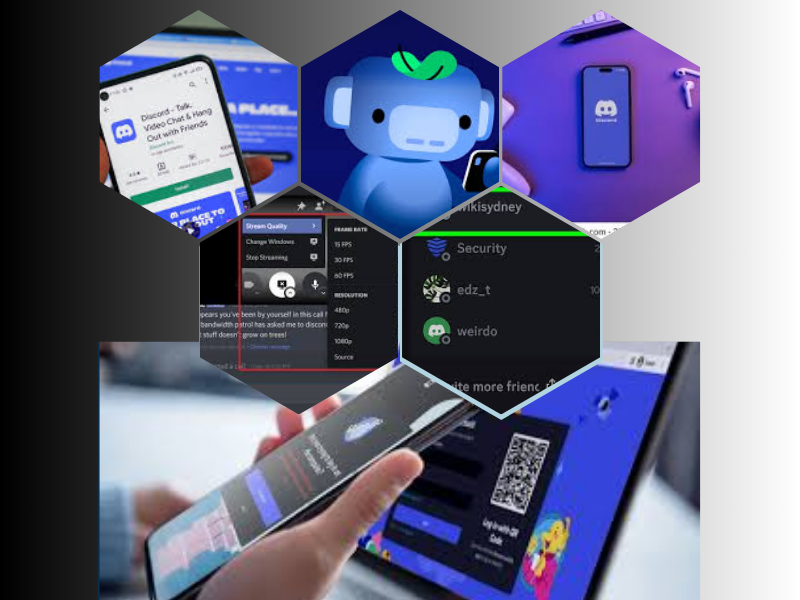
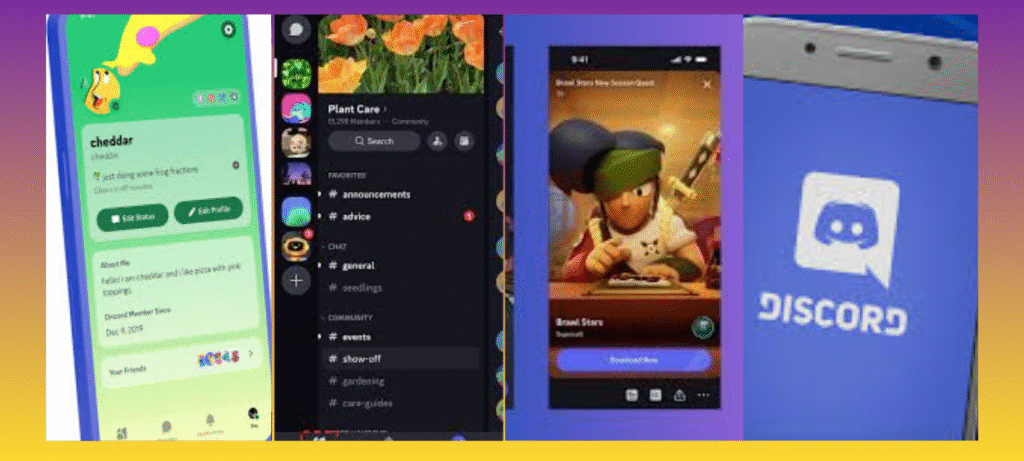
Introduction Discord is a versatile instant messaging and VoIP (Voice over Internet Protocol) platform designed for seamless communication across various mediums. In the history of discord it facilitates voice calls, video calls, text messaging, and the sharing of media and files, offering users a comprehensive means of interaction.

Untitled Design 20 1024x461

Main Features:

Voice and Video Calls One of Discord’s primary functionalities is its support for voice and video calls, enabling users to engage in real-time conversations with clarity and ease. It is all the best record in history of discord.

Text Messaging Text messaging forms a fundamental aspect of Discord’s communication suite, allowing users to exchange messages efficiently.

Media and File Sharing Users can share various forms of media and files within Discord, enhancing the richness of communication by incorporating visual and multimedia elements.

Server-Based Communication

Private Communication Discord facilitates private conversations between users, ensuring confidentiality and security in one-on-one or group interactions.

Virtual Communities: Servers The platform is structured around virtual communities known as “servers,” which serve as hubs for collective interaction. These servers encompass persistent chat rooms and voice channels, fostering a sense of community among members.

Accessibility:

Cross-Platform Compatibility Discord is accessible across multiple operating systems, including Windows, macOS, Android, iOS, iPadOS, Linux, and web browsers, ensuring broad accessibility for users regardless of their device prences.

User Bferease and Popularity

Primary User Base While initially catering predominantly to gamers, Discord’s user base has diversified over time, with increasing interest from individuals across various interest groups and communities.

Usage Statistics As of 2024, Discord boasts approximately 150 million monthly active users and supports 19 million weekly active servers, indicating its widespread adoption and usage among global audiences.

Global Reach Reflecting its popularity, Discord ranks as the 30th most visited website worldwide as of March 2024, with a significant portion of its traffic originating from the United States.

In conclusion, Discord stands as a comprehensive communication platform, offering a wide array of features and functionalities tailored to meet the diverse needs of its user base. Its continued popularity and evolving user demographics underscore its significance as a leading player in the realm of online communication.

History of Discord

Unveiling Discord: A Chronicle of Evolution

Genesis of Discord:

Jason Citron’s Vision In the history of discord, The seeds of Discord were sown in the mind of Jason Citron, co-founder of OpenFeint, a pioneering social gaming platform for mobile games. Alongside Stanislav Vishnevskiy, founder of Guildwork, another social gaming platform, Citron embarked on a journey to redefine communication in the gaming sphere.

The Birth of Hammer & Chisel With the sale of OpenFeint to GREE in 2011, in the history of discord,  Citron secured the means to establish Hammer & Chisel, a game development studio. Their maiden venture, Fates Forever, launched in 2014, marked a significant step towards their larger vision.

Identifying the Need In the history of discord, during the development of Fates Forever, Citron recognized the inefficiencies plaguing existing VoIP software, particularly in facilitating tactical discussions within games like Final Fantasy XIV and League of Legends. This realization spurred the inception of Discord, a chat service designed to prioritize user-friendliness without compromising performance.

From Concept to Creation:

Public Debut Discord emerged from the shadows in May 2015, debuting under the domain name discordapp.com. While its creators didn’t specifically target any audience, its adoption among gaming communities quickly became evident, supplanting traditional IRC links on gaming-related subreddits.

Expansion and Partnerships

Embracing Esports Discord swiftly became a staple among esports and LAN tournament gamers, leveraging partnerships with Twitch streamers and subreddit communities to solidify its position within the Securing Support Hammer & Chisel garnered crucial support from various quarters, including YouWeb’s 9+ incubator, Benchmark Capital, and Tencent, enabling the realization of the Discord vision.

gaming ecosystem. It is must in the history of discord.

Strategic Investments In a bid to fortify its foundations, Discord secured significant investments, notably a $20 million injection in January 2016, which included backing from WarnerMedia (then TimeWarner), and a subsequent $150 million funding round in December 2018.

Diversification and Adaptation

Shifting Focus The trajectory of Discord took a pivotal turn in June 2020, with a strategic shift towards positioning itself as an all-encompassing communication and chat client, shedding its exclusive gaming-oriented image.

Financial Milestones and Recognition

Rapid Valuation Surge Buoyed by its strategic realignment and the surge in online interactions spurred by the COVID-19 pandemic, Discord witnessed a meteoric rise in valuation, culminating in an estimated worth of $15 billion by August 2021.

Navigating Challenges and Innovations

Facing Regulatory Scrutiny The journey hasn’t been devoid of challenges, with Discord facing fines for GDPR violations and grappling with the fallout of inadvertently becoming a platform for disseminating sensitive information.

Innovative Endeavors Despite setbacks, Discord continues to innovate, evidenced by its foray into features like “Watch Together” in collaboration with YouTube and explorations into Web3 principles, albeit met with mixed reactions.

Conclusion

From its humble beginnings as a solution to gaming communication woes to its evolution into a multifaceted communication behemoth, Discord’s journey exemplifies resilience, adaptation, and the relentless pursuit of redefining digital discourse. As it navigates the ever-changing landscape of online communication, Discord remains a testament to the power of innovation and community.

The Architecture of Discord: A Deep Dive

Building Blocks

Database Architecture Discord operates on an eventually consistent database architecture, initially built on MongoDB. As the platform’s message volume soared, it transitioned to Apache Cassandra, later opting for ScyllaDB to handle the monumental scale of a trillion messages.

Frontend Development

App Ecosystem Discord’s desktop, web, and iOS applications are crafted using React, with React Native employed specifically for iOS and iPadOS. The Android app, once native, now shares code with its iOS counterpart.

Cross-Platform Framework Powered by the Electron software framework and leveraging web technologies, the desktop client ensures multi-platform accessibility, functioning as an installed application across personal computers.

Infrastructure and Optimization

Cloud Infrastructure Google Cloud Platform’s infrastructure, spanning more than thirty data centers across thirteen regions, underpins Discord’s operations, ensuring low latency and seamless user experiences.

Innovative Features

Mobile Noise Suppression Incorporating Krisp audio-filtering technology, Discord introduced noise suppression into its mobile app in July 2020, enhancing audio quality for users on the go.

Backend Technologies

Diverse Tech Stack Discord’s backend is predominantly written in Elixir and Python, supplemented by Rust, Go, and C++. This eclectic mix of programming languages ensures robustness and flexibility in handling various backend functionalities.

Monetization Strategies

Subscription Models Discord’s monetization strategy revolves around subscription models, such as Discord Nitro Classic and Discord Nitro, offering users exclusive features like animated avatars, custom emojis, and enhanced file upload capabilities.

Server Boosts Introduced in June 2019, Server Boosts enable users to enhance specific servers by purchasing boosts, unlocking perks like higher audio quality and animated server icons.

Digital Merchandising Expanding its revenue streams, Discord introduced digital stickers, avatar decorations, and profile themes, providing users with customizable options while generating additional income for the platform.

User Reception and Growth

Early Adoption From its inception, Discord witnessed rapid growth, with milestones such as reaching 3 million users within a year of launch and boasting 25 million users globally by December 2016.

Praise and Recognition Discord garnered acclaim for its superior VoIP service, intuitive interface, and platform compatibility, establishing itself as a preferred communication tool among diverse user demographics.

Continued Expansion As of 2021, Discord boasts over 350 million registered users and facilitates the exchange of 25 billion messages monthly, indicative of its sustained growth and enduring relevance in the realm of digital communication.

Navigating Discord: Addressing Criticisms and Controversies

Challenges in Moderation

Cyberbullying and Abuse Discord has grappled with issues of hostile behavior and abuse within its chat servers, including instances of “raiding” by large groups flooding chats with controversial topics. Such occurrences encompass sensitive subjects like race, religion, politics, and pornography, prompting Discord to pledge action to address these concerns.

Trust and Safety Efforts While Discord maintains a Trust and Safety department to respond to user reports, the efficacy of these measures remains challenging to ascertain due to the platform’s emphasis on private communities. Critics have pointed out shortcomings in Discord’s approach, including the outsourcing of server search functions to unmoderated third-party apps, potentially enabling hateful communities to thrive.

Extremist Use and Response

Alt-Right Infiltration Discord’s pseudonymous and privacy-centric service attracted attention from the alt-right, leading to concerns about its role in facilitating extremist activities. The platform faced scrutiny following revelations of its use in planning events like the Unite the Right rally in Charlottesville, Virginia, prompting decisive action to shut down servers and ban users associated with such movements.

Combatting Hate Discord has collaborated with organizations like the Southern Poverty Law Center to identify and remove hateful groups, signaling a commitment to combating ideologies of white supremacy and neo-Nazism. Notable efforts include the closure of servers operated by extremist groups like Atomwaffen Division and Nordic Resistance Movement.

Child Safety Concerns

Sexual Exploitation Discord has confronted instances of sexual exploitation of minors on its platform, prompting updates to its terms of service and community guidelines to prohibit certain types of content. Despite efforts to enforce stricter moderation, concerns persist regarding the platform’s efficacy in safeguarding vulnerable users.

Grooming and Abuse Reports have surfaced linking Discord to cases of child grooming, sexual abuse, and even murder perpetrated by organized groups operating on the platform. Discord has responded by filing reports and removing accounts associated with such groups, but questions remain about its capacity to prevent such heinous activities.

Controversial Actions

Enforcement Decisions Discord’s enforcement decisions have occasionally sparked controversy, such as the ban of the r/WallStreetBets server during the GameStop short squeeze. These actions have prompted debates about censorship and the platform’s role in facilitating free expression while maintaining a safe environment.

In navigating these challenges, Discord continues to grapple with the complexities of moderation and community management, striving to strike a balance between fostering open communication and ensuring user safety and well-being.

FAQs:

What is Discord and what does it offer?

  • Discord is a versatile instant messaging and VoIP platform designed for seamless communication across various mediums. It facilitates voice calls, video calls, text messaging, and the sharing of media and files, offering users a comprehensive means of interaction.
  • What are the main features of Discord?
  • The main features of Discord include voice and video calls, text messaging, and media and file sharing.
  • How does Discord facilitate voice and video calls?
  • Discord supports voice and video calls, enabling users to engage in real-time conversations with clarity and ease.
  • What role does text messaging play in Discord?
  • Text messaging forms a fundamental aspect of Discord’s communication suite, allowing users to exchange messages efficiently.
  • How does Discord enhance communication through media and file sharing?
  • Users can share various forms of media and files within Discord, enhancing the richness of communication by incorporating visual and multimedia elements.
  • What are servers in Discord?
  • Servers are virtual communities within Discord that serve as hubs for collective interaction, encompassing persistent chat rooms and voice channels.
  • How does Discord ensure privacy in communication?
  • Discord facilitates private conversations between users, ensuring confidentiality and security in one-on-one or group interactions.
  • Who primarily uses Discord?
  • Initially catering predominantly to gamers, Discord’s user base has diversified over time, with increasing interest from individuals across various interest groups and communities.
  • What are Discord’s usage statistics?
  • As of 2024, Discord boasts approximately 150 million monthly active users and supports 19 million weekly active servers, indicating its widespread adoption and usage among global audiences.
  • What is Discord’s global reach?
  • Reflecting its popularity, Discord ranks as the 30th most visited website worldwide as of March 2024, with a significant portion of its traffic originating from the United States.
  • When was Discord publicly released?
  • Discord was publicly released in May 2015 under the domain name discordapp.com.
  • What prompted the creation of Discord?
  • Discord was created to address the inefficiencies plaguing existing VoIP software, particularly in facilitating tactical discussions within games like Final Fantasy XIV and League of Legends.
  • Which programming languages are predominantly used in Discord’s backend?
  • Discord’s backend is predominantly written in Elixir and Python, supplemented by Rust, Go, and C++.
  • What is Discord Nitro?
  • Discord Nitro is a subscription model offering users exclusive features like animated avatars, custom emojis, and enhanced file upload capabilities.
  • How does Discord generate revenue through server boosts?
  • Discord generates revenue through server boosts, allowing users to enhance specific servers by purchasing boosts, unlocking perks like higher audio quality and animated server icons.
  • What are some innovative features introduced by Discord?
  • Discord has introduced features like mobile noise suppression and digital merchandising to enhance user experiences and diversify its revenue streams.
  • What milestones did Discord achieve in its early adoption phase?
  • Discord reached 3 million users within a year of launch and boasted 25 million users globally by December 2016.
  • How has Discord been praised by users and critics?
  • Discord has been praised for its superior VoIP service, intuitive interface, and platform compatibility, establishing itself as a preferred communication tool among diverse user demographics.
  • What is Discord’s stance on combating hate speech and extremism?
  • Discord collaborates with organizations like the Southern Poverty Law Center to identify and remove hateful groups, demonstrating a commitment to combating ideologies of white supremacy and neo-Nazism.
  • What challenges has Discord faced regarding child safety?
  • Discord has confronted instances of sexual exploitation of minors on its platform, prompting updates to its terms of service and community guidelines to prohibit certain types of content.
  • How has Discord responded to challenges in moderation and safety?
  • Discord has implemented measures such as Trust and Safety departments and collaborations with external organizations to address issues of cyberbullying, extremism, and child safety.
  • What are some controversies surrounding Discord’s enforcement decisions?
  • Discord’s enforcement decisions, such as the ban of the r/WallStreetBets server, have sparked debates about censorship and the platform’s role in facilitating free expression while maintaining a safe environment.
  • What strategies has Discord employed to ensure cross-platform accessibility?
  • Discord ensures cross-platform accessibility by leveraging technologies like React, React Native, and Electron, enabling seamless communication across various devices and operating systems.
  • How has Discord’s infrastructure evolved to handle its growing user base?
  • Discord’s infrastructure has evolved to include technologies like Apache Cassandra and ScyllaDB to handle the monumental scale of messages, ensuring low latency and seamless user experiences.
  • What partnerships and investments have contributed to Discord’s growth?
  • Discord has leveraged partnerships with Twitch streamers, subreddit communities, and strategic investments to solidify its position within the gaming ecosystem and fortify its foundations.
  • How has Discord adapted to changing user demographics and trends?
  • Discord has shifted its focus from gaming-centric to all-encompassing communication, catering to a broader audience and exploring new features like “Watch Together” and Web3 principles.
  • What challenges has Discord faced in its journey of evolution?
  • Discord has faced challenges such as regulatory scrutiny, GDPR violations, and unintended use as a platform for disseminating sensitive information.
  • What is Discord’s valuation as of August 2021?
  • Discord’s valuation as of August 2021 is estimated to be around $15 billion, reflecting its strategic realignment and surge in online interactions.
  • What principles guide Discord’s approach to innovation and community management?
  • Discord’s approach to innovation and community management emphasizes resilience, adaptation, and the relentless pursuit of redefining digital discourse, while balancing free expression with user safety and well-being.
Prof. Mian Waqar Ahmad

Prof. Mian Waqar Ahmad

Prof. Mian Waqar Ahmad, a dynamic force straddling the realms of academia and digital media. As a distinguished Lecturer in Information Sciences, he imparts knowledge within the academic sphere, igniting the minds of his students. Beyond the classroom, Prof. Mian Waqar Ahmad dons the hat of a seasoned blogger on Worldstan.com, where his insightful posts delve into the intricacies of information sciences. His digital footprint extends even further as a YouTuber, leveraging the platform to share his expertise and make complex concepts accessible to a global audience. Prof. Mian Waqar Ahmad’s journey embodies the fusion of traditional education and contemporary digital outreach, leaving an indelible mark on the evolving landscape of information sciences. Explore his world at Worldstan.com and witness the convergence of academia and the digital frontier.
Likee App

Untitled Design 17
  • What is the primary function of Likee, formerly known as LIKE App?
  • Who is the founder of Likee App and what is his professional background?
  • How does Likee App differentiate itself from other short-video creation platforms?
  • Can you name some of the innovative visual effects offered by Likee?
  • How does Likee App simplify the video-making process for its users?
  • When did Likee App undergo a rebranding process, and what was the outcome?
  • What was the user base milestone achieved by Likee in the second quarter of 2019?
  • In which year did Likee earn recognition as one of Google Play’s Best Entertainment Applications?
  • What are some of the paid services offered by Likee?
  • What payment methods are available for purchasing paid services on Likee App?
  • Can users request refunds for partially used paid services on Likee?
  • What happens to purchased paid services if a user deletes their account?
  • What criticisms has Likee faced regarding privacy and content?
  • How did Likee address privacy concerns through parental control features?
  • Which country imposed a ban on Likee in June 2020, and why?
  • What is the philosophy behind Likee’s community guidelines?
  • How does Likee enforce its community standards?
  • Who do the Likee community guidelines apply to?
  • What types of content are prohibited on Likee related to violence and criminal behavior?
  • How does Likee prioritize the safety of minors on its platform?
  • What types of illegal activities are strictly prohibited on Likee?
  • How does Likee contribute to mental health awareness and suicide prevention?
  • What measures does Likee take to protect user privacy?
  • What types of content are prohibited on Likee related to misinformation and spam?
  • How does Likee ensure the protection of intellectual property rights?
  • What is Likee’s stance on identity verification within its community?
  • What is the overall goal of Likee’s community guidelines?
  • How can users contribute to a positive community environment on Likee?
  • Why is it important for users to familiarize themselves with Likee’s community guidelines?
  • How does Likee promote creativity and authenticity among its users?
  • How many users does Likee have as of its establishment in 2017?
  • What distinguishes Likee from other short-video platforms?
  • What are some of the visual effects Likee offers to enhance videos?
  • How does Likee simplify the process of video creation and editing?
  • Why did Likee undergo a rebranding process from LIKE to Likee?
  • What milestone did Likee achieve in terms of user growth in 2019?
  • How did Likee receive recognition in 2017?
  • Can you name the types of paid services available on Likee?
  • What are the available payment methods for purchasing paid services on Likee?
  • Under what circumstances can users request refunds for paid services on Likee?
  • What happens to purchased paid services if a user decides to delete their Likee account?
  • What are some criticisms Likee has faced regarding privacy and content?
  • How did Likee address privacy concerns through its parental control features?
  • Which country imposed a ban on Likee and other similar apps in 2020, and why?
  • What is the core mission of Likee’s community guidelines?
  • How does Likee ensure the enforcement of its community standards?
  • Who is expected to adhere to Likee’s community guidelines?
  • What types of content are prohibited on Likee in relation to violence and criminal behavior?
  • What types of illegal activities are strictly prohibited on Likee App?
  • How does Likee App contribute to mental health awareness and suicide prevention?


  • What measures does Likee take to protect user privacy?
  • What types of content are prohibited on Likee in relation to misinformation and spam?
  • How does Likee App protect intellectual property rights?
  • What is Likee’s policy on identity verification within its community?
  • What is the primary goal of Likee’s community guidelines?
  • How can users help create a positive community environment on Likee?
  • Why is it important for users to be familiar with Likee’s community guidelines?
  • How does Likee foster creativity and authenticity among its users?
  • Who founded Likee and what is his background?
  • What are some of the key features of Likee?
  • How does Likee aim to differentiate itself in the market?
  • What are some unique visual effects offered by Likee?
  • How does Likee streamline the video creation process?
  • When did Likee undergo a rebranding process, and why?
  • How significant was Likee’s user growth by the second quarter of 2019?
  • How did Likee earn recognition in 2017?
  • What types of paid services are available on Likee?
  • How can users pay for these services on Likee?
  • Is it possible to request a refund for paid services on Likee?
  • What happens to paid services if a user deletes their account?
  • What criticisms has Likee faced regarding privacy and content?
  • How did Likee address these concerns through parental control features?
  • Which country imposed a ban on Likee in 2020, and why?
  • What is the core philosophy of Likee’s community guidelines?
  • How are these guidelines enforced?
  • Who is subject to Likee’s community guidelines?
  • What types of content are prohibited on Likee regarding violence?
  • How does Likee ensure the safety of minors on its platform?
  • What types of illegal activities are strictly forbidden on Likee?
  • How does Likee contribute to mental health awareness?
  • What measures does Likee take to protect user privacy?
  • What types of content are not allowed on Likee regarding misinformation?
  • How does Likee respect intellectual property rights?
  • What is Likee’s policy on identity verification?
  • What is the overarching goal of Likee’s community guidelines?
  • How can users promote a positive environment on Likee?
  • Why should users be familiar with Likee’s community guidelines?
  • How does Likee encourage creativity and authenticity?
  • Who founded Likee and what was his previous experience?
  • What sets Likee apart from other short-video platforms?
  • What are some standout visual effects available on Likee?
  • How does Likee simplify the process of video creation?
  • When did Likee rebrand itself, and what was the purpose?
  • How large was Likee’s user base by the second quarter of 2019?
  • What recognition did Likee receive in 2017?
  • What are some examples of paid services offered by Likee?
  • What payment methods are accepted on Likee for purchasing services?
  • Can users receive refunds for paid services on Likee?
  • What happens to paid services if a user deletes their Likee account?
  • What privacy concerns have been raised about Likee?
  • How does Likee address these concerns through parental controls?
  • Which country banned Likee in 2020, and why?
  • What is the mission of Likee’s community guidelines?

Likee App

Developed by Bigo Live and originating from Singapore in 2017, Likee has swiftly become a prominent short-form video platform, amassing a user base of 150 million individuals. Renowned for its creative and interactive features, Likee App empowers users to produce and share engaging content, spanning from lip-syncing performances to innovative video effects. The platform’s success in attracting 150 million users reflects its influence in the dynamic landscape of short-video content creation and the integral role it plays in fostering a global community of content creators and viewers. Likee Appstands as a testament to the ever-growing popularity of creative expression in the digital age.

Untitled Design 19 1024x717

Introduction to Likee App:

Overview of Likee’s Short-Video Creation Platform: Likee App, formerly known as LIKE, is a popular app for creating and sharing short videos. It functions flawlessly across iOS and Android operating systems, ensuring a smooth experience for users on both platforms. Owned by Likeme Pte. Ltd., a Singaporean tech firm, Likee operates under the umbrella of JOYY Inc., a globally recognized technology company listed on NASDAQ.

Background of Likee’s Founder:

Likee was founded by Jason Hu, an entrepreneur hailing from Singapore. Prior to establishing Likee App, Hu had a professional stint with JOYY Inc., providing him with valuable insights and experience in the tech industry.

Untitled Design 16 1024x384

Features of Likee App:

Visual Effects Capabilities:

Likee offers an array of visual effects to enhance video content, including innovative features such as 4D Magic and Dynamic Stickers. These effects add depth and creativity to videos, contributing to the platform’s appeal among content creators and users alike.

Video Shooting and Editing Tools:

In addition to its visual effects, Likee App provides comprehensive video shooting and editing tools. Users can capture and edit videos directly within the app, allowing for seamless content creation. This integrated approach simplifies the video-making process, making it accessible to users with varying levels of expertise.

History

Evolution of Likee App:

Transition from LIKE to Likee App

Originally launched under the name LIKE, the app underwent a rebranding and redesign process in mid-2019, emerging with its current identity as Likee. This strategic move aimed to enhance its appeal and functionality in the competitive market of short-video creation apps.

User Growth and Reach:

By the second quarter of 2019, Likee App had achieved a significant milestone, boasting a staggering 80.7 million mobile monthly active users. This exponential growth reflects the platform’s popularity and widespread adoption among users globally, positioning it as a prominent player in the short-video content landscape.

Recognition and Awards:

In 2017, Likee Appgarnered recognition for its excellence in entertainment, earning a spot among Google Play’s Best Entertainment Applications. This accolade underscores the app’s quality and innovation in providing users with engaging and entertaining content experiences.

Introduction to Paid Services on Likee

Overview of Paid Services:

Likee offers a variety of Paid Services that may require payment, including access to digital content, subscription services, and other privileges. Users opting for these services must be aware of the associated charges and agree to the terms outlined in the Terms of Use.

Payment Process and Methods:

Users can purchase Paid Services using credit cards or, when available, debit cards, through third-party Internet payment service providers. By making a purchase, users consent to abide by the terms and conditions of these service providers. It’s important to note that Likee App has no control over the policies of these providers and will not be held liable for any errors or discrepancies.

Pricing and Packages

Likee offers a range of products, services, and packages for users to choose from. Prices are subject to change at the discretion of Likee, without prior notice. Users are required to pay in advance for any purchased Paid Service. However, it’s essential to understand that once a purchase is made, it cannot be refunded, even if the Paid Services are only partially used.

Refund Policy:

While payments for Paid Services are generally nonrefundable, Likee reserves the right to issue refunds in cases of technical errors, at its sole discretion. However, users should note that such refunds are not guaranteed and are subject to Likee’s assessment.

Account Deletion and Termination:

If a user chooses to delete their account or if it is terminated in accordance with Likee’s Terms of Use, any purchased Paid Services associated with that account will not be available. Users should consider this before making a purchase and ensure they are aware of the implications of account deletion or termination.

Addressing Privacy Concerns on Likee App:

 Criticisms and Challenges:

Likee has faced scrutiny over privacy and the presence of inappropriate content, drawing criticism from various sources. These concerns have raised questions about the platform’s effectiveness in safeguarding user privacy and maintaining appropriate content standards.

Implementation of Parental Control Features:

In response to privacy apprehensions, LIKEME Pte. Ltd. took steps to address the issue by introducing parental control features in 2019. These features empower parents and guardians to exercise control over their children’s usage of the Likee app, enabling them to remotely manage or restrict access to content. However, despite this initiative, watchdog groups have expressed doubts about the efficacy of these parental controls, highlighting potential shortcomings and limitations.

Government Ban in India:

Likee faced a significant setback in June 2020 when the Government of India imposed a ban on the app, along with 58 other applications owned by Chinese companies, including TikTok. The ban was attributed to concerns regarding data privacy and security, with the government citing these apps as potential threats to the sovereignty and integrity of the nation. The decision to ban Likee stemmed from escalating border tensions between India and China, further exacerbating diplomatic strains between the two countries

Conclusion:

In conclusion, Likee has emerged as a leading short-video creation platform since its inception in 2017 under the stewardship of Bigo Live, originating from Singapore. With its user-friendly interface and innovative features, Likee has attracted a massive user base of 150 million individuals worldwide, making it a prominent player in the realm of digital content creation. This exponential growth underscores the platform’s significance in shaping the landscape of short-form video content and its pivotal role in nurturing a global community of creators and viewers alike.

The journey of Likee App reflects the growing trend of creative expression in the digital age, empowering users to produce and share captivating content ranging from lip-syncing performances to imaginative video effects. Developed by Likeme Pte. Ltd., a Singaporean tech firm, Likee operates under the umbrella of JOYY Inc., a renowned technology company listed on NASDAQ. This robust foundation ensures the platform’s reliability and stability across various devices and operating systems, providing users with a seamless experience.

Furthermore, Likee’s evolution from its original identity as LIKE to its current iteration as Likee in mid-2019 signifies a strategic move to enhance its appeal and functionality in the competitive market of short-video creation apps. The platform’s rapid user growth, reaching 80.7 million mobile monthly active users by the second quarter of 2019, underscores its popularity and widespread adoption globally.

Despite its success, Likee has faced challenges, particularly regarding privacy concerns and the presence of inappropriate content. To address these issues, LIKEME Pte. Ltd. introduced parental control features in 2019, allowing users to manage and restrict access to content. However, the effectiveness of these measures has been questioned by watchdog groups, highlighting ongoing concerns.

Moreover, Likee encountered a significant setback in June 2020 when the Government of India banned the app, citing data privacy and security issues. This development underscores the complexities of operating in a global digital landscape and the need for platforms to prioritize user privacy and safety.

Moving forward, Likee remains committed to fostering a safe, inclusive, and creative environment for its users. By enforcing its Community Guidelines and promoting respect, integrity, and authenticity, Likee aims to cultivate a vibrant community where creativity flourishes, and users feel empowered to share their unique perspectives with the world. It is imperative for all users to familiarize themselves with these guidelines and actively contribute to building a positive and supportive community on the platform.

FAQs:

  • What is Likee and when was it developed?
  •  Likee is a short-form video platform developed by Bigo Live and originating from Singapore in 2017.
  • How many users has Likee amassed since its inception?
  •  Likee has swiftly grown its user base to 150 million individuals worldwide.
  • What are some key features of Likee?
  •  Likee is renowned for its creative and interactive features, including visual effects like 4D Magic and Dynamic Stickers.
  • Who founded Likee?
  •  Likee was founded by Jason Hu, an entrepreneur from Singapore with prior experience in JOYY Inc.
  • What operating systems does Likee support?
  •  Likee operates flawlessly across both iOS and Android platforms.
  • Who owns Likee?
  •  Likee is owned by Likeme Pte. Ltd., a Singaporean tech firm, operating under JOYY Inc., a globally recognized technology company.
  • How did Likee evolve from its original identity?
  • Originally launched as LIKE, the app underwent a rebranding and redesign process in mid-2019, emerging as Likee.
  • What milestone did Likee achieve by the second quarter of 2019?
  •  By the second quarter of 2019, Likee boasted a staggering 80.7 million mobile monthly active users.
  • What recognition did Likee receive in 2017?
  •  Likee was recognized as one of Google Play’s Best Entertainment Applications in 2017.
  • What are some examples of Paid Services offered by Likee?
  •  Paid Services on Likee include access to digital content, subscription services, and other privileges.
  • How can users purchase Paid Services on Likee?
  • Users can purchase Paid Services using credit cards or, when available, debit cards, through third-party Internet payment service providers.
  • Are payments for Paid Services refundable?
  •  Payments for Paid Services on Likee are generally nonrefundable, except in cases of technical errors at Likee’s discretion.
  • What measures did Likee implement to address privacy concerns?
  • Likee introduced parental control features in 2019 to empower parents and guardians to manage their children’s usage of the app.
  • When did Likee face a ban in India? 
  • Likee faced a ban in India in June 2020, along with 58 other applications owned by Chinese companies.
  • What types of content are prohibited on Likee?
  •  Likee prohibits content promoting violence, criminal behavior, child abuse, exploitation, illegal activities, and misinformation.
  • How does Likee enforce its Community Guidelines?
  • Likee strictly enforces its Community Guidelines by removing content that violates its standards and imposing penalties or bans on accounts found in violation.
  • What is the scope of Likee’s Community Guidelines?
  •  Likee’s Community Guidelines apply to all users and content shared on the platform.
  • How does Likee protect user privacy?
  •  Likee safeguards user privacy by prohibiting the sharing of personal information without consent and prohibiting impersonation.
  • What types of activities are prohibited on Likee regarding intellectual property rights?
  •  Likee prohibits the unauthorized use or distribution of copyrighted material and encourages users to share original content while respecting the rights of others.
  • What is the goal of Likee’s Community Guidelines?
  •  The goal of Likee’s Community Guidelines is to maintain a safe, inclusive, and creative environment where users can authentically share their experiences.
  • What distinguishes Likee from other short-video platforms?
  •  Likee stands out for its innovative visual effects, comprehensive video shooting and editing tools, and its vibrant global community of creators and viewers.
  • How does Likee ensure a seamless user experience?
  •  Likee operates across both iOS and Android platforms, ensuring a smooth experience for users on both operating systems.
  • What was the motivation behind Likee’s rebranding?
  • Likee underwent a rebranding process in mid-2019 to enhance its appeal and functionality in the competitive market of short-video creation apps.
  • How does Likee address concerns over inappropriate content?
  •  Likee has implemented parental control features and strictly enforces its Community Guidelines to address concerns over inappropriate content.
  • What challenges has Likee faced in terms of government regulations?
  •  Likee faced a ban in India in 2020, along with other applications owned by Chinese companies, due to concerns over data privacy and security.
  • How does Likee promote mental health awareness?
  • Likee does not allow content that encourages or glorifies suicide or self-harm and provides support resources for those in need.
  • What role does Likee play in fostering creativity?
  •  Likee empowers users to produce and share engaging content, ranging from lip-syncing performances to innovative video effects, thus fostering creativity in its community.
  • How does Likee handle pricing and payments for its Paid Services?
  •  Likee offers a variety of products, services, and packages with prices subject to change, and payments are required in advance for any purchased Paid Service.
  • What is Likee’s stance on violence and criminal behavior?
  •  Likee prohibits content that promotes or glorifies violence, criminal activities, or any behavior that poses a threat to public safety.
  • What measures does Likee take to ensure content authenticity and integrity?
  •  Likee prohibits the dissemination of misinformation and spam, respects intellectual property rights, and encourages users to use their real identities to foster trust and authenticity within the community.
Prof. Mian Waqar Ahmad

Prof. Mian Waqar Ahmad

Prof. Mian Waqar Ahmad, a dynamic force straddling the realms of academia and digital media. As a distinguished Lecturer in Information Sciences, he imparts knowledge within the academic sphere, igniting the minds of his students. Beyond the classroom, Prof. Mian Waqar Ahmad dons the hat of a seasoned blogger on Worldstan.com, where his insightful posts delve into the intricacies of information sciences. His digital footprint extends even further as a YouTuber, leveraging the platform to share his expertise and make complex concepts accessible to a global audience. Prof. Mian Waqar Ahmad’s journey embodies the fusion of traditional education and contemporary digital outreach, leaving an indelible mark on the evolving landscape of information sciences. Explore his world at Worldstan.com and witness the convergence of academia and the digital frontier.
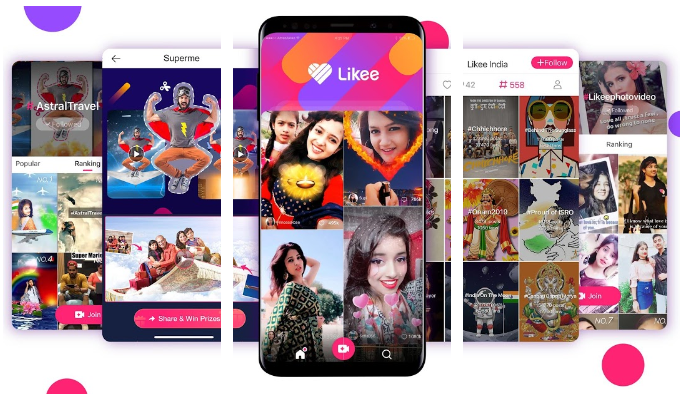
Introduction to SnackVideo – features of snackvideo

  • 1- What is the parent company behind SnackVideo’s development and ownership?
  • 2- How does SnackVideo’s Chinese origin influence its operations and content?
  • 3- What sources of funding have fueled SnackVideo’s growth and expansion?
  • 4- Can you elaborate on SnackVideo’s strategy for global expansion?
  • 5- What are the primary concerns surrounding global bans affecting SnackVideo?
  • 6- How does Snack Video ensure free access to its platform for users?
  • 7- Where are Snack Video’s operational headquarters located?
  • 8- What is the primary base of operations for Snack Video?
  • 9- What factors contribute to Snack Video’s popularity in Asia and the Middle East?
  • 10- How does Spacebar function as Snack Video’s sales partner?
  • 11- What insights has Mr. Gavin Zheng provided regarding Snack Video’s operations?
  • 12- How did SnackVideo emerge as a pioneering force in short-form content?
  • 13- What distinguishes SnackVideo’s user experience from other platforms?
  • 14- In what ways has SnackVideo integrated into everyday life for users?
  • 15- What factors have contributed to SnackVideo’s unparalleled growth?
  • 16- How does SnackVideo utilize diverse marketing tools to reach its audience?
  • 17- Why was the partnership with Spacebar considered a strategic move for SnackVideo?
  • 18- Can you explain the rigorous selection process for content on Snack Video?
  • 19- How does Snack Video enable local advertisers to engage with its platform?
  • 20- What is Snack Video’s vision for the future in terms of quality content and creator support
Hiring Website 1

Introduction to SnackVideo:

SnackVideo stands out as a popular short-form video platform that has gained prominence in various regions, particularly in Asia and the Middle East. While specific user figures are subject to change and may vary, it is advisable to consult the latest statistics for the most accurate information. The global adoption of short-form video platforms, with some amassing billions of users, underscores their widespread appeal. SnackVideo, belonging to this category, draws in millions, if not more, of users who actively participate in content creation and consumption on a daily basis. The platform’s success can be attributed to its user-friendly interface, diverse content offerings, and the capacity for users to express their creativity through concise videos. To obtain the most recent and precise user statistics, it is recommended to review the latest reports or official statements from the SnackVideo platform.

Understanding SnackVideo's Development and Operations

Development & Ownership:

Founder and CEO of SnackVideo: Kim Kaplan serves as the CEO and founder of the Snack Video Short Video app.

Parent Company:

released by Kuaishou Technology approximately two years ago. Kuaishou Technology is backed by the Chinese company Tencent.In short,  Snack Video is developed by Kuaishou Technology, a Chinese company established in 2011.

Snack Video’s Chinese Origin:

 Snack Video is developed by the renowned Chinese company, Kuaishou Technology, making it a Chinese app.

Funding:

 Kuaishou Technology received substantial funding from Tencent, a prominent Chinese tech giant, reinforcing its Chinese origins and support.

Global Expansion:

 Kuaishou launched SnackVideo in 2020 to compete with TikTok on a global scale.

Global Ban Concerns:

 Due to its Chinese origin, SnackVideo faces bans in several countries.

Free Access to Snack Video:

 Snack Video Apk is available for free download from the website snackvideoapk.com, including the free-to-download SnackVideo Pro version.

Operational Headquarters:

Base of Operations:

Despite its Chinese origins, SnackVideo operates its international business through a registered company in Singapore.

Joyo Technology Pte. Ltd.:

The operational headquarters in Singapore may serve strategic purposes, such as managing regulatory challenges and targeting specific global markets.

SnackVideo’s Popularity in Asia and the Middle East

SnackVideo, a popular short-video platform, has gained immense popularity in  Asia and the Middle East recently.

Spacebar: SnackVideo’s Sales Partner

To further expand its commercial presence in Asia and the Middle East, SnackVideo has appointed Spacebar as their Authorized Sales Partner (ASP).

Insights from Mr. Gavin Zheng

Mr. Gavin Zheng, Head of Kuai International Commercial, shares insights on SnackVideo’s strategies to attract content creators, audiences, and businesses in Asia and the Middle East and beyond.

Discount Up To 50 Off For All Items 1024x512

SnackVideo: Pioneering Short-Form Content

SnackVideo’s Emergence:

 Since 2021, SnackVideo has emerged as a leading platform for short-form video content in Asia and the Middle East.

User Experience:

 Users can unleash their creativity by creating, sharing, and editing short videos on SnackVideo, showcasing their unique style and talent.

Advertising Strategies on SnackVideo

Unparalleled Growth:

SnackVideo’s exponential growth provides companies with unmatched advertising opportunities.

Diverse Marketing Tools:

 From branding ads to performance campaigns, SnackVideo offers a variety of marketing tools and algorithms for effective brand exposure and user engagement.

 The Partnership with Spacebar: A Strategic Move

Rigorous Selection Process:

Spacebar was carefully selected as SnackVideo’s Authorized Sales Partner (ASP) in Asia and the Middle East (not included banned countries).

Enabling Local Advertisers:

The partnership aims to unlock new market potentials, allowing local advertisers to explore different genres and expand their businesses.

SnackVideo’s Vision for the Future

Quality Content:

SnackVideo remains committed to entertaining its audience with high-quality content.

Support for Creators:

 The platform supports creators in producing beneficial content that inspires positive actions.

Integration into Everyday Life:

 SnackVideo aims to become an integral part of everyday life for users in Asia and the Middle East, strengthening its position in the market.

Conclusion:

In conclusion, SnackVideo stands out as a pioneering force in the realm of short-form content, propelled by its strategic development and operational tactics. Originating from China, its parent company has fostered its growth through substantial funding and a vision for global expansion. Despite facing concerns regarding global bans, SnackVideo maintains its free accessibility, captivating audiences across Asia and the Middle East.

Central to its success is the seamless integration of user experience into everyday life, fostering unparalleled growth and engagement. Leveraging diverse marketing tools, including its strategic partnership with Spacebar, SnackVideo has effectively enabled local advertisers, enriching the platform’s ecosystem.

Looking ahead, SnackVideo remains committed to its vision of curating quality content and supporting creators, driving its advertising strategies forward. Through rigorous selection processes and a focus on user engagement, SnackVideo continues to redefine the landscape of short-form video platforms, paving the way for innovative content creation and consumption experiences in the digital age.

Prof. Mian Waqar Ahmad

Prof. Mian Waqar Ahmad

Prof. Mian Waqar Ahmad, a dynamic force straddling the realms of academia and digital media. As a distinguished Lecturer in Information Sciences, he imparts knowledge within the academic sphere, igniting the minds of his students. Beyond the classroom, Prof. Mian Waqar Ahmad dons the hat of a seasoned blogger on Worldstan.com, where his insightful posts delve into the intricacies of information sciences. His digital footprint extends even further as a YouTuber, leveraging the platform to share his expertise and make complex concepts accessible to a global audience. Prof. Mian Waqar Ahmad’s journey embodies the fusion of traditional education and contemporary digital outreach, leaving an indelible mark on the evolving landscape of information sciences. Explore his world at Worldstan.com and witness the convergence of academia and the digital frontier.

Pinterest

Untitled Design 13
  • When was Pinterest founded, and where is its headquarters located?
  • How many users does Pinterest attract globally, and how many are from the U.S.?
  • What is the primary purpose of Pinterest?
  • Who are the founders of Pinterest?
  • What was Pinterest’s previous app, and what led to its evolution?
  • When was Pinterest launched as a closed beta?
  • What significant recognition did Pinterest receive in August 2011?
  • When did Pinterest enter the top 10 largest social networks list?
  • What milestone did Pinterest achieve in January 2012 regarding unique U.S. visitors?
  • When was the invitation requirement dropped for Pinterest?
  • What major feature was removed from Pinterest in April 2017?
  • When did Pinterest go public, and at what price per share?
  • What was the percentage increase in Pinterest’s advertising revenue in 2020?
  • When was Pinterest’s “Pinterest Premiere” video ads product introduced?
  • Which company showed interest in acquiring Pinterest in October 2021?
  • What was the purpose of Pinterest’s acquisition of the Vochi app in December 2021?
  • Who transitioned to Executive Chairman of Pinterest in June 2022?
  • What strategic partnership did Pinterest announce in January 2023?
  • How did Pinterest handle copyright concerns?
  • What legal status did Pinterest assert regarding copyright issues?
Jonathan Patterson 1024x597

Introduction to Pinterest:

Founded in 2009 in the United States, Pinterest has established itself as a visual discovery and bookmarking platform, attracting a user base of 450 million individuals globally. This unique platform enables users to curate and share content based on their interests through virtual pinboards. Notably, Pinterest sees active engagement from 98 million users on a monthly basis within the U.S., underscoring its significance as a go-to destination for users seeking inspiration and creative ideas. The platform’s combination of visual appeal and user-friendly functionality contributes to its sustained popularity and role in fostering a visually-driven online community. Founded by Ben Silbermann, Paul Sciarra, and Evan Sharp, Pinterest, Inc. has its headquarters located in San Francisco, California.

Untitled Design 12

History:

Evolution of Pinterest: A Detailed Chronology

The journey of Pinterest from its inception to becoming a major player in the social networking and e-commerce space is both fascinating and instructive. Below is a detailed chronology, laid out in table format, highlighting key milestones and developments.

Date

Event

Dec 2009

Development of Pinterest begins, evolving from a previous app called Tote, which struggled due to early mobile payment technology limitations.

Mar 2010

Pinterest is launched as a closed beta. The innovative concept allowed users to create and share collections of items, diverging from Tote’s original catalog focus.

Mar 2011

Introduction of an iPhone app significantly boosts Pinterest’s user base, followed by the release of an iPad app and a mobile version for non-iPhone users.

Summer 2011

Operation of the site moves out of a small apartment as the team and its ambitions grow.

Aug 10, 2011

Recognition by Time magazine as one of the “50 Best Websites of 2011,” signaling Pinterest’s entry into the mainstream.

Dec 2011

Pinterest enters the top 10 largest social networks list, with 11 million weekly visits. It’s also named Best New Startup of 2011 at the TechCrunch Crunchies Awards.

Jan 2012

Achieves a milestone of 11.7 million unique U.S. visitors, becoming the fastest site to surpass 10 million unique visitors.

Mar 23, 2012

Updates to the terms of service reflect a more user-friendly approach to content rights.

Aug 10, 2012

Invitation requirement dropped, opening up Pinterest to a broader audience.

Oct 2012

Launch of business accounts, catering to the needs of brands and businesses on the platform.

Apr 2017

The “like” feature is removed to streamline user experience, emphasizing the use of boards for content organization.

Feb 2019

Pinterest secretly files for an IPO, with a valuation reaching $12 billion.

Apr 18, 2019

Goes public at $19 per share, closing the day at $24.40, marking a significant milestone in the company’s history.

2020

Reports a 48% increase in advertising revenue, amounting to $1.7 billion.

Mar 3, 2021

Introduction of “Pinterest Premiere,” a video ads product aimed at enhancing targeted advertising within the platform.

Oct 20, 2021

Reports indicate PayPal’s interest in acquiring Pinterest at approximately $70 per share, although the deal did not proceed.

Dec 2021

Acquisition of the video creation app Vochi to enhance Pinterest’s video content capabilities.

May 2022

Launch of “Pinterest TV studio” app for live-streaming, indicating a foray into real-time video content.

Jun 28, 2022

Ben Silbermann transitions to Executive Chairman, with Bill Ready taking over as CEO, signaling a new leadership era focused on online commerce.

Jan 2023

Partnership with LiveRamp announced at CES, introducing data ‘clean rooms’ for safer, personalized ad experiences without compromising user data privacy.

This timeline encapsulates Pinterest’s transformation from a struggling startup into a pioneering social media and e-commerce platform. Through innovation, strategic pivots, and a keen understanding of its user base, Pinterest has cemented its place in the digital landscape.

Growth and Financial Developments of Pinterest: A Comprehensive Overview

Here’s a detailed breakdown of Pinterest’s growth, financial milestones, and strategic partnerships, presented in chronological order with unique headings and organized in table format:

Date

Event

2012

Pinterest relocates its headquarters from Palo Alto to San Francisco, California, marking a significant step in its corporate journey.

Early 2011

 Pinterest successfully secures a Series A financing round amounting to US$10 million. Spearheaded by notable investors Jeremy Levine and Sarah Tavel from Bessemer Venture Partners, this funding round marks a pivotal moment for Pinterest, setting the stage for its subsequent expansion and development.

Top of Form

Oct 2011

Andreessen Horowitz invests US$27 million in Pinterest, valuing the company at US$200 million, indicating investor confidence in its potential.

Apr 2012

Co-founder Paul Sciarra steps down from his position at Pinterest to join Andreessen Horowitz as an entrepreneur in residence, contributing to the company’s strategic evolution.

May 17, 2012

Rakuten, a Japanese e-commerce giant, leads a $100 million investment round in Pinterest, alongside other investors, boosting the company’s valuation to $1.5 billion.

Sep 20, 2012

Pinterest appoints Jon Jenkins, a former Amazon executive, as its new head of engineering, signaling a focus on strengthening its technical capabilities and infrastructure.

Late Oct 2013

Pinterest secures a substantial $225 million round of equity funding, valuing the platform at $3.8 billion, affirming its position as a major player in the tech landscape.

2014

Pinterest begins generating revenue by charging advertisers to promote their products and services on the platform, marking a significant milestone in its monetization efforts.

2015

Investors value Pinterest at $11 billion, catapulting it into the coveted “unicorn” status, denoting its rapid rise and immense potential in the market.

2017

Pinterest’s valuation reaches $12 billion, further solidifying its stature as a prominent player in the tech industry.

Jun 2017

Pinterest raises $150 million in funding from existing investors, demonstrating continued confidence and support from its financial backers.

Aug 2020

Pinterest pays $89.5 million to cancel a significant office space lease, showcasing its adaptability and strategic decision-making amidst changing business environments.

Apr 2023

Pinterest announces a strategic partnership with Amazon, enabling the display of third-party advertisements on its platform, facilitating seamless redirection for users to make purchases.

This timeline encapsulates Pinterest’s journey from its early stages of fundraising and strategic hires to its significant valuation milestones and key partnerships, highlighting its evolution into a major player in the digital advertising and e-commerce landscape.

Pinterest's Strategic Acquisitions: A Comprehensive Overview

Here’s a detailed breakdown of Pinterest’s strategic acquisitions, presented in chronological order with unique headings and organized in table format:

Date

Acquisition

Details

March 2013

Livestar

Pinterest acquires Livestar, a company specializing in social recommendations and ratings. The terms of the acquisition were not disclosed, marking an early strategic move by Pinterest to enhance its recommendation capabilities.

Early Oct 2013

Hackermeter

Pinterest acquires Hackermeter, a platform focused on technical recruiting assessments. The co-founders, Lucas Baker and Frost Li, join Pinterest as engineers, contributing their expertise to the company’s engineering efforts.

April 2015

Hike Labs Team

Pinterest acquires the team from Hike Labs, developers of the mobile publishing application Drafty. This acquisition underscores Pinterest’s commitment to enhancing its mobile publishing and content creation capabilities.

May 2016

URX

Pinterest acquires URX, a mobile deep linking startup, to bolster its content understanding endeavors. The URX team’s expertise in mobile content discovery and recommendation becomes instrumental in refining Pinterest’s content recommendation algorithms.

August 23, 2016

Instapaper Team

Pinterest announces the acquisition of the team behind Instapaper, a popular bookmarking and content discovery platform. The Instapaper team will continue operating as a separate entity while also contributing to enhancing Pinterest’s core experience.

March 8, 2017

Jelly Industries

Pinterest acquires Jelly Industries, a search-engine company founded by Biz Stone. This strategic acquisition aims to leverage Jelly’s expertise in search technology to enhance Pinterest’s search functionalities and overall user experience.

December 2021

Vochi App

Pinterest announces the acquisition of the Vochi app, enhancing its capabilities in editing and video creation. This acquisition aligns with Pinterest’s focus on enriching its platform with interactive and engaging visual content.

June 2022

The Yes

Pinterest enters a definitive agreement to acquire The Yes, an AI-driven fashion shopping platform based in San Francisco. The acquisition, completed on June 10, 2022, signifies Pinterest’s strategic move to strengthen its presence in the fashion e-commerce sector through AI-driven recommendations.

This overview provides insights into Pinterest’s strategic acquisitions, highlighting its efforts to augment its platform with cutting-edge technology and talent, ultimately aiming to enrich the user experience and drive growth in key areas such as content discovery and e-commerce.

Criticism of Pinterest: Analyzing Legal, Ethical, and Cultural Concerns

Copyrighted Content:

Pinterest’s approach to copyrighted material has sparked debates regarding its compliance with the Digital Millennium Copyright Act (DMCA). Despite offering a notification system for copyright holders to request removal of content, Pinterest’s active encouragement of users to pin images from the internet raises questions about its safe harbor status. Users, in turn, face potential legal 

Untitled Design 11

repercussions for pinning copyrighted material. The introduction of the “nopin” HTML meta tag aimed to address this issue, allowing websites to opt out of having their images pinned.


Legal Status:

Legal concerns were further heightened when photographer and lawyer Kirsten Kowalski’s blog post gained traction, prompting scrutiny of Pinterest’s adherence to copyright law. Kowalski’s interpretation led her to delete all infringing pins, drawing attention to the platform’s legal status. Pinterest attempted to alleviate these concerns by asserting its protection under the DMCA’s safe harbor provisions.

Terms of Service:

Pinterest’s earlier terms of service raised eyebrows due to their ambiguous assertion of ownership over user content. The company’s claim of perpetual ownership clashed with its denial of any ownership rights. Following criticism, Pinterest revised its terms of service to clarify users’ rights and the platform’s intentions regarding content ownership.

Use by Scammers:

Pinterest has also faced criticism for its susceptibility to scams, with scammers exploiting users through social engineering tactics. Phishing schemes involving promises of free products in exchange for completing surveys highlight the platform’s vulnerability to fraudulent activities.

Censorship:

Pinterest’s censorship practices have come under scrutiny, with instances of blocks imposed by Chinese authorities during politically sensitive periods. Similar blocks in India, driven by concerns over copyright infringement, reflect broader challenges faced by the platform in navigating international regulations and cultural sensitivities.

Content Policies and User Bans:

The platform’s content policies and user bans have evolved in response to various issues, including health misinformation and discrimination. Pinterest’s efforts to combat misinformation have led to restrictions on content related to unproven cancer treatments and anti-vaccination rhetoric. Additionally, the platform has taken steps to address discriminatory content and behaviors, including banning anti-abortion groups and restricting wedding-related content associated with former slave plantations.

Culture of Discrimination:

Pinterest has faced allegations of fostering a culture of discrimination, with former employees speaking out about experiences of racism, unequal pay, and retaliation for raising concerns. Publicized incidents, such as a virtual walkout by staff and multi-million-dollar settlements for discrimination lawsuits, underscore ongoing challenges related to diversity and inclusion within the company.

In summary, Pinterest’s journey has been marked by legal, ethical, and cultural challenges, highlighting the complexities inherent in managing a global social media platform while navigating issues of copyright, censorship, and discrimination.

Conclusion:

Pinterest, established in 2009 in the United States, has evolved into a prominent visual discovery and bookmarking platform, boasting a global user base of 450 million individuals. Its unique concept allows users to curate and share content based on their interests, fostering a vibrant online community centered around creativity and inspiration. With 98 million monthly active users in the U.S. alone, Pinterest has solidified its position as a leading destination for users seeking innovative ideas and visual inspiration.

The platform’s journey, spearheaded by founders Ben Silbermann, Paul Sciarra, and Evan Sharp, has been marked by significant milestones and strategic pivots. From its humble beginnings in a small apartment to its recognition by Time magazine as one of the “50 Best Websites of 2011,” Pinterest’s trajectory reflects its relentless pursuit of innovation and user-centric design.

Pinterest’s growth and financial developments further underscore its ascent in the digital landscape. Strategic partnerships, such as the acquisition of Livestar and Hackermeter, have bolstered its capabilities in recommendation and technical recruitment assessments. Additionally, key financial milestones, including successful fundraising rounds and a landmark IPO in 2019, have solidified Pinterest’s position as a major player in the tech industry.

However, Pinterest has not been immune to criticism and challenges. Concerns over copyright infringement, censorship, and discrimination have prompted scrutiny and debate. Legal ambiguities surrounding copyrighted content and the platform’s terms of service have raised questions about its compliance with regulations and user rights. Moreover, instances of censorship in countries like China and India, coupled with allegations of fostering a culture of discrimination, underscore the complexities inherent in managing a global social media platform.

In conclusion, Pinterest’s journey is a testament to the power of innovation and community-building in the digital age. While it has faced its share of challenges, its commitment to creativity, inspiration, and inclusivity remains steadfast. As it continues to evolve and adapt to an ever-changing landscape, Pinterest is poised to shape the future of visual discovery and online expression.

FAQs:

  1. What is the background of Pinterest’s founders?
  • Pinterest was founded in 2009 in the United States by Ben Silbermann, Paul Sciarra, and Evan Sharp.
  1. What is the primary purpose of Pinterest?
  • Pinterest serves as a visual discovery and bookmarking platform, allowing users to curate and share content based on their interests through virtual pinboards.
  1. How many users does Pinterest attract globally, and what is its active user base within the U.S.?
  • Pinterest has attracted a user base of 450 million individuals globally. Within the U.S., it sees active engagement from 98 million users on a monthly basis.
  1. Where is Pinterest, Inc. headquartered?
  • Pinterest, Inc. is headquartered in San Francisco, California.
  1. Can you provide a brief overview of Pinterest’s history and evolution?
  • Pinterest began development in December 2009, evolving from a previous app called Tote. It was launched as a closed beta in March 2010 and saw significant growth after the introduction of its iPhone app in March 2011. Over the years, it has achieved various milestones, including recognition by Time magazine and successful fundraising rounds.
  1. What significant financial developments have occurred in Pinterest’s journey?
  • Pinterest has experienced significant financial milestones, including successful fundraising rounds, strategic investments, and reaching a valuation of $12 billion. It also generated revenue through advertising and formed partnerships with companies like Amazon.
  1. How has Pinterest expanded its capabilities through strategic acquisitions?
  • Pinterest has strategically acquired companies like Livestar, Hackermeter, Instapaper, and Vochi App to enhance its recommendation capabilities, content understanding, and video content capabilities. These acquisitions have contributed to enriching the user experience and driving growth in key areas.
  1. What are some of the legal, ethical, and cultural concerns associated with Pinterest?
  • Pinterest has faced criticism regarding its approach to copyrighted content, legal status under the Digital Millennium Copyright Act (DMCA), terms of service, susceptibility to scams, censorship practices, content policies, user bans, and allegations of fostering a culture of discrimination.
  1. How has Pinterest addressed these concerns?
  • Pinterest has introduced measures such as a notification system for copyright holders, revisions to its terms of service, and efforts to combat misinformation and discriminatory content. However, challenges persist as the platform navigates complex legal, ethical, and cultural landscapes.
  1. What does the journey of Pinterest reflect about managing a global social media platform?
  • Pinterest’s journey underscores the complexities involved in managing a global social media platform, including navigating issues of copyright, censorship, and discrimination while striving to maintain a user-friendly and inclusive environment.
Prof. Mian Waqar Ahmad

Prof. Mian Waqar Ahmad

Prof. Mian Waqar Ahmad, a dynamic force straddling the realms of academia and digital media. As a distinguished Lecturer in Information Sciences, he imparts knowledge within the academic sphere, igniting the minds of his students. Beyond the classroom, Prof. Mian Waqar Ahmad dons the hat of a seasoned blogger on Worldstan.com, where his insightful posts delve into the intricacies of information sciences. His digital footprint extends even further as a YouTuber, leveraging the platform to share his expertise and make complex concepts accessible to a global audience. Prof. Mian Waqar Ahmad’s journey embodies the fusion of traditional education and contemporary digital outreach, leaving an indelible mark on the evolving landscape of information sciences. Explore his world at Worldstan.com and witness the convergence of academia and the digital frontier.
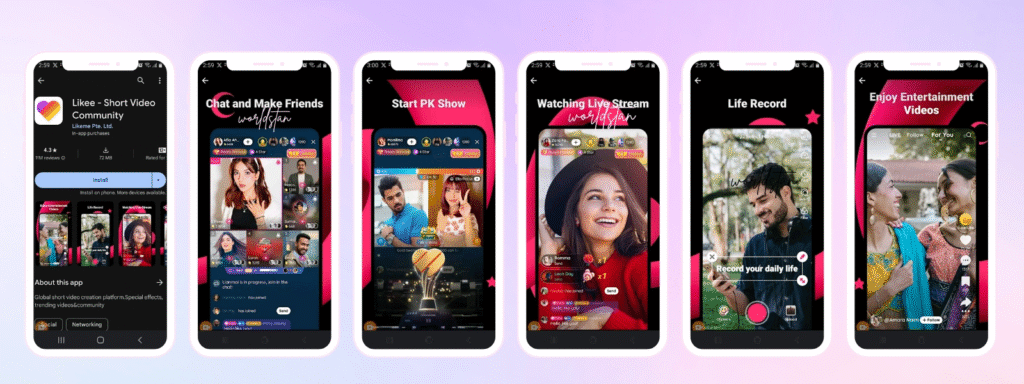
Douyin what is it – An Introduction

  • How has Douyin’s user base grown since its inception in 2016, and what implications does this have for its influence?
  • What role has Zhang Yiming’s vision played in shaping Douyin’s success as a leader in short-form video content?
  • How has the absence of Western social media platforms in China contributed to Douyin’s widespread adoption and cultural significance?
  • What distinguishes Douyin’s history from that of platforms like TikTok, and how has this shaped its identity and appeal?
  • What factors have contributed to Douyin’s success in integrating e-commerce options seamlessly into its platform?
  • What strategies can brands employ to navigate Chinese censorship guidelines effectively while maintaining authenticity on Douyin?
  • What opportunities does Douyin offer for brands targeting the under 35 demographic, and how can they tailor their approach to resonate with this audience?
  • How does Douyin’s resilience and innovation contribute to its position as a major player in shaping the future of content creation and consumption?
  • In what ways can brands adapt to the evolving trends and dynamics of Douyin to ensure long-term success in the Chinese market?
Untitled Design 42 1024x649

Introduction To Douyin:

Founded in 2016 by ByteDance in China, Douyin has rapidly emerged as a dominant force in the realm of social media. With an impressive user base of 730 million individuals, Douyin has established itself as a key player in the digital sphere, renowned for its short-form video content and avenues for creative expression. This substantial user count highlights the platform’s broad appeal and its significant impact on shaping the content consumption behaviors of a diverse and highly engaged audience, both within China and on a global scale.

Introduction to Zhang Yiming:

Architect of ByteDance

Zhang Yiming stands as the visionary billionaire behind ByteDance, the tech giant responsible for overseeing renowned platforms like TikTok and Douyin. His entrepreneurial acumen has propelled ByteDance to the forefront of the digital realm, shaping the landscape of social media and content creation.

Factors Driving the Emergence of Chinese Social Media Apps:

Absence of Western Platforms

The unavailability of prominent Western social media platforms like Facebook and YouTube in China has created a void, fostering the rise of indigenous alternatives such as WeChat and Douyin. This dearth has paved the way for homegrown platforms to flourish and captivate the Chinese audience.

Comprehensive Offerings

Chinese social media apps transcend mere social interaction, offering a multifaceted ecosystem encompassing research, shopping, ticket booking, ride-hailing, and payment services. These super apps cater to diverse needs, providing users with a seamless and comprehensive digital experience.

Influence of Celebrities

Douyin’s meteoric rise to prominence is further fueled by the enthusiastic adoption of numerous Chinese celebrities. Their active participation on the platform, whether for entertainment or influencer marketing purposes, has significantly contributed to Douyin’s widespread appeal and cultural significance.

Introduction to Douyin's History:

Differentiation from Doujin

Note: Douyin should not be confused with doujin.

Launch and Growth:

Douyin, initially known as A.me, was launched by ByteDance in September 2016. Shortly after its inception, the platform underwent a rebranding and was officially renamed Douyin (抖音) in December 2016. Despite its relatively short development period of 200 days, Douyin experienced exponential growth, amassing 100 million users within its first year of operation. The platform quickly became a cultural phenomenon, with over one billion videos viewed daily.

Distinction from TikTok:

While Douyin shares a similar user interface with TikTok, it operates as a separate entity. The platforms have distinct functionalities and cater to different demographics. Douyin sets itself apart with features such as an in-video search function, enabling users to search for videos based on individuals’ faces. Additionally, Douyin offers diverse features like purchasing products, booking hotels, and posting geo-tagged reviews, enhancing its utility beyond mere social interaction.

Conclusion:

Douyin’s rapid ascent to prominence within a short span of time underscores its unparalleled success in capturing the attention of users. Through continuous innovation and differentiation from its counterparts, Douyin has carved a niche for itself in the realm of short-form video content, solidifying its position as a leading player in the digital landscape.

White Beige Colorful Geonetric Moodboard Photo Collage Desktop Wallpaper 1024x576

Douyin vs TikTok: Contrasting Trends

Unique Hashtags and Trends:

While Douyin and TikTok share similarities in their use of tags and trends, their respective hashtags and trends differ significantly due to variations in location and culture. Each video on Douyin tells a story, with users and brands striving to replicate trending content to enhance visibility and engagement.

Common Trends on Douyin:

Douyin’s content landscape is characterized by a diverse range of trends, including language learning videos, culinary content, pet-related videos, and humorous clips. Additionally, business-oriented content enjoys popularity on the platform, reflecting its broad appeal across various domains.

Contrasting Trends on TikTok:

In contrast, TikTok’s trends predominantly revolve around dancing and music, catering to its slightly younger audience demographic. The platform’s emphasis on entertainment-centric content distinguishes it from Douyin’s more varied content ecosystem.

Platform Summary:

Douyin’s Branding Potential:

Leveraging Douyin’s Features

Douyin presents brands with a unique opportunity to express their values and ambitions through its powerful algorithm, engaging content, and robust e-commerce options. Striking a balance between promotional content and entertainment is crucial for building brand loyalty and trust among users, especially the core under 35 demographic, which is poised to shape the future consumer landscape.

Account Types on Douyin:

Personal vs. Business Accounts

Douyin offers two primary account types: Personal and Business Accounts. Personal Accounts cater to individual users seeking to share videos with their followers, while Business Accounts are tailored for brands and organizations aiming to promote their products or services. Business Accounts provide advanced features such as e-commerce integration, analytics, and paid advertising campaigns.

Requirements for Business Accounts

To create a Business Account on Douyin, brands must fulfill certain prerequisites, including possessing a business license from mainland China, an ICP license if linking to a website, and submitting an application letter. Additionally, an annual fee of 600 RMB (~90 USD) is required. Once all necessary information is provided, account verification typically takes up to five working days.

E-commerce Options on Douyin:

Diverse E-commerce Features

Douyin offers a variety of e-commerce features, including the ability to link to external e-commerce sites, facilitate in-app purchases, and utilize social commerce tools for in-app transactions. Brands and influencers leverage these features to sell products directly to their followers, run promotional events via live-streaming, and tap into cross-border e-commerce opportunities through the Douyin Global Choice function.

Customer Support Strategies:

Direct Messaging and Chatbots

Douyin facilitates real-time communication between brands and customers through direct messaging, enabling quick responses and assistance both before and after purchase. Chatbots can address queries and FAQs efficiently, while engaging with comments and replies on posts demonstrates a brand’s commitment to customer service and trust-building.

Brand Strategy for Douyin:

Crafting Engaging Content

Brands on Douyin must focus on creating authentic and engaging content that resonates with the platform’s visually oriented and youthful audience. Developing a unique brand voice specifically tailored for Douyin, along with capitalizing on popular trends and challenges, is essential for standing out in the competitive landscape and fostering user engagement.

Marketing Tips for Douyin:

Navigating Chinese Censorship and Targeting the Right Audience

Understanding and adhering to Chinese censorship guidelines is crucial for brands operating on Douyin. Additionally, targeting the right audience segment is key, as Douyin’s user base may not favor upmarket or luxury products. Instead, affordable and trendy items, as well as trendy fast food and Western food/drinks, resonate well with Douyin’s Gen-Z audience.

Staying Updated and Relevant:

Lastly, staying abreast of Douyin’s evolving features and user preferences is essential for brands to remain relevant and capitalize on emerging opportunities. By adapting marketing strategies to align with the platform’s dynamics, brands can effectively leverage Douyin to achieve their marketing objectives and connect with their target audience.

Douyin vs TikTok: A Comparative Analysis

Introduction:

While Douyin and TikTok share common ownership under ByteDance, they exhibit notable differences in user demographics, content offerings, and availability. Let’s delve into these distinctions in detail.

User Base:

Douyin’s Demographic Profile

Douyin attracts a slightly older user base compared to TikTok, encompassing a diverse range of individuals who engage with micro-vlogs, lifestyle content, business advice, and videos from local authorities. This demographic variance influences the types of content prevalent on the platform.

Interface and Features:

Similarities in Interface and Functionality

Both Douyin and TikTok boast similar interfaces, featuring communities that create and share short videos or engage in live streaming. Users encounter branded recommendations and ads prominently displayed on the home screen, contributing to a seamless browsing experience across both platforms.

In-Video Search Functionality

Recent updates on both platforms have introduced an in-video search function, allowing users to search for individuals’ faces within videos. This feature facilitates enhanced content discovery and enables direct product purchases, augmenting the platforms’ e-commerce capabilities.

Availability:

Geographic Accessibility

Douyin’s availability is restricted to mainland China and its respective app stores, catering primarily to domestic users. In contrast, TikTok enjoys international availability, accessible through major app stores such as Google Play and Apple App Store. The divergence in availability stems from regional restrictions and differing user registration requirements.

Implications of Regional Limitations

The disparity in availability dictates user accessibility and platform reach. While TikTok’s global presence fosters widespread adoption and user engagement, Douyin’s confinement to mainland China necessitates localized strategies for content creation and brand promotion.

Conclusion:

In conclusion, Douyin has emerged as a powerhouse in the social media landscape since its inception in 2016, under the stewardship of ByteDance. With a staggering user base of 730 million individuals, Douyin has not only captivated the Chinese audience but has also left a significant mark on the global digital sphere. Its rapid rise to prominence underscores its role as a major player in shaping digital content consumption habits, both within China and beyond.

Zhang Yiming’s vision and ByteDance’s innovative approach have been instrumental in Douyin’s success, further solidifying the platform’s position as a leader in short-form video content and creative expression. The absence of Western social media platforms in China, coupled with Douyin’s comprehensive offerings and the enthusiastic participation of Chinese celebrities, has propelled its widespread adoption and cultural significance.

Douyin’s history, marked by rapid growth and differentiation from its counterparts like TikTok, reflects its unique identity and appeal. The platform’s diverse range of content, algorithm-driven prioritization, and seamless integration of e-commerce options have contributed to its unparalleled success.

As Douyin continues to evolve, brands are presented with a wealth of opportunities to leverage its features and engage with its vast user base. By crafting authentic content, navigating Chinese censorship guidelines, and staying attuned to emerging trends, brands can maximize their presence on Douyin and establish a lasting connection with their target audience.

In essence, Douyin’s journey from inception to dominance exemplifies its resilience, innovation, and unwavering commitment to redefining the boundaries of social media. As it continues to shape the digital landscape, Douyin stands poised to leave an indelible mark on the future of content creation and consumption.

Douyin offers an unparalleled opportunity for brands to amplify their presence and connect with a vast and engaged audience through its array of features and functionalities. By leveraging Douyin’s powerful algorithm, diverse content options, and robust e-commerce capabilities, brands can cultivate brand loyalty and trust among users, particularly the influential under 35 demographic. With the flexibility of Personal and Business Accounts, brands can tailor their strategies to align with their objectives and target audience preferences. However, success on Douyin requires a nuanced approach, including adhering to Chinese censorship guidelines, crafting compelling content, and staying attuned to evolving trends. By embracing these strategies and understanding the platform’s nuances, brands can unlock the full potential of Douyin and establish a lasting presence in the dynamic Chinese market.

FAQs:

  1. How has Douyin established itself as a powerhouse in the social media landscape since its inception in 2016?
    • Douyin has garnered a staggering user base of 730 million individuals, showcasing its immense popularity and influence.
  2. What role has Zhang Yiming’s vision and ByteDance’s innovative approach played in Douyin’s success?
    • Zhang Yiming’s vision and ByteDance’s innovative approach have been instrumental in solidifying Douyin’s position as a leader in short-form video content and creative expression.
  3. What factors have contributed to Douyin’s widespread adoption and cultural significance?
    • The absence of Western social media platforms in China, coupled with Douyin’s comprehensive offerings and the enthusiastic participation of Chinese celebrities, has propelled its widespread adoption and cultural significance.
  4. How does Douyin’s history differentiate it from its counterparts like TikTok?
    • Douyin’s rapid growth and differentiation from platforms like TikTok underscore its unique identity and appeal, reflecting its distinct evolution in the social media landscape.
  5. What opportunities does Douyin offer for brands looking to engage with its user base?
    • Douyin provides brands with a wealth of opportunities to leverage its features and engage with its vast user base through authentic content creation and strategic navigation of Chinese censorship guidelines.
  6. What strategies can brands employ to maximize their presence on Douyin?
    • Brands can maximize their presence on Douyin by crafting compelling content, adhering to Chinese censorship guidelines, and staying abreast of emerging trends to establish a lasting connection with their target audience.
  7. How does Douyin’s journey exemplify its resilience and innovation in the social media landscape?
    • Douyin’s journey from inception to dominance showcases its resilience and unwavering commitment to redefining the boundaries of social media, positioning it as a major player in shaping the future of content creation and consumption.
Prof. Mian Waqar Ahmad

Prof. Mian Waqar Ahmad

Prof. Mian Waqar Ahmad, a dynamic force straddling the realms of academia and digital media. As a distinguished Lecturer in Information Sciences, he imparts knowledge within the academic sphere, igniting the minds of his students. Beyond the classroom, Prof. Mian Waqar Ahmad dons the hat of a seasoned blogger on Worldstan.com, where his insightful posts delve into the intricacies of information sciences. His digital footprint extends even further as a YouTuber, leveraging the platform to share his expertise and make complex concepts accessible to a global audience. Prof. Mian Waqar Ahmad’s journey embodies the fusion of traditional education and contemporary digital outreach, leaving an indelible mark on the evolving landscape of information sciences. Explore his world at Worldstan.com and witness the convergence of academia and the digital frontier.

Snapchat

  • Since its establishment in 2011 under Snap Inc., how has Snapchat evolved as a multimedia messaging platform?
  • With a user base of 750 million individuals, what sets Snapchat apart as a favored platform for content sharing?
  • How does Snapchat maintain daily engagement from 332 million users, showcasing its ongoing relevance?
  • How has Snapchat evolved since its founding in 2011, moving beyond its initial purpose?
  • What unique approach to social media did Snapchat introduce, and how does it differentiate itself?
  • How has Snapchat expanded its features beyond ephemeral messaging since its inception?
  • What are some key features of Snapchat today, aside from its original disappearing messages?
  • What is the significance of Snapchat’s daily active user base, especially considering its growth to 293 million users?
  • How does Snapchat utilize partnerships and campaigns to enhance its monetization efforts?
  • What notable controversies has Snapchat faced, and how has it addressed them?
SnapChat 1024x649

Introduction to Snapchat:

Since its inception in 2011, Snapchat has risen as a vibrant and widely embraced multimedia messaging platform.

Top of Form

Snapchat, the brainchild of Evan Spiegel, Bobby Murphy, and Reggie Brown – all of whom met during their time at Stanford University, has emerged as a pioneering platform in the realm of social media. Focused on catering to a mobile-first audience, Snapchat has become synonymous with interactive digital elements like virtual stickers and augmented reality features, pushing the boundaries of traditional messaging apps.

Snapchat 1 1024x512

Core Features:

At its heart, Snapchat revolutionized the way we think about digital communication with its ephemeral messaging system. Photos and texts sent through the app are designed to disappear after a short duration, a feature that initially defined the Snapchat experience. However, the app’s functionality has significantly expanded over the years. Today, it includes “Stories” that allow users to compile snaps into a narrative over 24 hours, and “Discover,” a section dedicated to content from various brands presented in short, engaging formats. Furthermore, Snapchat offers a secure space titled “My Eyes Only,” safeguarding personal photos behind password protection. Amidst its growth, Snapchat has also begun to dabble in end-to-end encryption, signaling a future with enhanced privacy and security measures.

User Engagement and Demographic Reach

As of July 2021, Snapchat boasted an impressive daily active user base of 293 million, marking a 23% increase from the previous year. This surge in popularity is reflected in the staggering average of over four billion Snaps exchanged daily. A significant portion of Snapchat’s appeal lies in its popularity among younger audiences, especially those under 16, sparking a dialogue on privacy and the responsibilities of social media platforms in safeguarding young users.

Snapchat’s Ongoing Evolution

Snapchat’s journey from a simple photo-sharing app to a multifaceted platform for interactive and disappearing content showcases its role as a leader in the mobile-first social media movement. With continuous updates and a focus on user engagement through innovative features, Snapchat remains at the forefront of the digital communication sphere, addressing the evolving needs and concerns of its youthful demographic.

sual communication and storytelling.

History

Snapchat’s Evolution: A Journey from Ephemeral Messaging to Multifunctional Platform

Since its inception in September 2011 by Evan Spiegel and Bobby Murphy, Snapchat has experienced a remarkable evolution, transcending its original purpose of ephemeral photo messaging.

Expanding Functionality: Beyond Ephemeral Messaging

Snapchat’s initial focus on disappearing photos has expanded into a diverse array of features. Users can now engage in activities ranging from sending pictures and sharing stories to chatting, watching news, making video calls, playing games, and embellishing content with creative elements like emojis and drawings.

Design Adaptations: Reflecting User Preferences

Snapchat’s design has continuously evolved to accommodate new functionalities and enhance user experience. From the introduction of symbols such as cubes for incoming snaps to the integration of stories, chats, Bitmojis, and best friend emojis, each design update aims to make the app more visually appealing and user-friendly.

Mission and Vision: Catalysts for Innovation and Impact

Snap, Inc., Snapchat’s parent company, has articulated a mission statement emphasizing innovation and societal betterment through technology. Aligned with this vision, Snapchat strives to reinvent smartphone camera usage and foster positive interactions among users, driving its continuous evolution and technological advancements.

Navigating Controversies and Legal Challenges

Despite its innovative features, Snapchat has encountered controversies, particularly surrounding its initial association with explicit content sharing. Legal battles, such as the dispute with former associate Reggie Brown over ownership of the app’s concept, have required the company to navigate perception and legal obligations, ultimately acknowledging contributions and settling disputes.

Assessing Snapchat’s Value: Weighing Benefits and Concerns

In its current form, Snapchat offers a distinct social media experience, enabling dynamic engagement and creative expression among users. While valued by many for its ability to enhance communication through visual elements, concerns persist regarding potential misuse, especially among younger demographics, highlighting the ongoing need for responsible use and platform oversight.

Snapchat's Evolution:

A Timeline of Growth and Innovation

Snapchat’s journey from a simple photo-sharing app to a multifaceted social media platform is marked by significant milestones, innovations, and expansions. Here’s a comprehensive look at its evolution, highlighting key developments and achievements.

Initial Launch and User Engagement

  • September 2011: Snapchat is founded by Evan Spiegel and Bobby Murphy, focusing on ephemeral photo messaging.
  • May 2012: The platform sees 25 Snapchat images sent per second.
  • November 2012: Users had shared over one billion photos on the iOS app, with daily shares hitting 20 million.

Technical Milestones and Expansion

  • October 2012: Snapchat becomes available on Android, broadening its user base.
  • June 2013: Introduction of “Banquo”, Snapchat version 5.0 for iOS, featuring speed and design improvements.
  • June 2013: Snapchat introduces Snapkidz, a feature for users under 13.

Surging Popularity and Financial Growth

  • May 2015: Daily video views reach 2 billion, skyrocketing to 6 billion by November.
  • 2016: Snapchat hits 10 billion daily video views.
  • May 2016: The company raises $1.81 billion in equity offering.
  • May 31, 2016: Snapchat boasts almost 10 million daily active users in the United Kingdom.

Legal Challenges and Product Launch

  • 2016: Investel Capital Corp sues Snapchat over geofiltering patent infringement.
  • September 2016: Snapchat Inc. rebrands to Snap Inc., introducing Spectacles.
  • February 20, 2017: Spectacles become available for online purchase.

User Interface Redesign and Market Impact

  • November 2017: Snapchat announces a controversial redesign.
  • February 2018: A critical tweet from Kylie Jenner causes a significant market value drop for Snap Inc.

Recognition and Acquisitions

  • December 2019: Snapchat is named the 5th most downloaded mobile app of the decade by App Annie.
  • January 2020: Acquisition of AI Factory to enhance video capabilities.

Monetization and User Growth Strategies

  • November 2020: Introduction of Snapchat Spotlight, paying users for viral videos.
  • June 2022: Announcement of Snapchat Plus, a paid subscription model.
  • July 2022: Snapchat reports 347 million daily active users, an 18% increase year-over-year.
  • August 2022: Snapchat Plus surpasses 1 million subscribers, adding new features to the service.

This timeline encapsulates Snapchat’s dynamic growth, reflecting its adaptability, resilience, and continuous quest for innovation in the digital and social media landscape.

Business:

Demographics

Snapchat’s Target Audience

Since its inception, Snapchat has attracted primarily Generation Z users, as indicated by its age classification on app stores (12+). Research conducted by the University of Washington and Seattle Pacific University revealed that while Snapchat was initially thought to be used for privacy-sensitive content like sexting, it’s predominantly used for creative and comedic purposes.

  • Primary Usage Patterns
    • Only 1.6% of users reported using Snapchat primarily for sexting.
    • 2% admitted to sending sexual content at some point.
    • 8% reported using Snapchat for comedic content like “stupid faces”.
  • Content Restrictions
    • Majority of users (74.8% – 93.7%) were not willing to send sensitive, legally questionable, or mean content.
  • User Behavior
    • Most users (79.4%) were aware that snaps could be recovered.
    • Adjustments in snap timeout were based on factors like trust, relationship, and content type.

Communication:

Snapchat’s Unique Approach

Snapchat introduced a novel approach to social media, emphasizing real-time sharing over accumulating permanent status. With a mobile-first focus, it differentiated itself from other platforms by placing importance on ephemeral interactions.

  • Mobile-Centric
    • Launched as a mobile-first company, leveraging the rise of cellular communication.
    • Evan Spiegel dubbed Snapchat as primarily a camera company, distinguishing it from traditional social media platforms.
  • Content Presentation
    • Introduced Discover channel for media and news content.
    • Maintained a clear distinction between brand content and user-generated content.

Monetization:

Revenue Generation Strategy

Snapchat strategically implemented features to monetize its platform, starting with advertising efforts and later expanding into sponsored content and partnerships.

  • Advertising Initiatives
    • Introduced paid advertising with a 20-second movie trailer in 2014.
    • Launched “Discover” feature for short-form content from publishers.
    • Offered sponsored geofilters and ad placements within Live Stories.

Campaigns:

Partnerships and Marketing Campaigns

Snapchat forged partnerships with various entities to host live stories, create branded lenses, and feature exclusive content.

  • Partnerships
    • Teamed up with the NFL to present live stories from games.
    • Collaborated with Gatorade for animated Super Bowl filters.
    • Partnered with NBC Olympics for coverage during the 2016 Summer Olympics.

Development Platform:

Snap Kit and Third-Party Integration

Snapchat introduced Snap Kit, enabling third-party developers to integrate with the platform, promoting privacy-conscious features.

  • Snap Kit Components
    • “Login Kit” for social login with limited data access.
    • “Creative Kit” for generating stickers.
    • “Story Kit” for aggregating publicly posted stories.

Snap Originals:

Original Programming and Shoppable Content

Snapchat ventured into original programming with Snap Originals, including scripted shows and documentaries, and introduced shoppable content.


  • Shoppable Originals
    • Launched “The Drop,” a shoppable show featuring celebrity collaborations in streetwear.
    • All original programming ceased by August 2022.

Premium Accounts:

Innovation in Monetization

In 2014, Snapchat rolled out Snapcash, a groundbreaking feature that significantly boosted its appeal, particularly among creators in the adult content sphere.

Monetizing User Content

Snapchat offers the option for private premium accounts, enabling users to monetize their content directly on the platform.

  • User Engagement
    • These premium accounts are predominantly utilized by models and creators to monetize adult content.

Integration with Adult Industry:

Emerging Role in Online Porn

Snapchat’s facilitation of private premium accounts has led to its increasing involvement in the online porn industry, with adult content creators leveraging the platform for monetization and audience engagement.

Controversies:

December 2013 Hack

Security Breach

In December 2013, Snapchat experienced a significant security breach where hackers gained access to millions of user accounts, prompting widespread concern.

  • Vulnerability Disclosure
    • Australian security firm, Gibson Security, disclosed an API vulnerability to Snapchat in August 2013.
    • The exploit’s source code was made public on December 25, leading to the hack.
  • Data Compromise
    • Hackers exposed approximately 4.6 million Snapchat usernames and phone numbers.
    • Snapchat responded by implementing mitigating features, but hackers bypassed them.

Federal Trade Commission Settlement:

Privacy Concerns

In 2014, Snapchat settled a complaint filed by the US Federal Trade Commission (FTC), addressing allegations of misleading claims regarding user data privacy.

  • FTC Allegations
    • The FTC accused Snapchat of exaggerating the ability to make photos disappear.
    • Snapchat agreed to be monitored by an independent party for 20 years regarding privacy claims.
  • Policy Updates
    • Snapchat revised its privacy page, clarifying that messages may not be deleted immediately.
    • Despite deletion from servers, data might still persist in backups.

Windows App Crackdown:

Third-Party App Removal

In November 2014, Snapchat initiated a crackdown on third-party apps, affecting users on the Windows Phone platform due to the absence of an official Snapchat client.

  • Removal of Third-Party Apps
    • Third-party apps like 6snap were removed from the Windows Phone Store.
    • Despite user requests, Snapchat didn’t develop an official app for the platform.

Lens Incidents:

Safety Concerns

Snapchat faced criticism due to incidents involving its “Lens” feature, which allowed users to record speed while driving, leading to accidents.

  • Legal Consequences
    • Lawsuits were filed against Snapchat by victims and their families following accidents.
    • Snapchat was accused of negligence for allowing its app to be used in dangerous situations.

“Poor Country” Remark:

Allegations of Discrimination

Former employee Anthony Pompliano alleged that Snapchat’s CEO made derogatory remarks about certain countries, leading to public backlash and calls to boycott the app.

  • Public Outcry
    • The remark sparked outrage on social media, prompting the trending hashtag “#UninstallSnapchat.”
    • Snapchat faced criticism and a decline in its stock value.

Pompliano Lawsuit:

Deception Allegations

In a lawsuit filed in 2017, Pompliano accused Snapchat of manipulating growth metrics to deceive investors, resulting in significant legal and financial repercussions for the company.

  • Legal Battle
    • Pompliano’s claims against Snapchat led to multiple class-action lawsuits and Federal investigations.
    • Snapchat faced scrutiny over its handling of the lawsuit’s disclosure.

“Snap Map” Privacy Concerns:

Location Tracking Controversy

The introduction of the “Snap Map” feature raised concerns about privacy and safety due to its potential for exposing users’ locations.

  • Safety Warnings
    • Police issued warnings about potential risks, especially for teenagers.
    • Users were encouraged to operate in “Ghost Mode” to protect their privacy.

Rihanna Controversy:

Insensitive Advertisement

Snapchat faced criticism and calls for boycotts after hosting an insensitive advertisement regarding domestic violence involving Rihanna and Chris Brown.

  • Public Backlash
    • Rihanna condemned the advertisement, labeling it as insensitive to domestic violence victims.
    • The incident led to a public outcry against Snapchat.

Body Image Concerns:

Influence of Editing Tools

The use of body and facial reshaping applications like Snapchat and Facetune raised concerns about their impact on body image and mental health.

  • Snapchat Dysmorphia
    • Researchers identified a phenomenon termed “Snapchat dysmorphia,” where individuals seek surgery to resemble filtered versions of themselves.

Snapchat Employee Data Abuse:

Unauthorized Access

Reports surfaced in 2019 revealing that Snapchat employees abused internal tools to spy on users, raising serious privacy concerns.

  • Internal Data Breach
    • Snapchat employees misused an internal tool called SnapLion to access user data without authorization.
    • The incident highlighted vulnerabilities in Snapchat’s data security protocols.

Illinois Biometric Data Lawsuit:

Violation of Privacy Laws

Snapchat faced a class-action lawsuit in Illinois for allegedly violating biometric privacy laws by collecting and storing user data without proper consent.

  • Legal Settlement
    • Snapchat settled the lawsuit with a $35 million payout, acknowledging violations of biometric privacy laws.
    • The case underscored the importance of transparent data practices in tech companies.

Conclusion:

In Conclusion, Snapchat has transformed from a simple ephemeral messaging app into a multifaceted platform that transcends traditional social media boundaries. Its journey, marked by innovation, resilience, and adaptability, reflects its commitment to meeting the evolving needs of its user base. From pioneering features like disappearing messages to embracing augmented reality and original content, Snapchat has continually pushed the envelope, solidifying its position as a leader in the digital communication sphere.

As Snapchat continues to evolve, it grapples with challenges ranging from privacy concerns to controversies surrounding its features and business practices. However, these obstacles have spurred introspection and prompted the company to reassess its policies and practices continually. With a user-centric approach and a focus on fostering positive interactions, Snapchat navigates these challenges while striving to uphold its mission of innovation and societal betterment through technology.

In conclusion, Snapchat’s journey exemplifies the dynamic nature of the digital landscape, where innovation, adaptation, and responsible practices are paramount. As it forges ahead, Snapchat remains dedicated to redefining the way we communicate and engage with each other, shaping the future of social media in the process.

FAQs:

Introduction to Snapchat:

  1. How long has Snapchat been in operation?
  • Since its inception in 2011, Snapchat has been operating under Snap Inc.
  1. What distinguishes Snapchat from other messaging platforms?
  • Snapchat is known for its dynamic and popular multimedia messaging platform, offering innovative ways for users to share content.
  1. How large is Snapchat’s user base?
  • Snapchat boasts a considerable user base of 750 million individuals.

A Dynamic Messaging Experience:

  1. Who are the founders of Snapchat?
  • Snapchat was founded by Evan Spiegel, Bobby Murphy, and Reggie Brown, who met during their time at Stanford University.
  1. What distinguishes Snapchat in terms of features?
  • Snapchat is renowned for its interactive digital elements like virtual stickers and augmented reality features, catering to a mobile-first audience.

Core Features:

  1. What is the primary feature that initially defined Snapchat’s experience?
  • Snapchat revolutionized digital communication with its ephemeral messaging system, where photos and texts disappear after a short duration.
  1. How has Snapchat’s functionality evolved over time?
  • Snapchat now includes features like “Stories” for compiling snaps into narratives and “Discover” for engaging content from various brands.

User Engagement and Demographic Reach:

  1. How many daily active users does Snapchat have?
  • As of July 2021, Snapchat boasts an impressive daily active user base of 293 million.
  1. What demographic is particularly drawn to Snapchat?
  • Snapchat is popular among younger audiences, especially those under 16, contributing to its significant engagement.

Snapchat’s Ongoing Evolution:

  1. How has Snapchat evolved since its inception?
  • Snapchat has transitioned from a simple photo-sharing app to a multifaceted platform for interactive and disappearing content.
  1. What keeps Snapchat at the forefront of digital communication?
  • Snapchat remains innovative with continuous updates and a focus on user engagement through features that address evolving needs and concerns.

Snapchat’s Growth:

  1. What milestones mark Snapchat’s growth and innovation?
  • Snapchat’s growth is marked by significant milestones, expansions, and innovations since its inception in 2011.
  1. How has Snapchat’s user base expanded over the years?
  • Snapchat’s user base has surged, with milestones such as reaching 10 million daily active users in the United Kingdom by May 2016.

Business:

Demographics:

  1. Who primarily uses Snapchat?
  • Snapchat primarily attracts Generation Z users, with usage patterns leaning towards creative and comedic content.
  1. What content restrictions does Snapchat impose?
  • Snapchat users are reluctant to send sensitive or mean content, with the majority avoiding such material.

Communication:

  1. How does Snapchat differentiate itself in social media?
  • Snapchat emphasizes real-time sharing and ephemeral interactions, distinguishing itself with a mobile-first approach.

Monetization:

  1. What strategies has Snapchat employed for revenue generation?
  • Snapchat has implemented advertising initiatives, partnerships, and features like Snapcash and premium accounts for monetization.

Controversies:

  1. What controversies has Snapchat faced?
  • Snapchat has encountered controversies ranging from security breaches to allegations of deception and privacy concerns, prompting public outcry and legal actions.
Prof. Mian Waqar Ahmad

Prof. Mian Waqar Ahmad

Prof. Mian Waqar Ahmad, a dynamic force straddling the realms of academia and digital media. As a distinguished Lecturer in Information Sciences, he imparts knowledge within the academic sphere, igniting the minds of his students. Beyond the classroom, Prof. Mian Waqar Ahmad dons the hat of a seasoned blogger on Worldstan.com, where his insightful posts delve into the intricacies of information sciences. His digital footprint extends even further as a YouTuber, leveraging the platform to share his expertise and make complex concepts accessible to a global audience. Prof. Mian Waqar Ahmad’s journey embodies the fusion of traditional education and contemporary digital outreach, leaving an indelible mark on the evolving landscape of information sciences. Explore his world at Worldstan.com and witness the convergence of academia and the digital frontier.