Doubao 1.5 Pro AI: Features, Pricing, and Why It’s Gaining Global Attention

Doubao 1.5 Pro worldstan.com

This article examines the rise of Doubao 1.5 Pro, detailing ByteDance’s strategy, technical innovations, ecosystem integration, and pricing approach that position it as a serious competitor to leading AI models.

Released in January 2025, Doubao emerged as one of the most closely watched artificial intelligence developments from ByteDance, the global technology company best known as the parent organization of TikTok. Within a short period, the model attracted more than 13 million users, signaling strong market interest and positioning Doubao as a serious contender in the rapidly evolving AI ecosystem. Initially introduced as a consumer-oriented application focused on entertainment and personalized interactions, Doubao has since evolved into a far more comprehensive and enterprise-ready AI solution.
This evolution reflects a broader strategic direction by ByteDance to move beyond content platforms and into advanced artificial intelligence infrastructure. With the launch of Doubao 1.5 Pro, the company demonstrated a clear intent to compete directly with established global AI leaders by offering a powerful, multimodal model that balances performance, usability, and cost efficiency.

From Consumer Application to Advanced AI Platform

Doubao’s early version was designed to appeal to everyday users seeking conversational engagement, creative outputs, and entertainment-driven interactions. Its rapid adoption highlighted ByteDance’s strength in building user-friendly digital products that scale quickly. However, the company soon recognized the opportunity to expand Doubao’s capabilities beyond casual use cases.
The introduction of Doubao 1.5 Pro marked a significant turning point. This spatially enhanced version was trained extensively to achieve high fluency in the Chinese language while maintaining cultural relevance across diverse contexts. By embedding local linguistic nuances and cultural understanding into the model, ByteDance positioned Doubao as a solution tailored to the needs of Chinese-speaking users, businesses, and institutions.
At the same time, Doubao 1.5 Pro was engineered to integrate seamlessly with ByteDance’s broader digital ecosystem. Platforms such as Douyin, Toutiao, and Feishu benefit from this integration, enabling AI-driven workflows that extend across communication, content creation, and enterprise collaboration.

Strategic Integration Across the ByteDance Ecosystem

One of the defining strengths of Doubao 1.5 Pro lies in its vertical integration with existing ByteDance products. Rather than operating as a standalone AI tool, the model functions as an embedded intelligence layer across multiple platforms. This approach allows users to access AI capabilities directly within the tools they already use, reducing friction and improving adoption.
Feishu integration enables Doubao to support workplace productivity through document analysis, summarization, and collaborative content generation. Within Douyin workstations, the model enhances creative workflows, assisting with scripting, captioning, and multimedia ideation. On Toutiao, Doubao contributes to content understanding and knowledge generation, supporting both creators and readers.
This ecosystem-based strategy differentiates Doubao from many competing AI models that require separate platforms or interfaces. By embedding AI directly into familiar environments, ByteDance increases the practical value of Doubao for both individual users and organizations.

Performance Claims and Competitive Positioning

On January 29, ByteDance announced that Doubao’s most advanced version demonstrated performance that could surpass OpenAI’s o1 model in specific benchmark tests. While such claims naturally invite scrutiny, they underscore ByteDance’s confidence in the technical maturity of Doubao 1.5 Pro.
The company emphasized that these results were achieved while maintaining a pricing structure significantly lower than comparable offerings. Doubao is reportedly priced at roughly half the cost of similar models from OpenAI, making it an attractive option for businesses seeking high-performance AI without prohibitive expenses.
This combination of competitive performance and accessible pricing positions Doubao as a strong alternative to established models such as GPT-4o and Claude 3.5 Sonnet, particularly in areas like reasoning, coding assistance, knowledge generation, and Chinese language processing.

Multimodal Capabilities Designed for Real-World Use

Doubao 1.5 Pro was developed as a fully multimodal AI model, capable of processing and generating content across multiple formats. These capabilities extend far beyond basic text-based interactions, enabling the model to support a wide range of professional and creative tasks.
Users can rely on Doubao for document summarization, allowing large volumes of information to be distilled into clear and actionable insights. Image analysis features support visual understanding, making it possible to extract meaning from charts, graphics, and photographs. Speech and audio processing capabilities enable voice-based interactions and transcription, while text-to-video functionality opens new possibilities for content creation.
These multimodal features are not presented as isolated tools but as interconnected functions that can be combined within workflows. This holistic design reflects ByteDance’s focus on practical usability rather than experimental novelty.

User Interface and Operational Efficiency

Ease of use remains a core principle behind Doubao’s design. The interface is organized into clearly defined sections and usage scenarios, allowing users to navigate the platform intuitively. This structured layout reduces the learning curve and makes the model accessible to both technical and non-technical users.
Behind the interface, Doubao employs a heterogeneous system architecture optimized for efficiency. This design minimizes latency and supports pre-fill decode operations, enabling faster responses and smoother interactions. Such efficiency is particularly valuable in enterprise settings where performance consistency and workload balancing are critical.
By combining a friendly user interface with a technically robust backend, Doubao bridges the gap between advanced AI functionality and everyday usability.

Sparse Mixture of Experts Architecture

At the core of Doubao 1.5 Pro is a proprietary sparse mixture of experts architecture. This approach allows the model to activate only the most relevant components for a given task, reducing computational overhead while maintaining high output quality.
Reinforcement learning plays a key role in enabling multi-turn reasoning, contextual memory retention, and task-specific responses. Through this training approach, Doubao can sustain longer and more coherent interactions, making it suitable for complex problem-solving and professional applications.
The inclusion of an enhanced deep thinking mode further strengthens the model’s reasoning capabilities. This mode allows Doubao to handle nuanced queries and layered tasks with greater precision, setting a benchmark for efficiency-driven AI design.

Enterprise Value and Market Impact

ByteDance has positioned Doubao as an indispensable tool for work, emphasizing its ability to deliver dense-model performance with significantly lower activation loads. This efficiency translates into reduced operational costs and improved scalability, particularly for large organizations.
In practical terms, Doubao supports coding assistance, logical reasoning, content generation, and domain-specific knowledge tasks. Its strong performance in Chinese language processing makes it especially valuable for regional enterprises that require linguistic accuracy and cultural alignment.
By offering enterprise-grade capabilities at a competitive price point, Doubao challenges the prevailing assumption that top-tier AI performance must come at a premium cost.
Pricing Strategy and Accessibility
One of the most notable aspects of Doubao’s market strategy is its pricing. By maintaining costs at approximately half those of comparable OpenAI models, ByteDance lowers the barrier to AI adoption for startups, small businesses, and educational institutions.
This pricing approach aligns with the company’s broader philosophy of mass accessibility, a principle that has historically driven the success of platforms like TikTok and Douyin. By extending this philosophy to artificial intelligence, ByteDance aims to accelerate widespread AI integration across industries.

The Road Ahead for Doubao

As global competition in artificial intelligence continues to intensify, Doubao represents ByteDance’s most ambitious step into the AI infrastructure space. Its combination of multimodal functionality, efficient architecture, ecosystem integration, and competitive pricing positions it as a formidable player in both consumer and enterprise markets.
Future iterations of Doubao are expected to further refine reasoning abilities, expand integration options, and enhance multilingual support. If ByteDance continues to align technical innovation with practical usability, Doubao could play a central role in shaping the next phase of AI adoption, particularly within Asia and other emerging markets.

Conclusion:

Doubao 1.5 Pro reflects a strategic shift by ByteDance toward building scalable, cost-effective, and deeply integrated artificial intelligence solutions. From its origins as a consumer-focused application to its current status as a robust enterprise AI model, Doubao illustrates how thoughtful design and ecosystem alignment can redefine expectations in the AI landscape.

By combining strong performance with accessibility and cultural relevance, Doubao 1.5 Pro stands as a compelling alternative to established global models. As organizations seek AI tools that deliver real-world value without excessive complexity or cost, Doubao is well positioned to meet those demands and influence the future direction of artificial intelligence.


ChatGLM-4 vs GPT-4o and Gemini 1.5 Pro: How Zhipu AI Competes Globally
ChatGLM-4 vs GPT-4o worldstan.com

ChatGLM-4 represents a new generation of large language models from Zhipu AI, combining massive pre-training, advanced alignment, multilingual intelligence, multimodal understanding, and autonomous tool integration to compete directly with the world’s leading AI systems across reasoning, coding, and real-world applications.

ChatGLM-4 Signals a New Phase in Large Language Model Development

The rapid evolution of large language models has reshaped expectations around artificial intelligence, particularly in areas such as reasoning, multilingual communication, and task automation. In this competitive landscape, Zhipu AI, a research-driven organization with roots in Tsinghua University, has introduced a significant advancement with the release of its ChatGLM-4 series. Developed and refined through August 2024, the model represents a strategic leap in scale, performance, and real-world usability, positioning it as a serious contender among the world’s most advanced AI systems.

Pre-trained on an unprecedented dataset of approximately 10 trillion tokens, ChatGLM-4 has been engineered to deliver measurable improvements in complex domains such as coding, mathematical reasoning, long-context understanding, and tool-assisted problem solving. Its design reflects a growing industry focus on creating AI systems that not only generate fluent language but also execute tasks, interpret multimodal inputs, and maintain coherence across extended interactions.

Built on Massive Pre-Training and Advanced Alignment Techniques

At the core of ChatGLM-4’s capabilities lies its large-scale pre-training process. By leveraging trillions of tokens drawn from diverse and multilingual data sources, the model gains a broad understanding of linguistic patterns, technical documentation, programming logic, and academic-style reasoning. This extensive exposure allows it to perform effectively across both general-purpose and specialized tasks.

Beyond pre-training, Zhipu AI has implemented a multi-stage post-training pipeline to align the model more closely with human expectations. A key component of this process is the use of Proximal Policy Optimization, a reinforcement learning technique widely adopted for aligning language models through human feedback. PPO enables the system to refine its responses based on qualitative evaluations, improving accuracy, safety, and contextual relevance.

Supervised fine-tuning further strengthens the model’s ability to manage complex, multi-step instructions. This stage is particularly important for real-world applications where users expect AI systems to follow logical sequences, reason through problems methodically, and deliver outputs that align with practical goals rather than isolated prompts.

Competitive Performance Against Leading AI Models

Performance benchmarks play a central role in evaluating the effectiveness of modern language models, and ChatGLM-4 has demonstrated strong results across several widely recognized tests. According to reported metrics, variants such as GLM-Plus have matched or surpassed leading models including GPT-4o, Gemini 1.5 Pro, and Claude 3 Opus in selected evaluations.

These results are not limited to surface-level language fluency. ChatGLM-4 has shown particular strength in reasoning-intensive benchmarks such as MMLU and MATH, which assess mathematical problem-solving and structured logic. AlignBench results further suggest improvements in instruction following and alignment with human intent, reinforcing the model’s suitability for professional and enterprise-level use cases.

Such performance outcomes highlight a broader trend in the AI industry: innovation is no longer confined to a single region or organization.

Multimodal Intelligence with GLM-4V 9B

One of the most notable extensions within the ChatGLM-4 family is GLM-4V 9B, a multimodal variant designed to process both text and visual inputs. This model supports high-resolution image understanding and generation, handling visuals up to 1120 by 1120 pixels. By integrating visual reasoning with language comprehension, GLM-4V 9B moves beyond traditional text-only interaction.

This capability enables use cases across technical and creative domains, including image analysis, design assistance, educational visualization, and content creation. The model’s ability to interpret visual data alongside written instructions positions it as a versatile “all-tools” module, capable of bridging gaps between different forms of information.

Crucially, GLM-4V 9B maintains strong conversational performance in both Chinese and English, reinforcing its role as a globally accessible multimodal AI system rather than a region-specific solution.

Long-Context Processing and Deep Reasoning

Another defining feature of ChatGLM-4 is its exceptional capacity for long-context reasoning. The model can process extremely large inputs, reportedly handling close to two million Chinese characters in a single context. This scale far exceeds the capabilities of many conventional language models and unlocks new possibilities for deep analysis.

Such long-context support is particularly valuable for tasks like document summarization, legal or academic review, research synthesis, and enterprise knowledge management. Users can provide extensive materials without fragmenting inputs, allowing the model to retain a holistic understanding of the content and produce more accurate, context-aware outputs.

In professional environments where information density is high and continuity matters, this capability significantly reduces friction and enhances productivity.

Multilingual Communication Across Global Workflows

ChatGLM-4 has been designed with multilingual functionality as a foundational element rather than an afterthought. Supporting up to 26 languages, the model facilitates technical and conversational workflows across diverse linguistic contexts. This feature is especially relevant for international organizations, global research teams, and cross-border digital platforms.

The model’s multilingual competence extends beyond translation. It maintains conversational coherence, technical accuracy, and contextual awareness across languages, making it suitable for customer support, documentation, software development, and educational applications in multilingual environments.

By combining language diversity with strong reasoning and tool integration, ChatGLM-4 reflects the growing demand for AI systems that operate seamlessly across cultural and linguistic boundaries.

Multi-Turn Conversations with Memory Retention

A common limitation of earlier language models was their difficulty maintaining consistency over extended interactions. ChatGLM-4 addresses this challenge through enhanced multi-turn conversational coherence and memory retention. The system can recall relevant details from earlier exchanges, enabling more natural and human-like dialogue.

This feature is critical for applications such as virtual assistants, tutoring systems, and collaborative problem-solving tools, where context builds over time. Rather than treating each prompt as an isolated request, ChatGLM-4 can adapt its responses based on prior information, reducing redundancy and improving user experience.

Extended conversational memory also supports more advanced workflows, such as iterative coding, long-form writing, and strategic planning.

Tool Integration and Autonomous Task Execution

One of the most distinctive aspects of ChatGLM-4 is its task-specific tool integration. The model is capable of autonomously selecting and using tools based on user intent, moving beyond passive text generation toward active task execution.

This includes the ability to run code through an embedded Python interpreter, browse the web for relevant information, and process large token inputs of up to 128,000 tokens in supported configurations. By combining reasoning with execution, ChatGLM-4 functions as a versatile digital assistant capable of handling end-to-end workflows.

For developers, researchers, and professionals, this means fewer context switches between platforms and more efficient problem resolution. The model’s tool-aware design aligns closely with emerging expectations around agentic AI systems that can plan, act, and adapt dynamically.

Implications for Developers, Enterprises, and Educators

The release of ChatGLM-4 carries meaningful implications across multiple sectors. For software developers, its strong coding performance and integrated execution environment support rapid prototyping, debugging, and learning. Mathematical reasoning capabilities further enhance its value for data science, engineering, and research tasks.

Enterprises benefit from the model’s long-context processing, multilingual support, and alignment with human feedback, all of which are essential for deploying AI responsibly at scale. Use cases range from internal knowledge management to customer-facing automation and decision support.

In education, ChatGLM-4’s conversational depth, reasoning ability, and multimodal features enable more interactive learning experiences. Students can engage with complex material, receive step-by-step explanations, and explore visual concepts in a unified environment.

A Broader Shift in the Global AI Landscape

ChatGLM-4 is more than a single product release; it reflects a broader shift in the global AI ecosystem. As research institutions and technology firms expand beyond traditional centers of innovation, competition intensifies and accelerates progress across the field.

Zhipu AI’s collaboration with academic expertise from Tsinghua University underscores the importance of research-led development in achieving breakthroughs. By prioritizing scale, alignment, and usability, the ChatGLM-4 series demonstrates how emerging players can influence the direction of AI development worldwide.

Conclusion:

The introduction of ChatGLM-4 marks a significant milestone in the evolution of large language models. Through massive pre-training, advanced alignment techniques, competitive benchmark performance, and robust tool integration, the model delivers a comprehensive AI solution designed for real-world complexity.

Its strengths in multilingual communication, long-context reasoning, multimodal processing, and autonomous task execution position it as a powerful alternative to established AI systems. As organizations increasingly seek AI tools that combine intelligence with practicality, ChatGLM-4 stands out as a model built not just to generate language, but to understand, reason, and act.

In an era where artificial intelligence is becoming a foundational layer of digital infrastructure, developments like ChatGLM-4 signal a future defined by greater capability, broader access, and intensified global innovation.

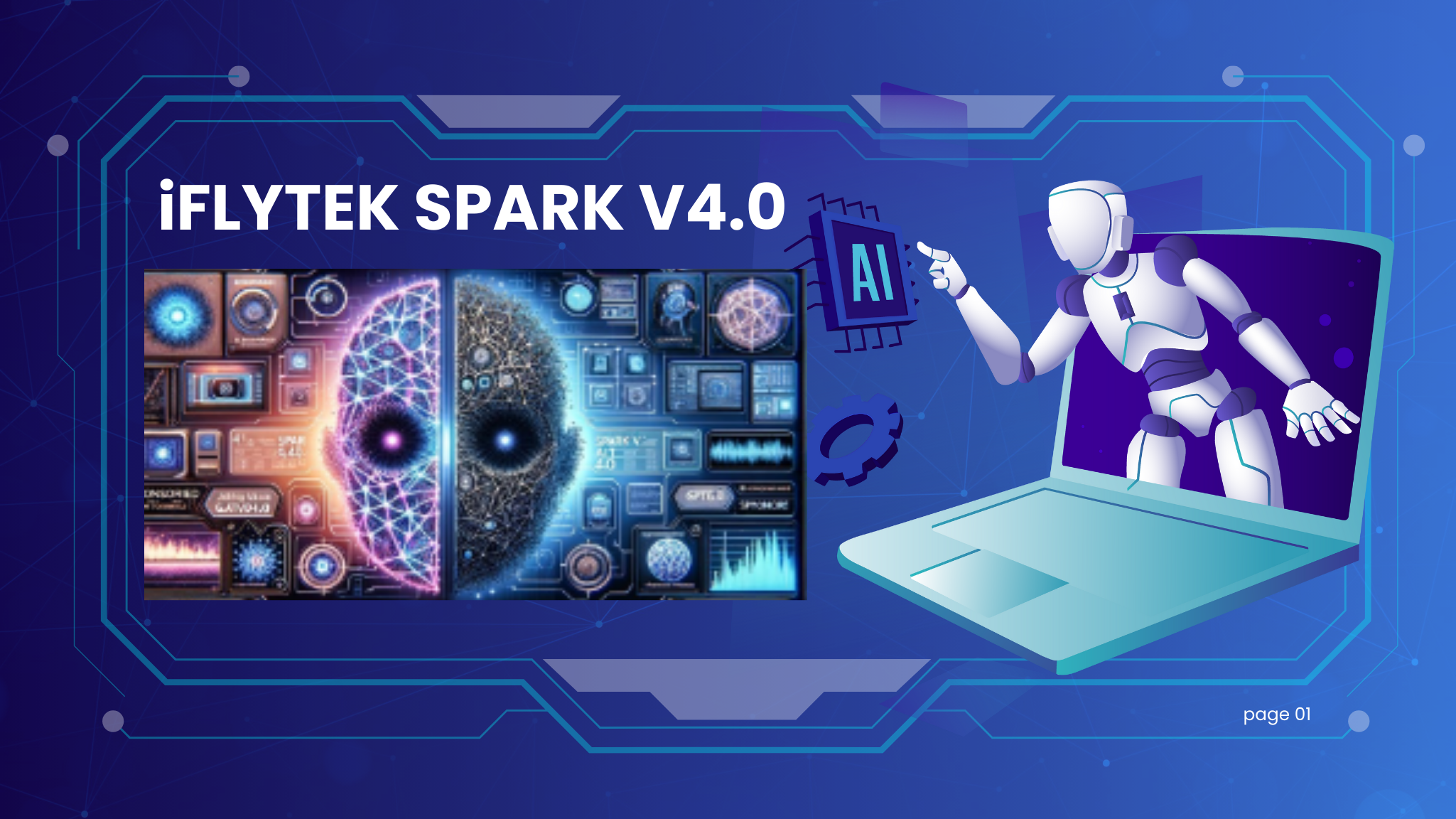
iFLYTEK SPARK V4.0 Powers the Next Generation of AI Voice Technology

iflytek spark v4.0 worldstan.com

This report explores how iFLYTEK SPARK V4.0 is reshaping global human-computer interaction through advanced voice AI, multilingual communication, and real-world applications across education, healthcare, and industry.

iFLYTEK SPARK V4.0 Signals a New Global Benchmark in AI-Powered Human-Computer Interaction

The rapid evolution of artificial intelligence has brought human-computer interaction closer than ever to natural human communication. Among the companies shaping this transformation, iFLYTEK has emerged as a global innovator, particularly in the field of voice-based AI systems. With the latest advancements embedded in iFLYTEK SPARK V4.0, the company is positioning itself at the forefront of multilingual, real-time, and highly anthropomorphic AI interaction.

At the core of this progress lies iFLYTEK’s full-duplex voice interaction technology, which enables machines to listen and respond simultaneously, mimicking natural human conversation. This breakthrough has already gained international recognition, with related technical standards officially adopted in 2023. By setting benchmarks in Chinese, English, and multiple other languages, iFLYTEK has strengthened its global competitiveness in human-computer communication technologies.

SPARK V4.0 represents the culmination of years of research and development, combining advanced voice synthesis, contextual understanding, and real-time responsiveness. The platform demonstrates strong performance across far-field voice recognition, multi-person dialogue handling, and complex real-time interaction scenarios. These capabilities mark a significant leap forward in making AI systems more accessible, intuitive, and reliable across diverse environments.

Advancing Beyond Conventional AI Models

Prior to the release of SPARK V4.0, iFLYTEK introduced the SPARK V3.5 Max edition in May, which attracted attention for its performance in logic reasoning, mathematical problem-solving, and text generation. According to internal benchmarking and third-party evaluations, SPARK V3.5 Max demonstrated results that surpassed GPT-4 Turbo 0429 in several cognitive tasks, highlighting iFLYTEK’s growing strength in large-scale language model development.

SPARK V4.0 builds upon this foundation by integrating deeper contextual reasoning, improved speech perception in noisy environments, and enhanced adaptability across application domains. Rather than focusing solely on text-based intelligence, iFLYTEK has prioritized real-world interaction, where speech clarity, response timing, and situational awareness are critical.

This focus reflects a broader industry shift away from isolated AI capabilities toward integrated systems that operate seamlessly in dynamic human settings. Whether deployed in classrooms, hospitals, industrial facilities, or public spaces, SPARK V4.0 is designed to function reliably under complex and unpredictable conditions.

Strengthening Global Competitiveness Through R&D


Looking ahead, iFLYTEK has outlined an ambitious research roadmap centered on high-noise, multi-speaker environments and cloud-edge integration. These areas represent some of the most challenging frontiers in AI voice technology, where accuracy, latency, and scalability must be carefully balanced.

High-noise scenarios, such as manufacturing floors, transportation hubs, and emergency response settings, require AI systems to distinguish voices clearly amid constant background interference. Multi-speaker recognition adds another layer of complexity, demanding real-time differentiation between speakers while maintaining contextual continuity.

Cloud-edge integration further enhances system responsiveness by distributing computational tasks between centralized cloud infrastructure and localized edge devices. This hybrid approach reduces latency, improves data privacy, and ensures uninterrupted performance even in connectivity-limited environments. By investing heavily in these capabilities, iFLYTEK aims to sustain its leadership in mission-critical AI applications.

iflytek spark v4.0 . worldstan.com

Technological Independence and the Tideforce AI Tool Series

One of the defining aspects of iFLYTEK’s strategy is its emphasis on technological independence. This vision is embodied in the launch of the Tideforce AI tool series, a portfolio of industrial-grade AI devices powered by SPARK V4.0.

The Tideforce lineup includes advanced industrial borescopes, acoustic imaging systems, and ultrasonic flaw detectors. These tools are designed for use in sectors where precision, reliability, and safety are non-negotiable, such as aerospace engineering, energy infrastructure, and high-end manufacturing.

By integrating AI directly into inspection and diagnostic equipment, iFLYTEK enables faster fault detection, predictive maintenance, and enhanced operational efficiency. Over time, these domestically developed AI tools are expected to reduce reliance on imported high-technology equipment, reinforcing supply chain resilience and technological self-sufficiency.

Multilingual Digital Interaction for a Connected World


SPARK V4.0 also showcases iFLYTEK’s commitment to breaking down language barriers through advanced multilingual AI interaction. The platform’s multilingual transparent AI screen delivers real-time visual translation, dual-sided display functionality, and synchronized AI responses, enabling seamless communication between speakers of different languages.

This technology has significant implications for international business, education, tourism, and diplomacy, where clear and immediate communication is essential. By combining speech recognition, machine translation, and natural language generation into a single interface, SPARK V4.0 transforms how people interact across cultures.

Complementing this capability is iFLYTEK’s robot super brain platform, which supports multimodal and multi-person interaction. By integrating voice, vision, and contextual awareness, the platform lays the groundwork for next-generation robotics and Internet of Things ecosystems. These systems are not limited to responding to commands but can actively participate in collaborative human-machine workflows.

Expanding Human Potential Through Intelligent Devices


The convergence of AI interaction, robotics, and IoT technology opens new possibilities for enhancing human productivity and creativity. SPARK V4.0 enables smart devices to move beyond passive functionality toward proactive assistance.

In professional environments, AI-powered systems can facilitate meetings, manage workflows, and provide real-time insights. In consumer settings, they can support learning, entertainment, and daily task management. By making AI interaction more natural and intuitive, iFLYTEK aims to reduce cognitive barriers and empower users to focus on higher-value activities.

This approach aligns with a broader vision of human-centered AI, where technology adapts to human behavior rather than requiring humans to adjust to rigid systems. SPARK V4.0’s design philosophy reflects this shift, prioritizing usability, inclusivity, and adaptability.

Bridging Healthcare Gaps with SPARK+Medical


Healthcare represents one of the most impactful application areas for artificial intelligence, and iFLYTEK has made notable progress through its SPARK+Medical solution. This AI-powered general practitioner assistant became the first of its kind to successfully pass China’s medical licensing examination, marking a milestone in clinical AI validation.

SPARK+Medical provides intelligent diagnostic support, patient Q&A services, and public health education tools. By assisting medical professionals with routine tasks and preliminary assessments, the system helps alleviate workload pressures while maintaining high standards of care.

More importantly, SPARK+Medical has the potential to address disparities in healthcare access, particularly in underserved and rural regions. By offering reliable AI-driven guidance and educational resources, the platform contributes to a more equitable healthcare landscape and supports the transition toward patient-centered, AI-enabled care models.

Transforming Education Through Smart AI Solutions


Education is another domain where iFLYTEK SPARK V4.0 demonstrates transformative potential. As the backbone of Zhejiang’s smart education system, SPARK V4.0 powers next-generation classroom solutions, including the widely adopted Smart Blackboard platform.

These AI-driven educational tools provide interactive learning experiences, personalized feedback, and after-school academic support. Teachers benefit from data-driven insights into student performance, while students gain access to adaptive learning resources tailored to their individual needs.

By integrating AI into everyday classroom environments, iFLYTEK is helping redefine modern education. The emphasis is not on replacing educators but on augmenting their capabilities, enabling more engaging, inclusive, and effective learning experiences.

Redefining the Future of Human-Computer Communication


The evolution of iFLYTEK SPARK V4.0 reflects a broader trend toward AI systems that are deeply integrated into real-world contexts. From industrial inspection and multilingual communication to healthcare support and smart education, SPARK V4.0 demonstrates how AI can operate across diverse sectors without compromising performance or reliability.

As global demand for intelligent, responsive, and trustworthy AI solutions continues to grow, iFLYTEK’s focus on voice interaction, technological independence, and human-centered design positions it as a key player in shaping the next era of AI innovation.

With sustained investment in research, expanding application ecosystems, and a commitment to bridging technological and social gaps, iFLYTEK SPARK V4.0 stands as a compelling example of how artificial intelligence can enhance human capability while remaining grounded in practical, real-world value.F

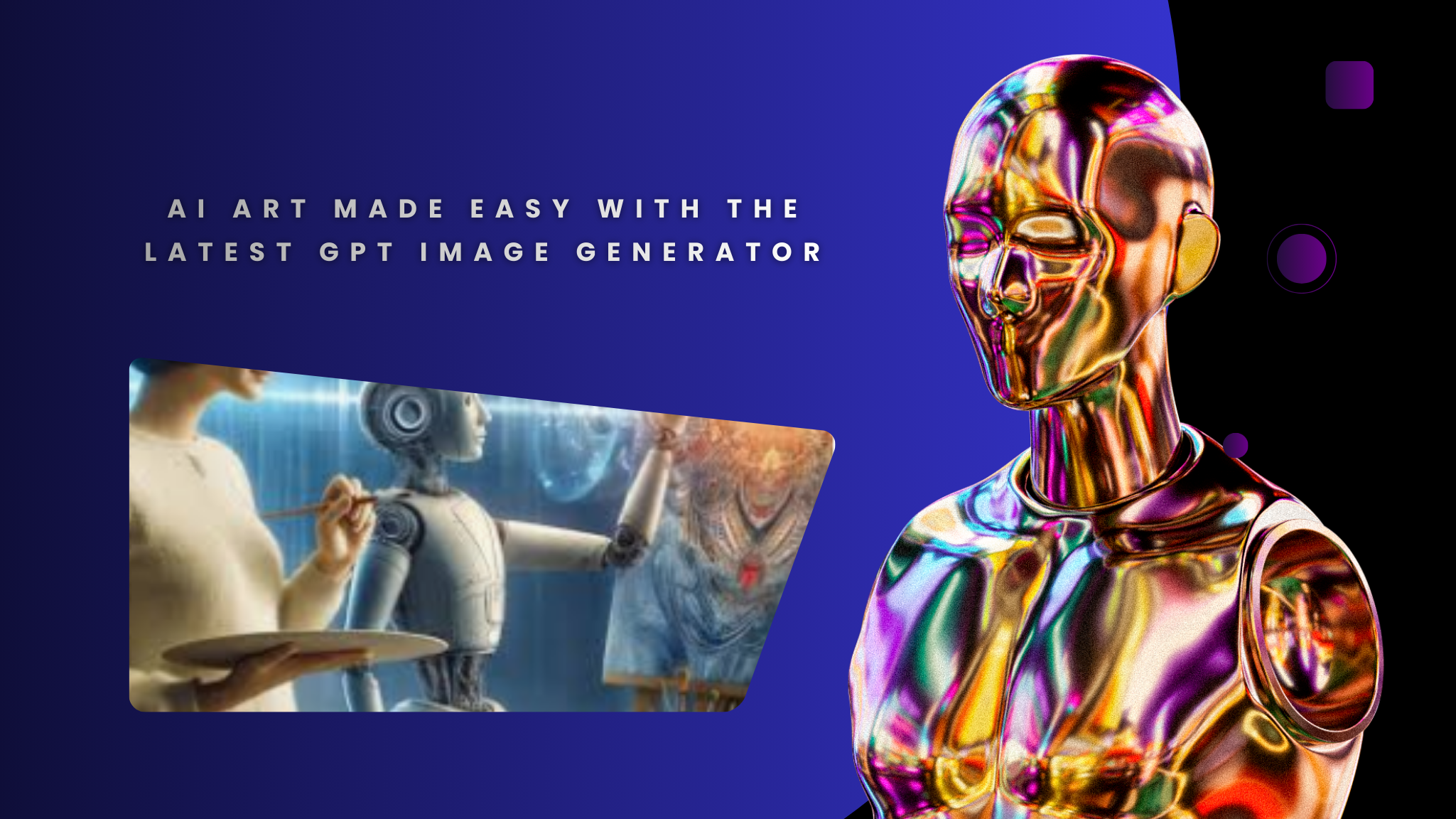
AI Art Made Easy with the Latest GPT Image Generator

ai art made easy with the latest gpt image generator worldstan.com

A new-generation GPT image generator that transforms text and photos into high-quality, customizable AI visuals for every creative need.

A New Standard in AI Visual Creation: Advanced GPT Image Generator Redefines Digital Art


The rapid evolution of artificial intelligence has transformed the way creators, designers, and everyday users bring their ideas to life. With the rise of modern GPT image generators, AI-powered visuals have become more accurate, accessible, and creatively flexible than ever before. Fotor’s latest GPT-driven image generation technology sets a new benchmark, offering high-quality AI visuals for both personal and professional use with unparalleled ease.

OpenAI-Powered Text-to-Image Generation

Fotor’s GPT image generator is built on powerful OpenAI-supported text-to-image technology designed for accurate prompt interpretation and high-definition visual output. Users simply enter their concept into the text box, choose an image style and format, and generate royalty-free AI visuals that match the tone, details, and aesthetic described. The system is engineered to deliver consistent results that align closely with the user’s creative direction.

Transform Images Instantly with AI Style Transfer


Beyond text-to-image creation, the tool features an advanced image-to-image engine that converts existing photos into new artistic styles without requiring any additional prompts. With a wide range of AI filters and automated style transformation options, users can effortlessly create cinematic, cartoon, anime, watercolor, concept art and more. This prompt-free enhancement allows anyone to produce striking visuals in seconds.

Unlimited Access to High-Quality AI Outputs

While many platforms impose restrictions—particularly for free-tier users—Fotor’s GPT image generator removes these limitations. Users receive free credits for AI image generation, with the ability to produce multiple image variations from a single prompt. The system supports both text-based creation and unlimited style conversions, making it one of the most flexible AI image generators available today.

 Explore Diverse Image Styles and Artistic Effects

The tool offers an extensive catalog of artistic styles, ensuring creators can experiment with different aesthetics. From realistic depictions to anime, sketch, watercolor, fantasy art, Studio Ghibli-inspired visuals, plush monster themes, and action-figure effects, the generator provides endless inspiration. These styles empower users to conceptualize unique artistic identities and design original AI art that stands out.

High-Resolution Outputs for Any Creative Project

Whether for branding, marketing, digital art, or printed media, the GPT image generator delivers crisp, vivid, and professional-grade visuals. Users can download their AI-created images in high resolution and apply them directly to posters, book covers, website graphics, marketing campaigns, or personal artwork with confidence.

Create Personalized AI Avatars and Profile Pictures

For social media creators, influencers, and community managers, the tool offers an easy way to design exclusive AI avatars. From realistic portraits to anime, cartoon, pop art, and stylized designs, users can generate unique profile images that elevate their presence on platforms like Instagram, Facebook, TikTok, YouTube, X, and Discord. Simply upload a photo or create from text, and the AI produces tailor-made visuals that reflect personal style.

Edit and Enhance Images with Integrated AI Tools

The platform includes a suite of intelligent editing tools such as background removal, object replacement, and AI-based image enhancement. With support for advanced models like Flux AI, users can refine their generated visuals with greater precision. These built-in features eliminate the need for switching between different applications, creating a seamless workflow for both beginners and professionals.

A Complete AI Photo Editing and Design Suite

As an all-in-one solution, Fotor also offers a complete AI photo editor for adjusting colors, applying effects, cropping, resizing, and customizing designs. Users can incorporate their AI-generated images into ready-made templates for posters, banners, business cards, podcast covers, social media graphics, and more. The platform enables quick customization for both personal and commercial projects.

Use AI Images for Blogs, Websites, and Book Covers

Writers and content creators can generate original illustrations for blog posts, web banners, or book covers. By entering a detailed prompt, the GPT image generator produces visuals that align with the narrative, color theme, and emotional tone of the content. This allows creators to enhance their storytelling with visually compelling artwork that strengthens viewer engagement.

Elevate Your Social Media with Impactful AI Visuals

For users aiming to grow their digital presence, the platform provides tools to produce attention-grabbing AI images suitable for social media posts. With high-definition quality and stylistic versatility, these visuals encourage higher engagement, shares, likes, and interactions across all major platforms.

A Powerful GPT Image Generator for Every Creative Need

From text-to-image conversion to prompt-free image transformation, Fotor’s GPT image generator is designed to meet the demands of modern creators. Whether you are developing branding materials, producing digital art, enhancing social media content, or exploring new artistic styles, the tool offers limitless creative potential with professional-level results.

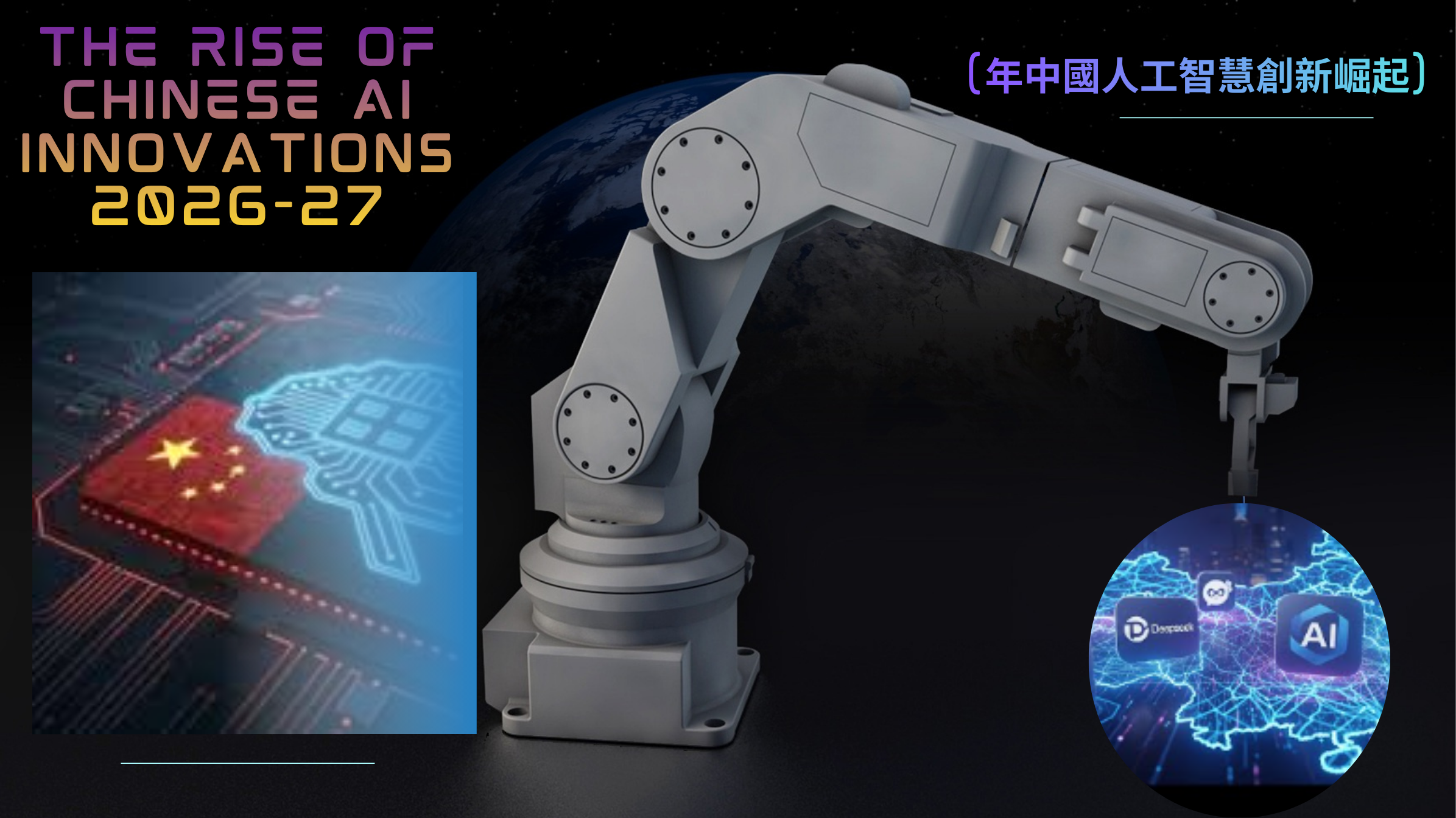
中國人工智慧-Chinese AI Innovations 2026-27 – Models, Chips, and Future Trends

the rise of chinese ai innovations 2026 27 worldstan.com

(中國正快速崛起為全球人工智慧領域的力量,透過先進的模型、策略性的政策舉措和技術突破來推動創新,重塑產業格局、國家發展以及全球人工智慧的未來。)

China is rapidly emerging as a global force in artificial intelligence, driving innovation through advanced models, strategic policy initiatives, and technological breakthroughs that are reshaping industries, national development, and the future of AI worldwide.

(年中國人工智慧創新崛起)

The Rise of Chinese AI Innovations 2026-27: Transforming Technology and Global Competitiveness

Artificial intelligence has emerged as the driving force of the digital transformation era, and China is positioning itself as one of the world’s major powerhouses in this domain. Over the past few years, Chinese AI innovations have progressed rapidly, with 2026-27 shaping up to be one of the defining years for artificial intelligence development in the region. Accelerated by large model breakthroughs, strategic national programs, and advancements in AI hardware, China is competing with global leaders such as the United States by pushing toward agile model efficiency, industrial adoption, and sovereign digital capabilities.

Strategically, Chinese AI companies are refining high-efficiency large language models, including mixture-of-experts (MoE) architectures and reinforcement learning technologies. AI infrastructure investments remain a priority, combining cloud architecture development with localized chip capabilities. Despite international restrictions on chip exports, Chinese companies such as Huawei are redefining hardware resilience with proprietary technology, including the Ascend series processors. Meanwhile, AI+ initiatives are steadily embedding intelligent systems across essential sectors such as healthcare, transportation, smart cities, and governance. This report explores how Chinese AI 2026-27 strategies are reshaping economic growth, industrial modernization, and global AI competition.

Shifting From Model Size to Intelligence Efficiency

For years, the AI race focused on building the largest possible models. Chinese AI research is now moving beyond mere parameter magnitude and redirecting efforts toward model efficiency, agility, and real-world adaptability. DeepSeek’s latest innovation, DeepSeek-R1, is a prime example of this advancement. Unlike earlier solutions that demanded enormous computing power, R1 optimizes results using internal reasoning processes, enabling faster and low-cost inference. DeepSeek’s approach to AI model engineering reflects a national expectation that AI solutions should integrate seamlessly across industries without extreme dependency on external GPU-based infrastructures.

Other companies have similarly shifted toward practical intelligence. Tencent’s Hunyuan model has improved standard conversational capabilities using algorithmic efficiency upgrades. Baidu’s Ernie focuses on multimodal learning for real-time data processing. Meanwhile, Alibaba’s Tongyi Qianwen has been repositioned for business transformation, offering integrated AI decision platforms for enterprises. MiniMax and Zhipu AI are rapidly gaining recognition by building lightweight AI systems for product-level deployment.

How Chinese AI Companies Are Leading Innovation

Major AI Tigers in China, including Baidu, Tencent, Alibaba, and SenseTime, remain instrumental in pushing technological boundaries. Zhipu AI specializes in scalable large model deployment, while Moonshot AI works on reasoning-based solutions that closely challenge global benchmarks for cognitive task performance. Startups such as DeepSeek and MiniMax are disrupting conventional AI development indicators by emphasizing innovation over computing resource dependency.

These developments are reinforced by the national AI integration drive, often referred to as China’s AI+ Initiative. This strategic program ensures that intelligent technologies are progressively applied within industrial ecosystems, including supply chain management, autonomous vehicles, energy optimization, communication systems, and decision-making analytics. The broader framework aligns with China’s 2030 AI strategy, focusing on achieving global leadership in artificial intelligence applications, large model breakthroughs, and AI infrastructure sovereignty.

The Role of AI Infrastructure in Future Development

China’s investment in AI computing architecture is central to scaling domestic innovation. The national Eastern Data Western Computing initiative acts as a distributed data-processing infrastructure that channels large-scale computing resources into regions where they are required most. This structural approach helps accelerate AI industrialization, remote sensing, urban traffic optimization, and environmental forecasting.

In hardware innovation, Huawei Ascend 910C demonstrates strong signals that China is overcoming limitations caused by international export restrictions on advanced chip technology. The Ascend platform allows researchers and AI developers to train high-performance models without access to restricted GPU types. This is crucial for ensuring long-term AI development independence, particularly for companies like DeepSeek, Baidu, and Tencent.

AI Applications in Chinese Industries

The integration of artificial intelligence into real-world industries is accelerating. In healthcare, Chinese AI applications are improving diagnostic speed, predictive analytics, drug formulation insights, and robot-assisted surgery planning. Smart cities now depend heavily on intelligent traffic systems, energy consumption forecasting, and public safety monitoring enhanced with AI frameworks.

Autonomous vehicles, led by companies such as Baidu and Huawei’s intelligent driving division, are testing fully automated transport protocols in controlled urban environments. AI deployment within governance systems is also increasing, using predictive analytics, resource planning algorithms, and digital administrative management tools to improve governmental efficiency and transparency.

In education, AI-driven learning platforms personalize curriculum content, enabling adaptive skill learning. Retail industries benefit from smart predictive models that adjust product demand analytics and optimize supply chain performance.

Emerging Research: From WuDao 3.0 to Algorithmic Reasoning

The evolution of WuDao 3.0 reflects major shifts in multimodal capability, enabling interaction across imaging, voice, and text analytics. Reinforcement learning models and reasoning-based intelligence are now replacing brute model training techniques. These approaches help large language models simulate analytical cognition, making systems more predictive and user-oriented.

Chinese AI researchers increasingly prefer hybrid neural training methods, combining symbolic reasoning with deep learning. As these systems continue to evolve, experts predict that 2026-27 will mark a visible divergence from computation-heavy AI to intelligence-driven models that can operate efficiently on lower-spec hardware.

Strengthening AI Talents and Research Collaboration

Sustaining this momentum requires robust skill growth. Chinese universities are expanding AI research practice, creating partnerships with technology companies and establishing computing facilities for junior researchers. Skilled data scientists and deep learning engineers are in high demand as AI applications expand beyond software development and enter urban planning, energy solutions, and cyber-security sectors.

AI research conferences, technical partnerships, and global innovation exchanges remain active despite geopolitical tensions. Cross-company projects are enhancing consistency with national AI development goals, and private companies are encouraged to foster innovation through financial and research incentives.

Challenges in the AI Evolution Path

Despite rapid technological progress, China’s AI industry faces several strategic challenges. The most pressing issue relates to access limitations due to chip export sanctions. AI companies dependent on external processor supply chains often experience difficulty scaling prototypes into production-level solutions.

Talent retention remains another concern as specialists frequently move toward international opportunities. Ensuring consistent regulation and ethical compliance also forms a critical part of sustainable AI deployment.

Moreover, the global AI competition landscape is intensifying. While Chinese models demonstrate impressive reasoning performance and multimodal capabilities, benchmarking against competitors such as OpenAI’s GPT series and European sovereign LLM projects continues to be necessary for international credibility.

The Impact on Global Economic Transformation

AI adoption is directly influencing China’s future economic strategies. Industrial automation, logistics planning, digital finance systems, and e-governance improvements are gradually boosting national productivity levels. Export-oriented manufacturing industries are integrating AI to maintain cost competitiveness, while high-value technology sectors such as robotics and bio-engineering are expanding through AI-driven research.

AI economic transformation also enhances regional technological prestige. As China continues to position itself as a crucial center for AI development, foreign companies increasingly engage in research collaboration, hardware supply partnerships, and AI model optimization dialogues.

Outlook for 2026-27 and Beyond

The next stage of Chinese AI development will showcase a determined shift toward practical intelligence, model sustainability, and domain-specific optimization. DeepSeek’s initiatives in algorithmic reasoning, coupled with Huawei’s hardware advancements, stand as two of the most pivotal developments driving local AI sovereignty.

Industrial-grade AI solutions will gain increased adoption, while startups are anticipated to develop specialized systems targeting agriculture technology, disaster management analytics, and personalized medicine. As AI regulatory systems mature, companies will integrate explainable AI policies to ensure security and accountability.

Overall, 2025 is set to be a transformational year, marking the transition from raw computational force to smart efficiency in AI design. Chinese AI innovations will likely focus on rational growth, performance scalability, and deeper integration into advanced sectors such as sustainable urban planning, health informatics, and law enforcement analytics.

Conclusion:

China’s strategic pursuit of artificial intelligence leadership has transitioned from ambition to impact, positioning the country as a powerful global innovator in the field. From advanced large language models like DeepSeek-R1 and WuDao 3.0 to supportive policies such as the AI+ Initiative and Eastern Data Western Computing, China is transforming AI into a national asset that fuels economic growth, enhances governance, and drives industry modernization. Its focus on scalable infrastructure, talent development, and long-term strategic planning reflects a comprehensive approach that not only strengthens domestic capabilities but also influences international AI dynamics.

Despite challenges such as computing limitations, regulatory concerns, and external technology restrictions, China continues to push forward through indigenous innovation in AI hardware, efficient model architectures, and wide-scale real-world integration. The adoption of AI in sectors like healthcare, urban planning, autonomous transportation, and digital government signals a shift from theoretical advancement to practical, high-impact deployment.

As 2025 unfolds, China’s expanding influence in artificial intelligence is redefining global competitiveness and accelerating the race to next-generation innovations. The nation’s commitment to technological self-reliance and strategic AI implementation underscores a future where China is not just a participant but a key architect of the world’s AI transformation.

FAQs:

1. What are the key AI innovations emerging from China in 2026-27?

China is introducing breakthrough AI models like DeepSeek-R1, advancing chip technology such as Huawei’s Ascend 910C, and implementing national integration strategies like the AI+ Initiative to drive sector-wide digital transformation.

2. How is China planning to lead the global AI landscape?

China is combining strategic policymaking, large-scale infrastructure development, and partnerships between tech giants and emerging AI startups to accelerate innovation and reduce reliance on foreign technologies.

3. Which Chinese AI companies are gaining international recognition?

Companies such as Baidu, Tencent, Alibaba, Zhipu AI, Moonshot AI, and DeepSeek are becoming prominent global competitors, especially in language modeling, multimodal AI, and enterprise AI solutions.

4. What industries in China are currently adopting artificial intelligence at scale?

AI is being deployed in healthcare, smart city planning, autonomous vehicles, manufacturing, financial technology, and government services, enabling efficiency improvements and data-driven decision-making.

5. How are sanctions and export restrictions influencing China’s AI development?

Although chip export restrictions have created challenges, China is accelerating domestic innovation in AI hardware and shifting towards energy-efficient model architecture to maintain its development momentum.

6. What role does AI play in China’s long-term national strategy?

Artificial intelligence is positioned as a core driver of economic modernization, global competitiveness, and technological self-sufficiency under national strategies targeting leadership by 2030.

7. Why is the Chinese AI model ecosystem growing so rapidly?

The rapid growth is driven by heavy government investment, high computing capacity through cloud-based clusters, collaboration between research institutions and enterprises, and increasing focus on practical AI adoption rather than solely theoretical advancements.

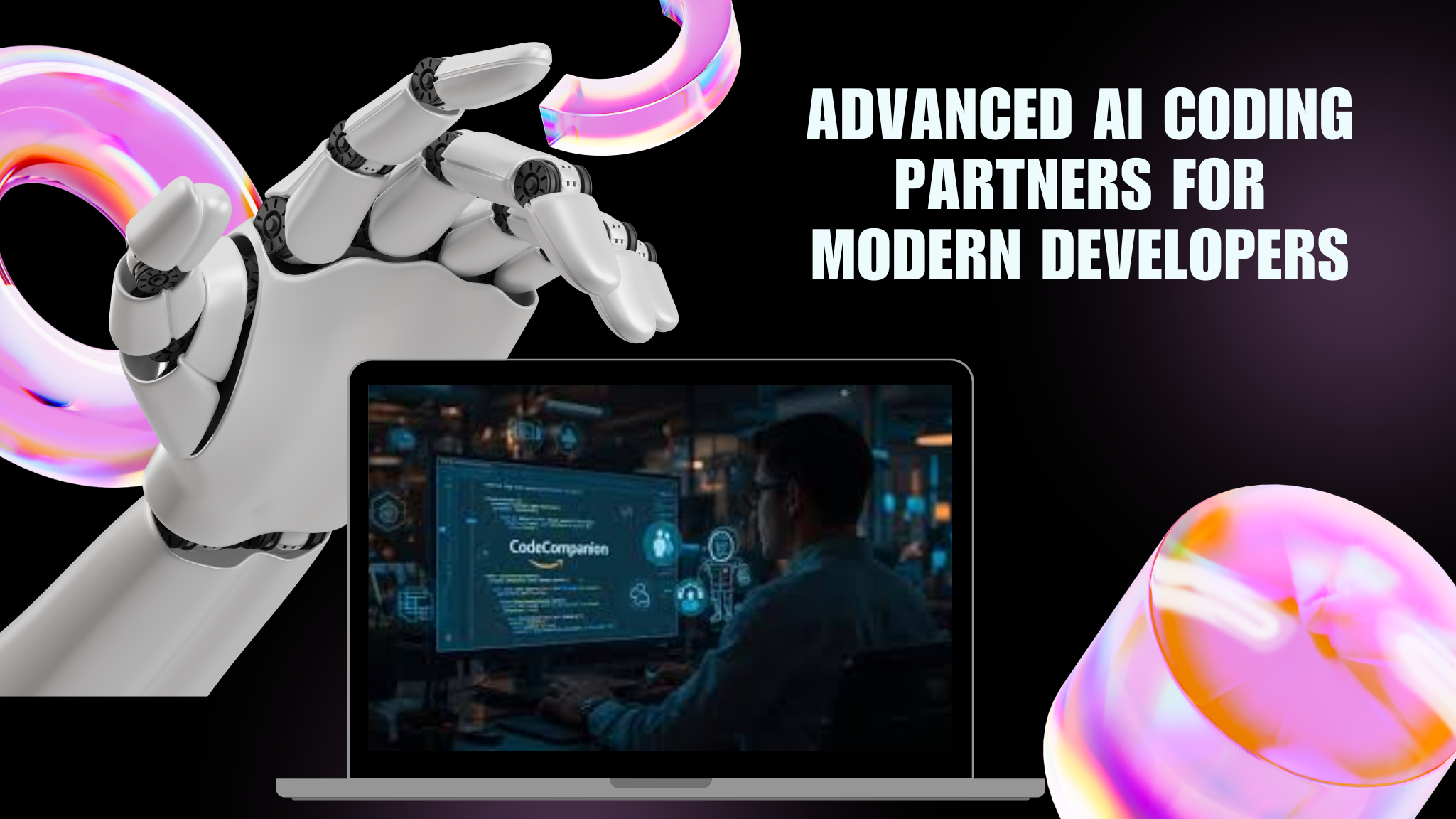
高级人工智能编码-Advanced AI Coding Partners For Modern Developers

Advanced AI Coding Partners For Modern Developers worldstan.com

Professional Recrafted Version:

The growing influence of AI-powered software development is reshaping how engineers build, review, and maintain modern applications. As part of the Generative AI for Software Engineers and Developers specialization, this program offers a structured learning pathway designed to help professionals master the latest intelligent coding tools and advance their technical capabilities.


The course consists of four comprehensive modules, each developed to strengthen subject-matter expertise through industry-led instruction and practical, job-focused exercises. Participants gain a clear understanding of generative AI concepts and acquire hands-on experience essential for integrating AI assistance into everyday development workflows.

The curriculum begins with GitHub Copilot, a leading AI coding assistant known for intelligent code suggestions, debugging support, documentation assistance, and collaborative development features. Learners explore how Copilot enhances productivity through personalized completions, automated reviews, and seamless integrations within CI/CD pipelines. These skills help both individuals and teams accelerate development cycles with greater accuracy and efficiency.


The next module introduces Tabnine AI, emphasizing its context-aware completions, inline actions, and AI chat capabilities. Participants learn how to review, refactor, and document code with the support of AI while developing a deeper understanding of security considerations and ethical practices in modern software engineering. Tabnine’s strong integration options and maintenance tools enable developers to streamline large-scale projects with confidence.


The final module focuses on Amazon Q for Developers, Amazon’s powerful AI assistant designed for cloud-based development. The course covers setup, configuration, and the use of commands such as /transform and /dev for generating, refactoring, and testing code. By comparing Amazon Q with GitHub Copilot and Tabnine, learners gain a balanced view of each tool’s strengths and trade-offs, enabling informed decisions when selecting AI solutions for diverse workflows.


Upon completing the program, participants will be able to accelerate software development with intelligent automation, enhance productivity through AI-assisted completions and reviews, and apply responsible AI practices to build secure and maintainable systems. The course also strengthens collaborative skills, preparing developers to work effectively in multi-engineer environments where AI supports pull requests, code reviews, and pair programming.


This program is particularly suited for software engineers, DevOps professionals, and technical leads who aim to integrate advanced AI capabilities into their coding processes. A basic understanding of programming principles, version control, and software development standards is recommended.


this program, learners gain the tools and perspective needed to harness the power of AI in software engineering and transform the way they code, collaborate, and innovate.

Conclusion:


AI-powered software development is rapidly becoming an essential part of modern engineering, allowing teams to work faster, smarter, and more securely. By mastering tools such as GitHub Copilot, Tabnine, and Amazon Q, developers gain the ability to automate repetitive tasks, improve code quality, and streamline collaboration across complex projects. This program equips learners with the practical skills and responsible AI practices needed to thrive in an evolving digital landscape, empowering them to innovate with confidence and build software that meets the demands of today’s fast-paced industry.

FAQs:

  1. What is AI-powered software development?

It refers to using artificial intelligence tools to assist with coding, debugging, documentation, and project workflows, helping developers work more efficiently and accurately.

  1. Who should enroll in this program?

The program is ideal for software engineers, DevOps professionals, technical leads, and anyone interested in integrating AI tools into their development practices.

  1. Do I need prior programming experience to benefit from the course?

Yes, a basic understanding of programming concepts, version control, and software development methods is recommended for smooth learning.

  1. What makes GitHub Copilot useful for developers?

GitHub Copilot provides intelligent code suggestions, automated reviews, debugging support, and powerful integrations that speed up development for individuals and teams.

  1. How does Tabnine AI improve coding productivity?

Tabnine offers context-aware completions, inline actions, and AI chat assistance that simplify code refactoring, documentation, and security-focused development.

  1. What is Amazon Q for Developers?

Amazon Q is an AI assistant designed for cloud-based development, helping engineers generate, test, transform, and optimize code within AWS-powered workflows.

  1. Can these AI tools replace developers?

No. These tools enhance productivity and reduce manual workload, but decision-making, architecture planning, and creative problem-solving remain human-driven.

  1. Are AI coding tools secure to use?

When used responsibly and with proper configuration, tools like Copilot and Tabnine support secure coding practices and help detect potential risks.

  1. Will this program help me work better in a team environment?

Yes. The curriculum emphasizes collaborative workflows, AI-supported code reviews, and improved communication through automation.

  1. How do AI coding assistants support DevOps processes?

They integrate with CI/CD pipelines, automate repetitive tasks, improve code reliability, and enhance deployment workflows with intelligent recommendations.

Exploring AI Applications in Daily Life

AI online shopping and ecommerce worldstan.com

Artificial intelligence has quietly integrated into our daily routines, and this overview explores how AI is shaping everyday life through practical applications across technology, business, healthcare, and beyond.

Everyday Examples and Applications of Artificial Intelligence in Daily Life

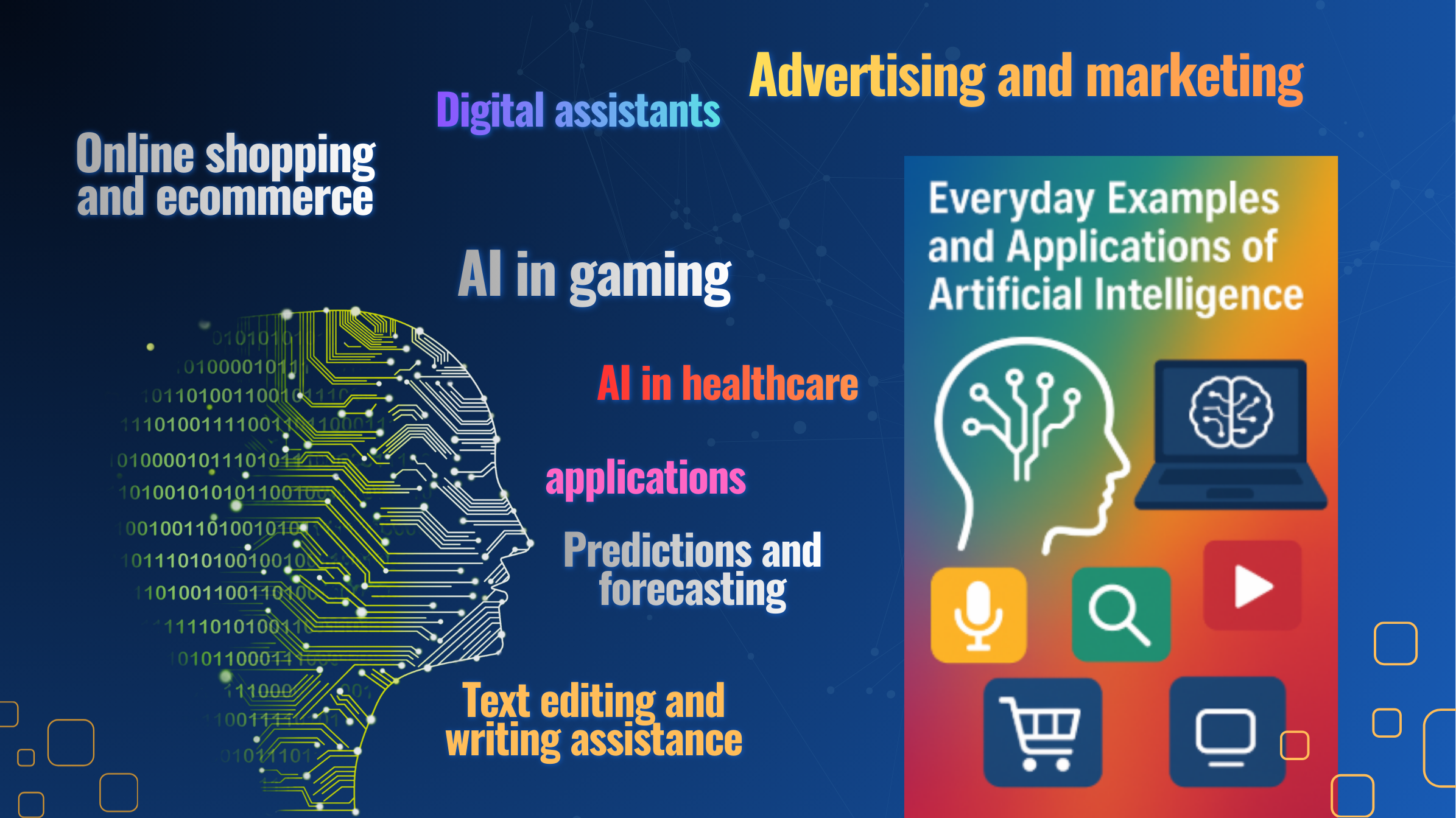
Artificial intelligence has moved beyond being a futuristic concept and now actively shapes how businesses, consumers, and industries operate. While many people may not realize it, AI is embedded in countless digital tools, online services, and automated systems we interact with every day. From digital assistants and online shopping to healthcare and fraud detection, AI-powered devices and algorithms continue to enhance convenience, efficiency, and decision-making.

Understanding artificial intelligence

Artificial intelligence is a branch of computer science that focuses on designing systems capable of performing tasks that typically require human intelligence. These tasks include learning, reasoning, problem-solving, understanding language, and recognizing patterns. AI-powered systems can analyze large amounts of data, adapt through machine learning, and deliver automated results, often faster and more accurately than humans.

Everyday uses and applications of artificial intelligence

AI is no longer restricted to high-tech labs or advanced robots; it is now integrated into common tools used in homes, workplaces, transportation, and entertainment. Below are some real-world examples of how AI functions in everyday life.

Digital assistants

Digital assistants such as Siri, Alexa, Google Assistant, Cortana, and Bixby are among the most widely used AI tools. They help users set reminders, answer queries, control smart home devices, play music, and even assist in online shopping. These assistants recognize voice commands, analyze requests, and respond accordingly using AI-driven natural language processing.

Search engines

Search engines rely heavily on AI algorithms to deliver accurate and relevant results. They analyze user behavior, search history, and trending queries to predict what information users are looking for. Features like autocomplete suggestions, voice search, and People Also Ask sections are powered by machine learning and predictive AI.

Social media

AI shapes the way social media platforms such as Facebook, Instagram, YouTube, and TikTok function. AI algorithms monitor user interactions, search behavior, and engagement patterns to personalize news feeds, recommend content, and improve user experience. Social media platforms also use AI for content moderation, data analytics, targeted advertising, and user safety.

Online shopping and ecommerce

Online shopping platforms use AI to enhance the customer experience and improve business efficiency. AI-driven recommendation engines analyze buying behavior, preferences, and browsing history to suggest relevant products. AI is also used for pricing optimization, demand forecasting, chatbots for instant support, predictive shipping, and managing real-time inventory.

Robotics

AI-powered robots are widely used in industries such as manufacturing, aerospace, hospitality, and healthcare. In aerospace, robots like NASA’s Perseverance rover explore planetary surfaces, collect samples, and transmit data. In factories, industrial robots take charge of welding, assembling, transporting materials, and other repetitive tasks. In hospitality, robots help with guest check-ins, delivery services, and automated food preparation.

Transportation and navigation

AI is transforming transportation through autonomous vehicles, smart traffic management, and advanced navigation systems. Apps like Google Maps, Apple Maps, and Waze use AI to analyze real-time location data, predict traffic conditions, and provide accurate routes and estimated arrival times. Airlines also use AI-driven autopilot systems to analyze flight data and adjust routes for safety and efficiency.

Text editing and writing assistance

AI plays a key role in text editing and writing tools such as Grammarly and Hemingway App. These tools offer grammar correction, readability analysis, plagiarism detection, and style improvement. AI-based autocorrect and predictive text features on smartphones learn from user behavior to make writing faster and more accurate.

Fraud detection and prevention

Banks and financial institutions use AI to detect and prevent fraudulent activities. AI systems analyze thousands of transactions in real time, identify unusual behavior, and automatically flag or block suspicious activity. This helps protect consumers and businesses by reducing risks and enhancing security.

Predictions and forecasting

AI is heavily used in predictive analytics to help organizations make data-driven decisions. It forecasts market trends, equipment maintenance schedules, customer preferences, and business demand. Predictive maintenance helps avoid costly breakdowns by analyzing wear and tear on machinery, while predictive modeling estimates future outcomes based on historical patterns.

AI in gaming

The gaming industry has used AI for decades to improve gameplay and generate dynamic environments. AI allows non-player characters to react intelligently, adapt to user strategies, and provide more realistic experiences. Games like Minecraft, F.E.A.R, and The Last of Us use AI to personalize challenges and enhance interactivity.

AI in healthcare

Artificial intelligence is revolutionizing healthcare through early diagnosis, disease prediction, drug discovery, and robotic surgery. AI systems can analyze medical data to identify potential diseases before symptoms appear, recommend treatments, and help doctors improve patient care. Predictive analytics also track contagious disease patterns to support public health management.

Advertising and marketing

AI is reshaping advertising by improving ad targeting, budget optimization, and personalized campaigns. Tools powered by AI can write ad copy, design visuals, and recommend marketing strategies based on customer behavior and demographics. AI ensures ads are shown to the right audience at the right time for better engagement and conversion.

Analytics and business intelligence

AI-driven analytics enables companies to generate accurate forecasts, analyze large datasets, and monitor real-time business performance. Predictive analytics, business monitoring, and smart reporting help organizations plan better, reduce costs, and improve customer satisfaction.

Business and AI

As AI technology continues to evolve, businesses across industries are increasingly adopting AI-driven solutions to stay competitive. From optimizing operations to improving customer experience, AI provides a strategic advantage in decision-making and innovation.

Artificial intelligence is no longer a concept of the future. It has already embedded itself in everyday life, transforming how we work, communicate, travel, and shop. As technology continues to advance, the role of AI in our daily lives will only expand, offering smarter, faster, and more efficient solutions to everyday challenges.

Conclusion:

Artificial intelligence has rapidly progressed from a specialized technological concept to a fundamental part of modern life. Whether enhancing personal convenience through digital assistants, supporting business strategies with predictive analytics, or improving patient outcomes in healthcare, AI continues to drive innovation across industries. Its presence may often go unnoticed, yet its impact is substantial—optimizing tasks, strengthening decision-making, and expanding the boundaries of what is possible. As AI technology evolves, it will play an even more influential role in shaping how we live, work, and interact with the world. Embracing AI responsibly and strategically will be key to unlocking its full potential and ensuring long-term benefits for individuals, businesses, and society as a whole.


FAQs:

1. What are some common examples of AI we use without realizing it?

Many people unknowingly use AI every day through digital assistants, navigation apps, online shopping recommendations, autocorrect tools, and social media feeds tailored to their interests.


2. How does AI improve user experience in online shopping?

AI analyzes browsing history, past purchases, and user preferences to show personalized product suggestions, optimize prices, automate customer support, and predict delivery times.


3. Can AI help businesses make better decisions?

Yes. AI uses predictive analytics and data modeling to forecast trends, track performance, and support informed decision-making, making business strategies more efficient and data-driven.


4. Is AI safe to use in healthcare?

AI is widely used to assist doctors in diagnosing diseases early, predicting health risks, and analyzing medical data. When used responsibly and under professional supervision, it enhances accuracy and patient care.


5. How does AI contribute to fraud prevention?

AI systems monitor thousands of transactions in real time, identify unusual patterns, and flag or block suspicious activity automatically to protect users from potential fraud.


6. Can AI be used in education and learning?

Absolutely. AI-powered platforms offer personalized learning paths, automated grading, interactive chatbots, and real-time feedback to help students learn more effectively.


7. Is AI replacing human jobs?

AI can automate repetitive tasks but also creates new opportunities by assisting professionals, increasing efficiency, and enabling people to focus on more complex, strategic responsibilities.