AI productivity tools are quickly becoming part of everyday work, but as they grow more powerful, they are also raising serious questions about trust, consent, and how far artificial intelligence should go in shaping the way we write, create, and communicate.
The conversation around AI productivity tools is getting more serious, especially as these tools become part of everyday work. What started as a simple interview about artificial intelligence quickly turned into a deeper discussion about trust, ethics, and how far companies should go when building AI-powered products.
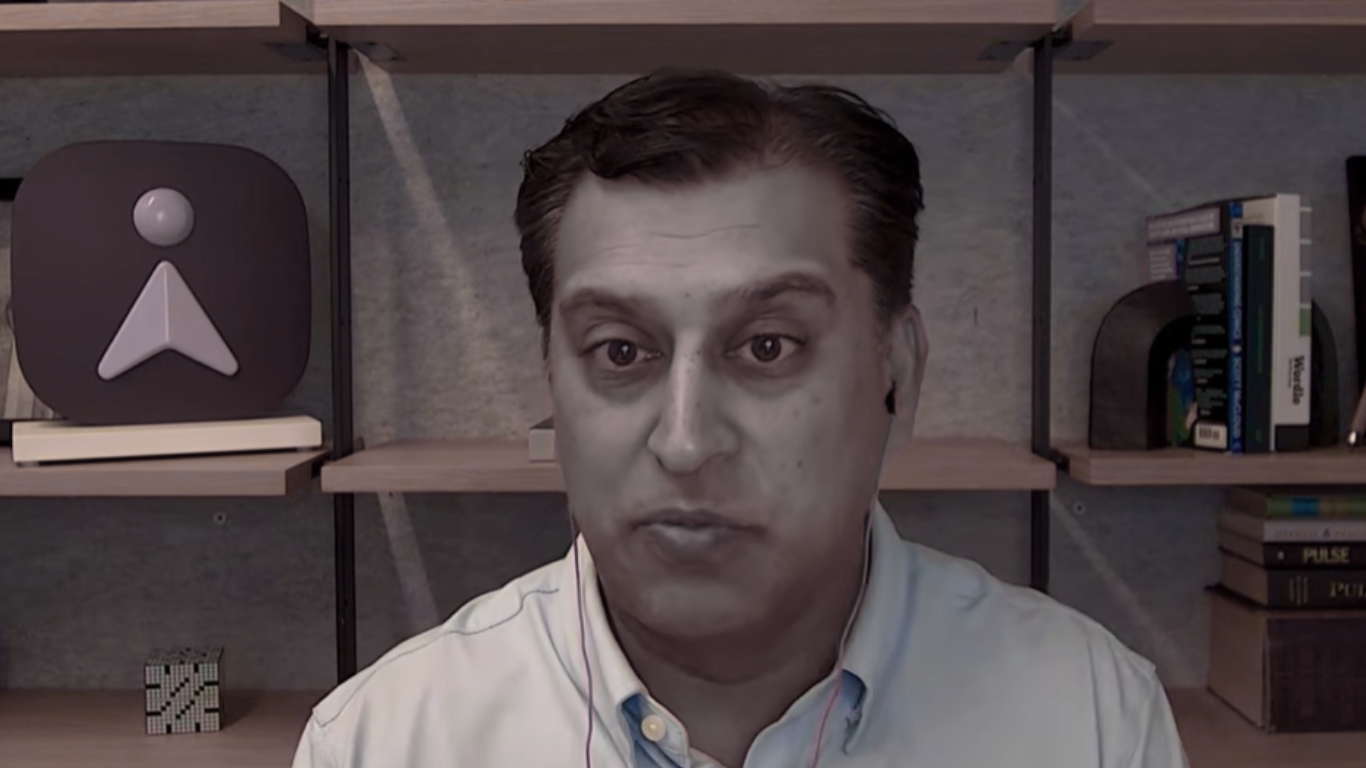
Recently, Shishir Mehrotra, CEO of Superhuman, sat down for a discussion that was originally meant to explore how AI is shaping modern software and creativity. Superhuman, which now operates as an AI-focused productivity suite, has expanded beyond its well-known writing assistant Grammarly. The company also offers tools like Coda for documents and an AI-powered email experience, all designed to bring artificial intelligence directly into the user’s daily workflow.
The core idea behind these AI productivity tools is simple: instead of asking users to change how they work, the tools adapt to existing habits. Whether someone is writing an email, editing a document, or managing tasks, AI is placed right where the work is happening. This approach has helped such platforms grow quickly, with millions of users relying on AI assistants to improve efficiency and save time.
However, the discussion took a different turn when the topic shifted to a controversial feature previously launched by Grammarly. Known as “Expert Review,” the feature used AI to generate writing suggestions by mimicking the styles of well-known experts, including journalists and public figures. The issue was that many of these individuals had never given permission for their names or identities to be used.
This decision sparked strong reactions across the media and tech communities. Critics argued that the feature crossed an important line in AI ethics, especially around consent and transparency. For many, it raised a bigger question: if AI can replicate someone’s voice or expertise, who controls that identity?
The backlash was immediate. Concerns about AI cloning experts and misuse of personal identity led to public criticism and even legal action. Investigative journalist Julia Angwin filed a class action lawsuit, highlighting the seriousness of the issue. The situation became a clear example of how AI innovation, when not handled carefully, can quickly turn into controversy.
Superhuman responded by first offering users a way to opt out and then removing the feature entirely. During the interview, Mehrotra acknowledged the mistake and apologized, stating that the company did not intend to harm or upset anyone. He also recognized that the environment for creators and experts is already challenging, and such decisions can make it even more difficult.
This moment reflects a broader challenge in the world of artificial intelligence. As AI tools become more advanced, they are no longer just helping with grammar or productivity. They are starting to interact with human identity, creativity, and ownership. This shift makes AI governance and responsible decision-making more important than ever.
From a business perspective, companies like Superhuman are trying to stay ahead in a highly competitive space. AI adoption trends show that users want smarter, faster, and more integrated tools. The idea of a single AI assistant that works across apps, from email to documents to messaging platforms, is clearly appealing. It creates a seamless experience and reduces the need to switch between different tools.
But with this convenience comes responsibility. Users are now more aware of how their data is used and how AI systems operate. Trust has become a key factor in the success of any AI platform. If users feel that a product is not transparent or ethical, they are less likely to continue using it, no matter how advanced the technology is.
During the discussion, Mehrotra also shared insights into how decisions are made within the company. He emphasized the importance of asking the right questions and gathering diverse opinions to avoid groupthink. While these frameworks are designed to improve decision-making, the Expert Review situation shows that even structured processes can fail when it comes to ethical judgment.
This raises an important point for the entire tech industry. Building powerful AI tools is no longer just a technical challenge. Companies must think carefully about how their products impact real people, especially when those products involve identity, content creation, or public trust.
In many ways, this situation highlights the growing pains of generative AI. The technology is evolving faster than the rules and standards that guide it. As a result, companies often find themselves navigating unclear boundaries. What seems like innovation from one perspective can look like exploitation from another.
At the same time, it is important to recognize that AI productivity tools are not going away. In fact, they are becoming more deeply integrated into daily work. From writing assistants to automated workflows, these tools are changing how people create, communicate, and collaborate. The challenge is to ensure that this transformation happens in a way that respects users and maintains trust.
Looking ahead, the future of AI in software development will likely depend on how well companies balance innovation with responsibility. Transparency, clear consent, and ethical guidelines will play a major role in shaping user confidence. Businesses that take these factors seriously will have a stronger chance of long-term success.
In our view, the lesson here is clear. AI innovation must move forward, but not at the cost of trust. Features that involve human identity or expertise should always be handled with explicit permission and full transparency. Otherwise, even the most advanced technology can face resistance.
The conversation between Mehrotra and the interviewer may have started as a discussion about AI platforms, but it ended up highlighting something much bigger. It showed that the future of artificial intelligence is not just about what technology can do, but also about what it should do.
As AI continues to shape the digital world, one thing is certain: users will expect more than just smart features. They will expect responsibility, honesty, and respect. And for companies building the next generation of AI productivity tools, meeting those expectations will be just as important as the technology itself.