

Pentagon AI Contracts Expand US Military Tech Power
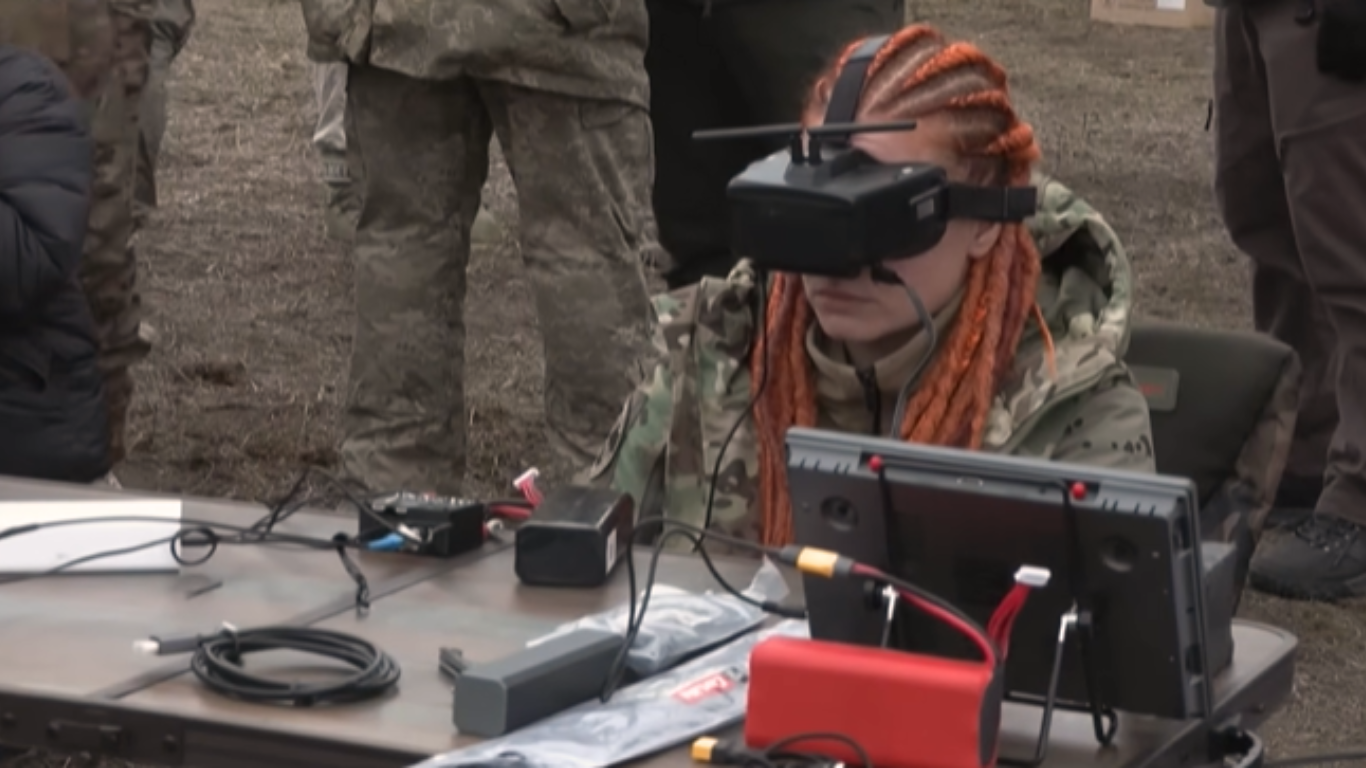
The latest Pentagon AI contracts show how quickly artificial intelligence is becoming part of modern military operations. From classified missions to battlefield decision-making, the US government is now relying on major AI companies to strengthen national security and build a more advanced defense system.
The US government is rapidly increasing its use of artificial intelligence in defense operations, and the latest Pentagon AI contracts prove how serious this strategy has become. The Department of Defense has officially approved four additional AI companies for classified military work, including Microsoft, Amazon, Nvidia, and Reflection AI.
These organizations now stand alongside OpenAI, xAI, and Google as authorized technology partners capable of delivering AI systems for sensitive government and defense operations.
According to the Pentagon, these tools may be used for “any lawful use,” including highly classified defense activities.
This decision highlights a major shift in how the US military plans to operate in the future. Artificial intelligence is no longer limited to office support or research tasks. It is now becoming part of real defense planning, intelligence analysis, and battlefield support systems.
The Pentagon AI contracts are designed to strengthen military flexibility and reduce dependence on a single AI supplier. Officials explained that the Department of Defense wants to avoid “vendor lock-in,” which means the military does not want critical operations to rely on only one technology company.
The Pentagon also stated that these AI systems will support “Impact Level 6 and 7” operations. These levels involve secret and highly classified information used in sensitive national security missions. The government believes advanced AI tools can help military teams process large amounts of data faster and improve operational decision-making during complex situations.
At the same time, the expansion of Pentagon AI contracts has restarted public debate over the risks of military AI technology.
One of the biggest critics has been Anthropic CEO Dario Amodei, who previously warned that unrestricted government access to AI systems could create serious ethical problems. He expressed concerns that AI technology might be used for surveillance programs or autonomous weapons systems in the future.
The disagreement between Anthropic and the US administration became even more serious after the Pentagon reportedly canceled a major contract with the company. Anthropic later challenged the decision legally, claiming it caused major financial losses and damaged business relationships connected to government partnerships.
Despite the public tension, reports suggest Anthropic technology may still be quietly used inside certain government agencies. Claude AI models reportedly continue supporting security-related operations, while Anthropic’s Mythos system is believed to be under review by multiple intelligence and cybersecurity organizations around the world.
The Pentagon AI contracts also show that military agencies are preparing for long-term AI integration instead of temporary experimentation. Previously, generative AI inside defense departments was mostly used for simple administrative work like summarizing documents, drafting reports, and organizing research materials.
Now, defense officials want AI systems that can improve situational awareness, analyze military data in real time, and assist personnel during high-pressure operational environments. While officials have not fully explained how these systems may be deployed in future domestic or international missions, experts believe the military is moving toward a more AI-driven defense structure.
Another important reason behind the Pentagon’s broader AI partnerships is stability. In recent years, several technology companies faced internal employee protests over military-related AI projects. Some workers at Google and Amazon publicly opposed their companies’ involvement in warfare technologies and defense contracts.
By working with multiple suppliers, the Pentagon reduces the risk of future disruptions caused by leadership changes, company policies, or public controversies.
Our opinion is that these Pentagon AI contracts represent both a technological breakthrough and a serious ethical challenge. Artificial intelligence can improve national security, cybersecurity, and defense coordination, but governments must also maintain transparency and strong safeguards around how these tools are used.
As global competition in AI continues to grow, military AI development will likely become one of the most important technology stories of the decade. The US administration appears determined to remain ahead in the race by building stronger partnerships with leading AI companies and expanding classified AI operations across defense agencies.