

Ubuntu AI Features Spark User Debate
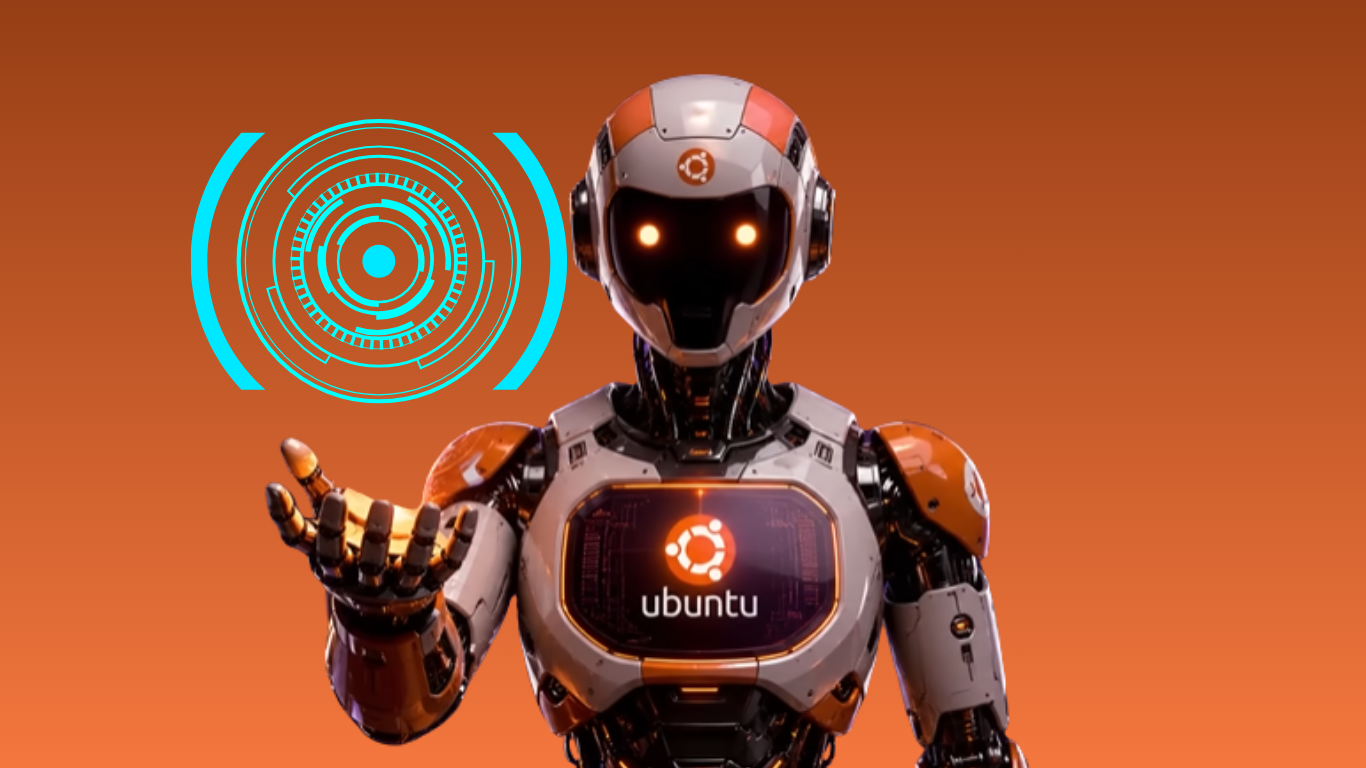
Ubuntu AI features are becoming a major talking point as Canonical moves to integrate artificial intelligence into its popular Linux operating system, raising both excitement and concern among users.
Canonical’s latest move to introduce Ubuntu AI features has started a serious conversation within the Linux community. While some users welcome the innovation, others are clearly uncomfortable with the direction the operating system is taking. This shift reflects a broader trend where artificial intelligence is becoming a standard part of modern software, but not everyone is convinced it belongs everywhere.
The announcement from Canonical outlined plans to gradually introduce Ubuntu AI features over the coming year. These additions are expected to improve accessibility and simplify everyday tasks. For example, users may soon benefit from built-in speech-to-text and text-to-speech tools, making the system easier to use for people with different needs. Alongside this, Canonical is working on agent-based AI tools that can help users troubleshoot issues or automate routine processes.
Despite these advantages, the reaction from the Linux community has been mixed. A noticeable number of users have raised concerns about privacy and control. Many have asked for a simple way to turn off Ubuntu AI features completely, often referring to it as a “kill switch.” This request shows a deeper concern: users want to stay in charge of their systems without feeling forced into using new technologies.
Some users have even compared this move to similar decisions made in other operating systems, where AI features were added without giving users much choice. In response, a portion of the Ubuntu community has said they might stick with older versions of the system or consider switching to a different Linux distribution altogether.
Canonical, however, has tried to address these concerns. Jon Seager, the company’s Vice President of Engineering, clarified that there will not be a global option to disable all Ubuntu AI features at once. Instead, users will have the flexibility to remove or disable specific AI tools they do not want. According to him, this approach is meant to balance innovation with user control.
From a practical perspective, Ubuntu AI features could bring real benefits. Automation tools could save time by handling repetitive tasks, while intelligent troubleshooting could help users fix problems more quickly without needing advanced technical knowledge. For new users especially, these improvements could make Linux more accessible and user-friendly.
However, the concerns are not without reason. The Linux community has always valued transparency, privacy, and user freedom. Introducing AI into the system raises questions about how data is processed and whether these features could eventually limit user control. Even if the tools are optional, some users worry about the long-term direction of the platform.
Another important factor is trust. Linux users often choose Ubuntu because it offers a clean, open, and customizable experience. Any change that feels forced or unclear can quickly lead to resistance. This is why the discussion around Ubuntu AI features is not just about technology—it is about maintaining the core values that users expect from an open-source operating system.
In our view, Canonical’s decision is understandable but needs careful execution. AI is rapidly becoming a part of everyday computing, and ignoring it completely may not be practical. At the same time, forcing these features without clear control options could damage user trust. The best approach lies somewhere in the middle: offering powerful AI tools while keeping them fully optional and transparent.
Looking ahead, the success of Ubuntu AI features will depend on how well Canonical listens to its community. If users feel they have control and clarity, these features could enhance the overall experience. But if concerns around privacy and choice are not properly addressed, the backlash could grow stronger.
In the end, this situation highlights a bigger shift in the tech world. AI is no longer a separate feature—it is becoming part of the foundation of modern systems. Whether users accept or resist this change will shape the future of platforms like Ubuntu.